In Focus: The MFA Review: University of Georgia
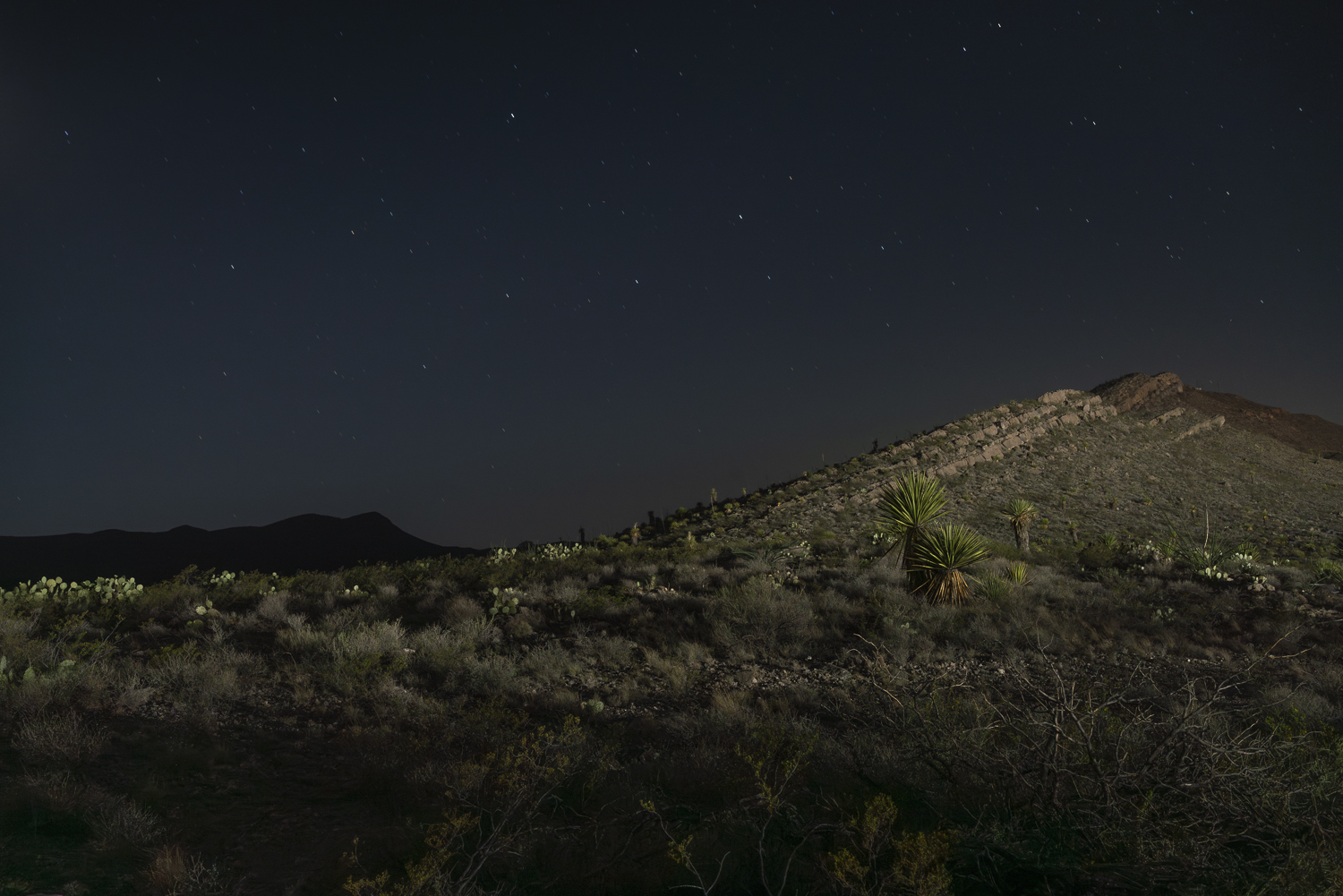
©Marni Shindelman, Faculty
Each installment of In Focus: The MFA Review highlights a different MFA program for photographic artists, offering readers a concise overview of its identity, curriculum, faculty, student experience, financial support, and post-graduation outcomes. It also serves as a showcase of the creative work produced by faculty, students, and alumni. Rather than functioning as rankings or endorsements, these features are intended as practical starting points—tools to help prospective students compare programs, identify what matters most to them, and make more informed decisions about their graduate education. While certain details shared in these articles may change over time, my hope is that these program snapshots offer a clear sense of what each represents in the present moment.
Thank you to Marni Shindelman for completing this interview and compiling all the images/resources!
Institution name: University of Georgia
Degree Title: MFA in Studio Art
Location: Athens, GA
Link to Program Page: https://art.uga.edu/mfa/
Link to Application Page: https://art.uga.edu/apply-graduate/
Instagram: @uga_dodd_art
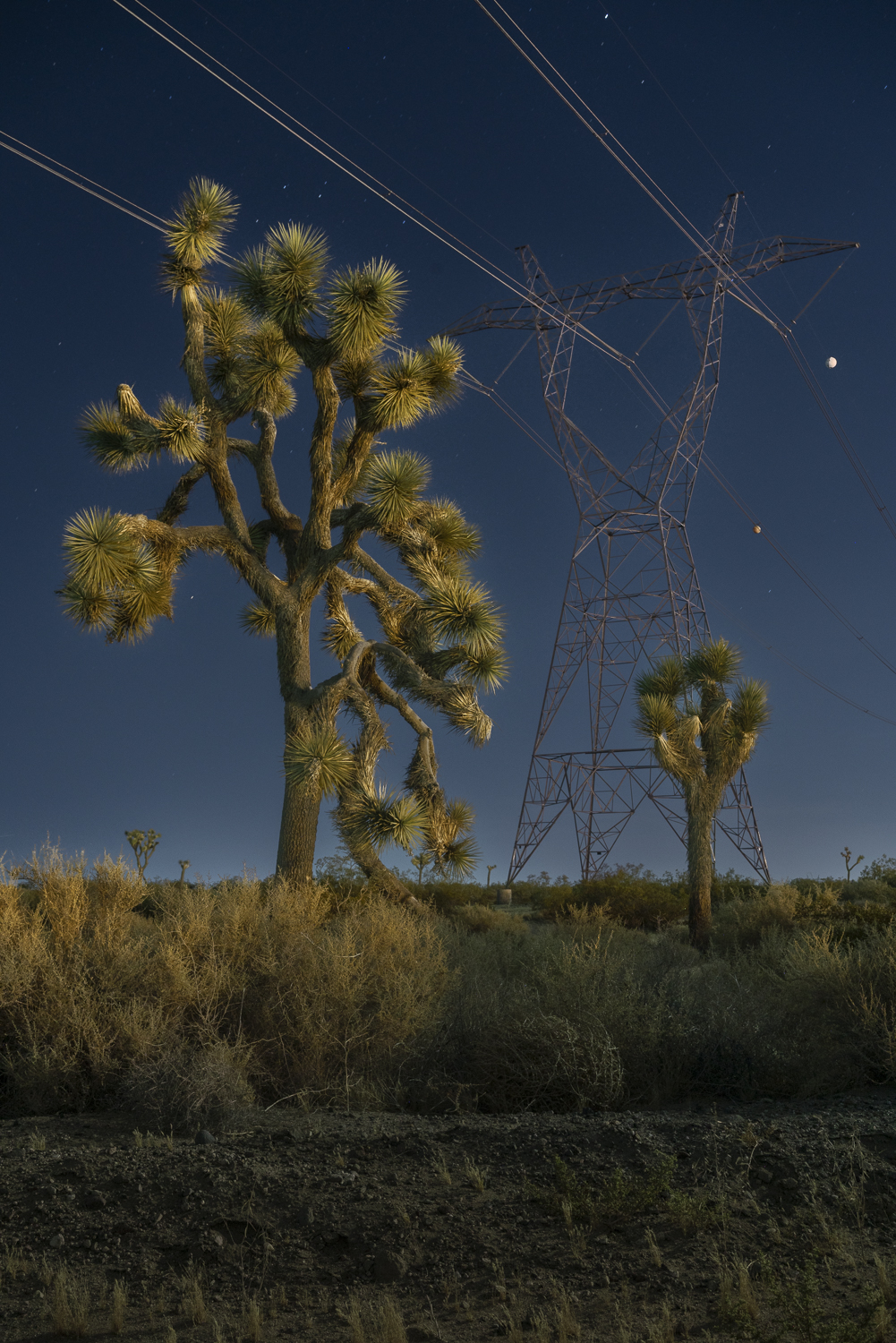
©Marni Shindelman, Faculty
Tell us a little about your program. How would you define its scope and purpose? What would you say makes your program special?
The MFA in Studio Art at the University of Georgia is an interdisciplinary degree, but it doesn’t mean every student has to work across media. It means we treat art-making as a whole process, and that process happens inside a community. Art isn’t made in a vacuum at the University of Georgia. It’s fueled by the ideas and research happening across the university.
If you ask me what makes the program special, I’ll tell you it’s the cohort. Every year, ten students join a community of thirty graduate students across the entire School of Art; photographers sitting next to ceramicists, jewelers next to social practice artists, new media artists next to painters. That cohort isn’t an accident. Students are accepted by a single committee made up of faculty from across the whole art school, so we’re building each class deliberately, thinking about who will push each other, who will learn from each other, who will make the community better.
Honestly, the thing I’m proudest of is how much mentorship happens here. Faculty aren’t handing off students to a syllabus and calling it a day; we’re in the studios, in the darkroom, at studio visits, at thesis exhibition prep. UGA is a small enough program that no one falls through the cracks and yet big enough that we have faculty working in all areas. You will find someone who resonates with you, and that will become your mentor and your thesis advisor. Building a body of work over three years is hard, disorienting work, and we take pride in walking alongside our students through all of it.
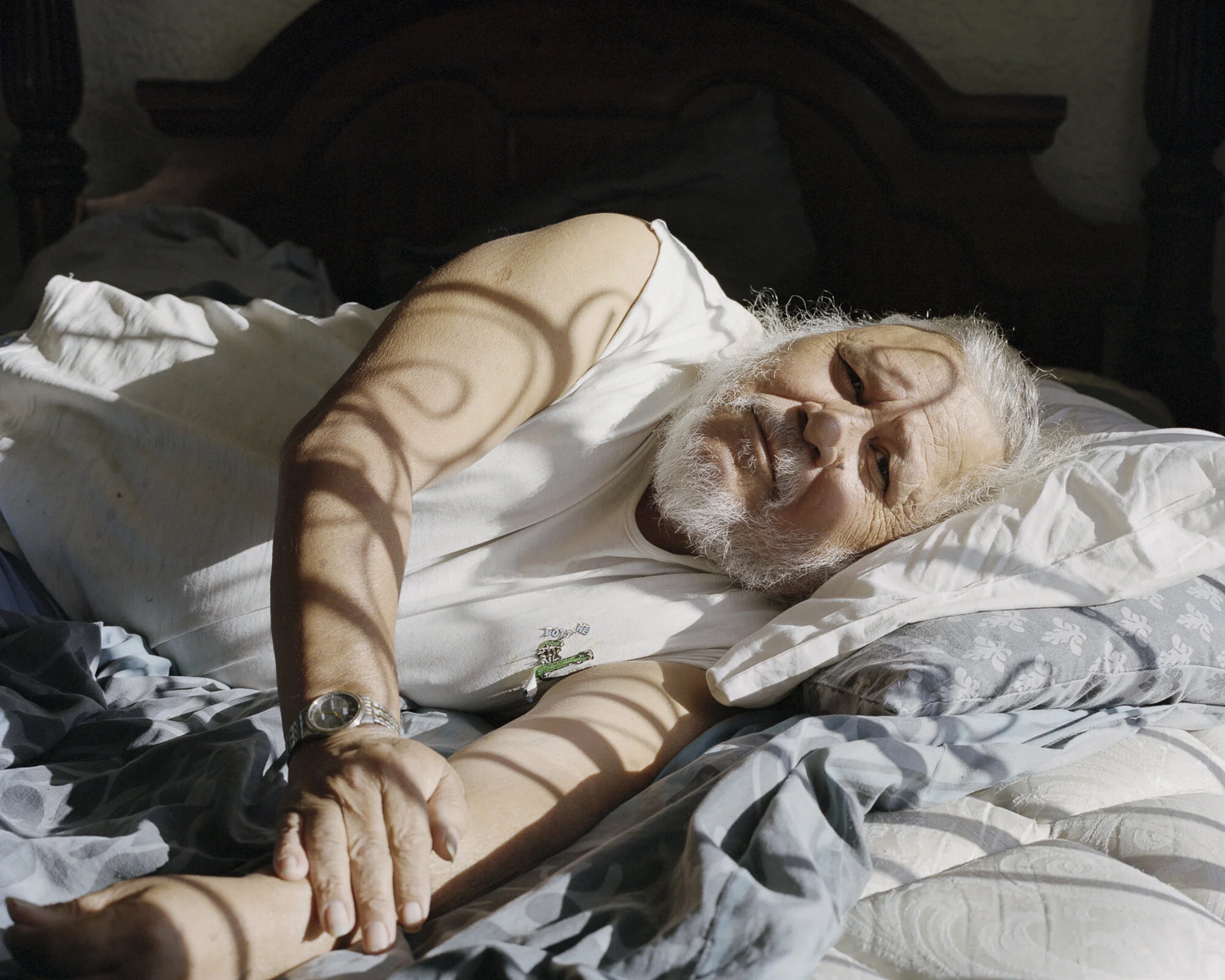
©Jordan Putt, Faculty
What specialized facilities are available for student use (i.e. darkroom, lighting studio, print lab)?
We’re fortunate to have state-of-the-art digital and analog photography facilities alongside everything else the larger school offers. Graduate students share a large private darkroom, and they’re always welcome in our communal darkroom or any of our four private darkrooms. We run our own color film processing, large format cameras, a dedicated shooting studio, two Imacon scanners, four sound studios, and a large digital lab. For output, we have ten 17” Canon printers, two 24” large-format printers, and one 44” printer dedicated to photography and expanded media. Students cover their own paper; ink and chemicals are provided in both output areas.
Beyond photography, the school runs multiple open-access and fabrication labs available to all students, plus specialty labs and studios across our five buildings — a flat lab with more large-format printers, a 3D printing lab, and extensive specialized facilities of every kind. Then there’s our Equipment CAVE, sponsored by Sony, which holds the latest full-frame digital cameras, medium and large format analog cameras, lighting equipment, Raspberry Pis, sound gear — it’s constantly refreshed to keep up with student needs.
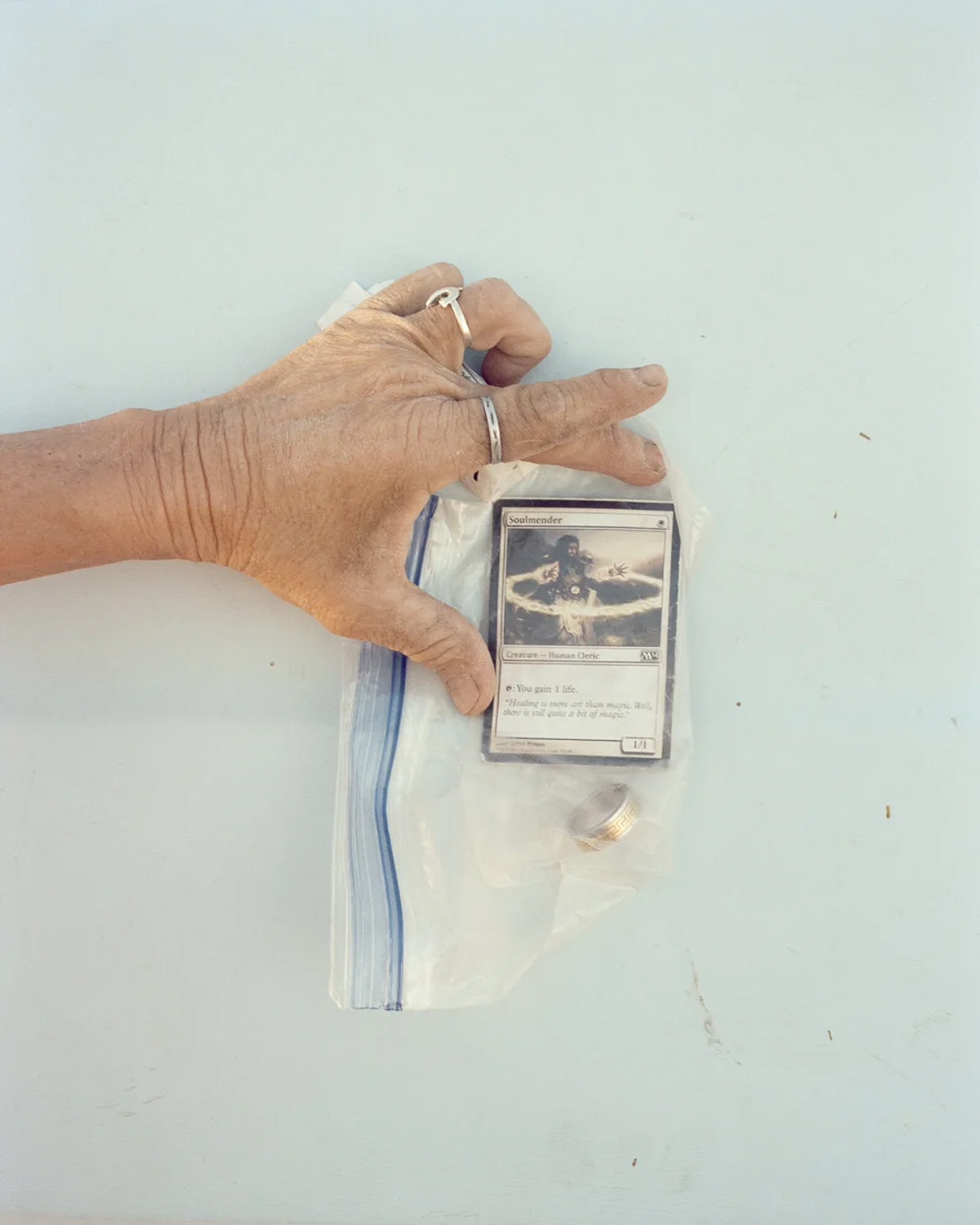
©Jordan Putt, Faculty
Is your program strictly photography-focused, or does it encourage/allow interdisciplinary work? Do you specialize in a particular area? And once in the program, is a student able to shift their focus if their creative interests change?
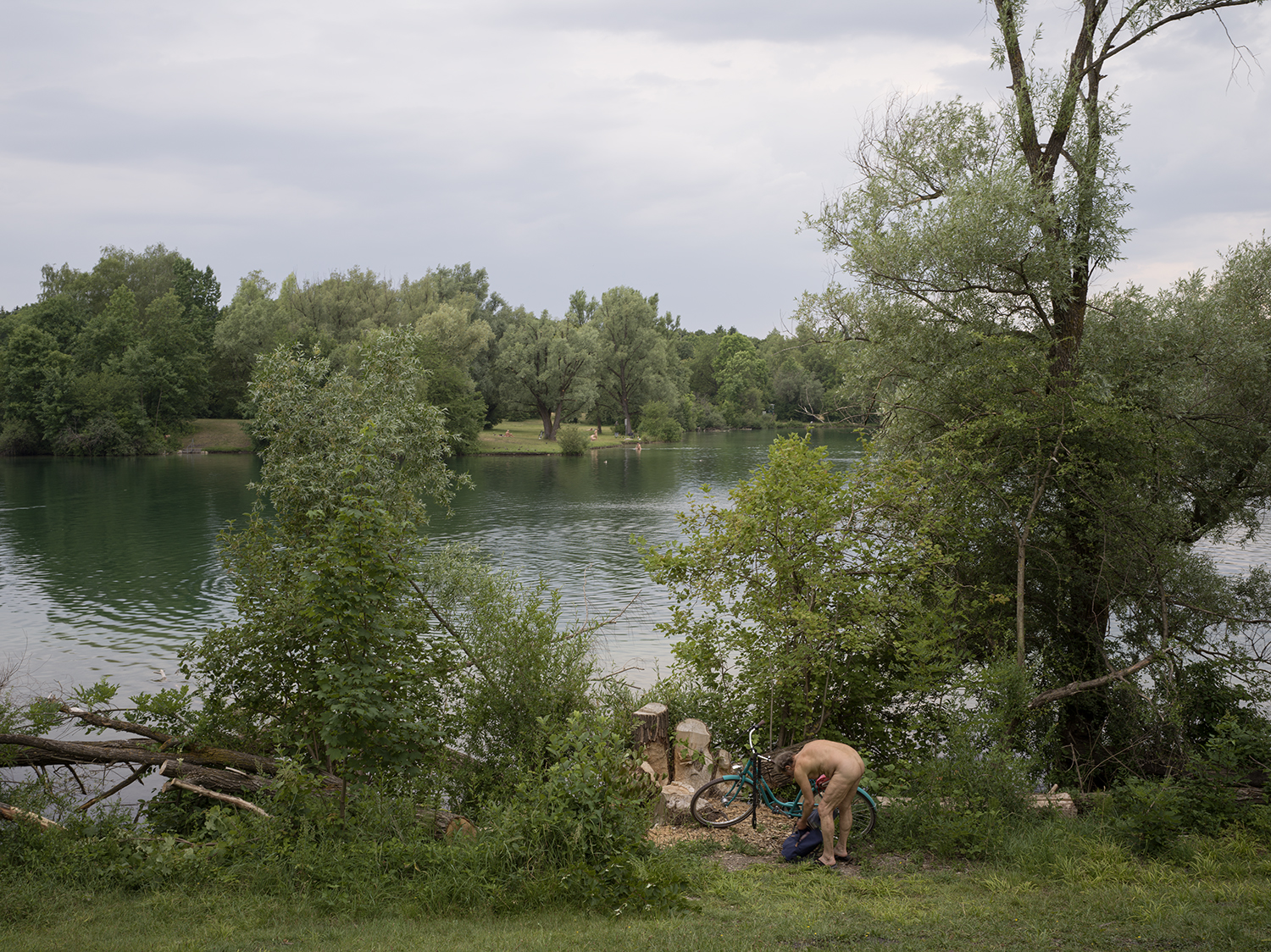
Our program is unique in that it genuinely supports interdisciplinary, multidisciplinary, and single-disciplinary artists side by side. The goal is never to push you toward a particular mode — it’s to help you make the best work that’s actually right for you. That might mean you spend your morning in an all-graduate critique course, your afternoon in Professor Andrew Zawacki’s Poetry & Photography Course, Professor Marni Shindelman’s “Artifacts of Performance,” or Professor Ash Eliza Smith’s “The Immersion Lab: Live, Embodied & Playable Experiences” . Then find yourself the next day in a graduate seminar on urban mapping. Over spring break, you might be out in the field with Professor Michael Marshall’s Social Ecology Lab on the Art in the Field course. We believe in fostering the ideas behind your work as much as the craft and technique and that means your focus is allowed to move as your thinking moves.
©Andrew Zawacki, Affiliate Faculty
How structured is the curriculum? Are there required courses, or is it more self-directed?
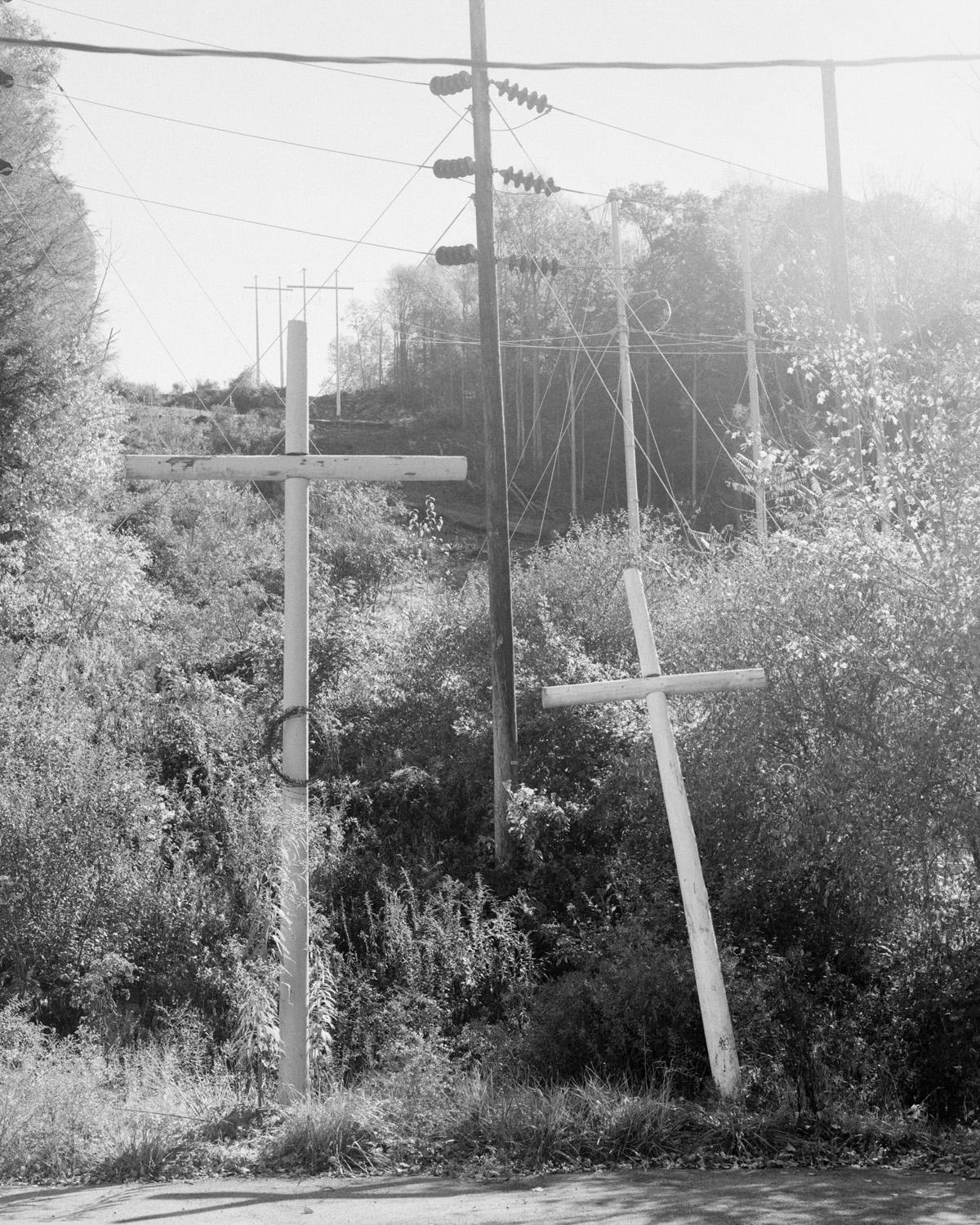
Each student’s course of study is genuinely their own, shaped in conversation with the graduate coordinator and their graduate committee. There is some shared structure: in the first year, students take a graduate seminar that builds a common language and methodology for studying and making contemporary work, followed in the spring by a seminar on the teaching of art, since our students begin teaching in year two. Second-year students take a graduate critique course together, and third-years take a course that supports the development of their thesis show. Students are also required to take a certain number of theory, criticism, and art history courses — but which ones, and how they connect to the work, is up to them.
©Blake Jacobsen, Faculty
Does the program incorporate video work or emerging media such as AI, VR/AR, or 3D/360 imaging?
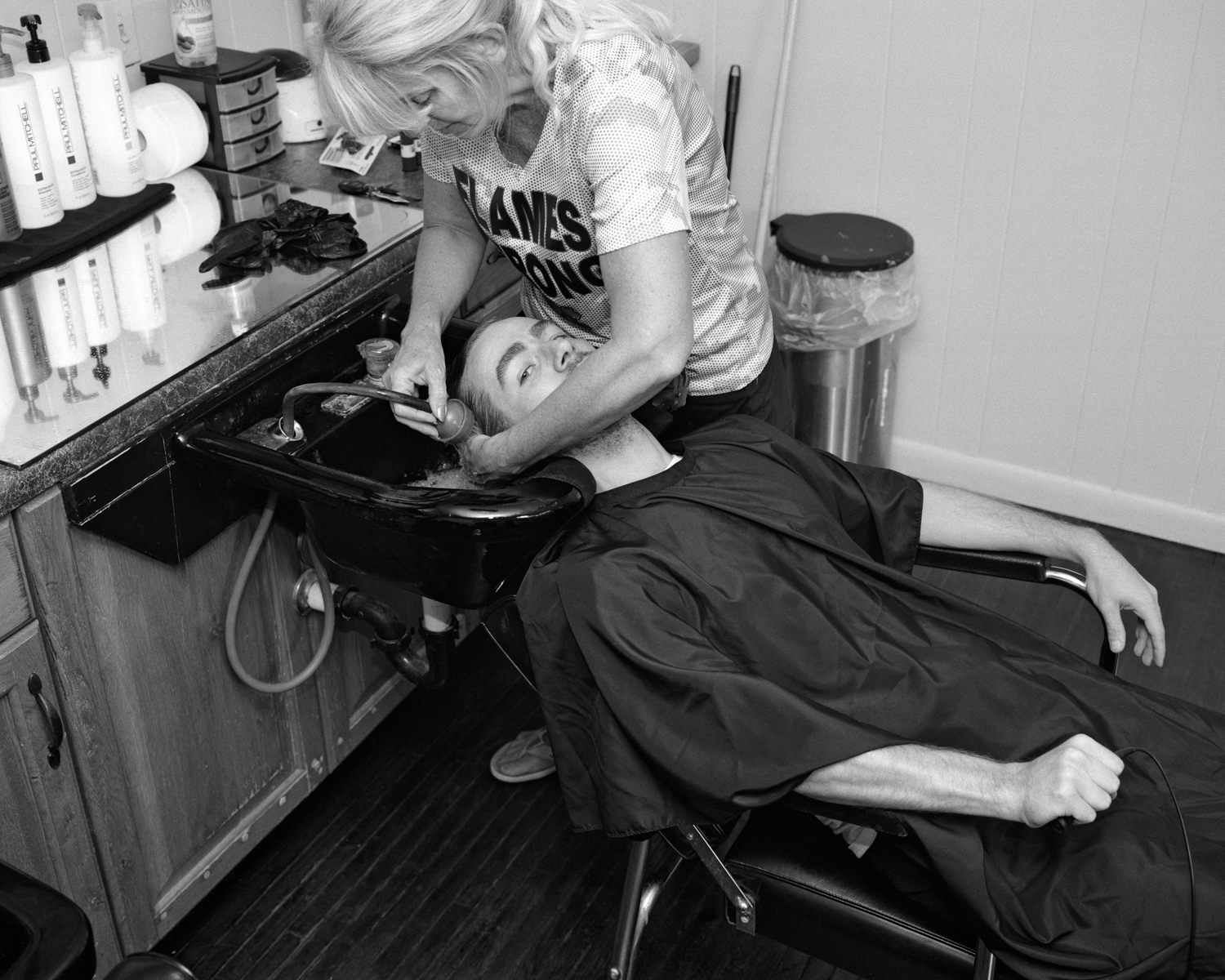
Four years ago, our new media program merged with photography to become Photography & Expanded Media, and it’s been a genuinely exciting shift. Our newest hire in the area, Ash Eliza Smith, is developing a more robust new media curriculum alongside faculty across the school, and new media also lives inside our 3D studio and in courses with Professor Kimberly Lyle, who’s exploring the use of AI in art directly with students. This isn’t a program bolting emerging media onto a traditional photo curriculum — it’s one actively rethinking what “lens-based” even means.
©Blake Jacobsen, Faculty
Does the program offer career development support, such as portfolio reviews, workshop/conference attendance, or networking opportunities?
Faculty work individually with students on portfolios, applications, grant proposals, and artist statements throughout the program, not just in the final semester. The Graduate School and the university at large also offer travel grants to help offset the cost of attending conferences and exhibitions, both in the U.S. and abroad, and students are encouraged to apply for those from year one.

©Michael Marshall, Faculty
What are key graduation requirements (exhibition, thesis paper, portfolio, etc.)?
Our students move through the program with regular annual reviews. After their first year, they sit for a Continuance Exam built around a research portfolio; after their second year, a Candidacy Exam. Everything builds toward the third year, when the entire class curates and installs a group thesis exhibition at the Athenaeum, our downtown contemporary art space, alongside a full exhibition catalogue. Each student also completes a written report, which is an account of their thesis work that situates it historically and conceptually. They then defend both the exhibited work and the report in a final oral examination held during the run of the show.

©Michael Marshall, Faculty
Who are your current faculty members? What are their areas of creative interest?
Andrew Zawacki, Professor of Creative Writing (affiliated with the area)
©Barry Mallory, Current Student
Are faculty members primarily full-time or adjunct?
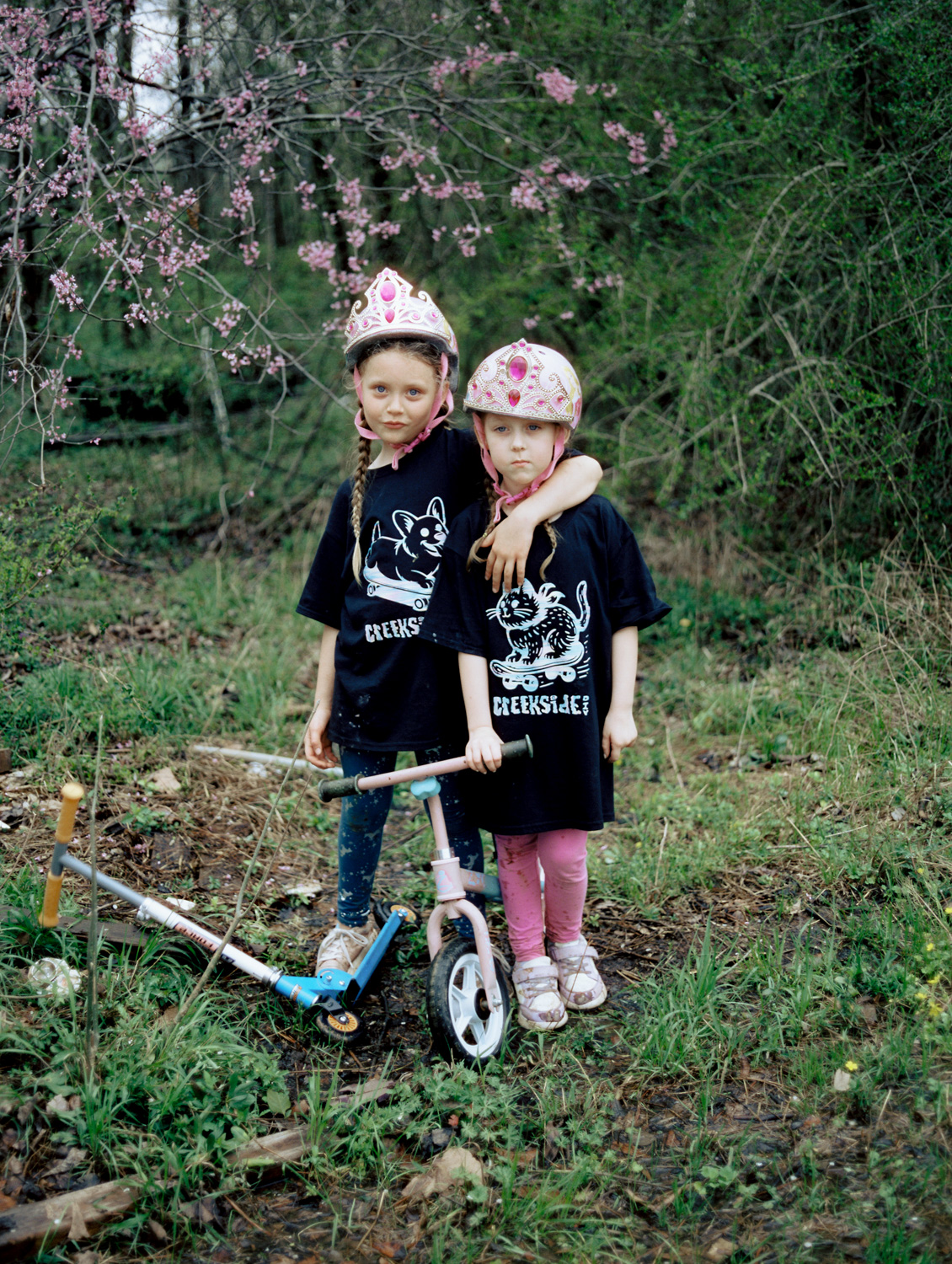
All courses are taught by full-time faculty. Some graduate students will utilize the incredible resources of the Athens community for their thesis committee, which includes artists who have extensive international exhibition records.
How involved are faculty in mentoring students beyond coursework?
Every incoming student is assigned a faculty mentor in their first year, someone whose job is to be in your corner from day one: helping you find your footing, pointing you toward the right electives and visiting artists, and just generally being a steady presence while you figure out what three years here are going to look like for you.
That relationship deepens rather than ends. After your first-year review, you choose a thesis committee chair and build out a full committee of three to four additional faculty members. From that point on, mentoring isn’t a single faculty; it is your committee, with each person bringing a different lens to what you’re making. Your chair might be walking you through structuring a body of work, while another committee member is pushing you on the theory behind it, and another is the person you call on for technical help.
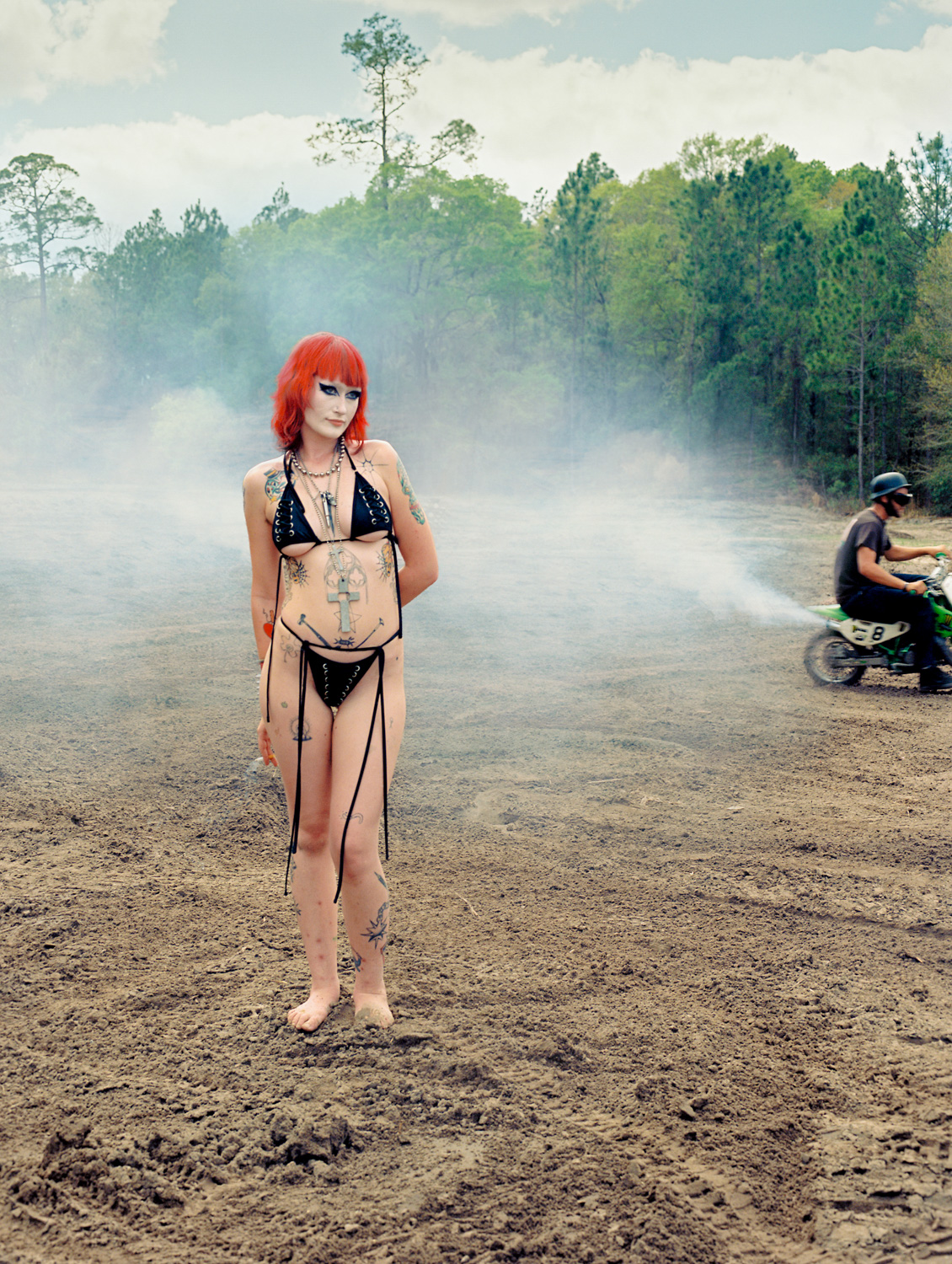
©Barry Mallory, Current Student
How often do guest artists, curators, or critics visit for lectures and/or critiques?
The Visiting Artist and Scholar Lecture series has brought over 80 distinguished guests to the Lamar Dodd School of Art at the University of Georgia since 2002. Visiting Artists and Scholars spend three days on campus interacting with students and faculty, the culmination of which is a public lecture on the subject of the artist’s or scholar’s work.
These visitors give students exposure to perspectives well beyond our own faculty and connect them to a wider professional community before they’ve even graduated. In past years we have had photographers and critics Rahim Fortune, Kelli Connell, Tommy Kha, and Jon Feinstein.
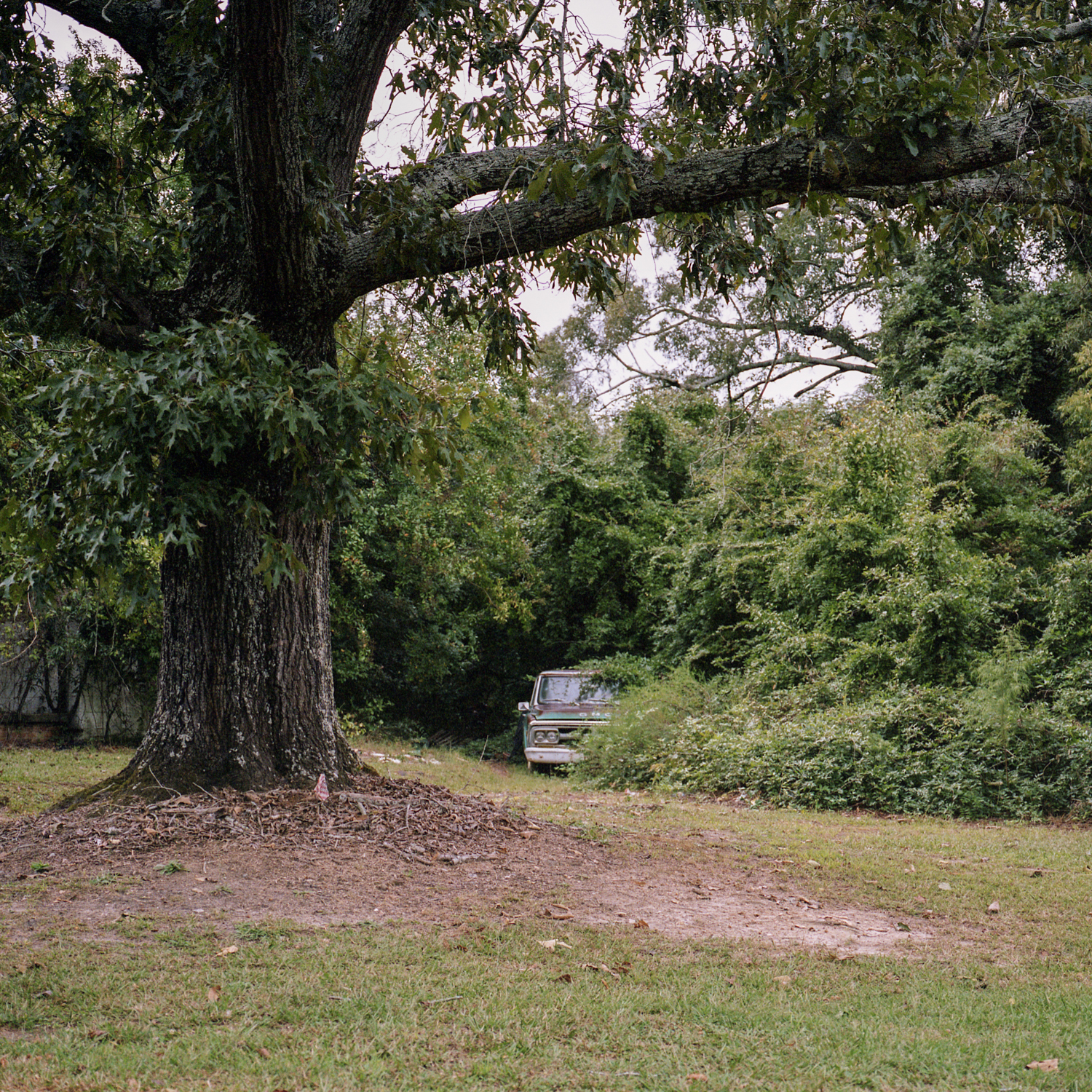
©Kaneesha Brownlee, Current Student
How many students are admitted each year, and how many are photography focused? What is the approximate cohort size, and what effect does this have on critiques, collaboration, and networking?
Ten students are admitted to the MFA program each year, joining a graduate community of roughly thirty across the whole School of Art. That size is intentional, and it changes everything about how critique works. It’s small enough that faculty and peers genuinely know each student’s work in depth over three years, but large enough that critiques pull in real range; a photographer’s crit might include a jeweler, a sculptor, and a social practice artist all in the room, each bringing a completely different set of questions to the table. That cross-pollination becomes one of the most valuable parts of the whole experience, and it carries into the professional networks students build well past graduation.
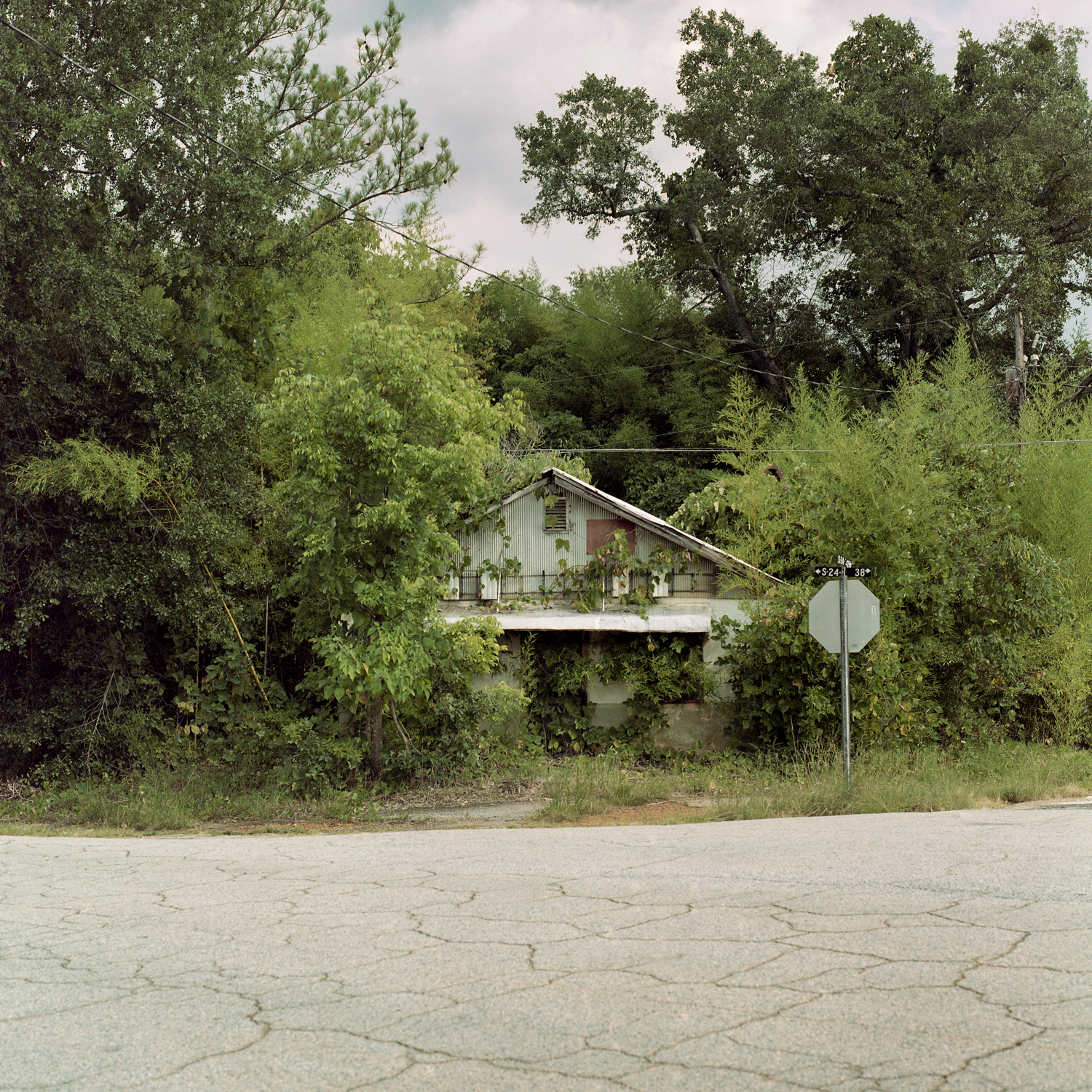
©Kaneesha Brownlee, Current Student
What kind of work are current students creating?
Current Students & Recent Alumni
Harper Nichols (MFA ’26)
Lindsey Kennedy (MFA ’24)
Mallory Barry (anticipated MFA ’28)
Kaneesha Brownlee (anticipated MFA ’28)
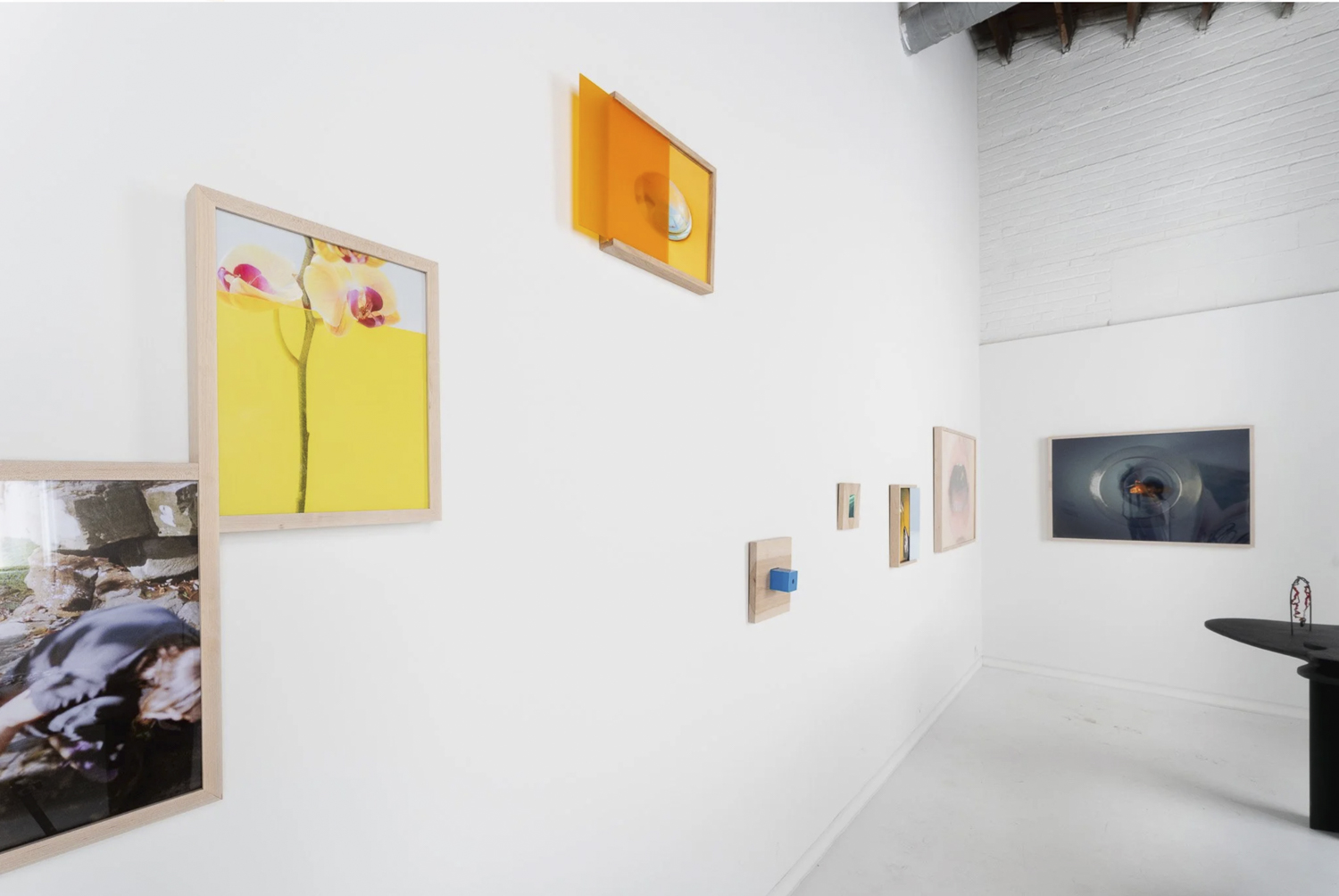
©Harper Nichols, Alum
What is the total cost of the program (and duration), and what funding options are available? Are there teaching assistantships, and what percentage of tuition do they cover?
Every student admitted to our three-year MFA program is fully funded for the duration of their degree. Departmental assistantships come with a stipend, a full tuition waiver, and 50% health insurance coverage — students are only responsible for a small per-semester fee.
First-year students work in studio support roles, and our students typically move into teaching in their second and third years, which builds real classroom experience alongside their studio practice.
Are additional grants/resources available to support student projects?
Beyond the assistantship itself, students can apply for Graduate School travel grants to support conference and exhibition travel, as well as research and project funding through sources like the Willson Center Graduate Research Award for arts and humanities projects tied to their degree. We also nominate students for competitive university-wide fellowships aimed at supporting a genuinely diverse cohort.
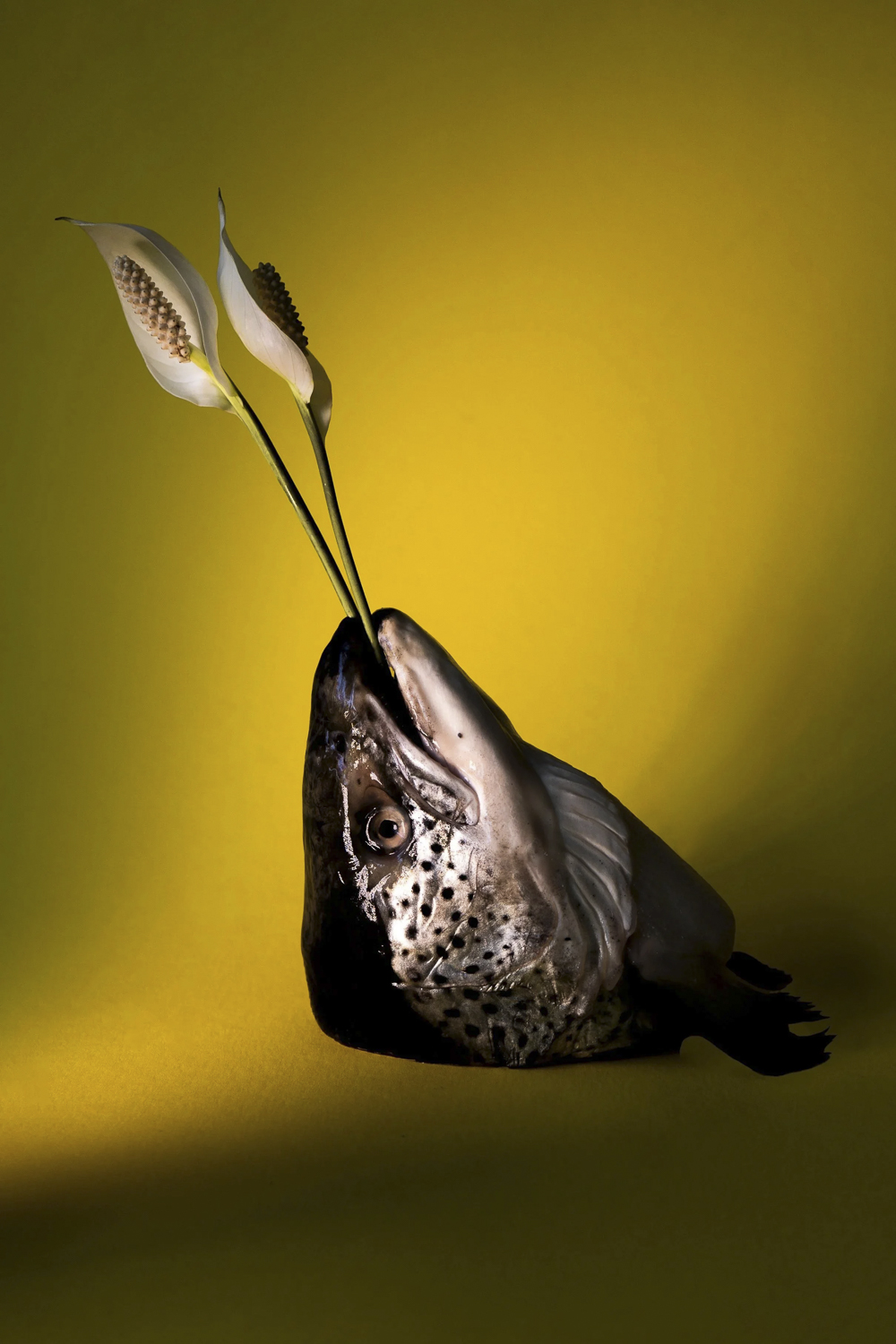
©Harper Nichols, Alum
What types of careers do alumni pursue, and how does the program support students after graduation? How connected is the alumni network, and do graduates stay involved with the program?
Our alumni go on to build careers across the field — teaching at the university level, exhibiting and building gallery representation, pursuing residencies and fellowships, working in museums and arts administration, and continuing their research in doctoral programs. The mentorship doesn’t end at commencement: I stay in touch with former students long after they’ve left Athens, writing recommendation letters, making studio visit calls, connecting them to opportunities as they come up. That kind of ongoing relationship is part of what makes this community feel less like a three-year program and more like a lifelong one. Graduates come back for visiting artist talks, studio visits with current students, and the annual thesis show — the network stays genuinely active, not just symbolic.
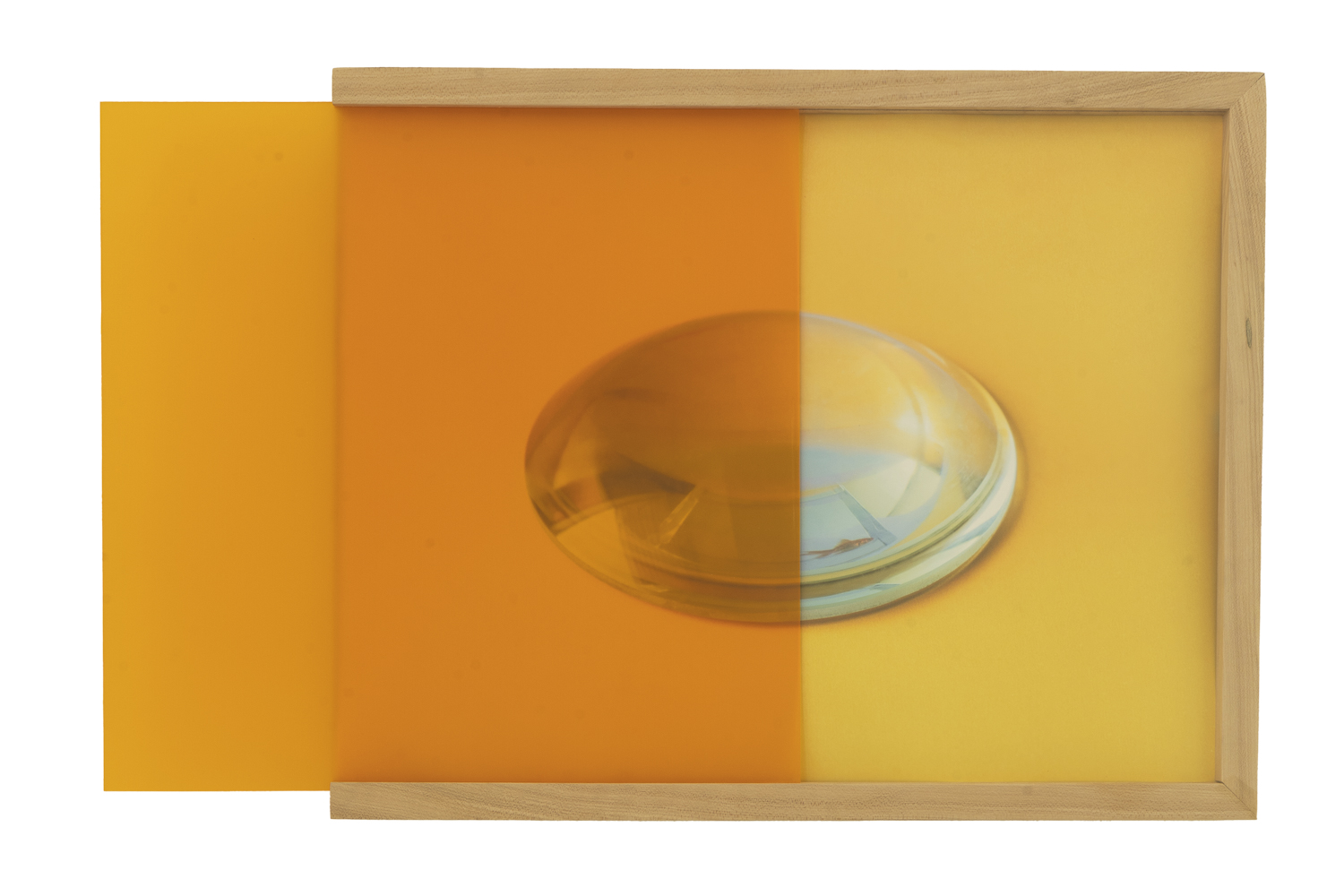
©Harper Nichols, Alum
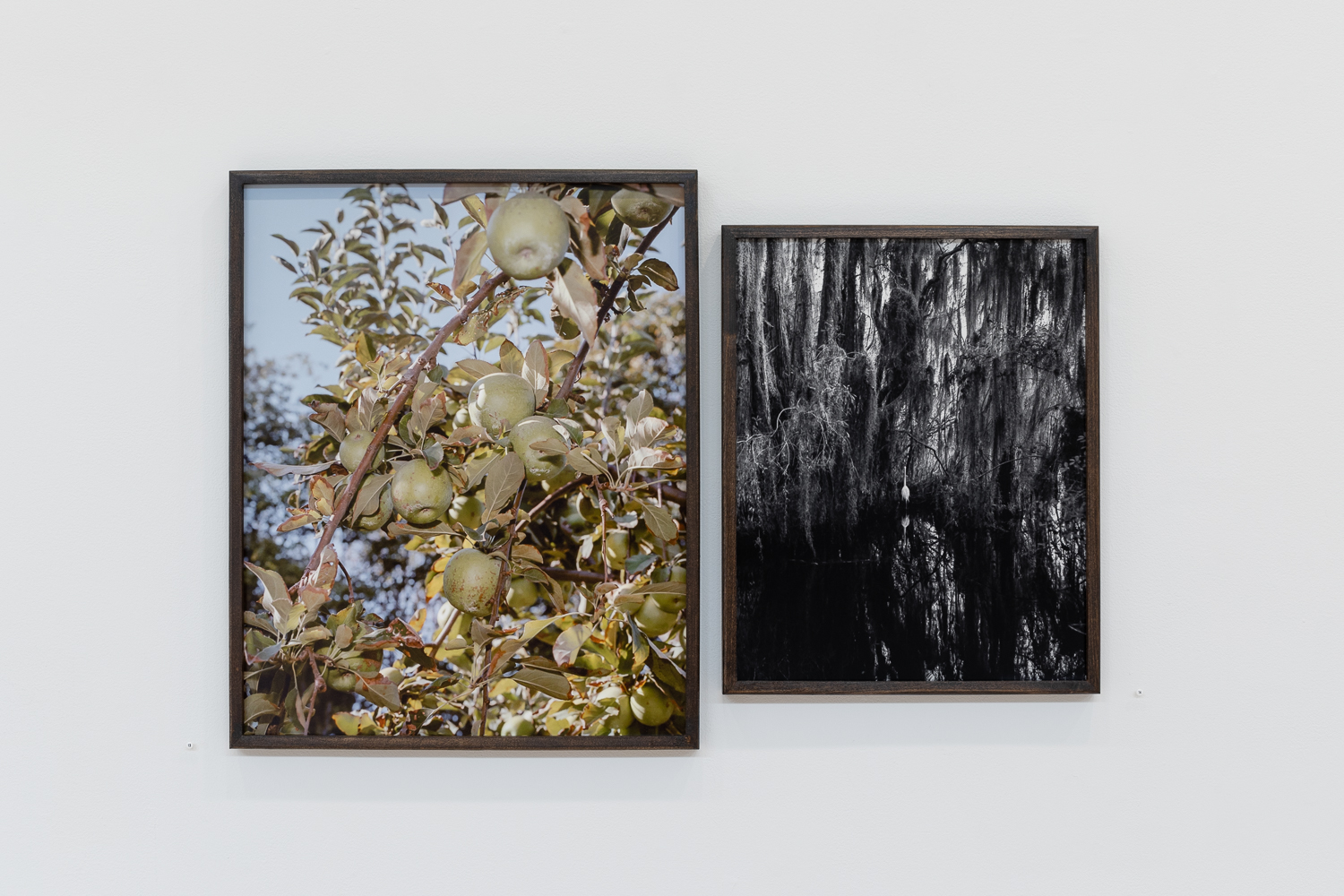
©Lindsey Kennedy, Alum
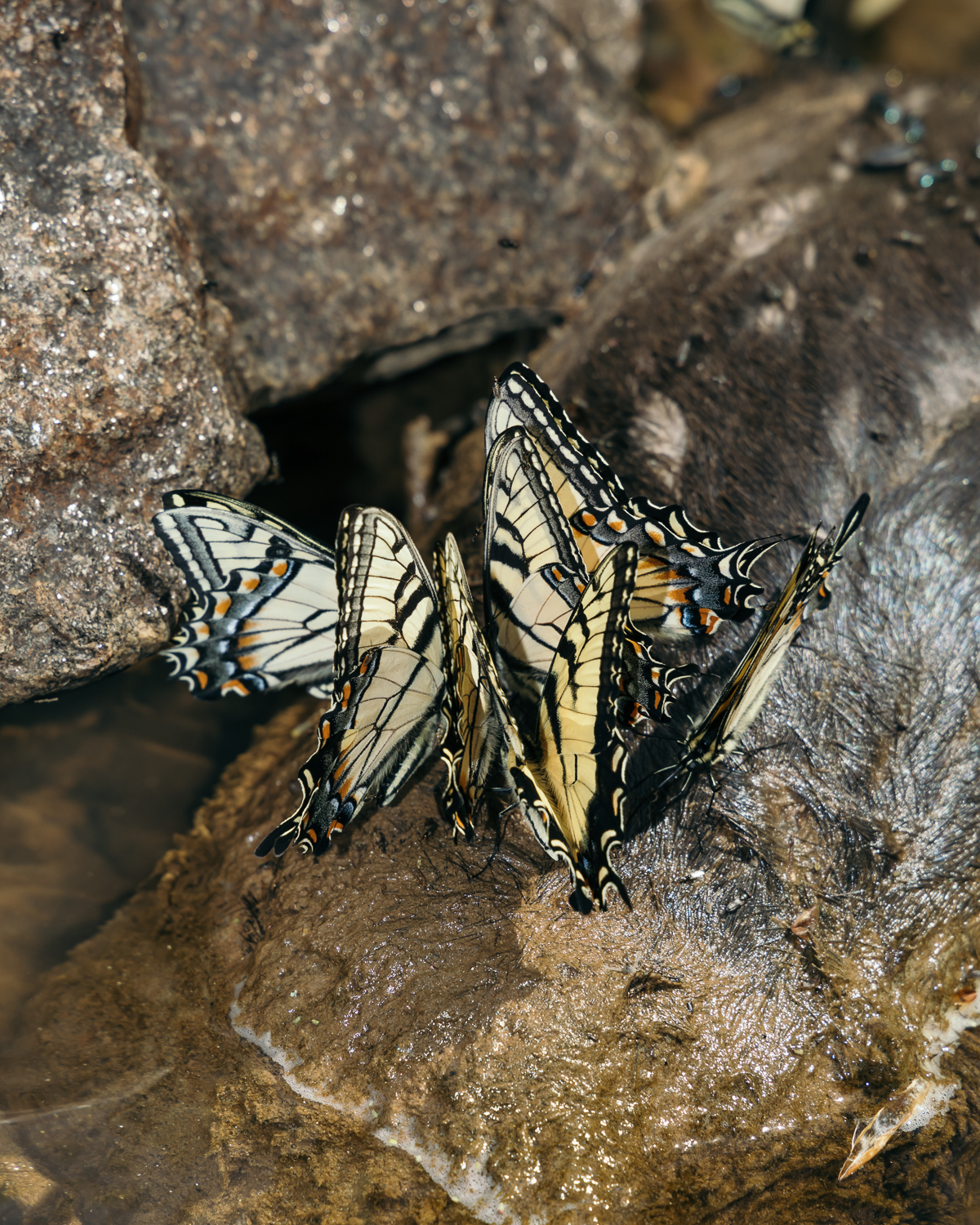
©Lindsey Kennedy, Alum
Posts on Lenscratch may not be reproduced without the permission of the Lenscratch staff and the photographer.
Recommended
-
In Focus: The MFA Review: University of GeorgiaNovember 27th, 2026
-
In Focus: The MFA Review: University of Arizona, School of ArtNovember 26th, 2026
-
In Focus: The MFA Review: Northern Illinois UniversityNovember 25th, 2026
-
In Focus: The MFA Review: Belfast School of Art, Ulster UniversityNovember 24th, 2026
-
In Focus: The MFA Review: University of New MexicoNovember 23rd, 2026