In Focus: The MFA Review: University of New Mexico
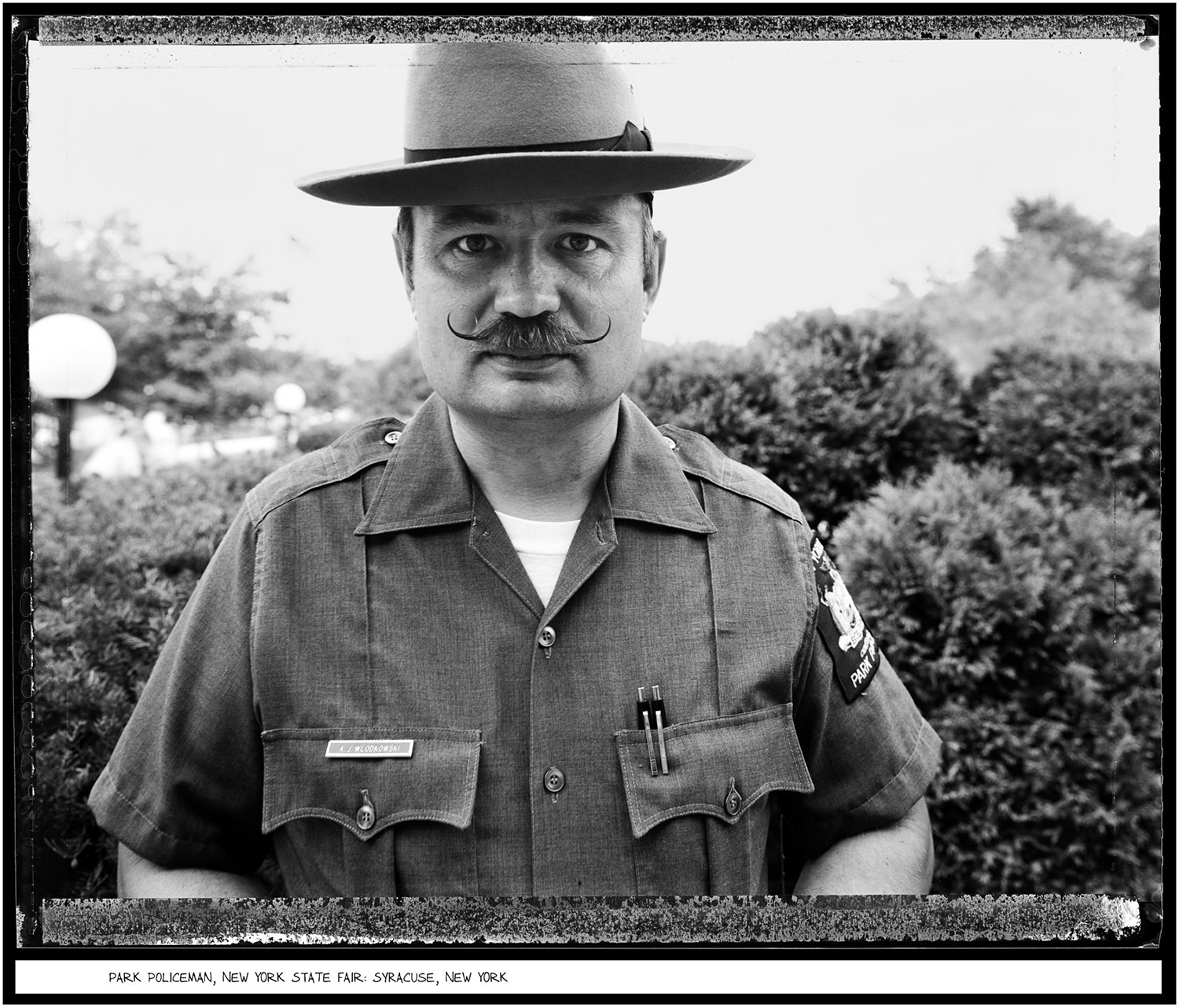
©Jim Stone, Faculty
Each installment of In Focus: The MFA Review highlights a different MFA program for photographic artists, offering readers a concise overview of its identity, curriculum, faculty, student experience, financial support, and post-graduation outcomes. It also serves as a showcase of the creative work produced by faculty, students, and alumni. Rather than functioning as rankings or endorsements, these features are intended as practical starting points—tools to help prospective students compare programs, identify what matters most to them, and make more informed decisions about their graduate education. While certain details shared in these articles may change over time, my hope is that these program snapshots offer a clear sense of what each represents in the present moment.
Thank you to Meg Gould and Jim Stone for completing this interview and compiling all the images/resources!
Institution name: University of New Mexico
Degree Title: MFA in Art Studio
Location: Albuquerque, NM
Link to Program Page: https://art.unm.edu/programs/art-studio/photography
Link to Application Page: https://art.unm.edu/become-a-student/graduate
Instagram: @unm_photo
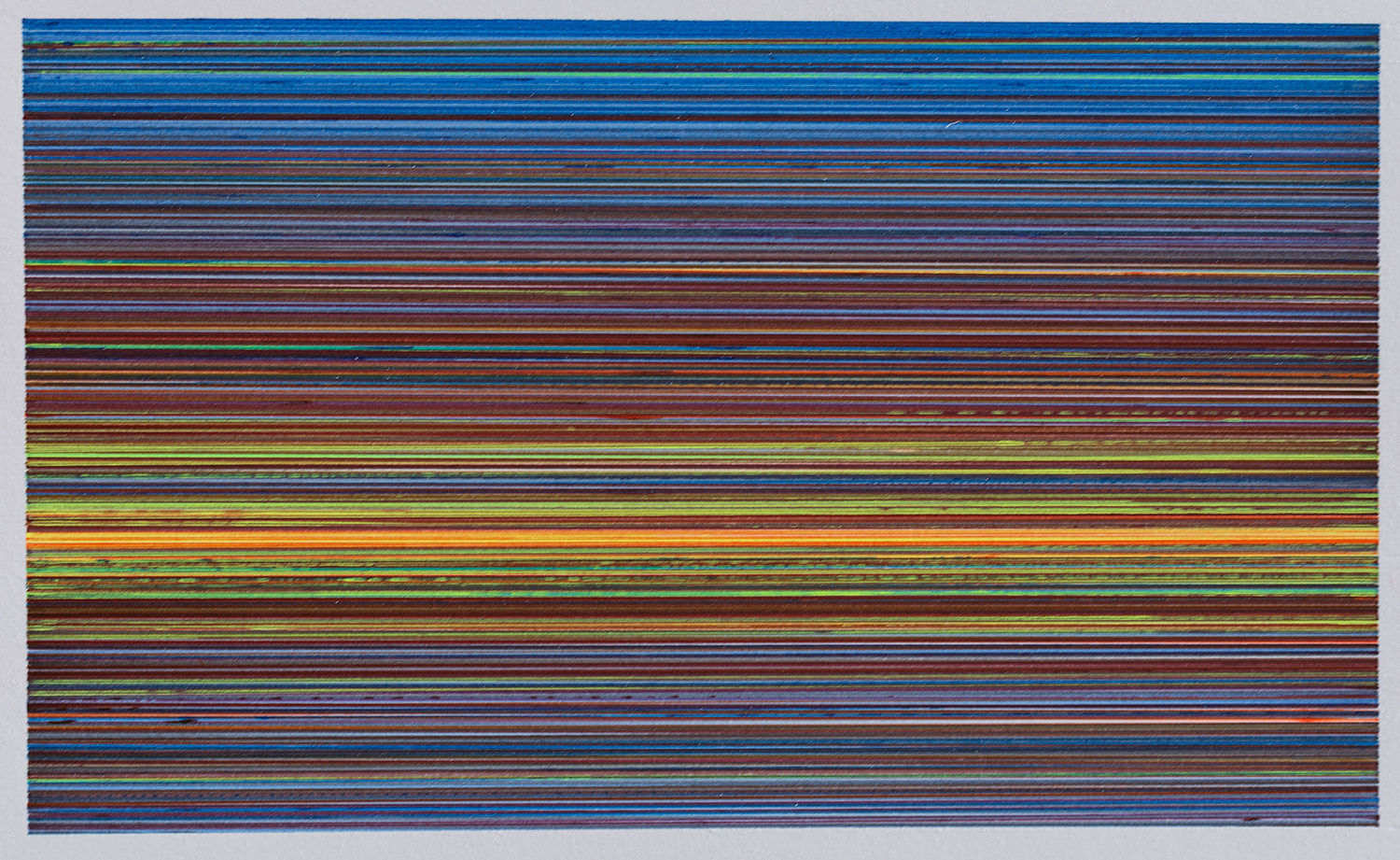
©Patrick Manning, Faculty
Tell us a little about your program. How would you define its scope and purpose?
The University of New Mexico was one of the earliest universities in the U.S. to offer an MFA in Photography, with our first graduate student enrolled in 1964. We were also the first (maybe the second, it’s not clear) program in the country to offer a PhD in the History of Photography, under the leadership of Beaumont Newhall.
Our graduate program in photography is fine-art focused. Our graduates generally remain working artists or enter higher education as faculty, or both. We do not prepare our students for careers as client-focused professional photographers.

©Meggan Gould, Faculty
What would you say makes your program special?
UNM alumni have shaped photography and photographic education in this country for decades, and their legacy is felt in our critique conversations, our collections, and in graduate studio and darkroom spaces. I asked a few recent grads for their perspective on this question, and I am interspersing a few of their responses here:
What makes the program special is that the community here is deep and connected; it functions as a collective. The conversations around work are honest, rigorous, and generous, and people share knowledge instead of guarding it. There’s a lot of ambition here, and it tends to raise the level of everyone’s work, rather than getting tied up in competition. Being around so many thoughtful artists has pushed me to work harder and let new ideas and ongoing conversations play a role in shaping my work. It’s a fun and deeply meaningful place to be a part of. (Kenton Bueche, MFA 2025)
Many campus resources dedicated to the history of photography support our program. We have an astonishingly robust photo book collection in the Fine Arts & Design library, and a mindboggling collection of photographs at the University of New Mexico Art Museum (UNMAM)—our graduate students use the study room and museum resources regularly.
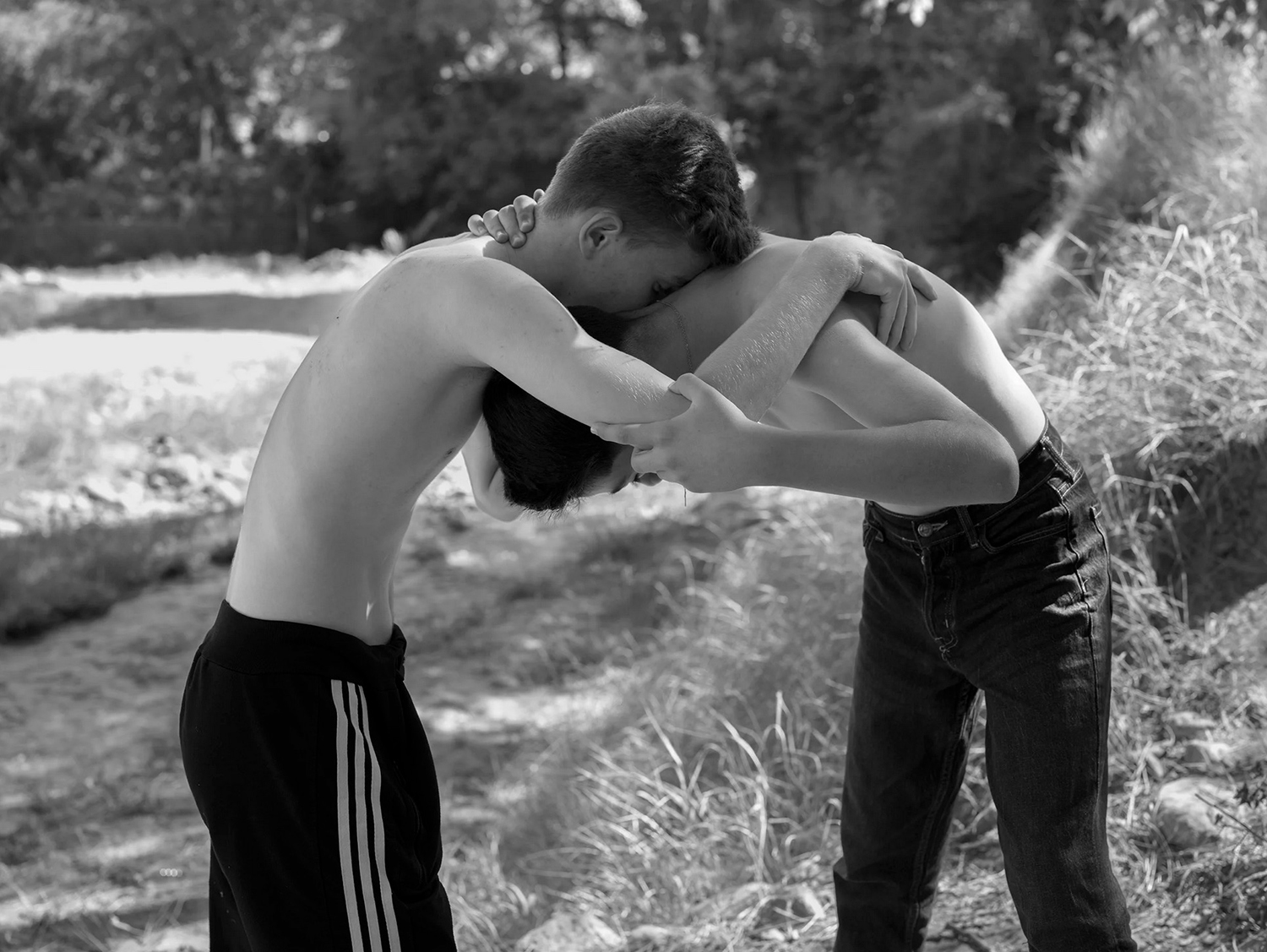
©Sara Abbaspour, Faculty
What specialized facilities are available for student use (i.e. darkroom, lighting studio, print lab)?
Graduate students have 24/7 access to facilities for digital and analog photography, including a print lab and lighting studio, as well as shops for metal, wood, ceramics, printmaking, etc. Photography grads have access to a private output lab space equipped with an Imacon scanner and two large-format printers. There are individual darkrooms available for grad students as well as a large non-silver space that is highly customizable for specific project needs.
Private graduate studios, across our two graduate studio buildings, are spacious and well supported by staff.
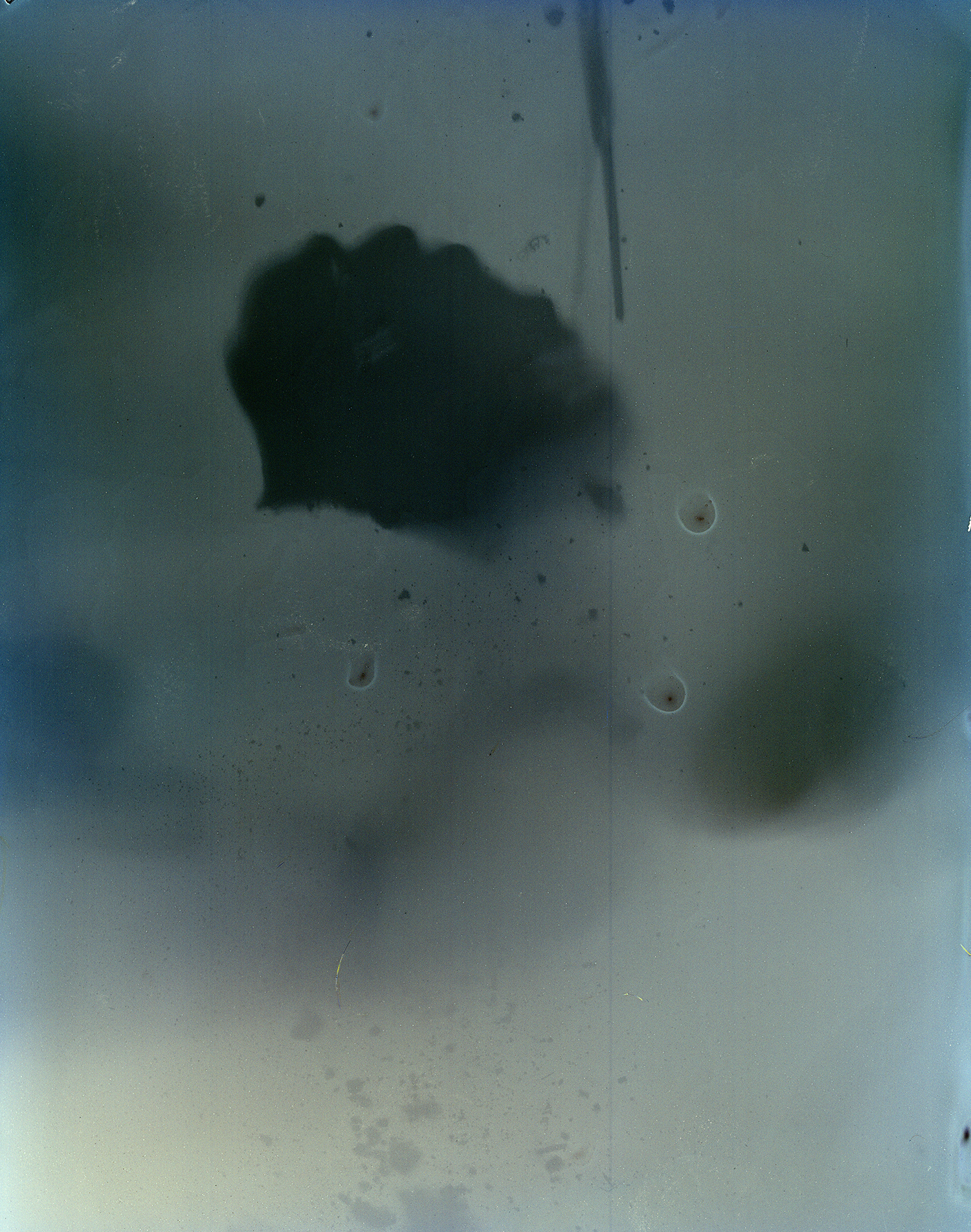
©Madison Emond, Current Student
Is your program strictly photography-focused, or does it encourage/allow interdisciplinary work?
We are an area within a Department of Art that encourages cross-disciplinary study. We are located in a large state university, with departments representing the complete span of academic study including graduate programs in the sciences and humanities, as well as a law school, business school, and medical school.
We feel strongly that your ideas should lead your choices of medium and process; we encourage experimentation and the breaking down of boundaries. Students are encouraged to tailor the program to their needs, to shape their own focus. Many students work in very interdisciplinary ways, using our faculty and facility resources across sculpture, video, performance, painting, etc in conjunction with a photographic conversation to execute their work.
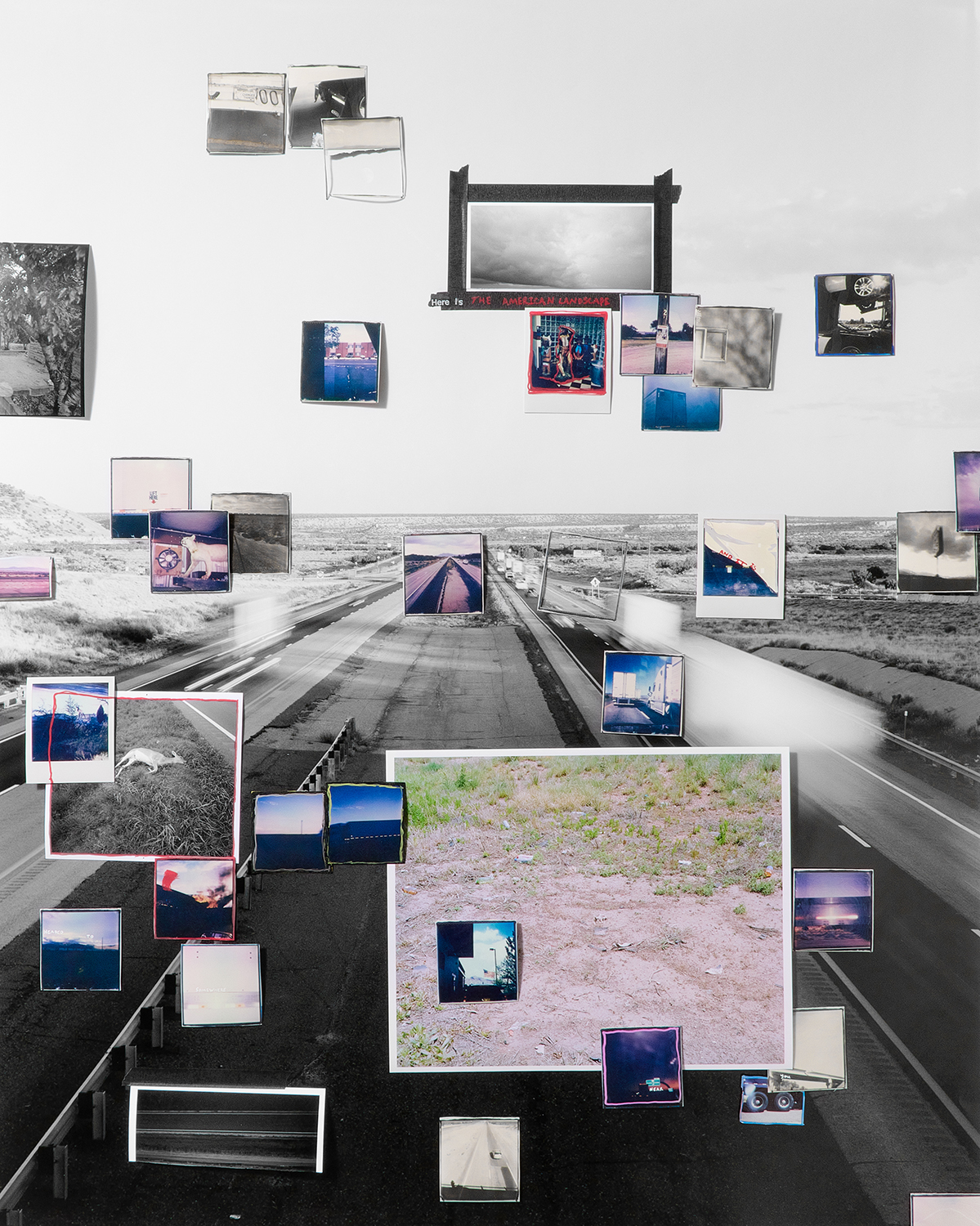
©Zachary Begler, Current Student
Do you specialize in a particular area (i.e. documentary, experimental, environmental work)? And once in the program, is a student able to shift their focus if their creative interests change?
We do not specialize in a particular area. We have a long history of supporting graduate students in incredibly diverse projects. Experimentation has always been a lynchpin of our program, and we encourage students to be nimble thinkers and makers.
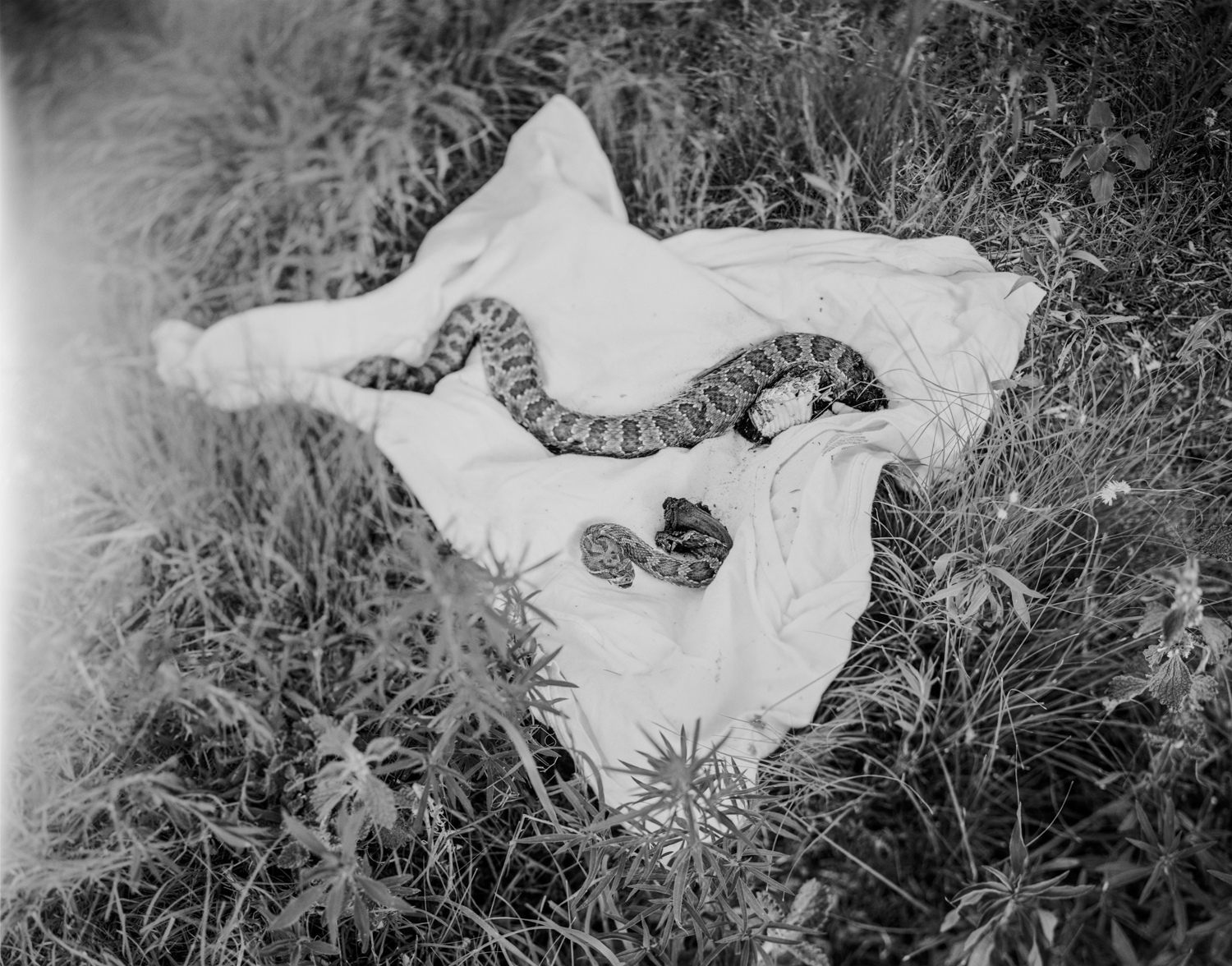
©Rachel Jump, Current Student
How structured is the curriculum? Are there required courses, or is it more self-directed?
Our MFA program normally comprises three years. In their first year, students are introduced to faculty across the department and have a public review of their work led by a group of faculty. Candidates choose a committee of faculty in their second year. A qualifying exam, in the second year of the program, takes the form of a significant academic paper and a studio critique with the student’s committee. The third year is focused on proposing, and then executing, a thesis project.
A graduate seminar in photography grounds our MFA program every semester, which is taught by each of the faculty in rotation. This is a studio critique seminar intended to support and nurture each student’s individual studio practice, and to hone language in support of work in progress.
The curriculum has both structure and significant looseness built into it. There are several required seminar courses within Art Studio, and required credit hours to complete in Art History. Students have extensive options for electives. Many students enroll in self-directed tutorials with individual faculty members, take seminars focusing on other studio media, and take courses across the UNM campus that support their studio interests.
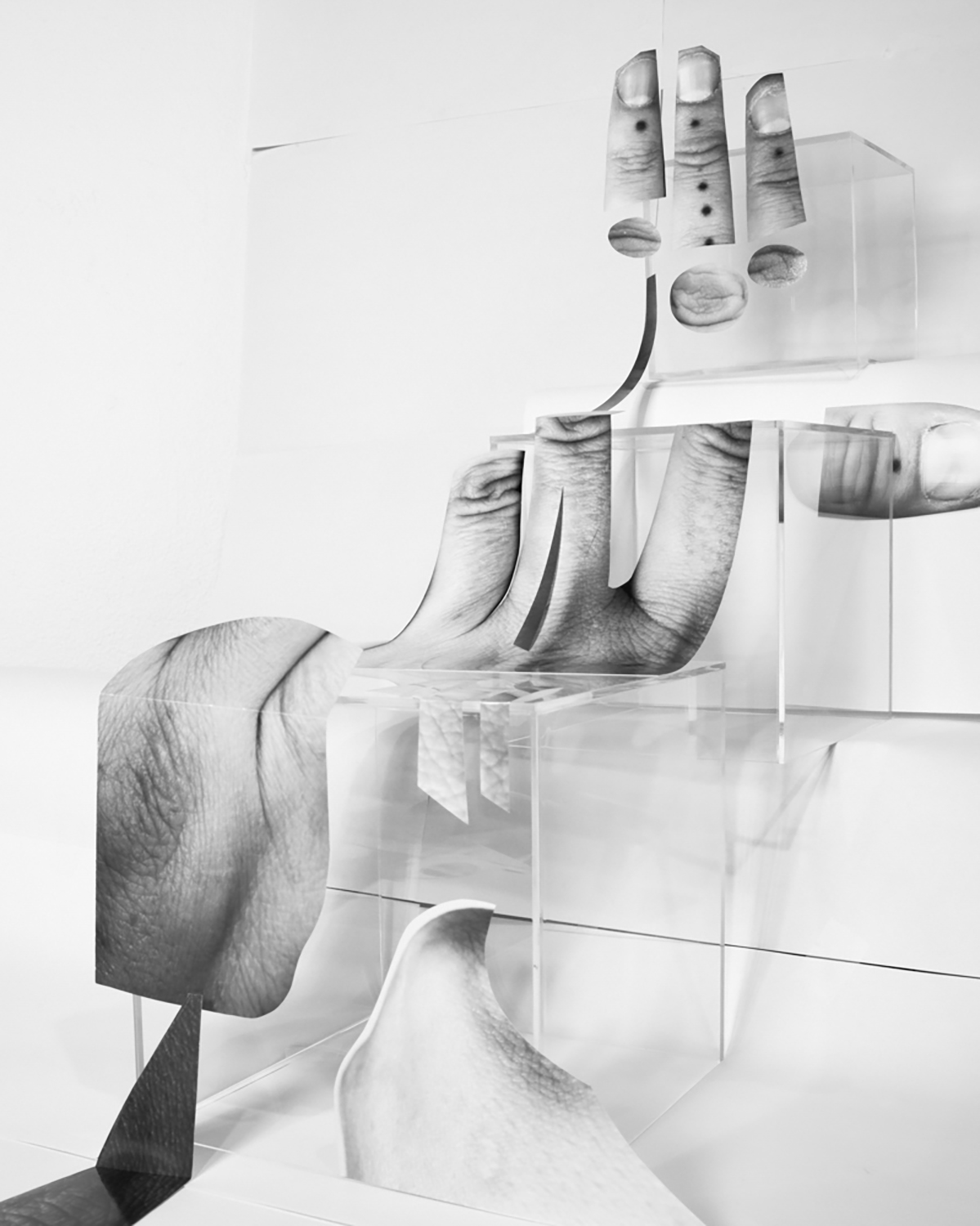
©Hayley Krichels, Current Student
Does the program incorporate video work or emerging media such as AI, VR/AR, or 3D/360 imaging?
Students interested in incorporating video and emerging media into their practices are supported by the faculty in our Experimental Art & Technology (EAT) area, and the resources of the ARTSLab (https://artslab.unm.edu/), including a CNC router, laser cutter, photogrammetry station, 3D scanner and printers, risograph printer, and a VR/AR hub.
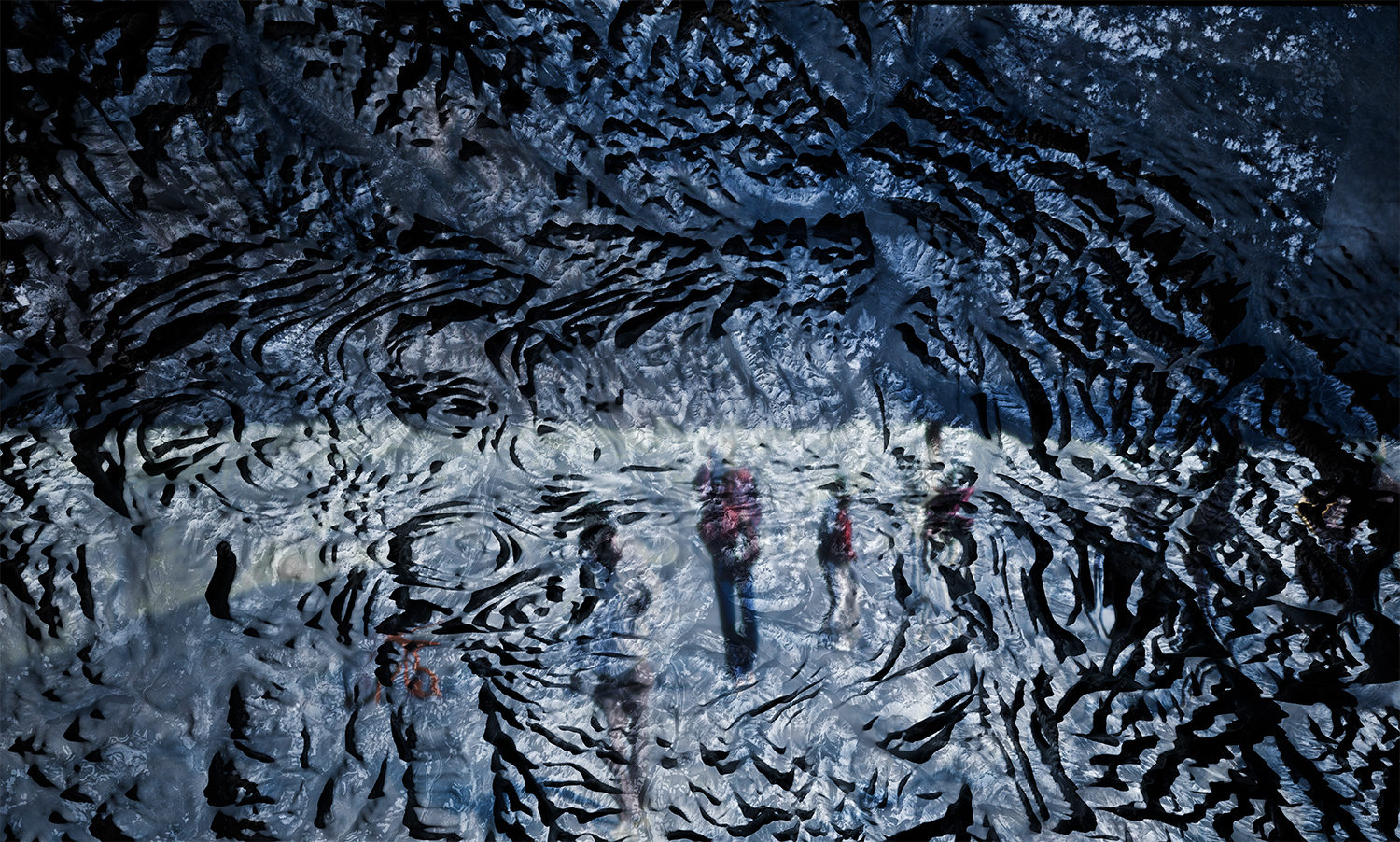
©Benjamin Cardillo, Current Student
Does the program offer career development support, such as portfolio reviews, workshop/conference attendance, or networking opportunities?
There are many opportunities for career development support throughout the program, and students are closely mentored by the faculty—before graduation and well after. Students often volunteer at and participate in Review Santa Fe’s annual portfolio reviews. Most graduate students attend the Society of Photographic Education’s annual national conference; some support is available for conference travel. Students are encouraged to submit to speaking and portfolio review opportunities at this and other conferences every year.
What are key graduation requirements (exhibition, thesis paper, portfolio, etc.)?
The requirements for graduation are an exhibition, a public talk, and a printed catalog. The exhibition is a solo exhibition that each student organizes in their third year. The exhibition can take place on campus or off campus at local galleries.
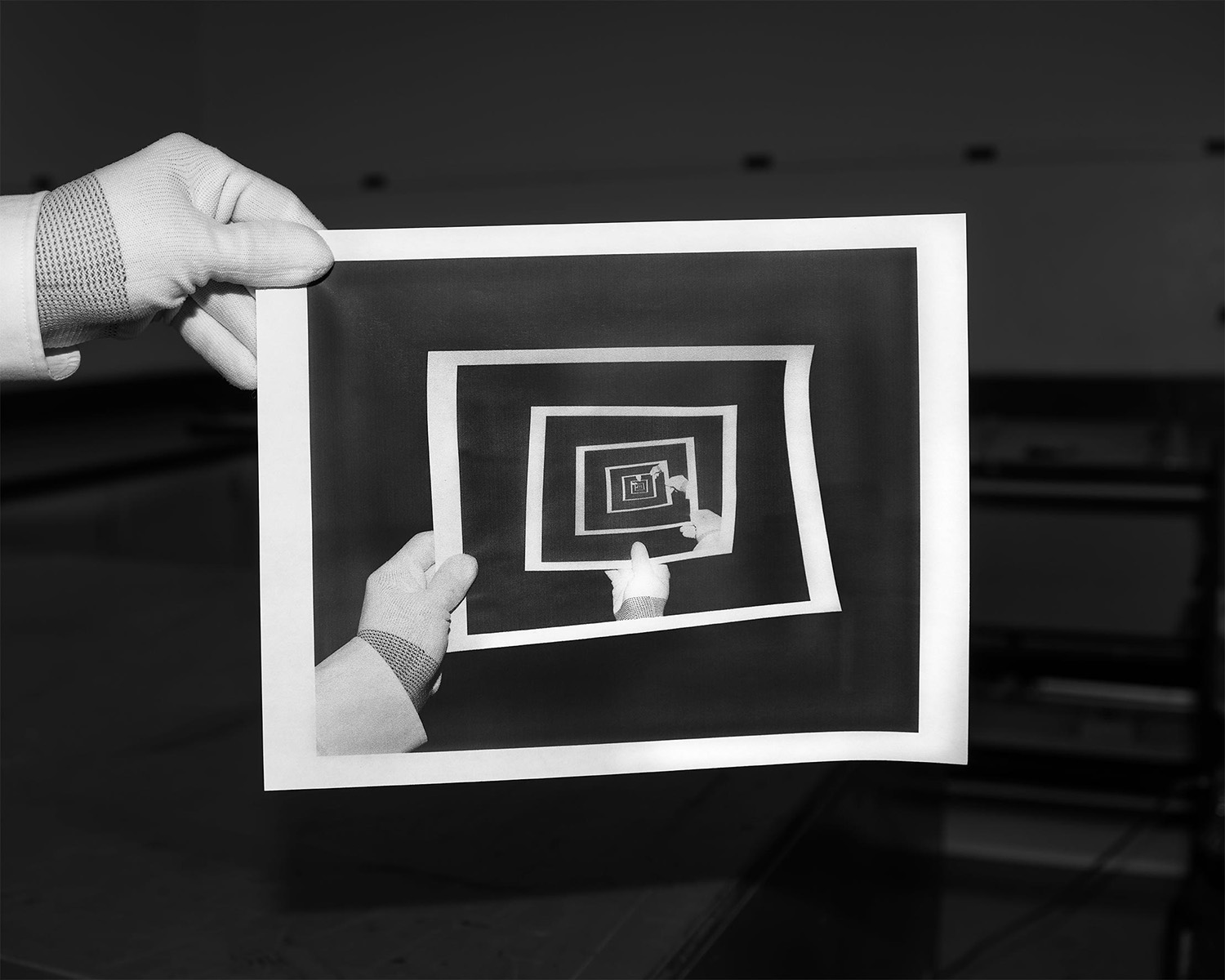
©Muer Tie, Current Student
Who are your current faculty members? What are their areas of creative interest?
We have four full-time tenured or tenure track professors in photography and at least one art historian with a specialization in the history of photography.
Jim Stone came to UNM in 1999. He turned to photography while studying engineering at MIT. His photographs mostly represent people, and occasionally places, that attest to the individuality and variety of human behavior. That individuality is defined and revealed more by unnecessary activities than by our more fundamental needs for food, shelter, and procreation.
Patrick Manning has been at UNM since 2006. Born in Seattle, WA, he received degrees in photography and archeology from the University of Washington and his MFA from the University of New Mexico before going on to teach as a professor at the Herron School of Art in Indianapolis. His photographic, digital, and video work invokes loss to explore the intersection of representation, language, and history.
Meg Gould came to UNM in 2012. She received an MFA from the University of Massachusetts – Dartmouth, and a BA from the University of North Carolina at Chapel Hill. Her multifaceted practice uses photography, writing, drawing, sculpture, and installation in an open-ended dissection of vision and photographic tools.
Sara Abbaspour has been at UNM since 2023. She holds an MFA in Photography from Yale School of Art, an MA in Photography from the University of Tehran, and a B.Sc. in Urban Planning and Design from Ferdowsi University of Mashhad. She has reflected photographically on the urban public sphere versus private realms and interiors versus exteriors as mental spaces. Exploring the notion of psychogeography, her work exists in between the imagined and the experienced in the current socio-political climate.
We take pride in the diversity of our faculty work, and we do not choose graduate students based on our own research interests.
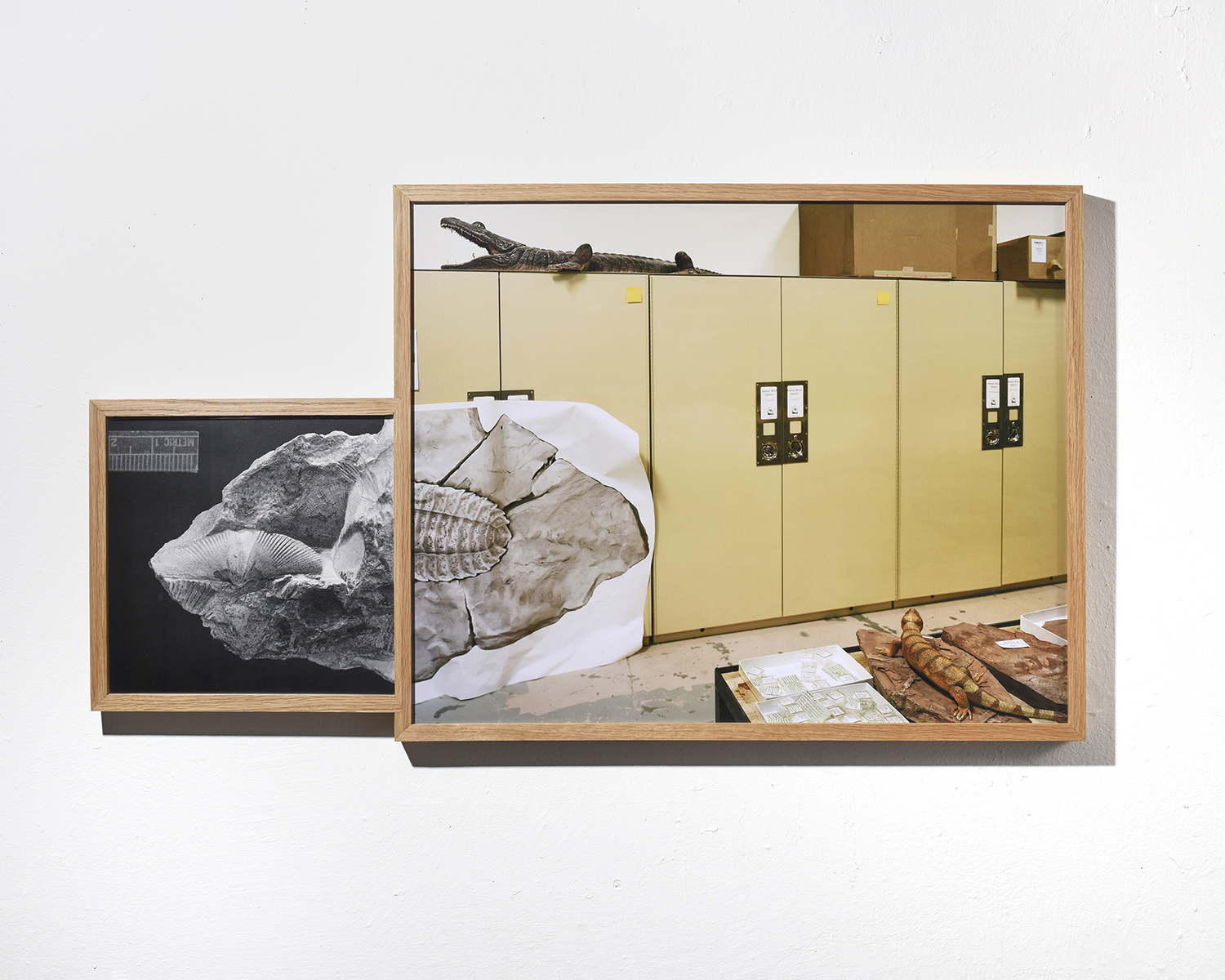
©Emma Ressel, Alum
Are faculty members primarily full-time or adjunct?
Our faculty members are primarily full-time. A few of our undergraduate classes are taught by adjunct faculty but we intentionally do not have long-term adjuncts.
How involved are faculty in mentoring students beyond coursework?
Mentoring students is a significant, and beloved, part of the faculty experience here, across disciplines. Graduate students are encouraged to have regular studio visits with faculty in photo as well as in other areas.
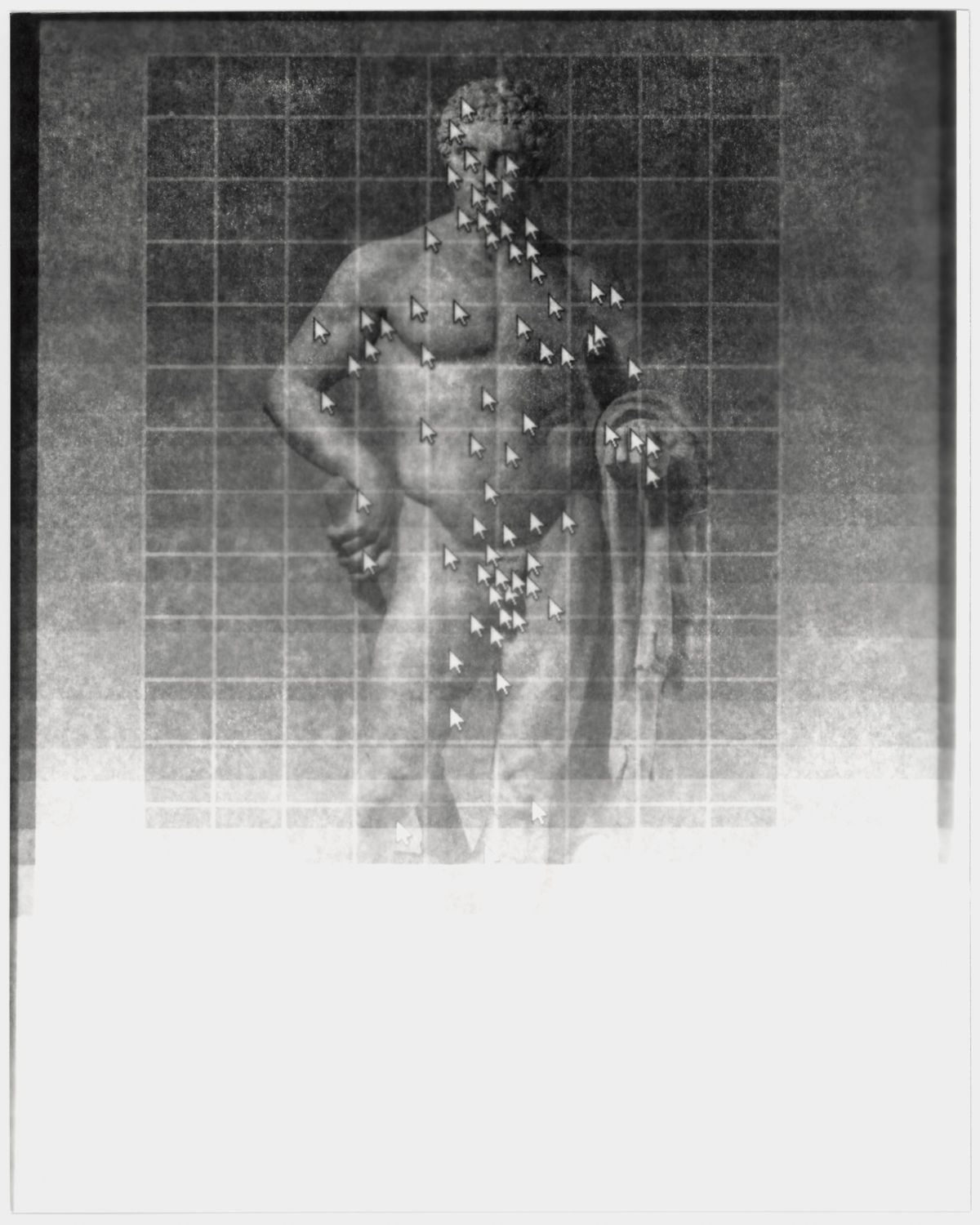
©Nicholas Clifford Simko, Alum
How often do guest artists, curators, or critics visit for lectures and/or critiques?
There are guest artist lectures regularly throughout the year, both on-campus and off-campus. The Art Department hosts the Gale Memorial Lecture Series every year, and faculty will propose themes to structure each year’s series. Our proximity to Santa Fe means that we are often able to host artists, critics, and curators who are in the region and happy to come through for studio visits and class conversations as well.
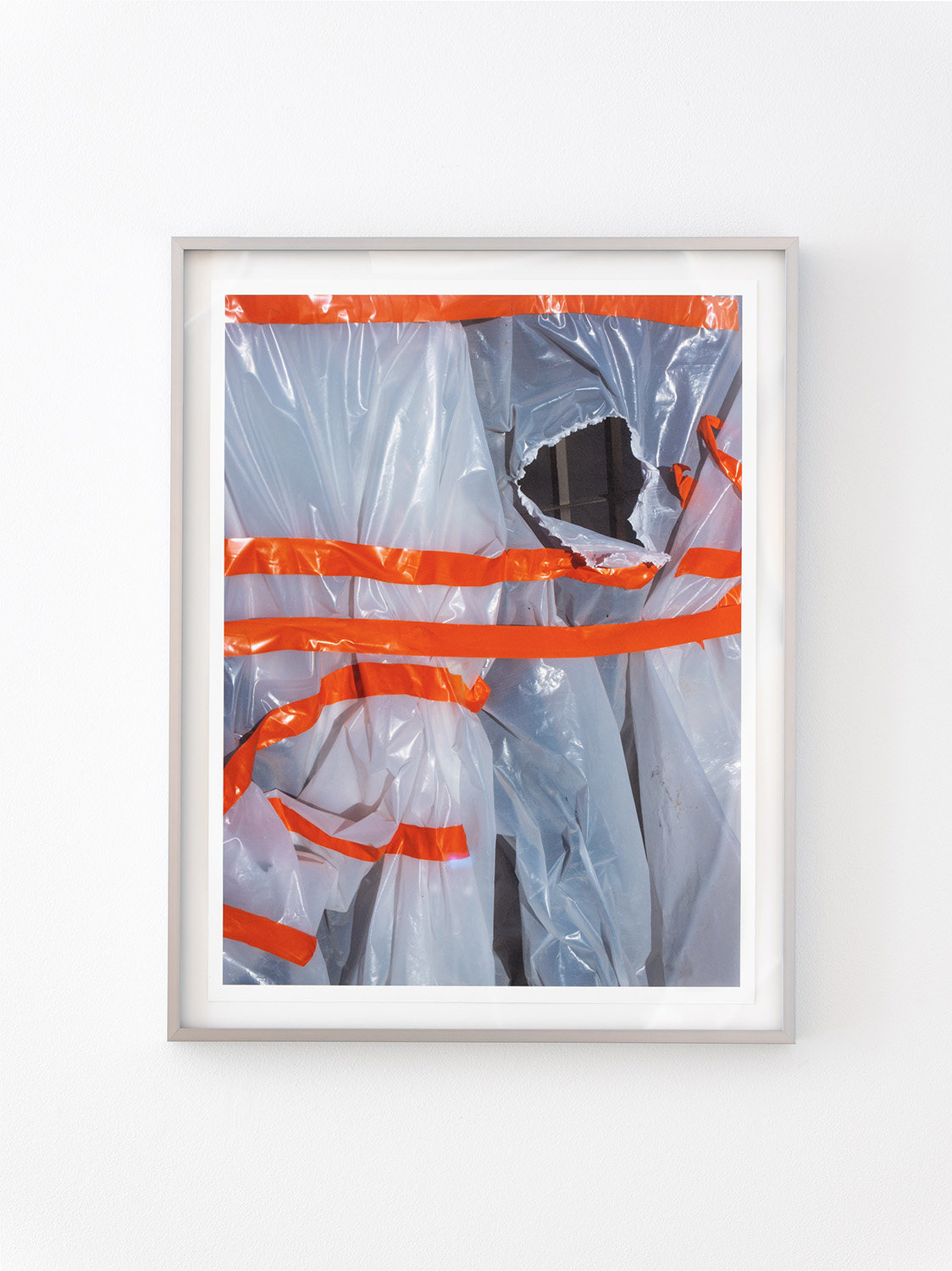
©Frank Reynolds, Alum
How many students are admitted each year, and how many are photography focused?
Our graduate program in photography is limited to 15 students across three years; that number allows us to provide a private studio space for each. There are usually approximately 50 MFA students in all art studio areas at any given time.
What is the approximate cohort size, and what effect does this have on critiques, collaboration, and networking?
The cohort size in photography is usually 3-5 students, with a total of 12-15 students at any point, across the three years. This size allows us to balance individual faculty attention with a robust peer group. Our Photography Seminar course, offered every semester, is taken by all first- and second-year students—the group of 8-10 students allows for a healthy group dynamic in studio critiques. Cohorts tend to collaborate extensively, with self-organized group exhibitions and field trips, and networking for life.
One recent alum, claudia hermano (MFA 2024), wrote: “The people make it special, the social culture is one of support and camaraderie. You are making art along people who want you to succeed and want to be honest.
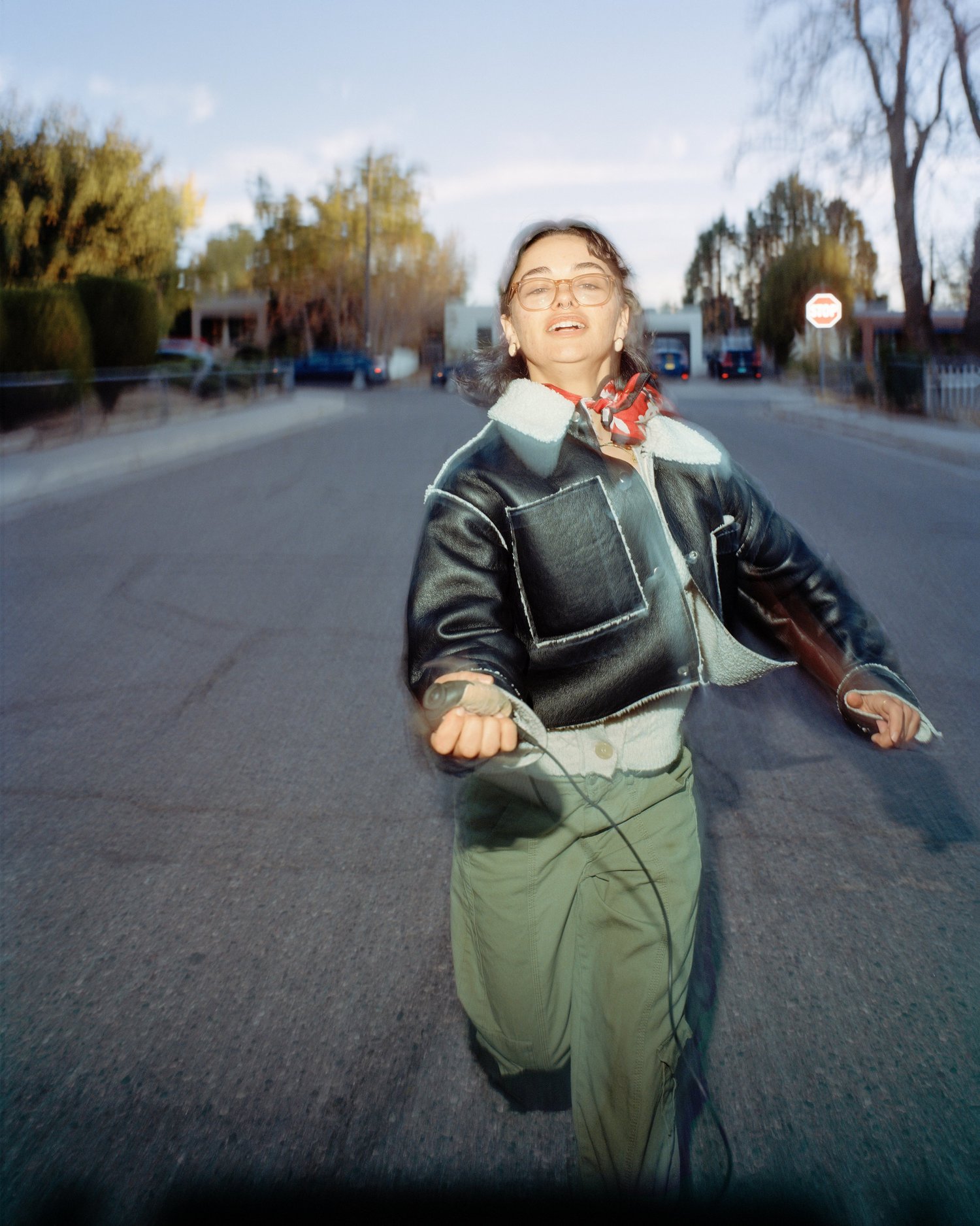
©Kenton Bueche, Alum
What kind of work are current students creating?
Delightfully and appropriately all over the place! Our current students are: making and rephotographing intricate collage work in their studio; photographing vestiges of colonial power in the American West; researching and making studio still life work about the history of the fortune cookie; diving into archival histories of invasive plants and the scientists who discovered them; exploring the lyrical and intimate beauty of domestic confines; making pinhole cameras out of tree stumps on the banks of the Rio Grande river; merging vernacular slide imagery with seismological and topographic data. Again, we feel strongly that our students should be making the work that they need to make; the faculty will not push them to engage in a certain kind of work—we are here to support our MFA students in their very diverse (conceptually and materially) explorations.
Our department web site provides examples of current graduate student work as well as a list of photo alumni going back to the 1960s.
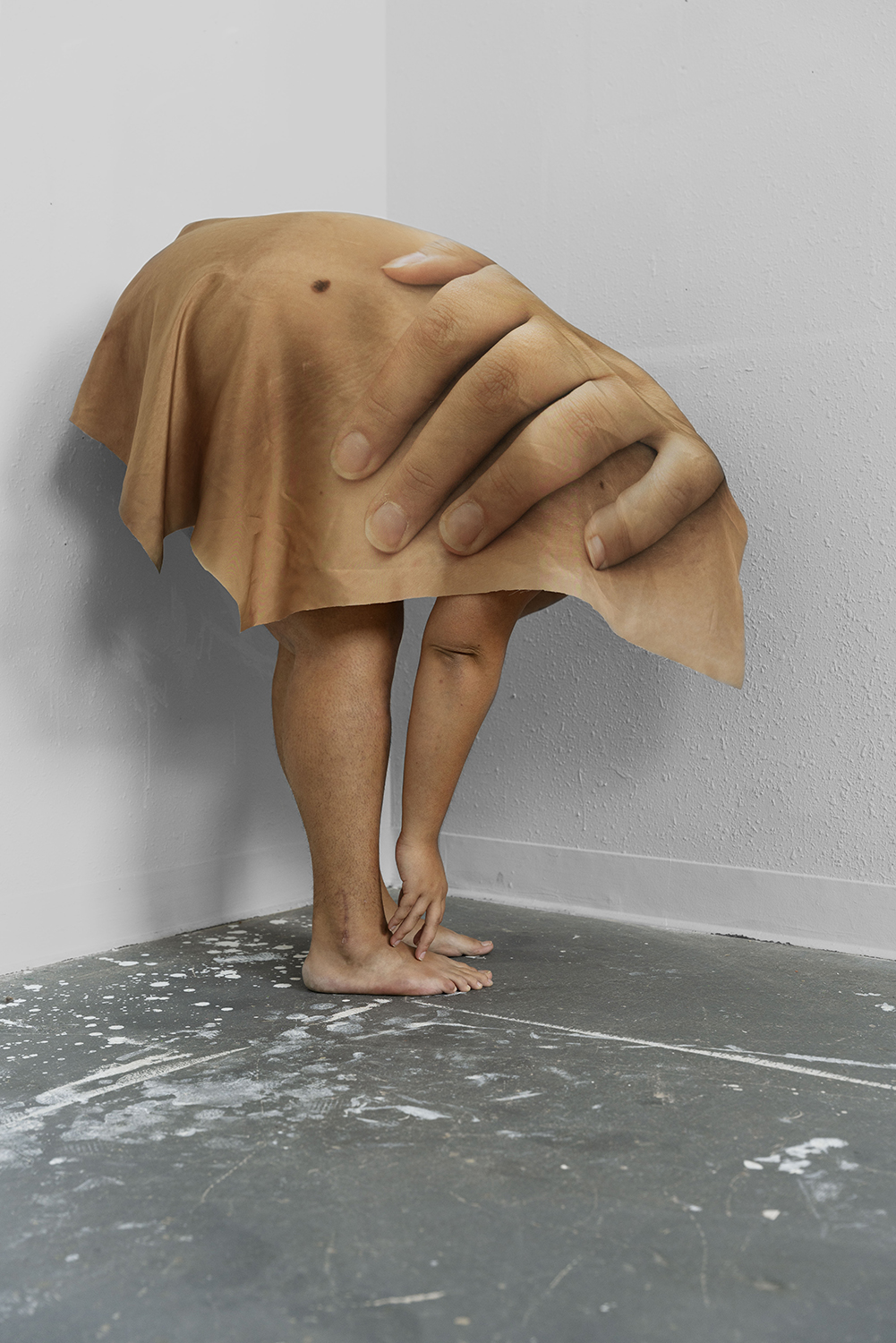
©Claudia Hermano, Alum
What is the total cost of the program (and duration), and what funding options are available?
The three-year program is almost entirely covered by scholarships and assistantships. Most of our graduate students receive teaching assistantships, although there are often other available graduate assistantships as well (curating our campus galleries, working at ARTSLab or directly with a faculty member).
Are there teaching assistantships, and what percentage of tuition do they cover?
We provide at least five teaching assistantships over six semesters. Assistantships cover 6 credit hours (out of 9 in a typical semester), health insurance, and pay a monthly stipend.
Mentoring MFA students in their teaching is an important part of our program. Our TAs are the instructors for most of our introductory courses. We ask our students to “shadow” a TA before being instructor-of-record for an undergraduate class. We have regular seminar-like meetings with the TAs to discuss pedagogical issues and to support their teaching.
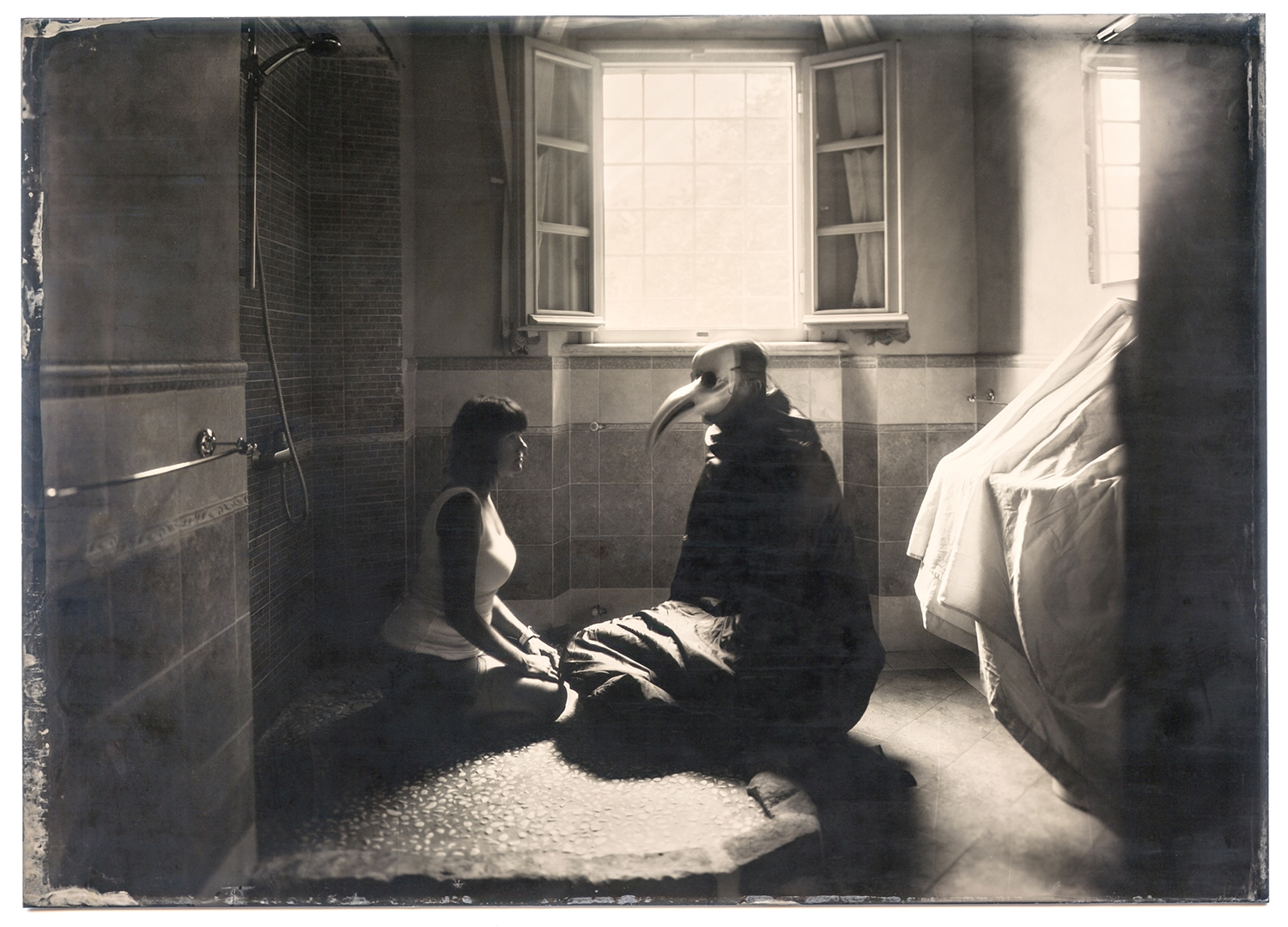
©Abbey Hepner, Alum
Are additional grants/resources available to support student projects?
Scholarships and fellowships support our students every semester. There are many annual scholarships within the Art Department that are dedicated to MFA students, and further scholarship opportunities administered by the College of Fine Arts and UNM’s Graduate Studies. The Graduate and Professional Student Association (GPSA) administers a number of travel and project grants that MFA students regularly receive, as well as other competitive opportunities around campus to support work in progress and dissertation completion.
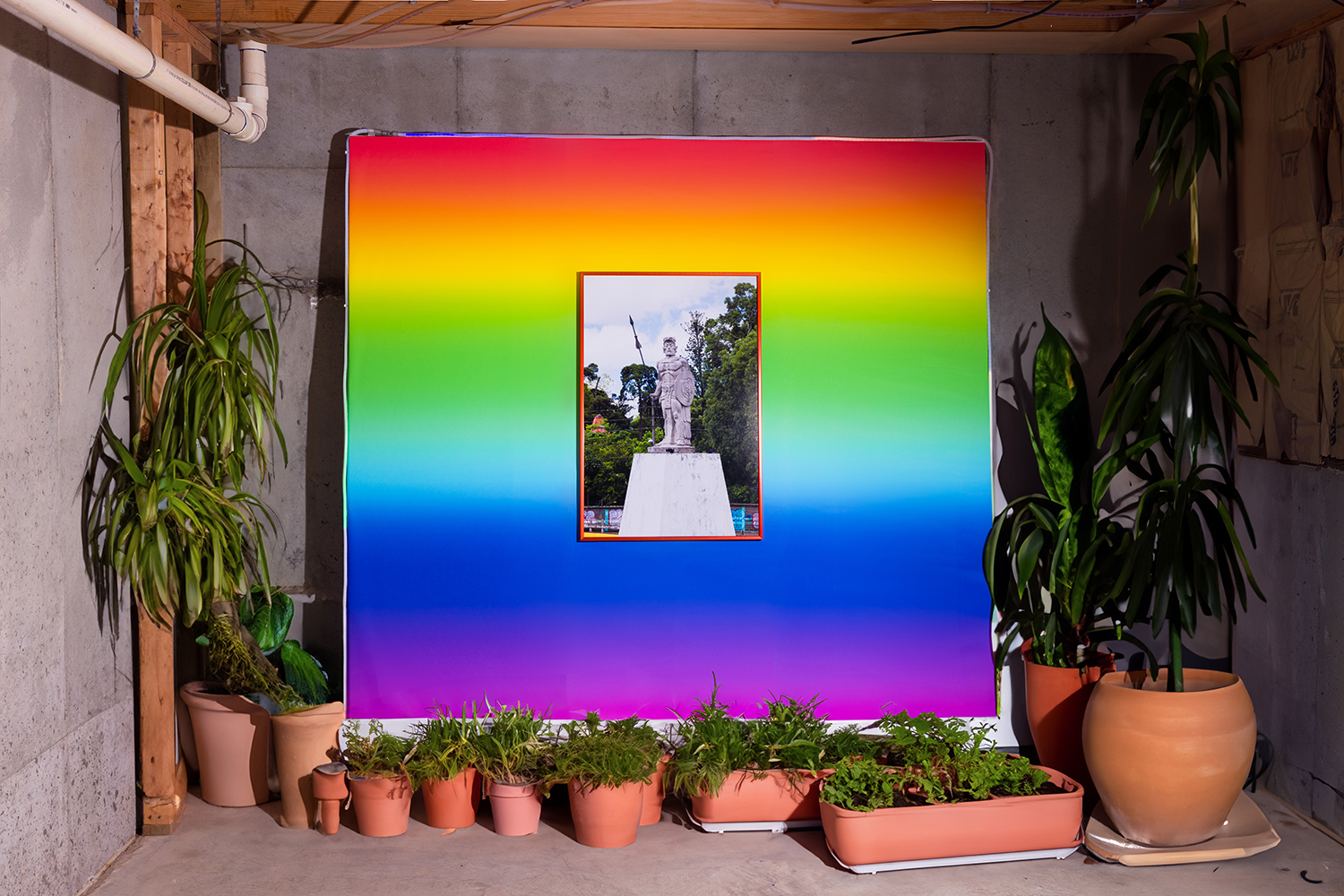
©Martin Wannam, Alum
What types of careers do alumni pursue, and how does the program support students after graduation?
Our graduates stay in close touch with the community and with their faculty mentors. Many become members of the Society for Photographic Education (SPE) and see us and each other at annual conferences.
We feel it is important to prepare well those who want to become educators, although our program is focused on our students as artists. A very high percentage of our graduates have received academic appointments—the sustained teaching experience from assistantships throughout the program gives students substantial time in the classroom that prepares them well for futures as practicing artists and educators. Alumni have pursued diverse career paths across the arts world, including in curatorial positions and nonprofit administration.
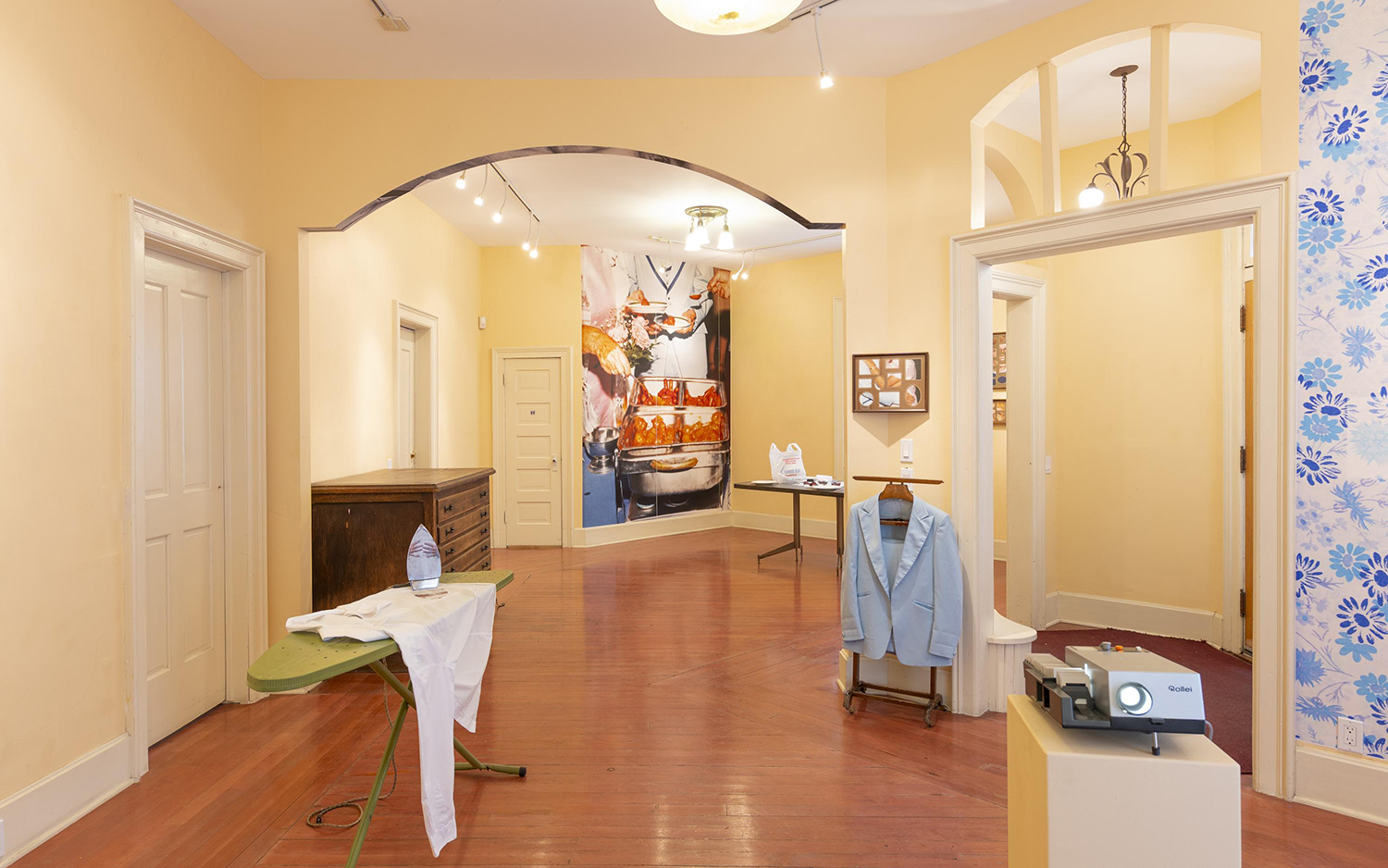
©Chloe Dichter, Alum
How connected is the alumni network, and do graduates stay involved with the program?
Alumni maintain peer critique groups and tend to remain close. Alumni gatherings happen annually at SPE conferences. Faculty teaching the photo seminar course will often invite groups of alumni, virtually or in-person, to join for a class session, facilitating connections between alumni and current students.
I will wrap up with the words of Frank Reynolds (MFA 2024): You’re in the desert with a dozen fellow photographers who have chosen to support each other’s practices and want to take your work seriously—it’s a retreat you can use to break new ground over the course of three intense years. You have a studio to yourself, approachable faculty, and a thoughtfully structured progression through a program that builds you up as an artist. This seriousness and spaciousness makes it possible to access those quieter, deeper currents of creativity you were missing before.

©Andre Ramos-Woodard, Alum
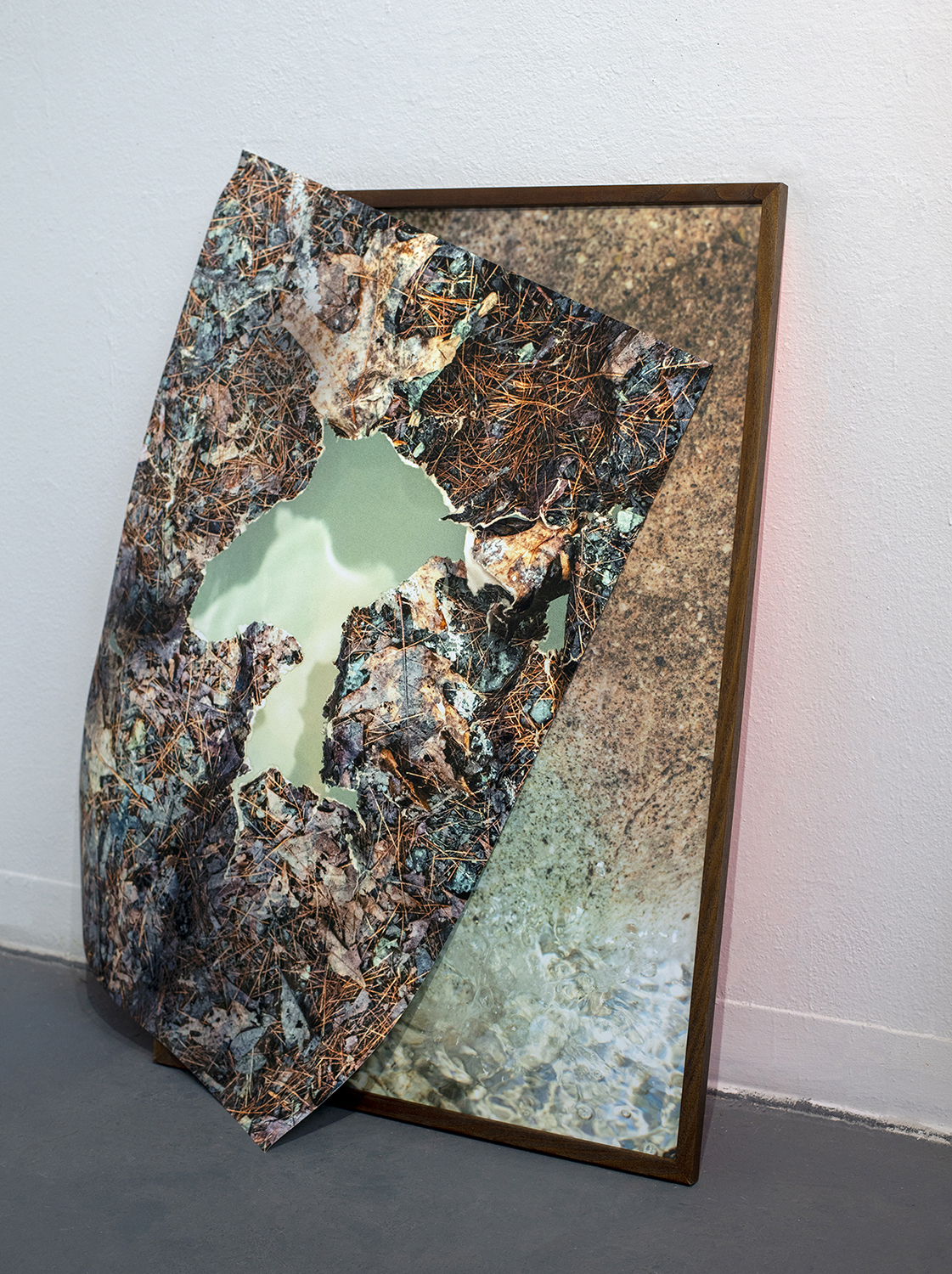
©Anna Rotty, Alum
Posts on Lenscratch may not be reproduced without the permission of the Lenscratch staff and the photographer.
Recommended
-
In Focus: The MFA Review: University of New MexicoNovember 23rd, 2026
-
In Focus: The MFA Review: University of South FloridaAugust 29th, 2026
-
In Focus: The MFA Review: Iowa State UniversityAugust 28th, 2026
-

In Focus: The MFA Review: University of HoustonAugust 27th, 2026
-
In Focus: The MFA Review: East Carolina UniversityAugust 26th, 2026