In Focus: The MFA Review: University of Kentucky
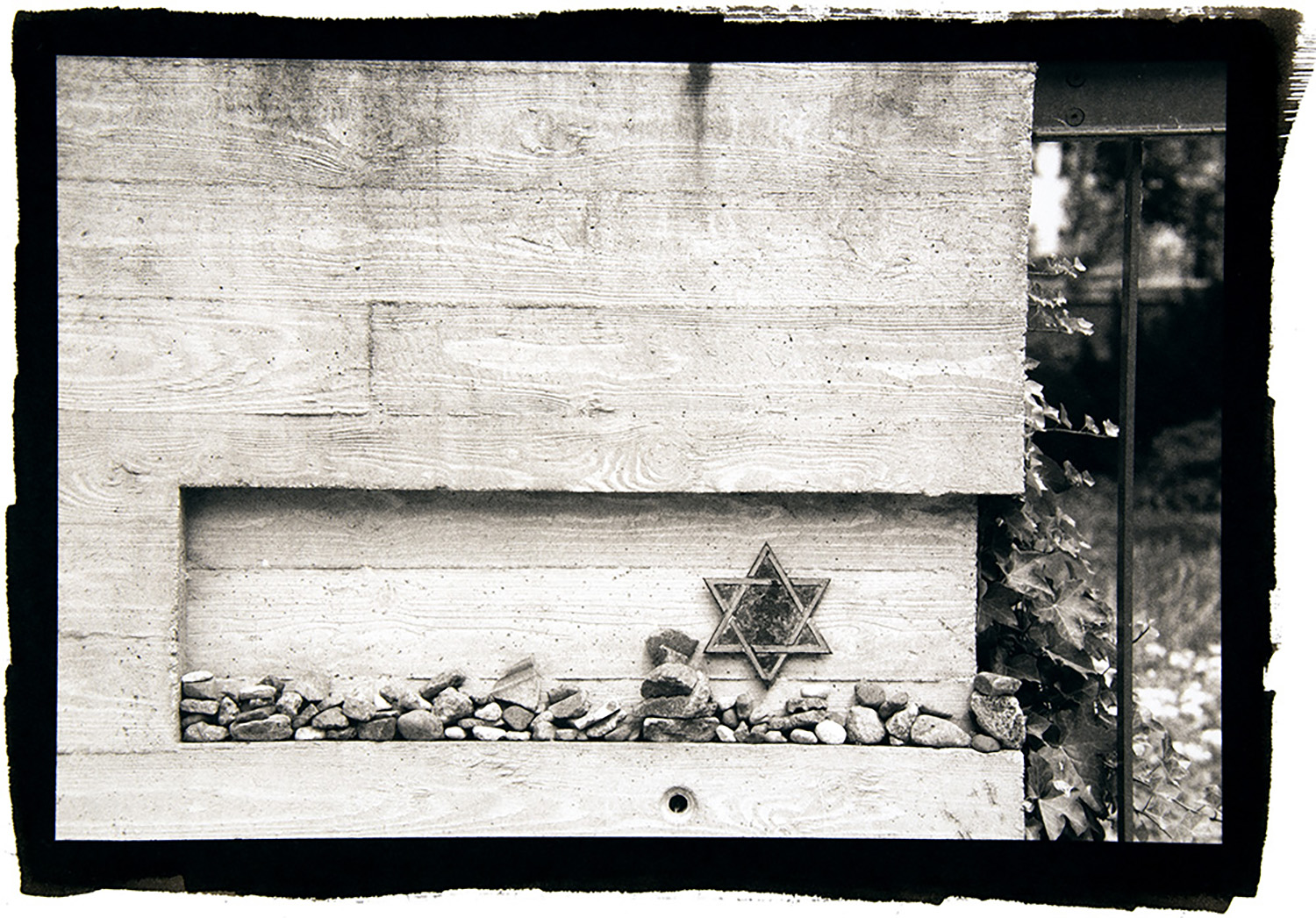
©Ruth Adams, Faculty
Each installment of In Focus: The MFA Review highlights a different MFA program for photographic artists, offering readers a concise overview of its identity, curriculum, faculty, student experience, financial support, and post-graduation outcomes. It also serves as a showcase of the creative work produced by faculty, students, and alumni. Rather than functioning as rankings or endorsements, these features are intended as practical starting points—tools to help prospective students compare programs, identify what matters most to them, and make more informed decisions about their graduate education. While certain details shared in these articles may change over time, my hope is that these program snapshots offer a clear sense of what each represents in the present moment.
Thank you to Rob Southard for completing this interview and compiling all the images/resources!
Institution name: University of Kentucky
Degree Title: MFA in Studio Art
Location: Lexington, KY
Link to Program Page: https://finearts.uky.edu/savs/degrees/art-studio-mfa
Link to Application Page: https://finearts.uky.edu/savs/graduate-admissions
Instagram: @uksavs
Additional Links: https://finearts.uky.edu/savs/photography-lecture-series
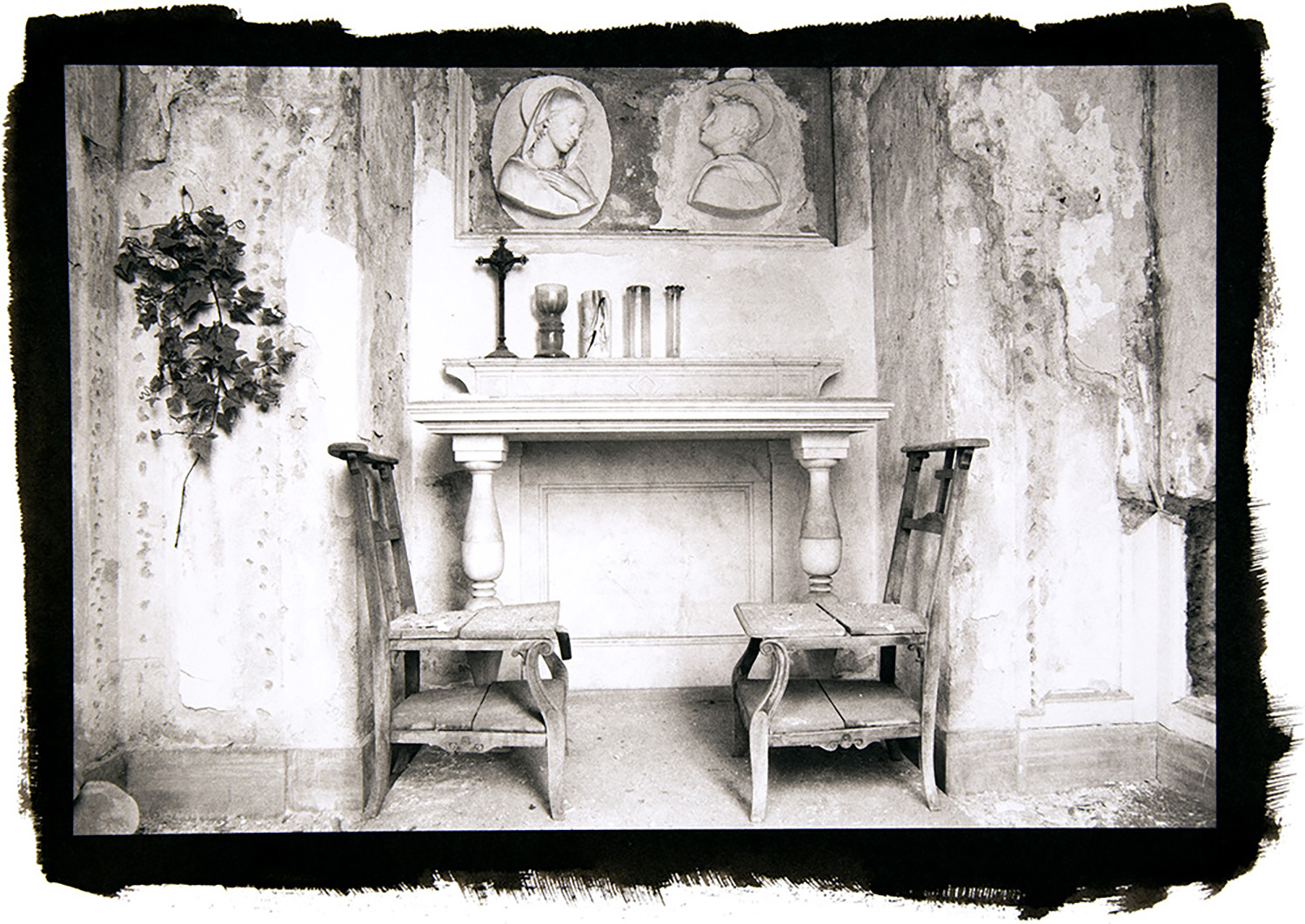
©Ruth Adams, Faculty
Tell us a little about your program. How would you define its scope and purpose?
We are a very interdisciplinary program that encourages students to work in a variety of media and approaches. Both conceptual rigor and mastery of craft are stressed over the course of our three-year program. Unlike many photography MFA programs, almost all of our students work in a wide-variety of media. This is not an ideal program for people who are only interested in photography and only want to work in photography – there are many wonderful programs that fit that need – the strength of this program lies in its ability to push students outside of their comfort zone and challenge them to think beyond prints on the wall.
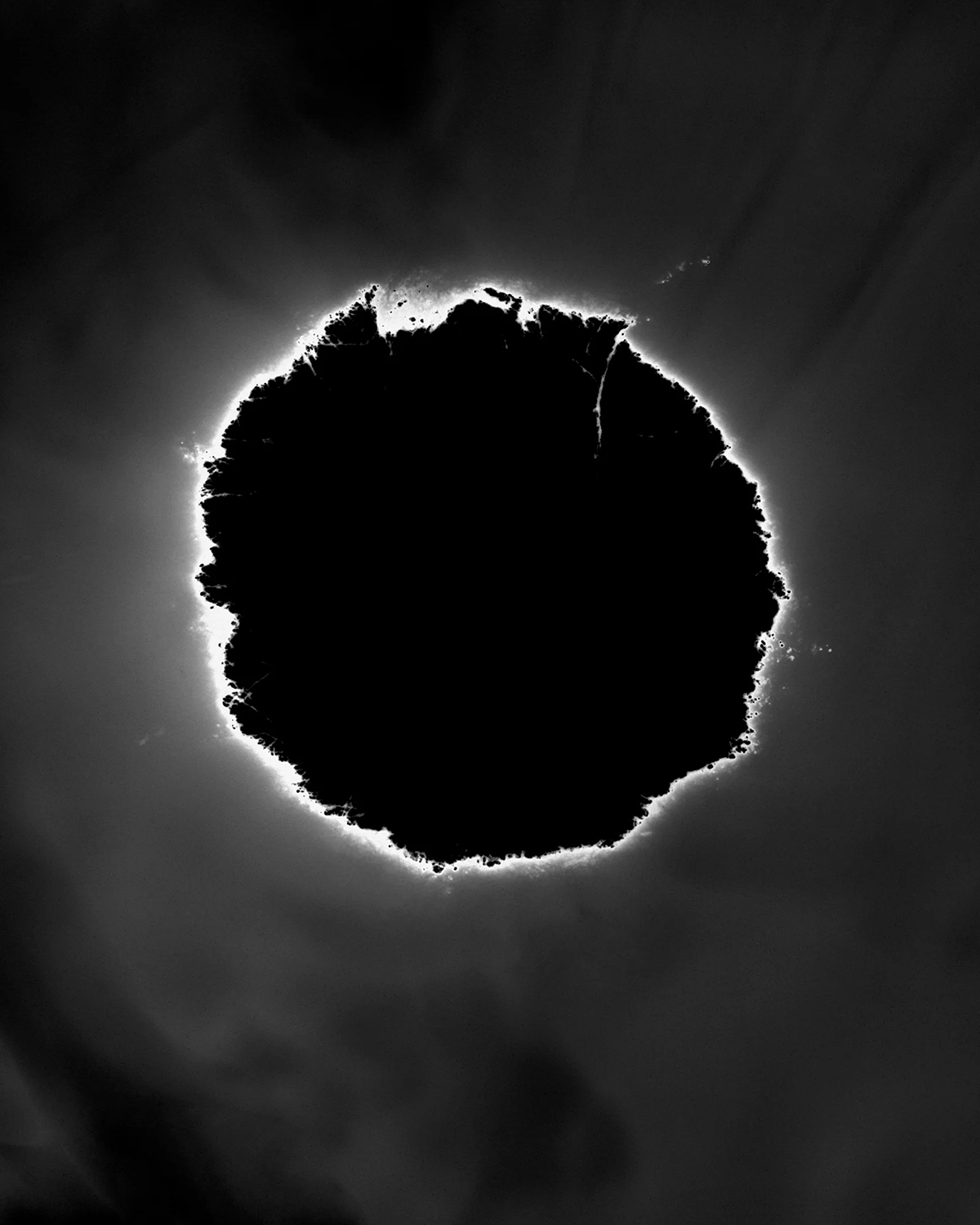
©Garrett Hansen, Faculty
What would you say makes your program special?
We are a small program that is best suited towards students who are interested in working with a variety of artists, not simply photographers. We have excellent facilities and an exceptional faculty who work collaboratively to ensure the success of our students. There are no “territories” here – our program is an MFA in studio art.
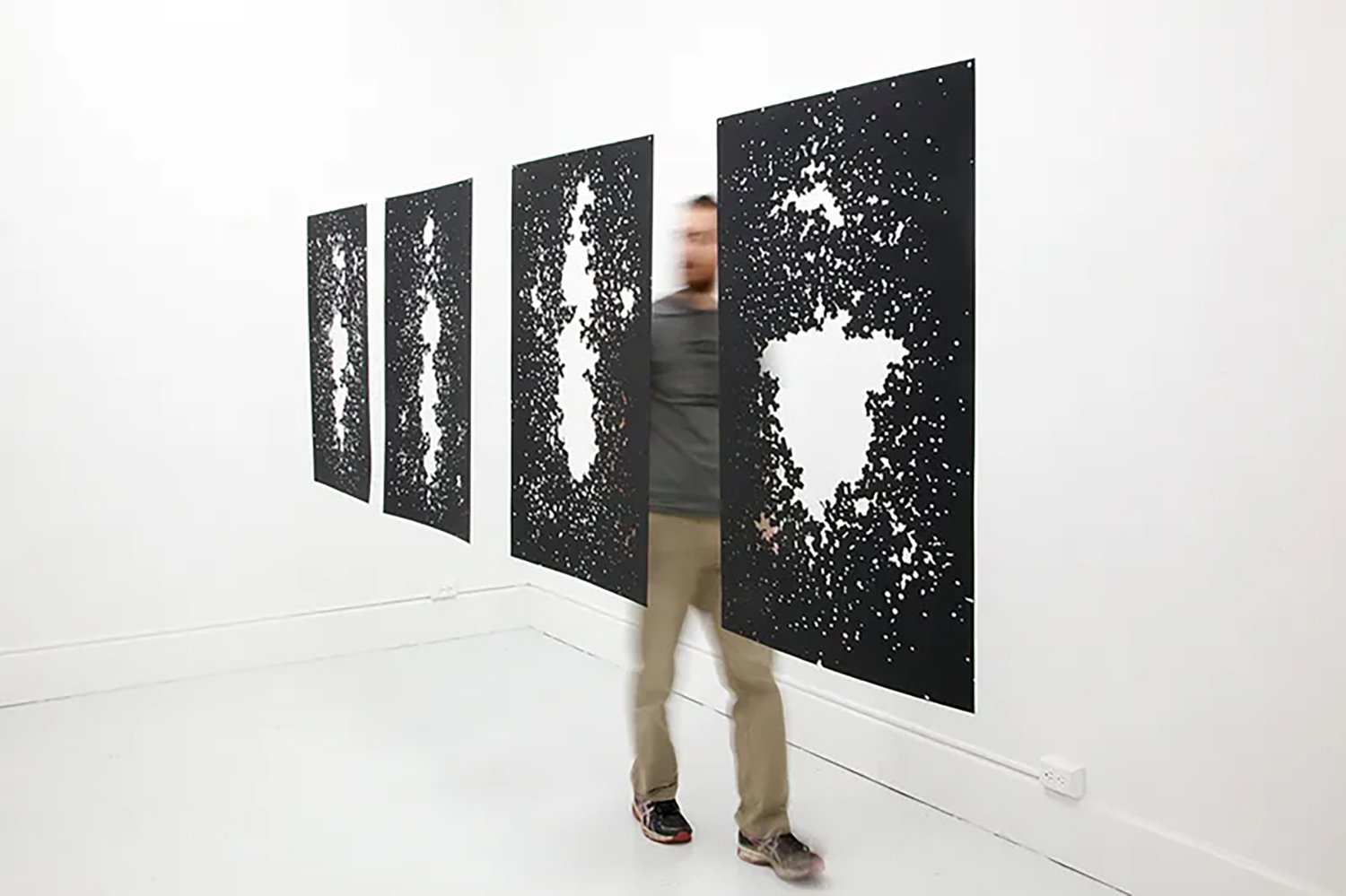
©Garrett Hansen, Faculty
What specialized facilities are available for student use (i.e. darkroom, lighting studio, print lab)?
We have both black & white and color gang darkrooms, individual black and white darkrooms, a full lighting studio, a dedicated alternative processes darkroom, and a digital scanning and printing lab. We also have a media center where cameras, lights, video equipment, etc. can be checked out. Students also have access to the rest of the school’s facilities including: digital fabrication, woodshop, foundry, ceramics, fibers, printmaking, and drawing/painting studios.
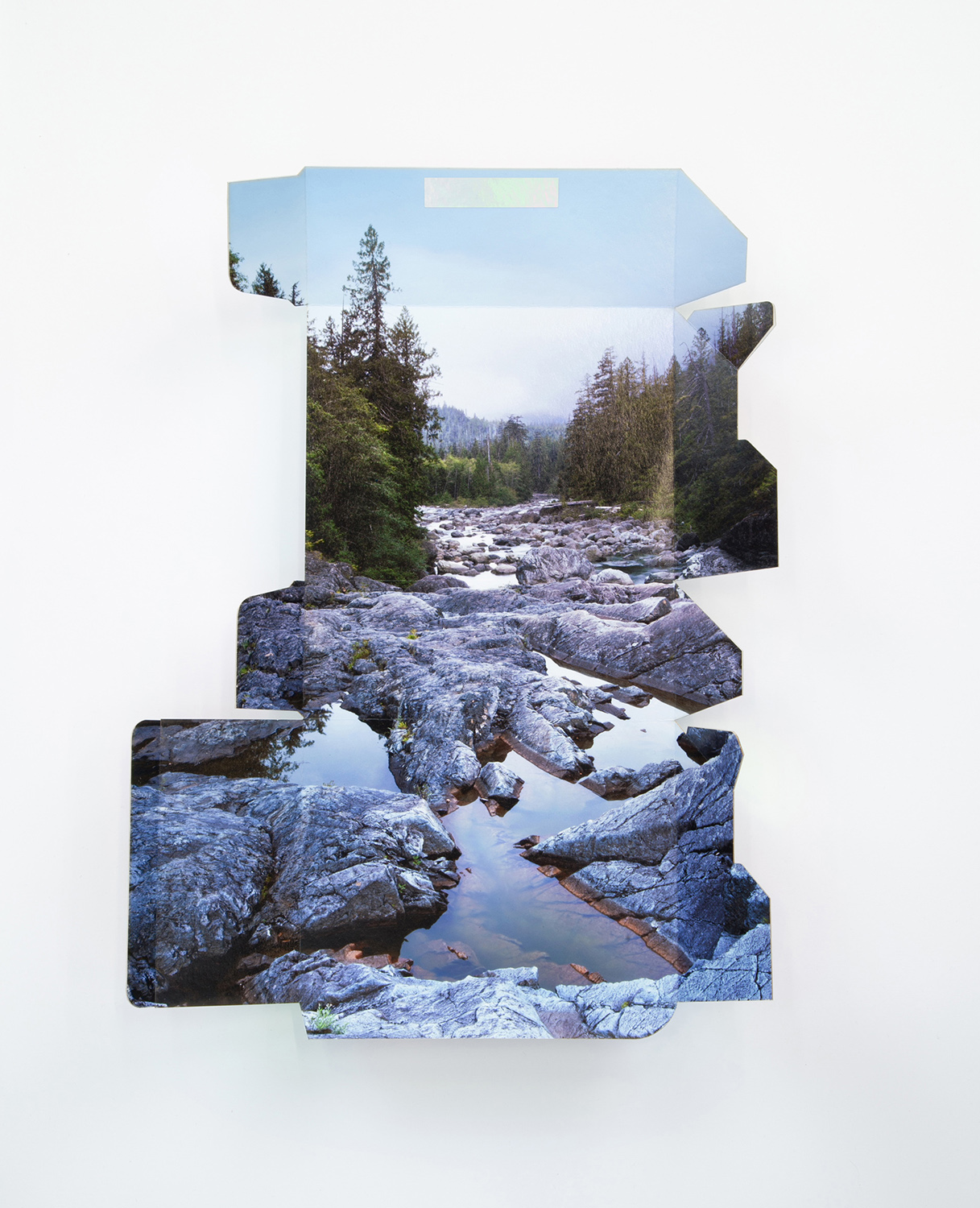
©Forest Kelley, Faculty
Is your program strictly photography-focused, or does it encourage/allow interdisciplinary work?
No. While we have students whose main focus is photography, most of our students work in multiple mediums. This is not a siloed program; it is truly multimedia.
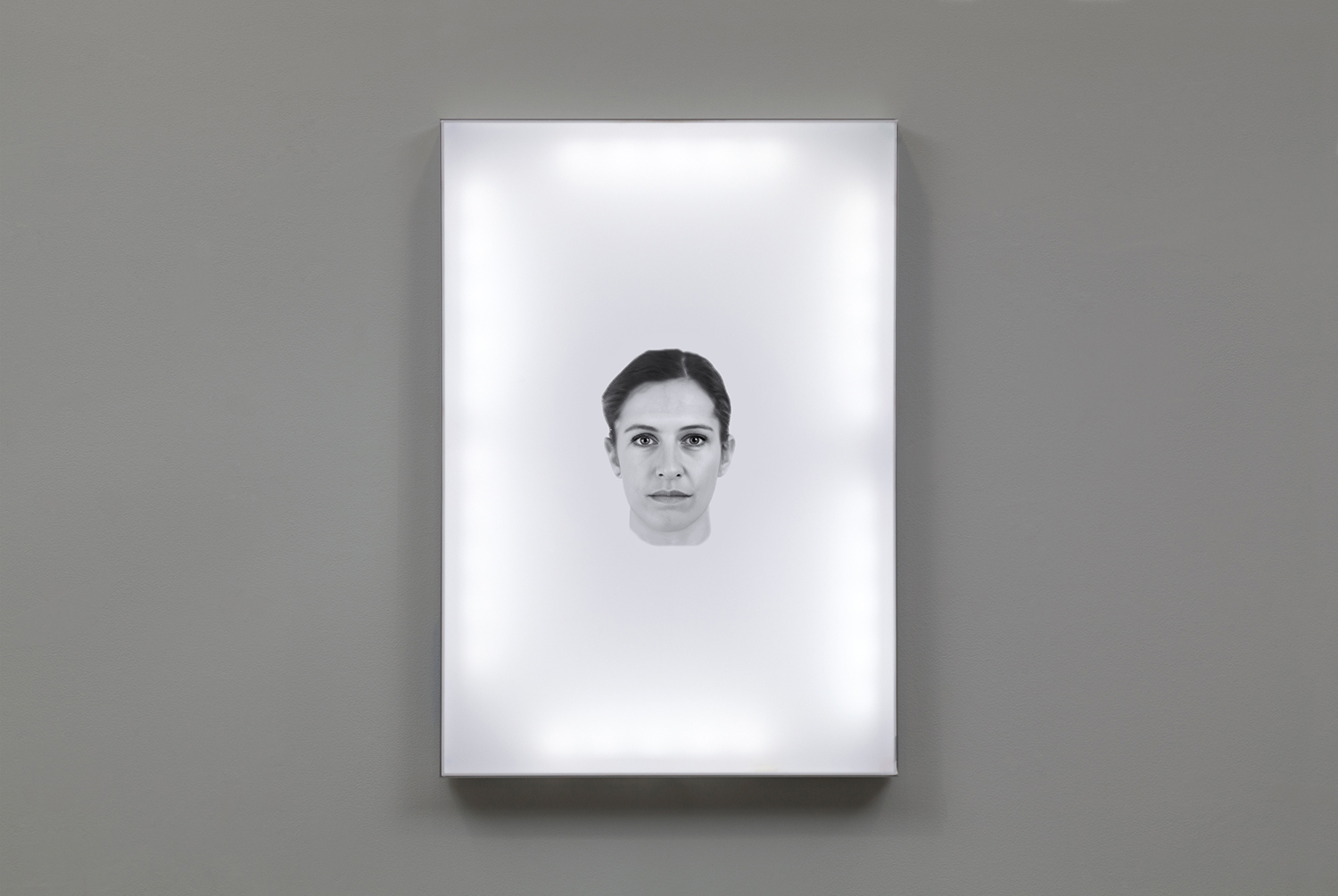
©Forest Kelley, Faculty
Do you specialize in a particular area (i.e. documentary, experimental, environmental work)? And once in the program, is a student able to shift their focus if their creative interests change?
We are very much a Fine Art program though we define that term broadly. Students tend to take the first year to experiment and try new approaches to their art making. The second year is a time to start clarifying conceptual concerns as well as material and aesthetic approaches. The third year is fully focused on the final thesis show. Rarely, if ever, does a student leave making work similar to the work they applied with.
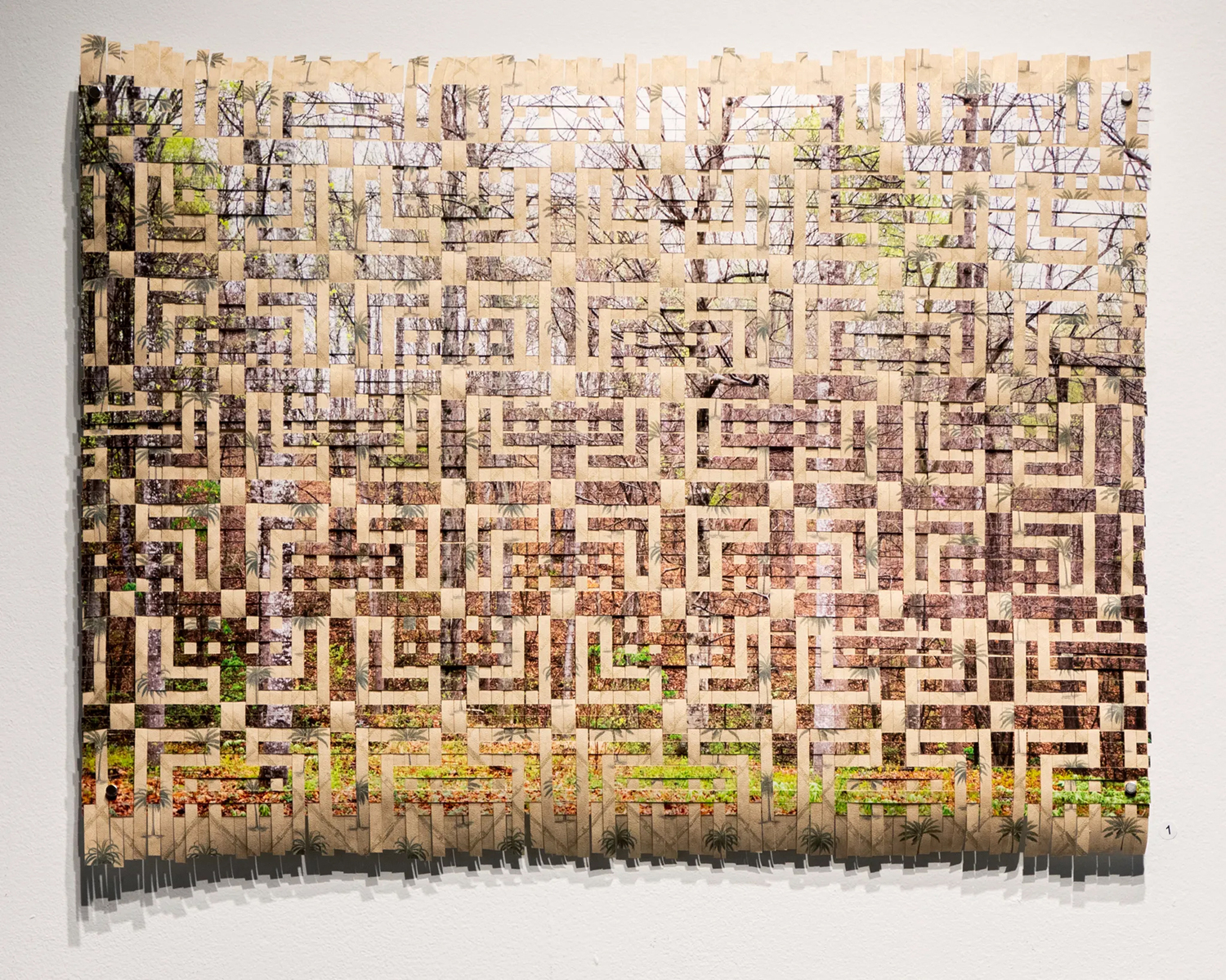
©Jesica Page Mead, Faculty
How structured is the curriculum? Are there required courses, or is it more self-directed?
There are a handful of required courses, including graduate seminar every fall, but the majority of credit hour are directed towards studio classes. Students also have the opportunity to take courses outside of the art school (though this is not required.)
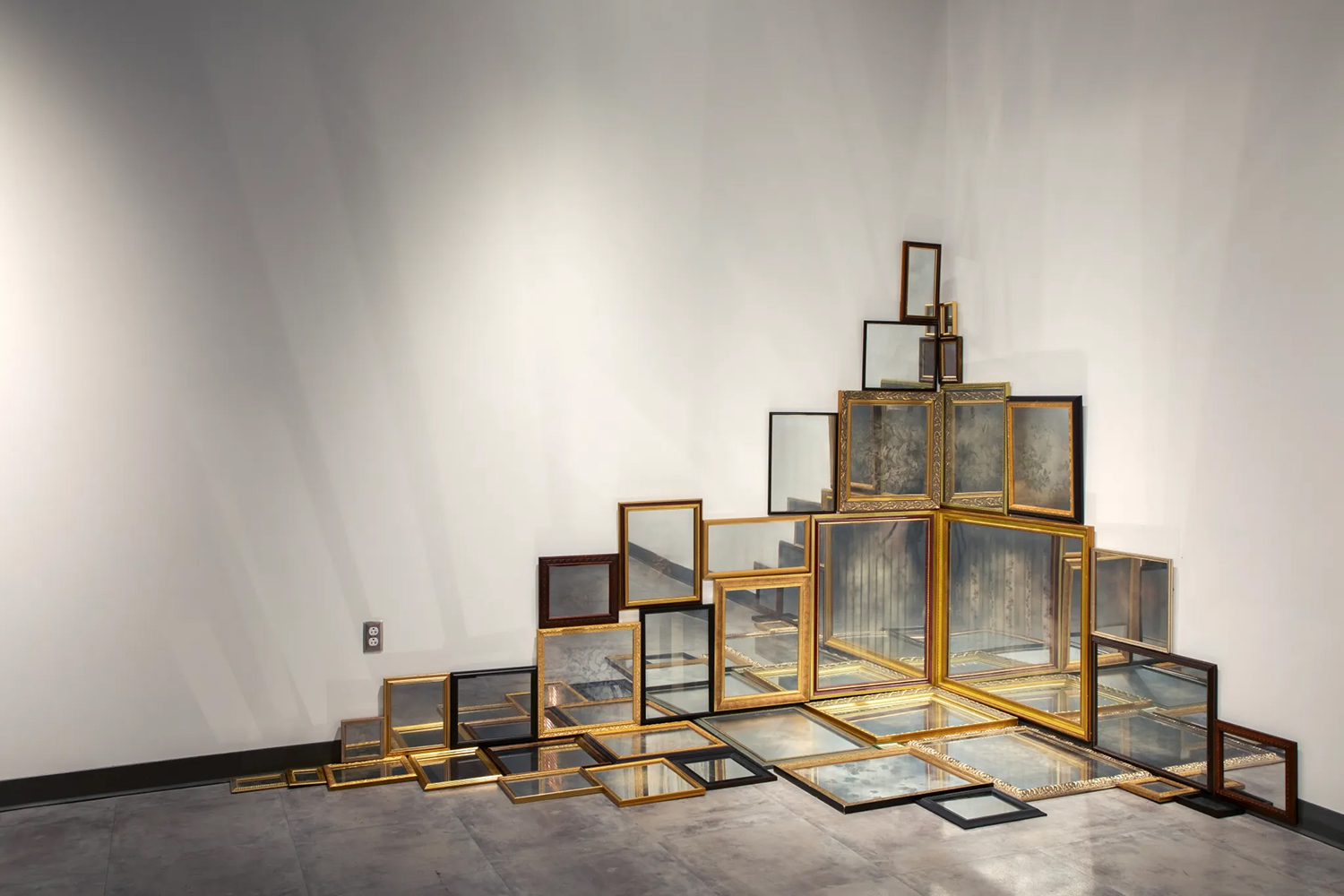
©Jesica Page Mead, Faculty
Does the program incorporate video work or emerging media such as AI, VR/AR, or 3D/360 imaging?
Yes. We are very actively engaged with emergent and hybrid technologies, both in terms of capture and output. The majority of our faculty utilize some sort of digital/analog hybrid practice – we have feet firmly planted in each world.
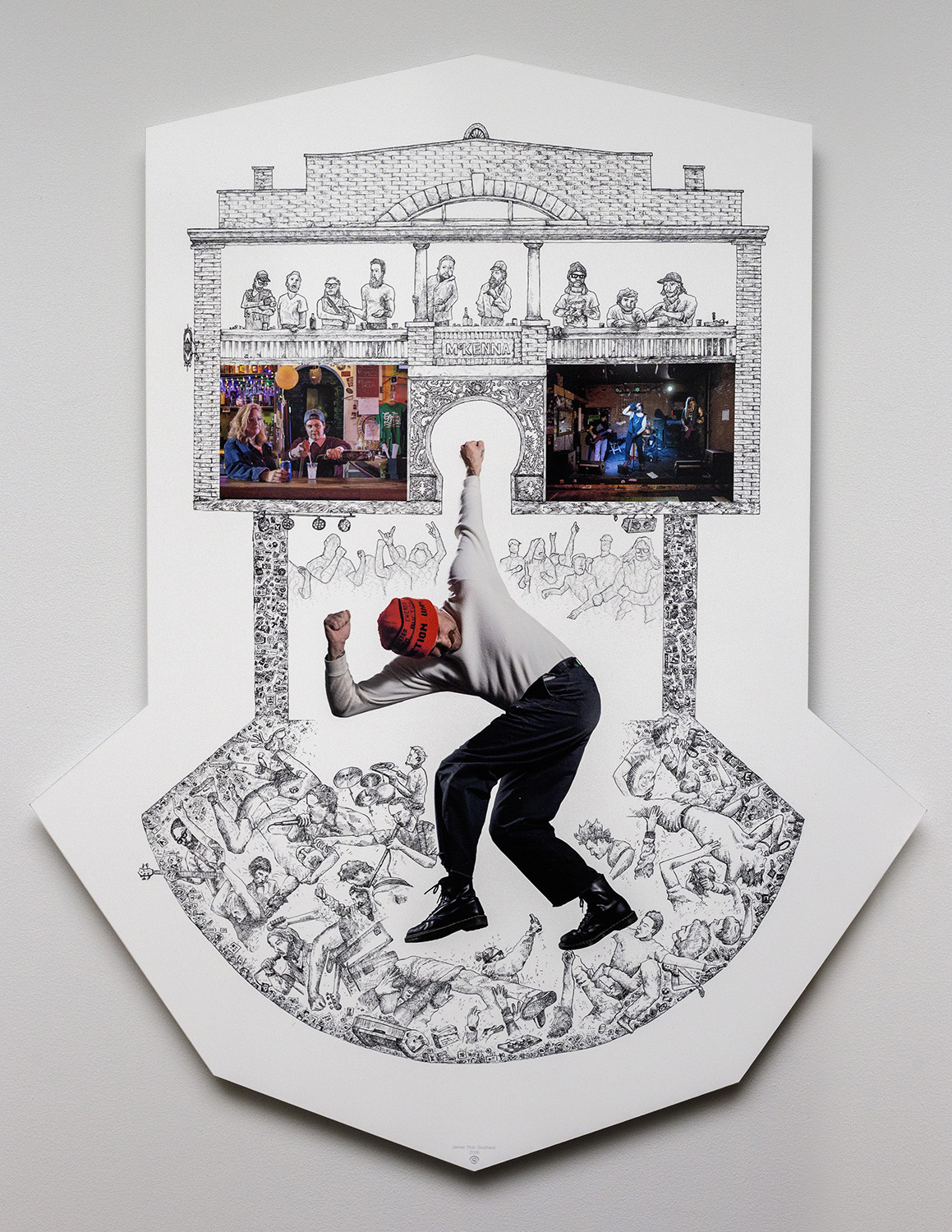
©James Southard, Faculty
Does the program offer career development support, such as portfolio reviews, workshop/conference attendance, or networking opportunities?
We do offer funding that allows graduate students to travel to conferences, attend residencies, or to do research. There are also offices on campus to assist with career development and professional practices.
What are key graduation requirements (exhibition, thesis paper, portfolio, etc.)?
The main requirement, beyond the course work, is the completion of a thesis exhibition in a student’s final semester.
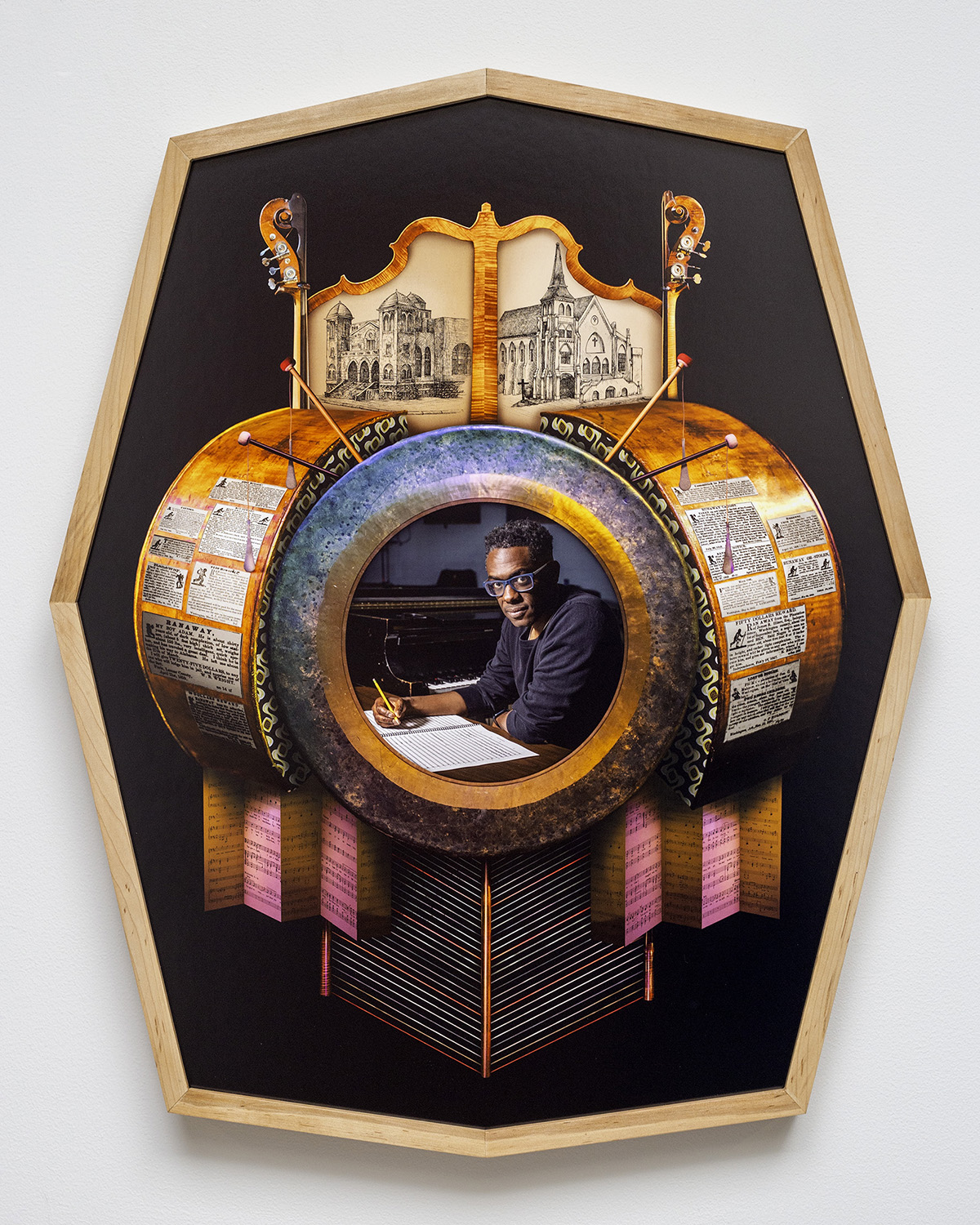
©James Southard, Faculty
Who are your current faculty members? What are their areas of creative interest?
We have five fulltime faculty, each with their own areas of expertise. Whether video, analog (b&w and color), lighting, photoshop, or alternative processes – we cover the full gamut of contemporary and historical photographic practices.
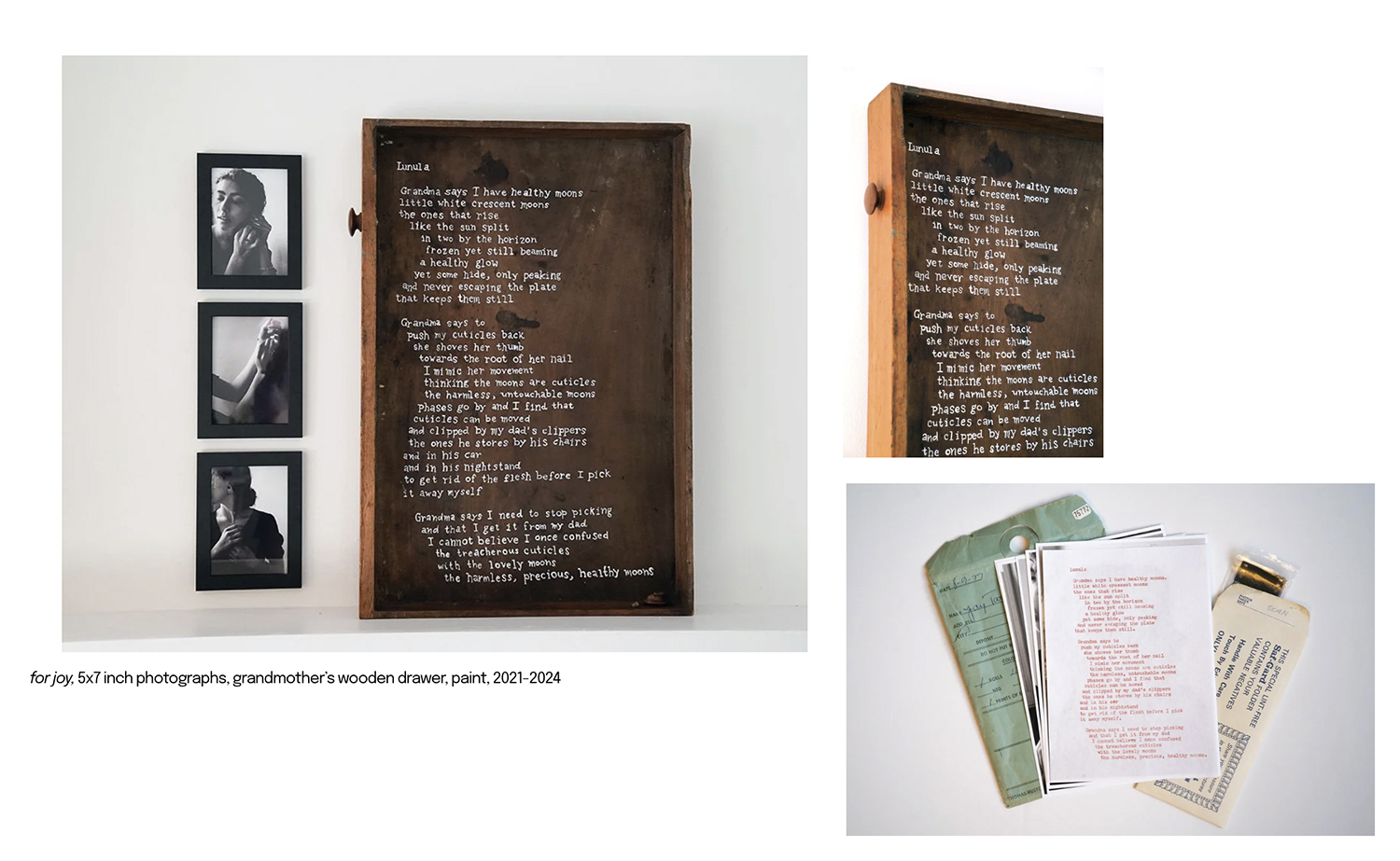
©Becca Joiner, Current Student
Are faculty members primarily full-time or adjunct?
Almost all our faculty members are full-time.
How involved are faculty in mentoring students beyond coursework?
All students have a dedicated committee as well as a faculty chair. Faculty are always happy to do studio visits outside of coursework or end of semester reviews.
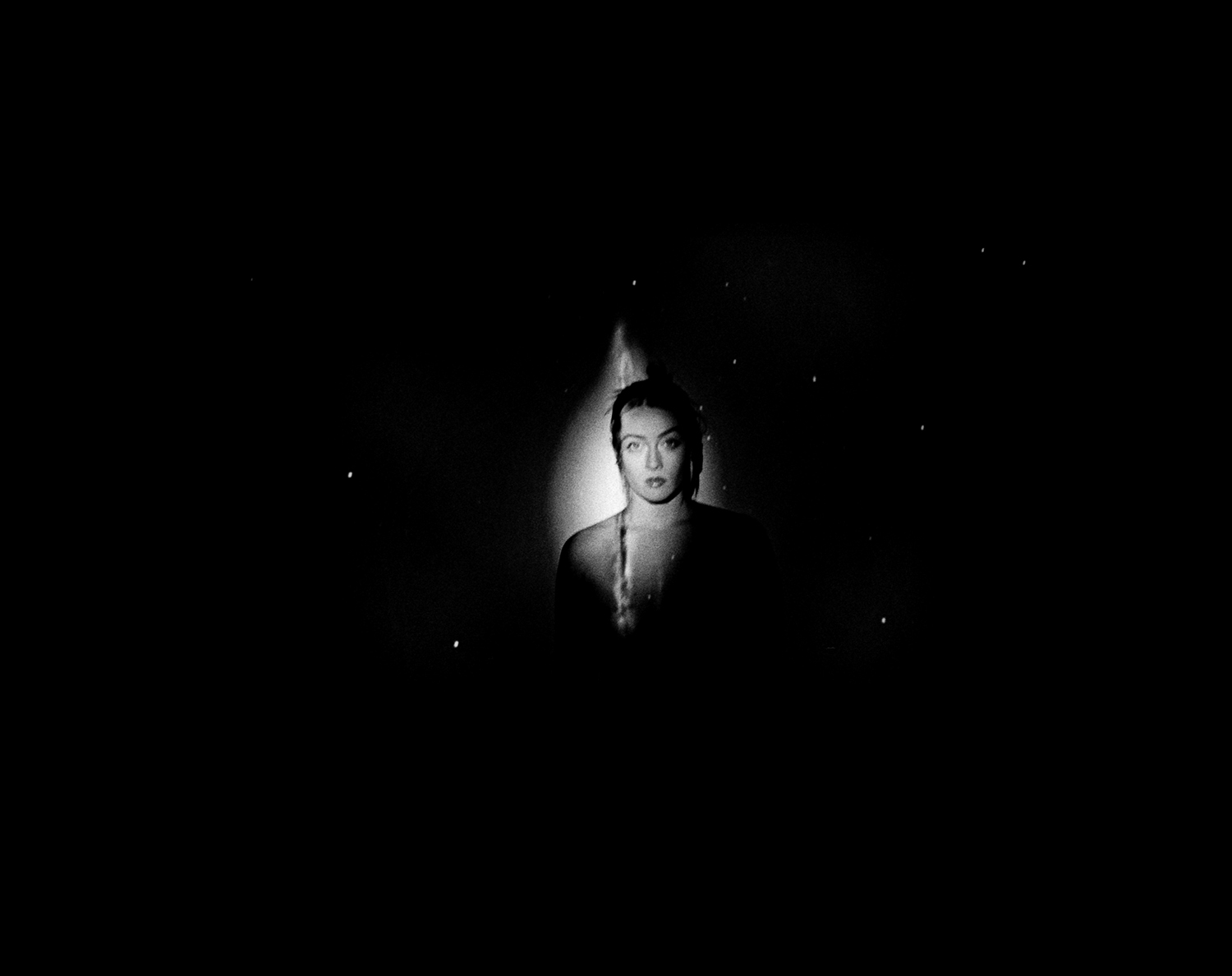
©Trevor Logan, Current Student
How often do guest artists, curators, or critics visit for lectures and/or critiques?
We have a dedicated photography lecture series through our museum that brings in four internationally known photographers a year. We also typically bring in two or more visiting photographers a year to do guest lecturers, demos, workshops, and studio visits with our students.
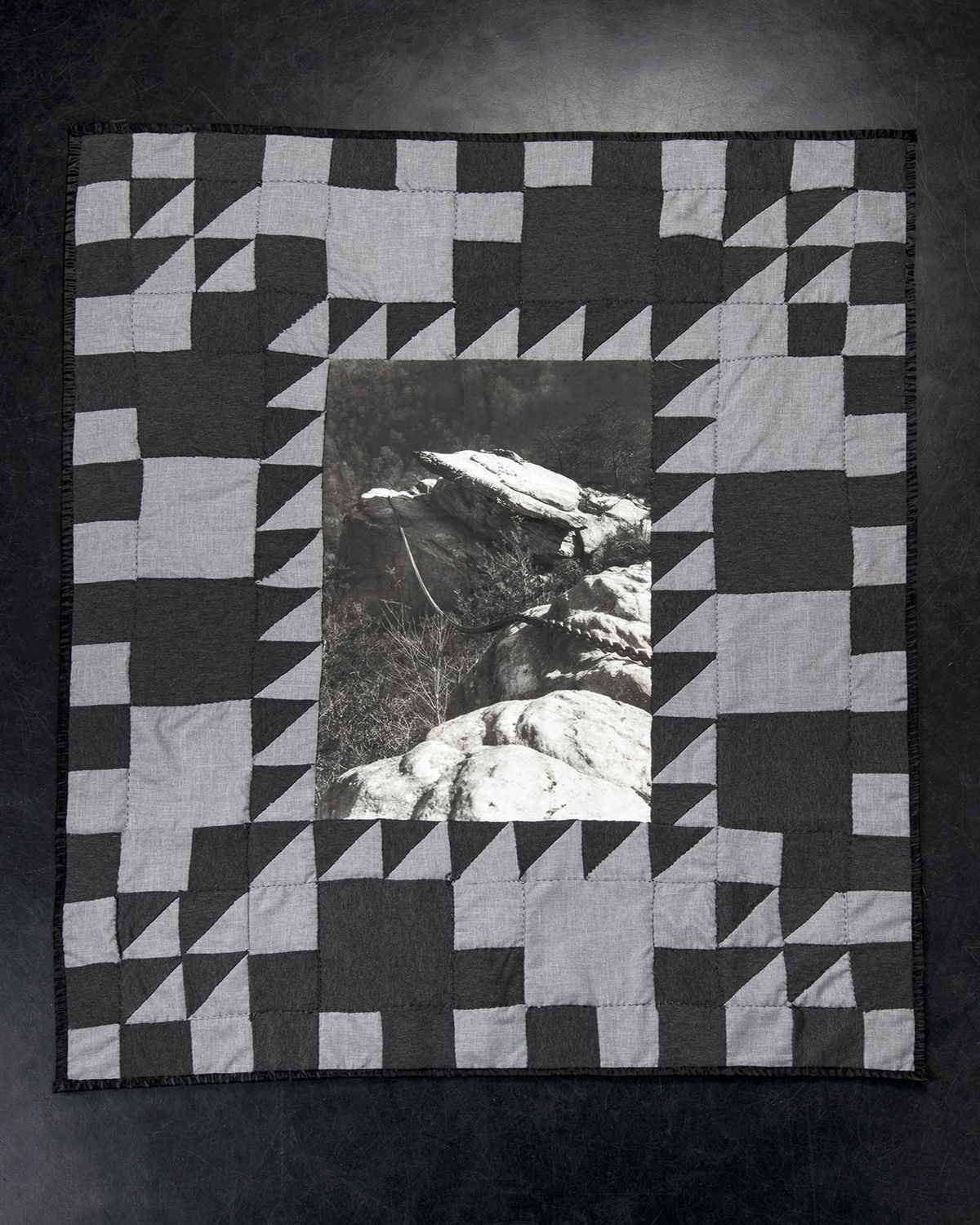
©Elijah Howe, Alum
How many students are admitted each year, and how many are photography focused?
We admit as many students as are qualified, we don’t have a set number each year. That said, we typically have full funding for three students per year.
What is the approximate cohort size, and what effect does this have on critiques, collaboration, and networking?
We typically have three students per semester, which means in an average year we have nine MFAs. That said, this is across all mediums, not just photography. All our students, no matter what medium they are focused on, work together.
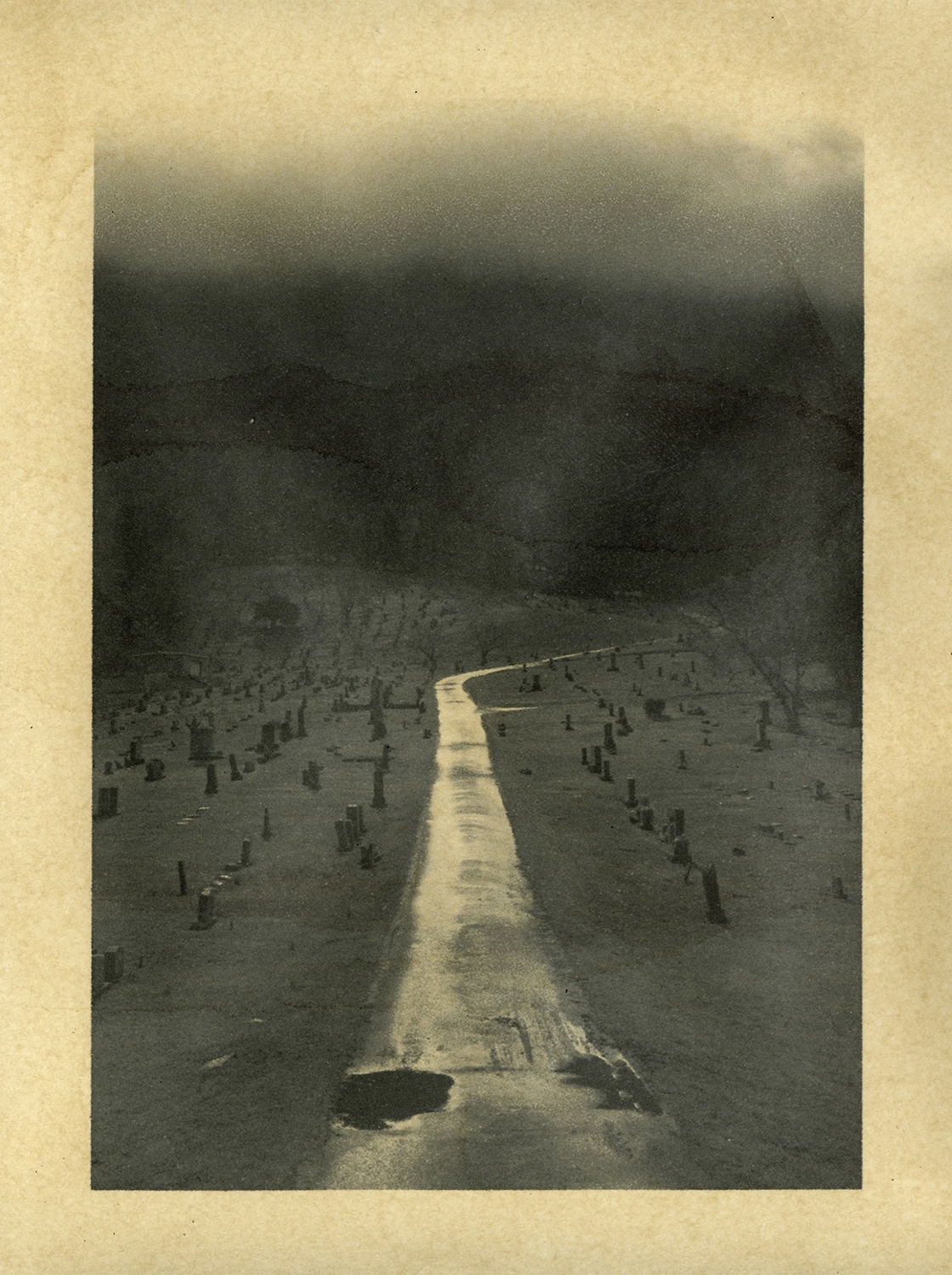
©Elijah Howe, Alum
What kind of work are current students creating?
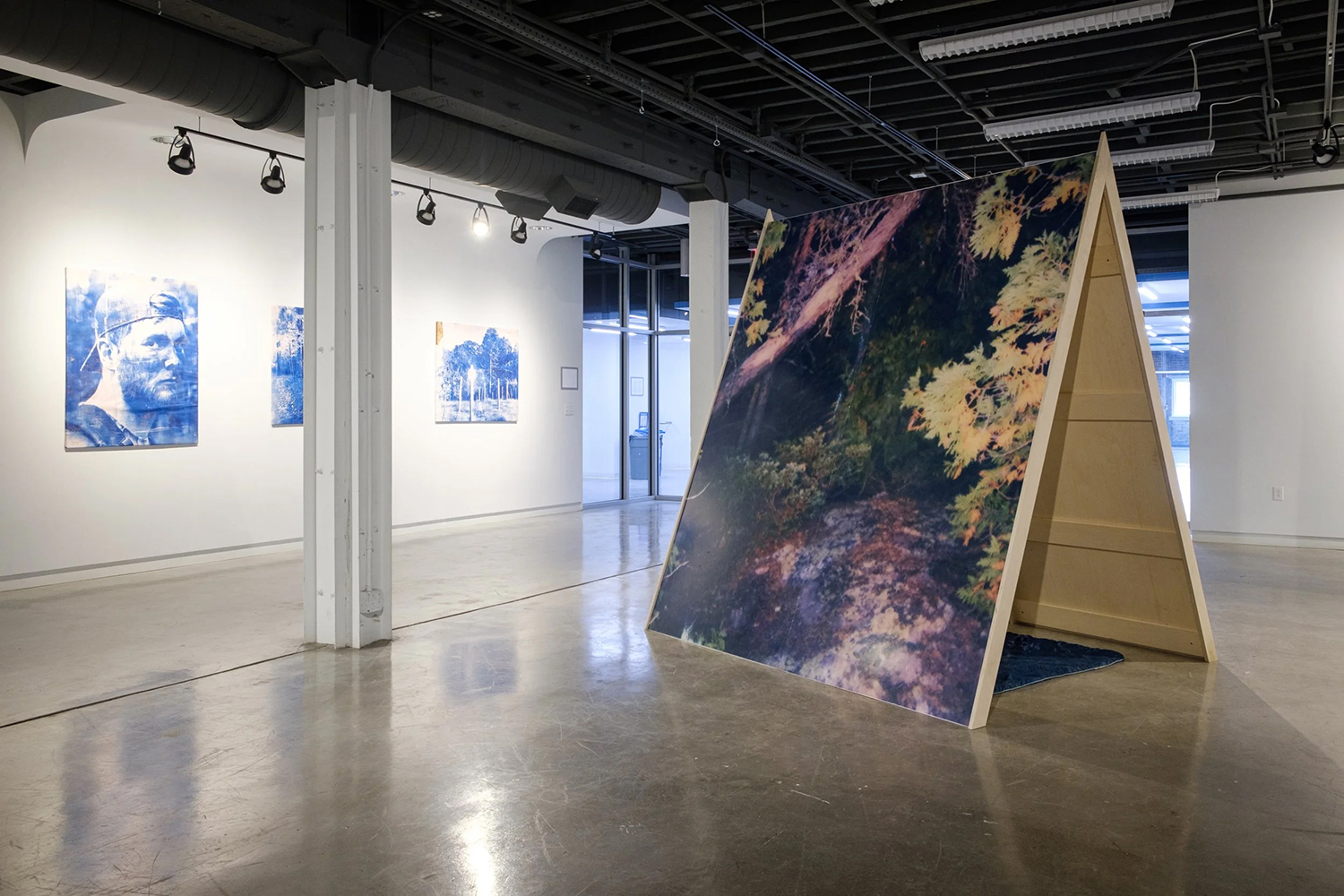
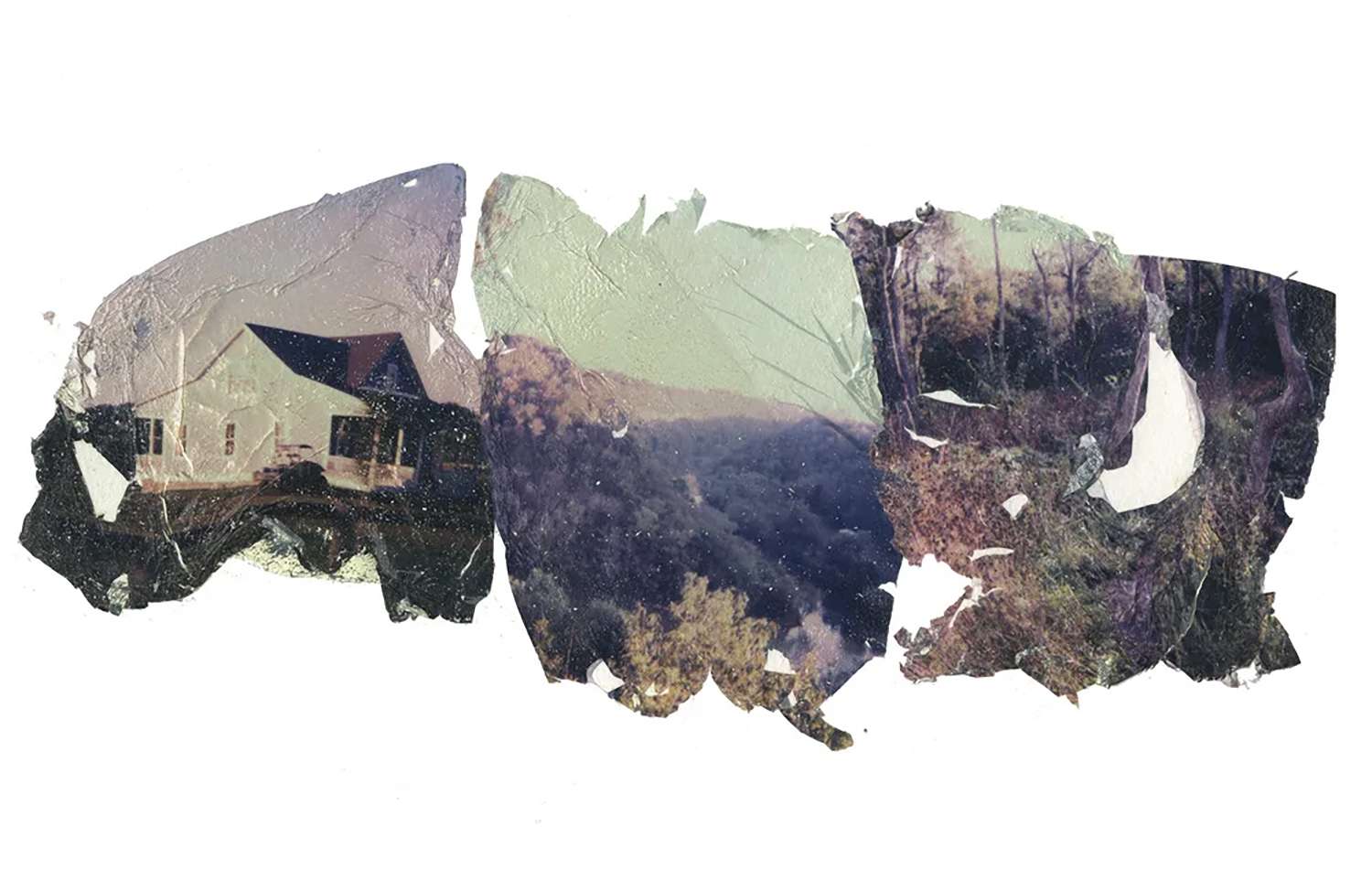
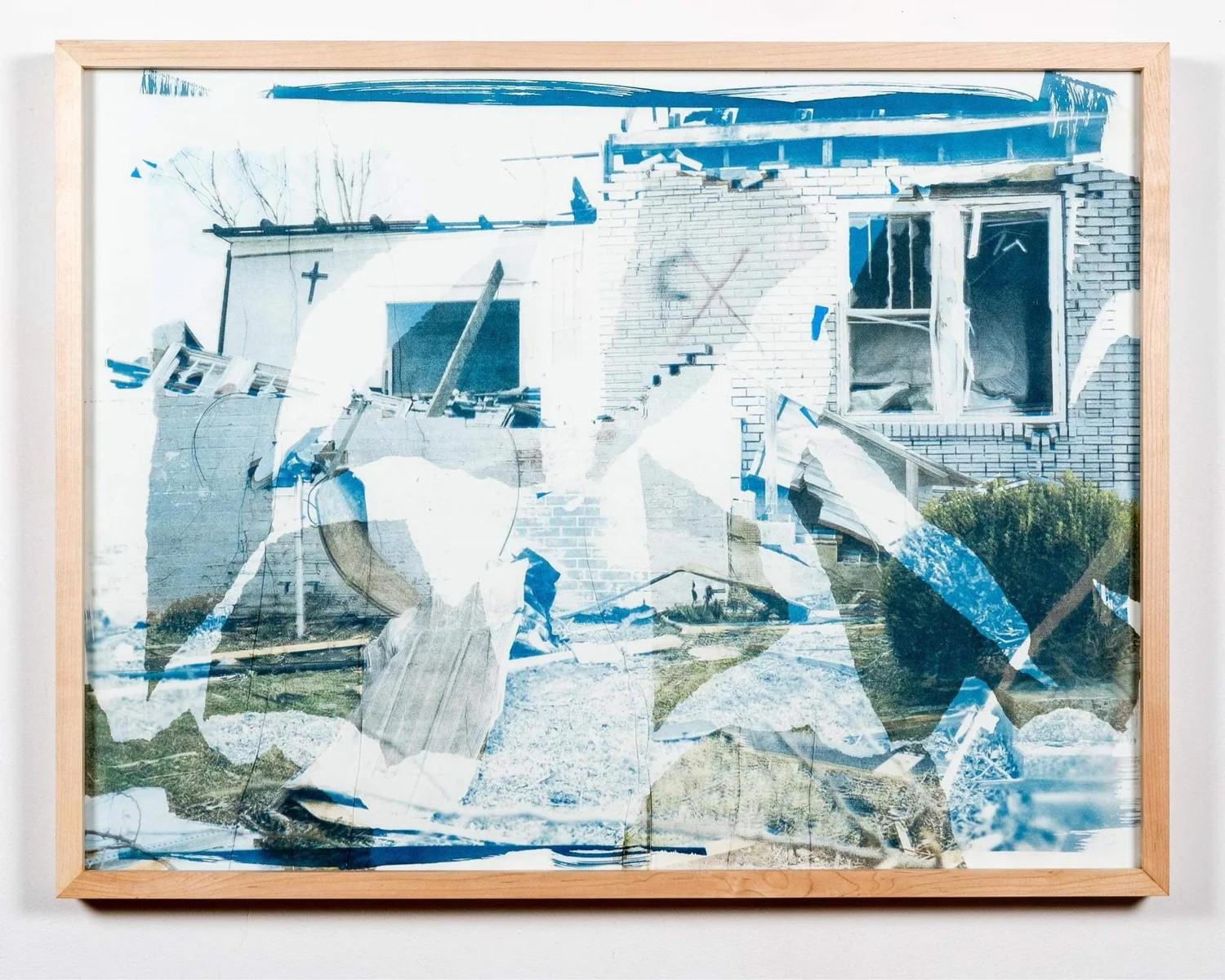
As you’d expect, it’s fairly wide ranging. Most, even if photographically based, also combines elements of installation, sculpture, or audio.
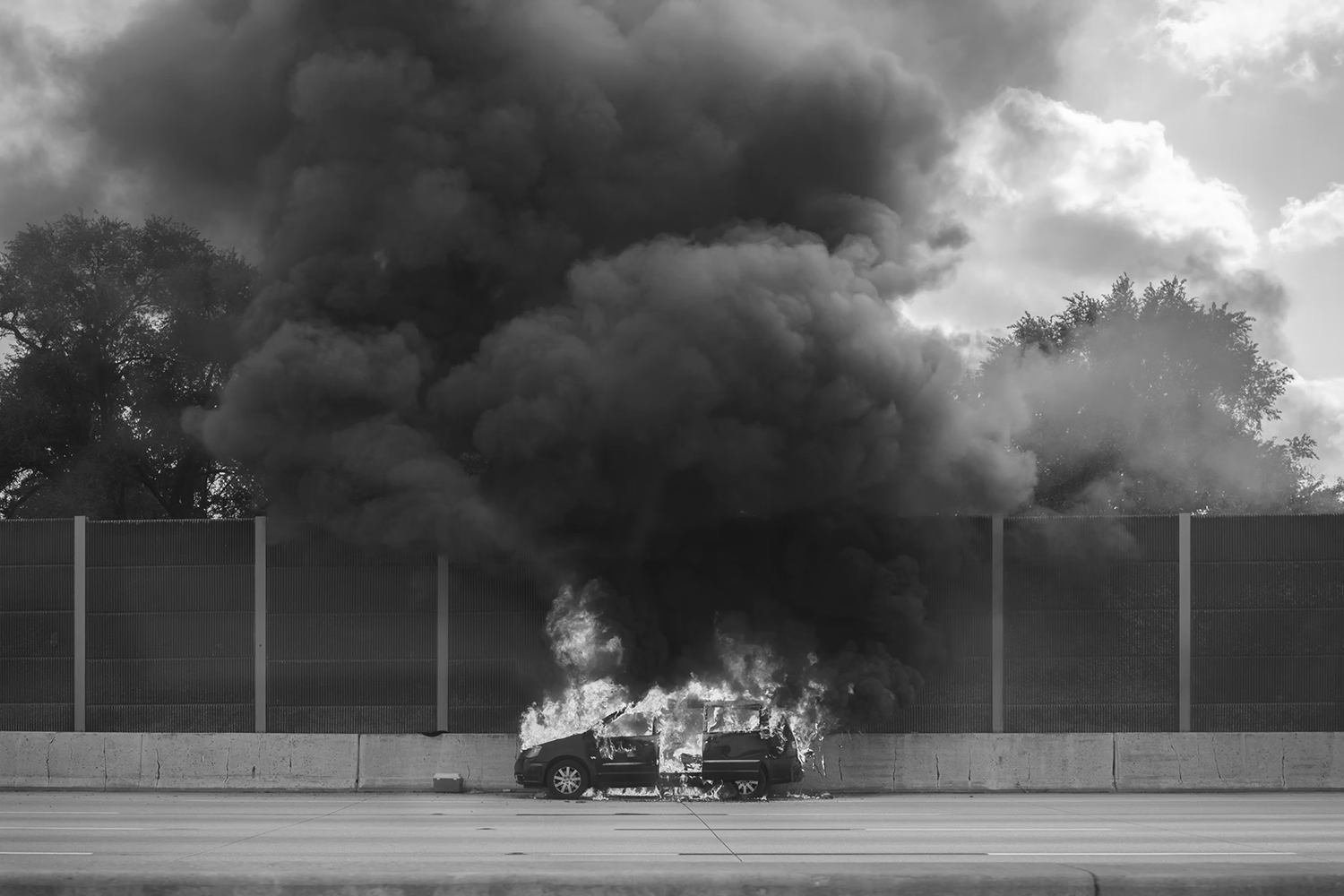
©Frank Geiser, Alum
What is the total cost of the program (and duration), and what funding options are available?
We are a three year program and cost is determined by residency status (in-state vs. out-of-state). Current costs can be seen here – https://studentaccount.uky.edu/2025-26-tuition-and-fees
We try to fund as many students as we can through teaching assistanceships and scholarships. There are also university wide fellowships that admitted students can apply for.
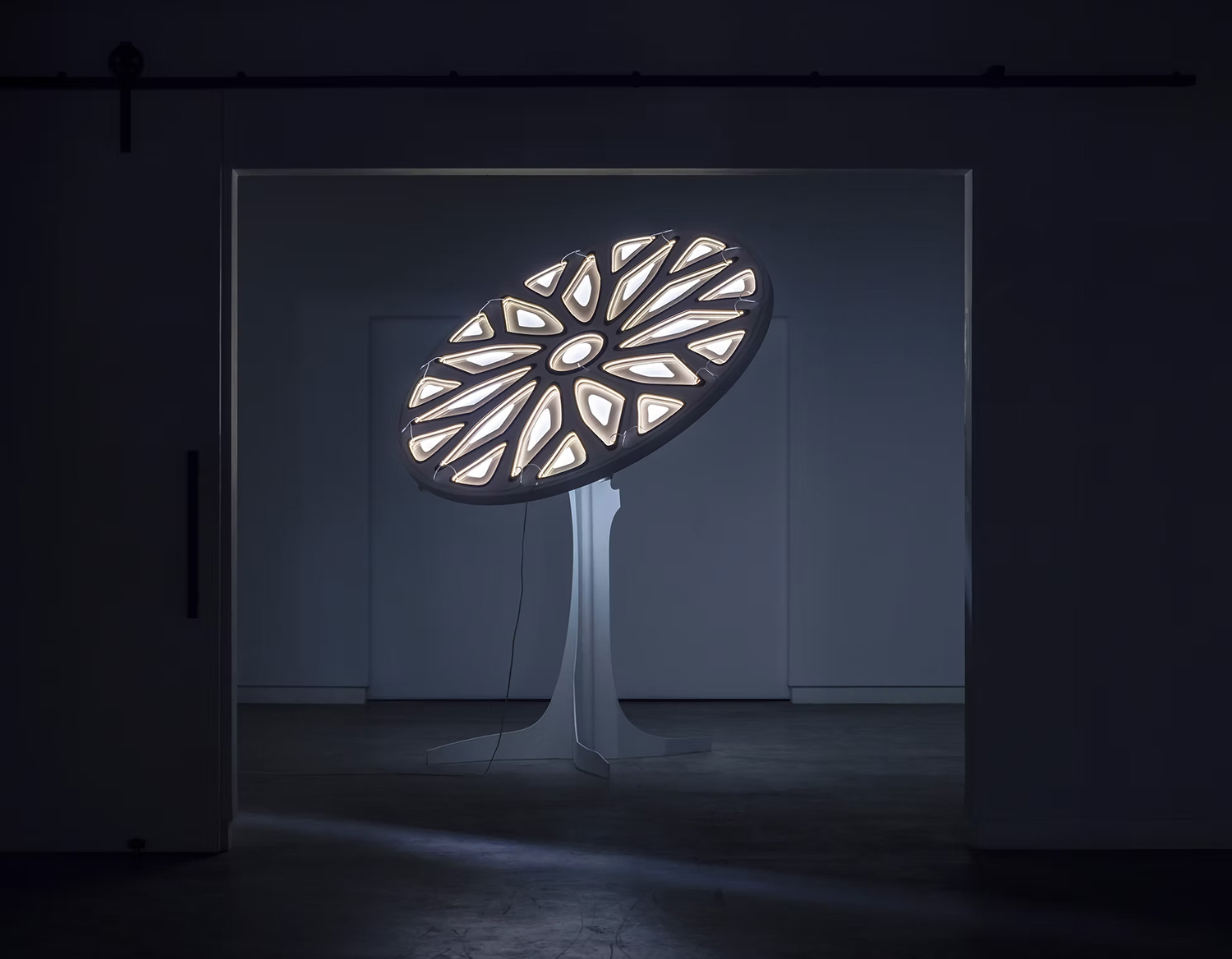
©Frank Geiser, Alum
Are there teaching assistantships, and what percentage of tuition do they cover?
Yes. TA’s cover 100% of tuition, a roughly $20,000 a year stipend, and health insurance
Are additional grants/resources available to support student projects?
We offer grants that can help offset costs for production of work and travel for conferences and residencies.
©Lucas Wilman, Alum
What types of careers to alumni pursue, and how does the program support students after graduation?
Many of our graduates go into higher education. We have had very real success preparing our students for tenure-track positions around the country. Students also pursue careers in galleries, museums, commercial endeavors, and K-12 settings.
©Lucas Wilman, Alum
How connected is the alumni network, and do graduates stay involved with the program?
Like many programs, there are both formal and informal ways we stay connected. We do our best to put current students in touch with alumni who are currently working when ideas/mediums/approaches overlaps.
©Lucas Wilman, Alum
Posts on Lenscratch may not be reproduced without the permission of the Lenscratch staff and the photographer.
Recommended
-

In Focus: The MFA Review: University of KentuckyNovember 28th, 2026
-
In Focus: The MFA Review: University of GeorgiaNovember 27th, 2026
-
In Focus: The MFA Review: University of Arizona, School of ArtNovember 26th, 2026
-
In Focus: The MFA Review: Northern Illinois UniversityNovember 25th, 2026
-
In Focus: The MFA Review: Belfast School of Art, Ulster UniversityNovember 24th, 2026