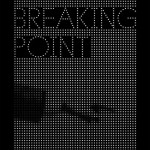
Robin Dahlberg: Breaking Point
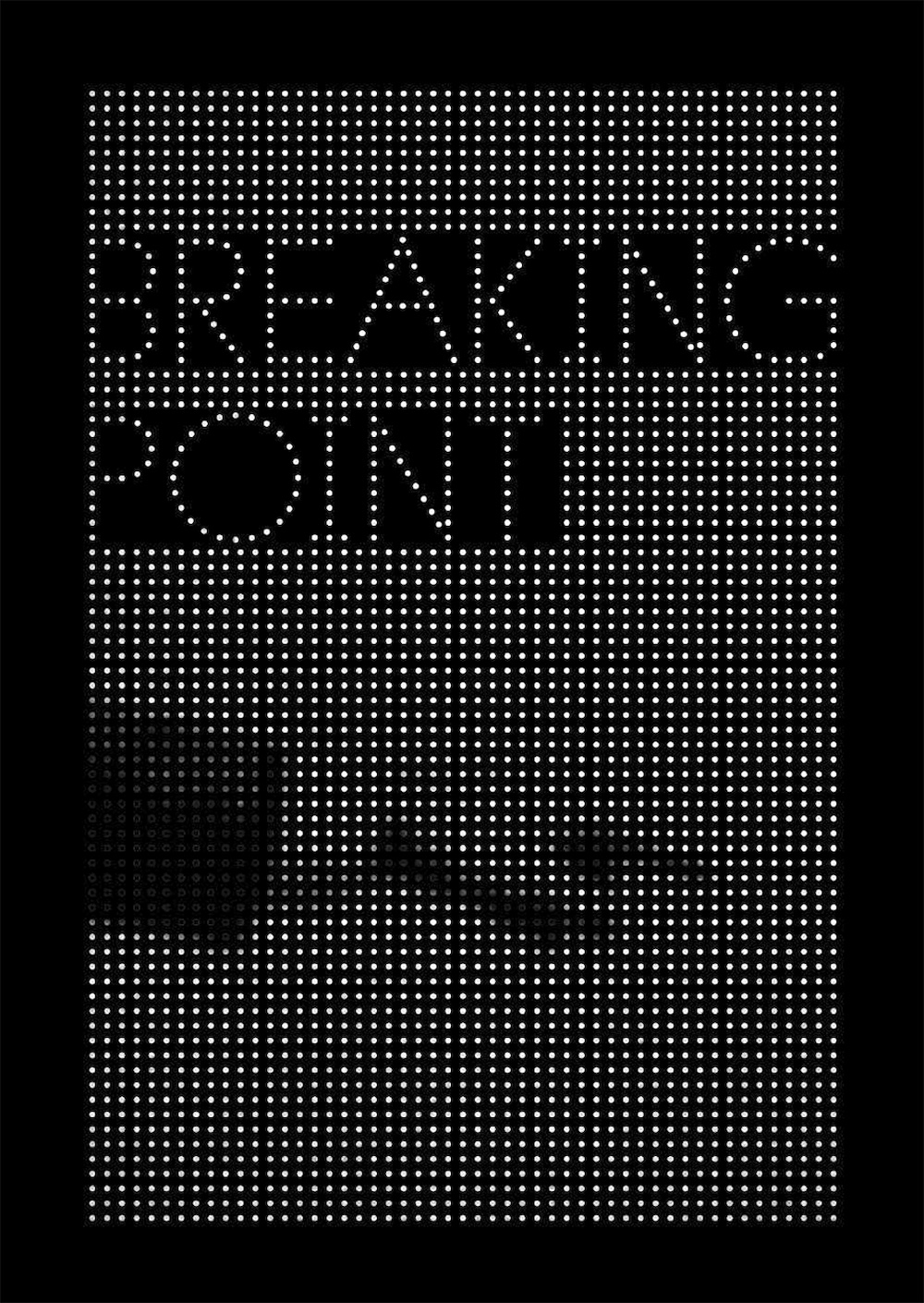
© Robin Dahlberg / Kehrer Verlag
Why would someone confess to a crime they didn’t commit?
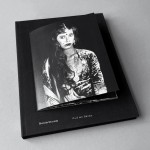
Unfortunately it happens, more than you might think. Photographer Robin Dahlberg illustrates why in a compelling new photobook, “Breaking Point,” published by Kehrer Verlag Heidelberg.
© Robin Dahlberg / Kehrer Verlag
© Robin Dahlberg / Kehrer Verlag
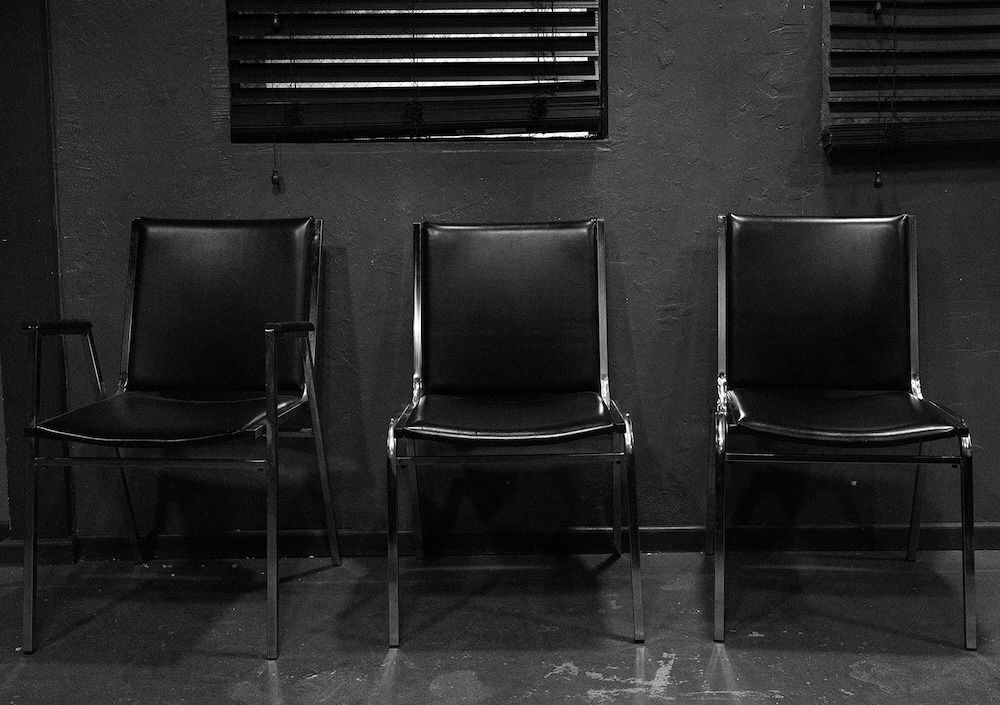
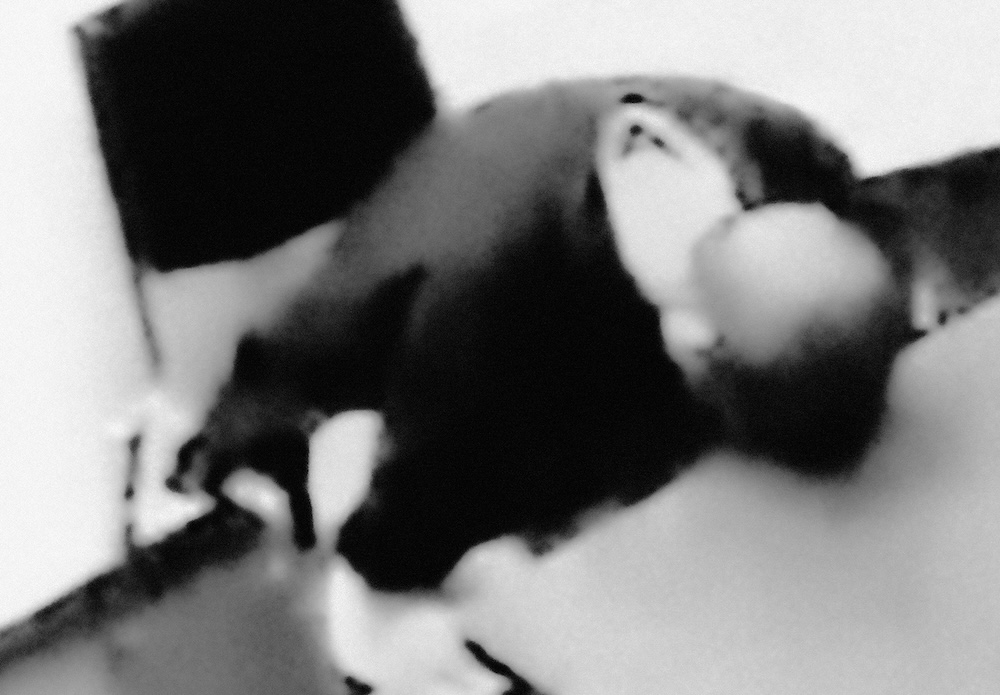
The book grew out of Robin’s work at the American Civil Liberties Union. With photographs and the words of the exonerees, she immerses the reader in the frightening world of those wrongfully imprisoned – the confusing questions, the intimidating interrogation rooms, the slammed fists, the aggressive questioning.
An interview with the artist follows.
© Robin Dahlberg / Kehrer Verlag
Robin Dahlberg is a visual artist whose work is held in the collections of the Museum of Modern Art in New York City and the New York Public Library. Trained as an attorney, she spent twenty years in the National Legal Department of the American Civil Liberties Union, designing and leading campaigns to reform the U.S. criminal justice system. Her photography draws on this background to explore identity, place, resilience, and the human impact of systemic injustice.
Instagram: @robindahlbergphoto
© Robin Dahlberg / Kehrer Verlag
About the book:
“Breaking Point” examines wrongful convictions in the United States through the lens of police interrogations, where coercive tactics can lead to false confessions. According to the National Registry of Exonerations, between 1989 and 2024, roughly 13 percent of documented exonerations involved false confessions, with people of color disproportionately affected.
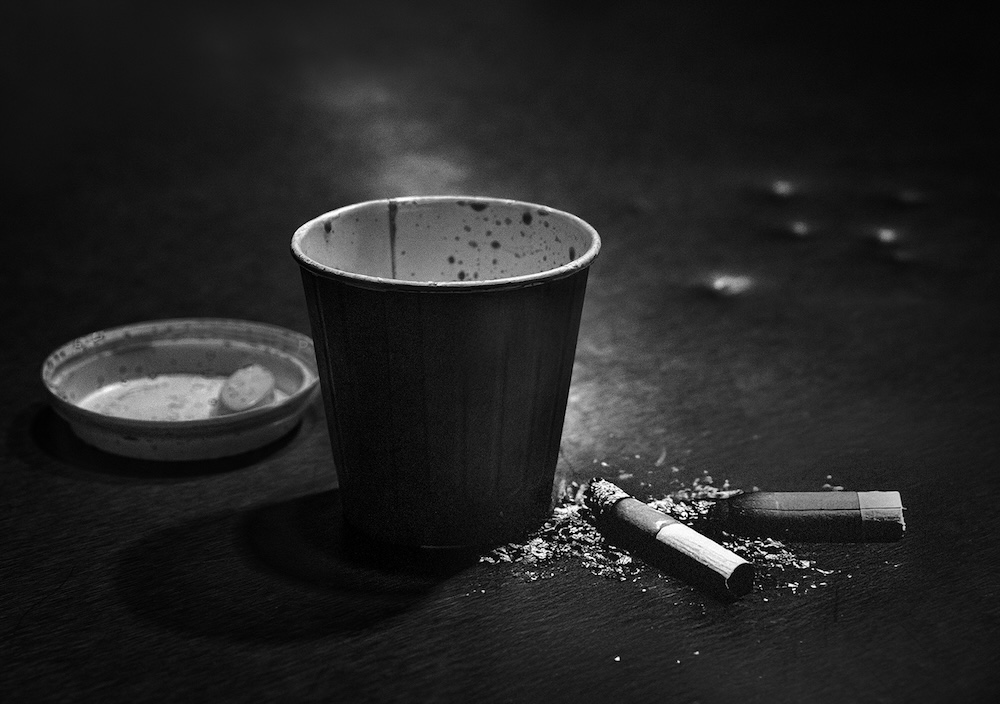
Made between 2017 and 2025, the black-and-white photographs include portraits of six exonerated individuals alongside atmospheric images of abstract outdoor spaces and still lifes, photographed on film studio sets and in interiors that recall interrogation rooms.
The project was developed in collaboration with six exonerees: Vanessa Gathers, Eddie Lowery, Jeffrey Deskovic, Christopher Ochoa, Byron Halsey, and Raymond Santana, all of whom falsely confessed under coercive conditions and spent years and decades incarcerated before their convictions were overturned. Alongside their portraits, the book includes written summaries of their cases, from arrest to conviction, newspaper coverage of their exonerations, as well as one verbatim transcription and multiple screen captures from other real-life interrogations that produced false confessions, all gathered by Dahlberg as part of the project’s research.
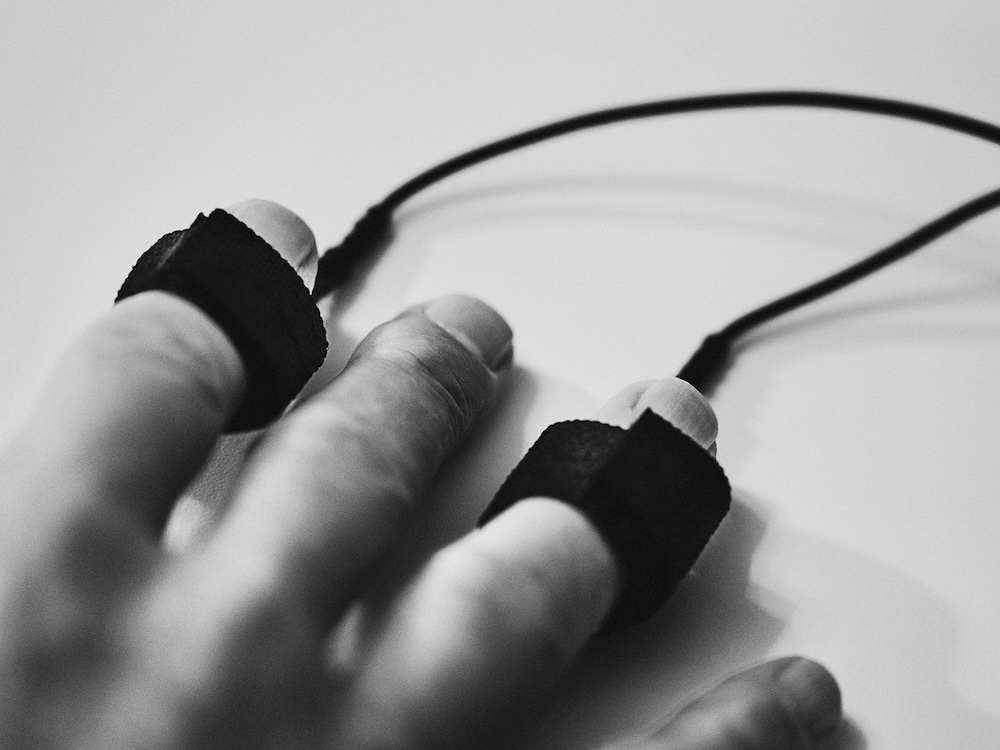
© Robin Dahlberg / Kehrer Verlag
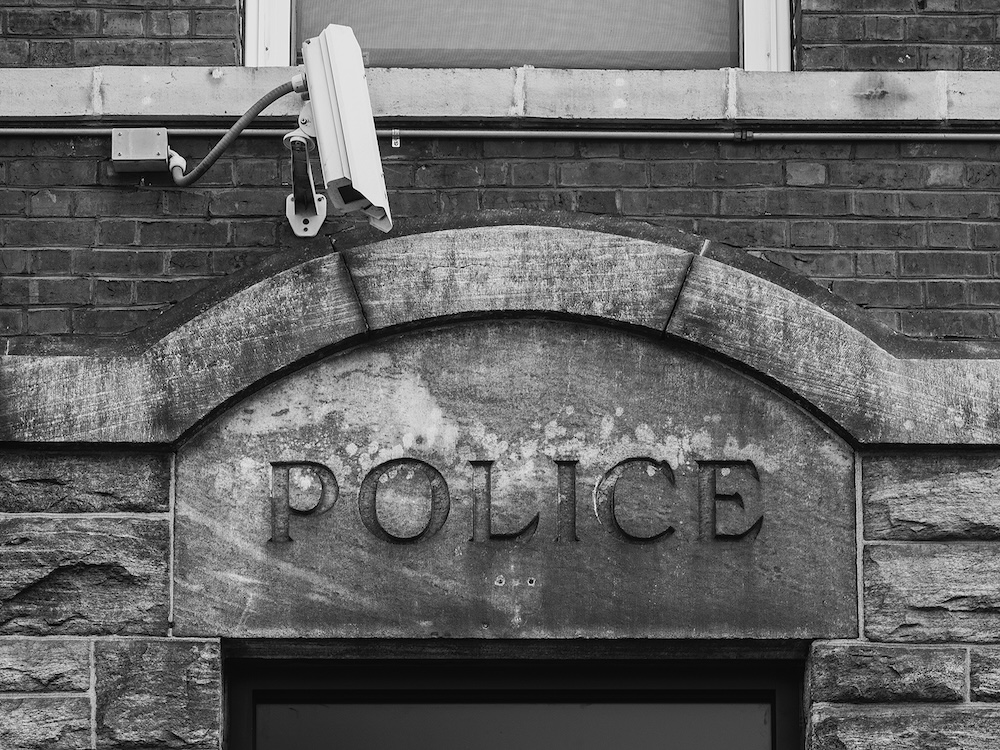
© Robin Dahlberg / Kehrer Verlag
Photographs by Robin Dahlberg
ISBN 978-3-96900-222-3
Texts by Sara C. Appleby and Robin Dahlberg
Design by Caleb Cain Marcus, Luminosity Lab
Published by Kehrer Verlag (April 2026)
Swiss binding with dust jacket
184 Pages, 75 tritone illustrations, 17 x 24 cm
Instagram: @kenrerverlag
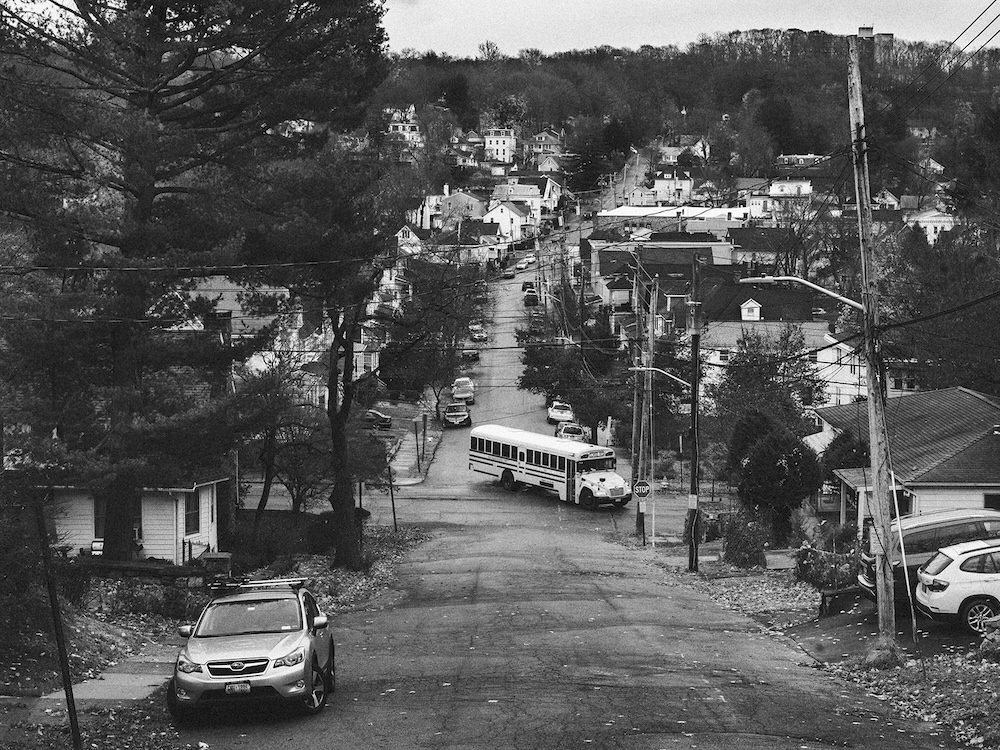
© Robin Dahlberg / Kehrer Verlag
Congratulations on this intriguing and powerful book. There are two things that make “Breaking Point” particularly compelling to me. It is deeply researched and the design effectively melds the visual, emotional and factual elements to create a convincing narrative arc. First let’s discuss the research. You were an attorney for ACLU for several years before pivoting to photography. Can you tell us how your background as a lawyer influenced your approach to this book.
When I set out to do a project about false confessions, I wanted to create a photobook that could serve as an advocacy tool. False confessions are more common than most people realize.Roughly one-third of all DNA exonerations involved a false confession. Many arise from the misuse of coercive interrogation tactics specifically designed to extract admissions of guilt.
At the ACLU, I learned that effective advocacy depends on compelling storytelling. Real change requires public engagement—and that starts with making people care. Empathy does not come from abstract issues; it comes from recognizing that these injustices could happen to any of us. With Breaking Point, I aimed to build that connection—helping readers see themselves in the stories of exonerees and feel the weight of what they endured.
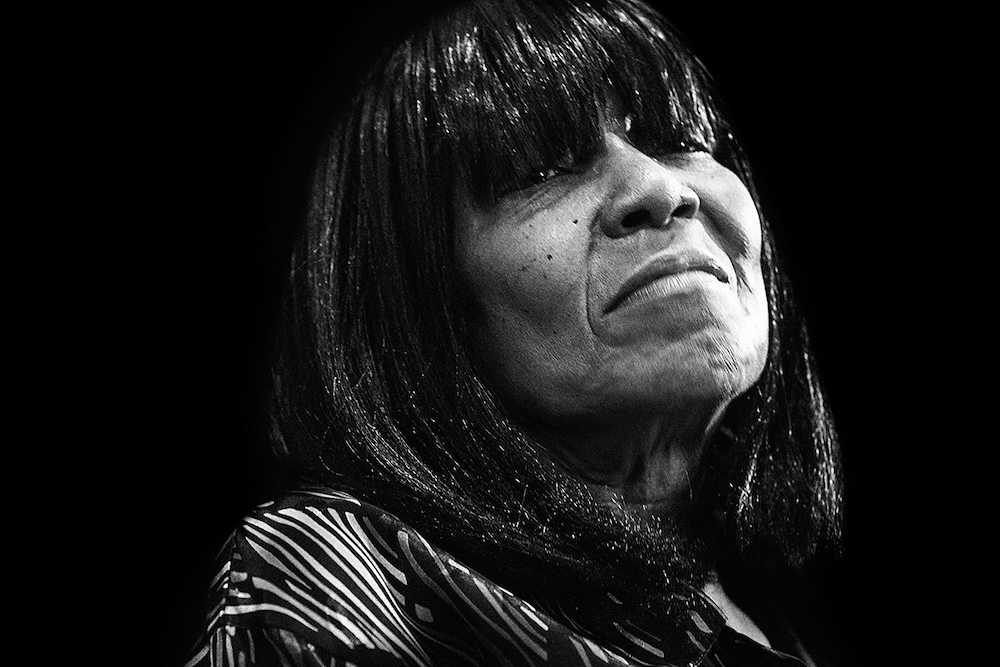
© Robin Dahlberg / Kehrer Verlag, Vanessa Gathers
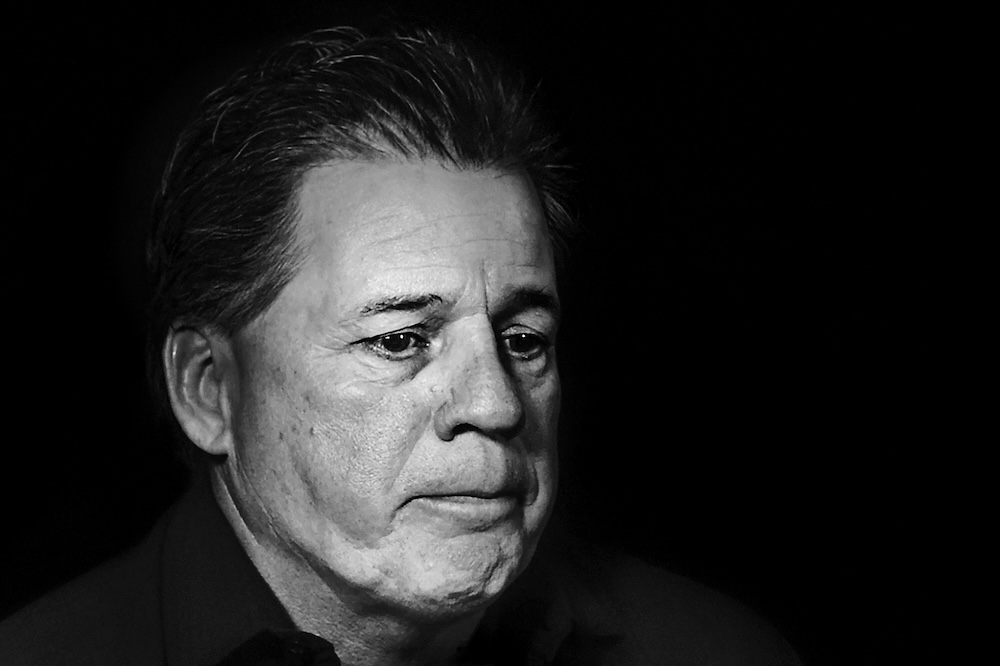
© Robin Dahlberg / Kehrer Verlag, Eddie Lowery
You worked on this project for 12 years. Why did it take so long? How did you identify the exonerees you wanted to work with? Why did you focus on the interrogation part of the process?
The project took 12 years to complete, in part, because I was not initially sure I had the skills—or the connection to the story—to do it justice. Over time, working closely with the individuals in the book helped me find my footing and tell their stories in a way that felt honest and responsible. I drew on relationships I had built during my time at the ACLU, particularly through the Innocence Network, to identify participants. The Innocence Network connected me with exoneree Jeff Deskovic—now an advocate for the wrongfully convicted and founder of the Deskovic Foundation for Justice—who, in turn, helped me reach a few of the others. Every person I approached was willing to share their story. I focused on the interrogation process because that is when most false confessions occur. Police first wrongfully identify an innocent person as guilty—often because of a rushed, incomplete, or narrowly focused investigation—then isolate them in a small room and subject them to bullying, intimidation, and other forms of pressure until they confess.
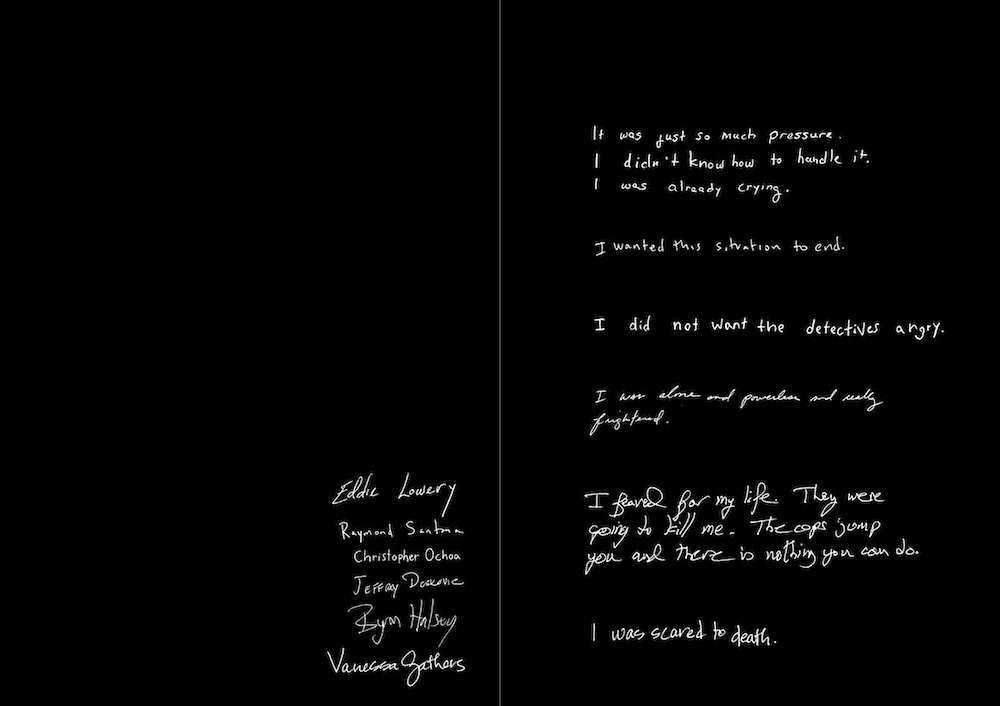
© Robin Dahlberg / Kehrer Verlag
Next let’s discuss the visual aspects. The black paper, the up close — almost claustrophobic — portraits, and the austere surroundings all intensify the feelings of a world closing in. The words of the exonerees convey their confusion, their anxiety. And the way you organize the quotes allows us to visually separate the individual stories and still see how similar their interrogation experiences were. Can you talk a little about the design, including how and why you created the handwritten text and what text you decided to include in the book.
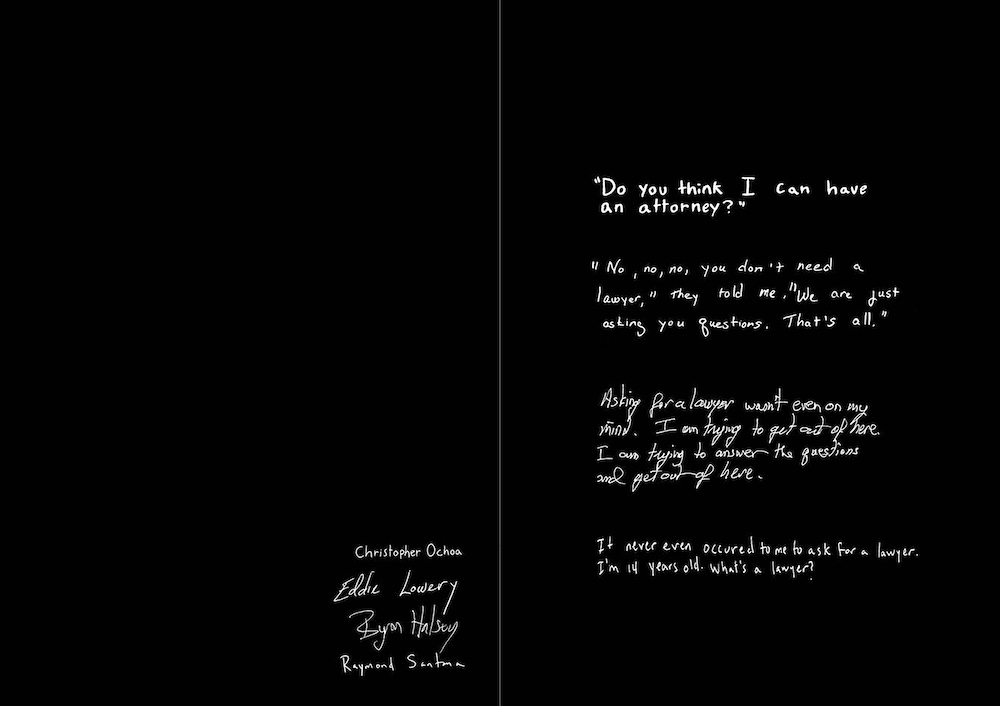
The book is designed to make the viewer feel like they are entering the interrogation room with the exonerees while an interrogation is underway. That intention shaped the book’s visual language—the black paper, the closely cropped portraits (some intentionally out of focus), the handwritten text, and the increasingly frenetic nature of that text. The text itself comes from recorded interviews with the exonerees. I selected excerpts that capture the emotional progression of the interrogation process. I had the interviews transcribed by friends and family so I could ensure the handwritten text was accurate and legible. I chose to weave the stories of all six exonerees together as the viewer moves through the book, rather than presenting them one at a time, to emphasize how coercive, guilt-presumptive interrogations typically follow a very consistent pattern. In fact, there are widely-used step-by-step training manuals explaining how to conduct such interrogations.
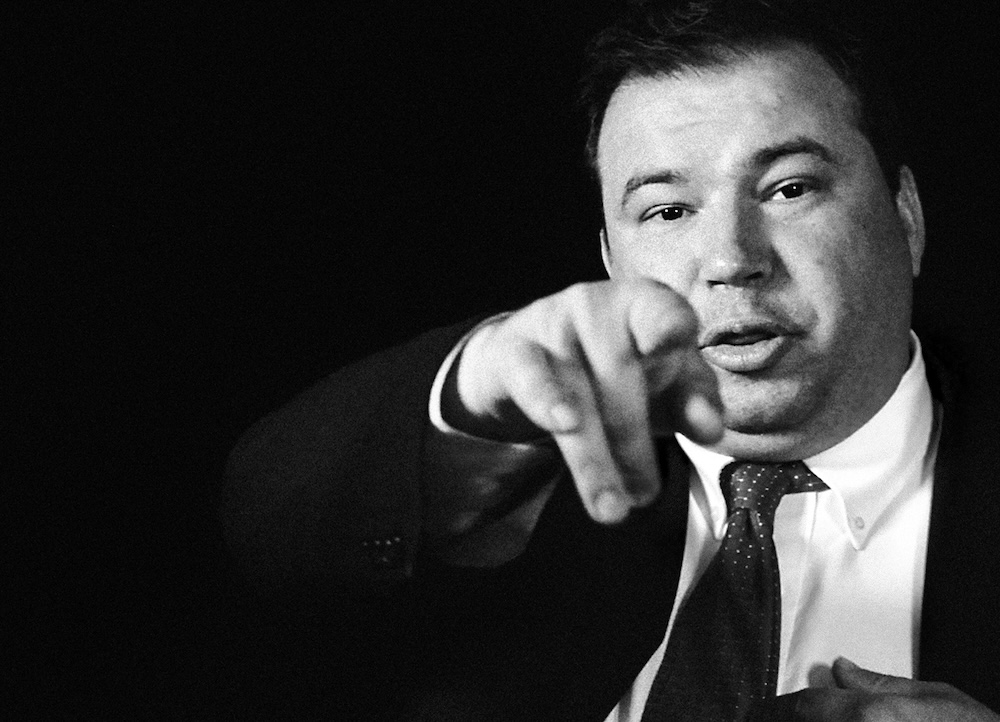
© Robin Dahlberg / Kehrer Verlag, Jeffrey Deskovic
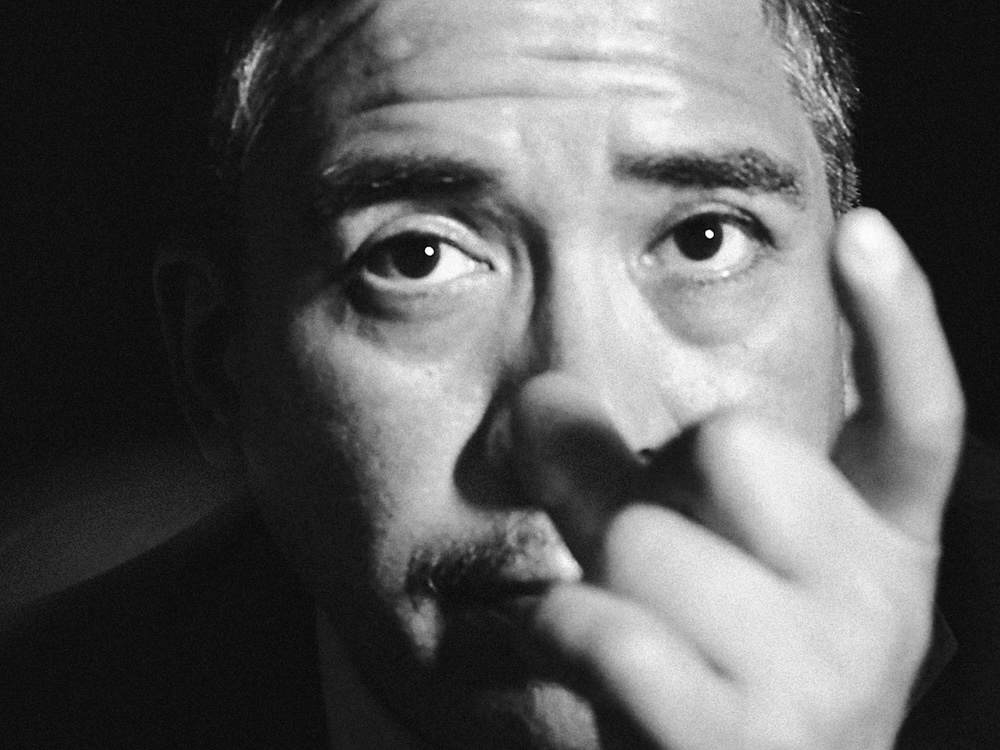
© Robin Dahlberg / Kehrer Verlag, Christopher Ochoa
We are currently in an environment where people want to bring about change in society, yet they often feel powerless. Your book shows that photobooks can be a powerful tool for raising important issues. What is your hope for this book?
I hope this book pushes readers to question what they think they know about the criminal justice system. For many, those beliefs are shaped by television shows like Law & Order, where a confession typically signals guilt and the system almost always gets it right. As an ACLU lawyer, I learned that the system frequently gets it wrong. Oftentimes, it prioritizes expediency and finality over justice—closure over truth.
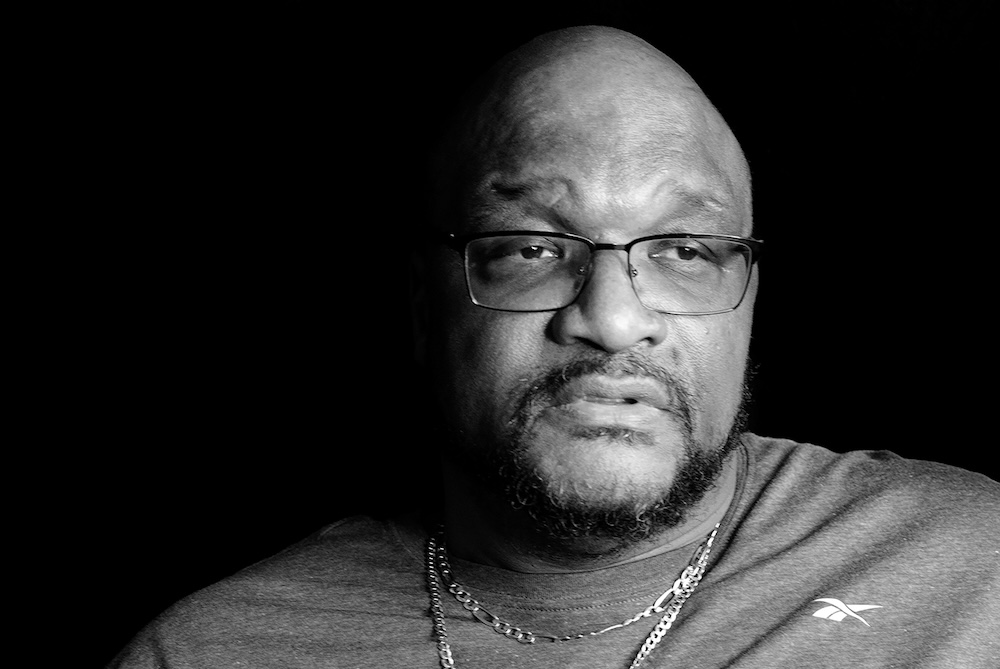
© Robin Dahlberg / Kehrer Verlag, Byron Halsey,
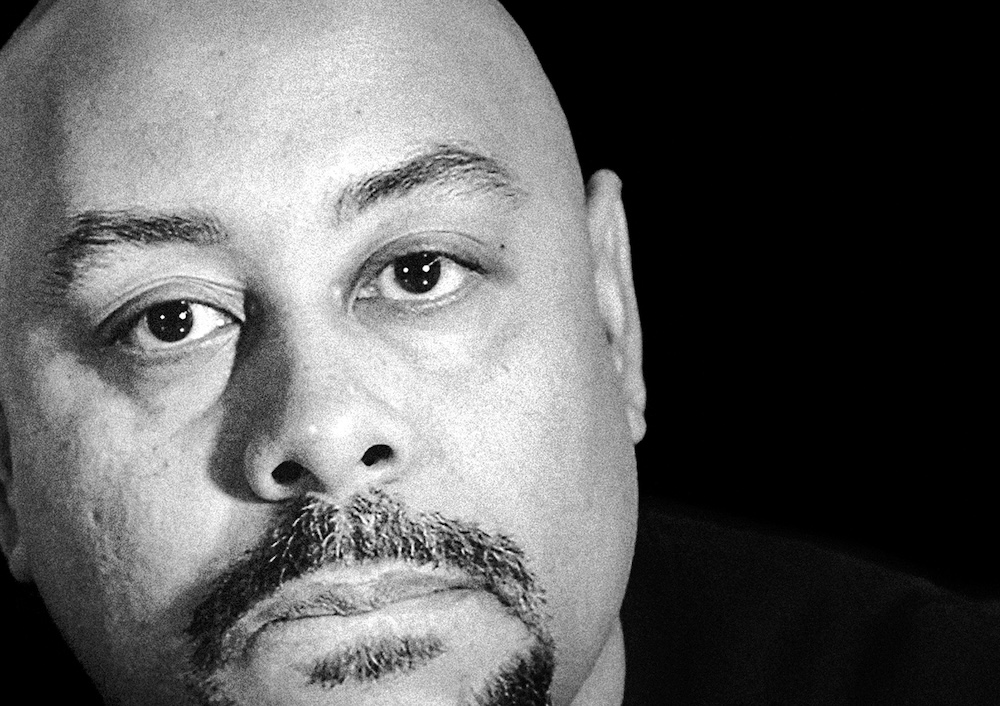
© Robin Dahlberg / Kehrer Verlag, Raymond Santana
Posts on Lenscratch may not be reproduced without the permission of the Lenscratch staff and the photographer.
Recommended
-
Robin Dahlberg: Breaking PointJuly 7th, 2026
-
Craig Easton: An Extremely Un-Get-atable PlaceJuly 6th, 2026
-

Malin Fabbri: Anthotypes – The Complete Guide to Making Photographs with Plants and SunlightJune 27th, 2026
-
Ryan McIntosh and Yogan Muller: Tracy HillsJune 19th, 2026
-

Andrea Birnbaum: Spilt MilkJune 14th, 2026