Marky Kauffmann and Louise Kauffmann: We Were Children
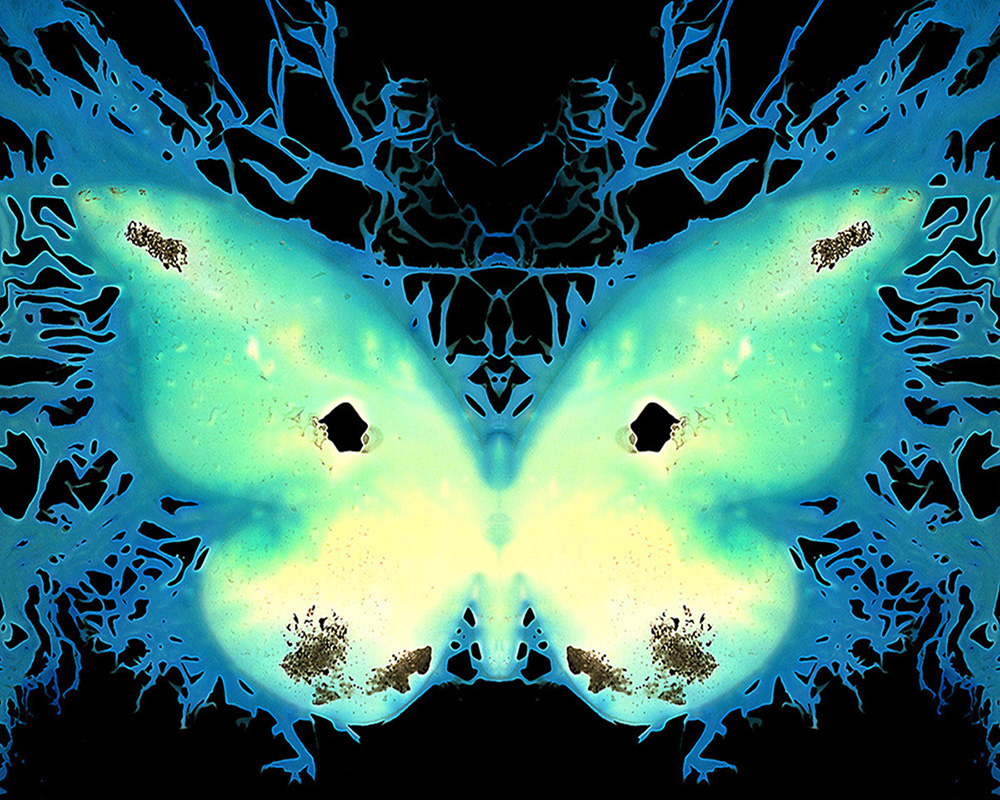
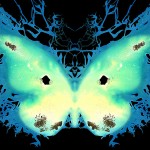
©Marky Kauffmann, The 6th Butterfly
Today, we give over the post to artist Marky Kauffmann to share a personal and devastating experience 0f childhood sexual abuse. In keeping with the attitude of Gisèle Pelicot, it is important to consider her words, “I hope to convey a message of strength and courage to all those who are subjected to difficult ordeals. May they never feel shame. Shame must change sides.” Thank you Marky, for your courage and honestly. Please be aware, this subject can be triggering.
Yesterday, August 9th, was Virginia Guiffre’s birthday. If she were alive today, she would have turned 43 years old.
At the beginning of Donald Trump’s second term, the Epstein files began to dominate the news cycle. The new president had promised, during his campaign, to release all of the files to the American public. But that immediate release never transpired. In November 2025, mounting pressure by the public and the US Congress resulted in the passage of the Epstein Transparency Act, which Trump reluctantly signed into law. In December, some files were released, but they were heavily redacted, and a number of victims’ names were left unredacted – visible for all to see.
Virginia Guiffre, the most outspoken Epstein survivor, died in April of 2025, but her memoir – her story – Nobody’s Girl, was released that October. In the book, she writes about SOAR (Speak Out, Act, Reclaim), the non-profit organization she founded, whose mission is to advocate for children and adults who have been sexually abused. SOAR uses the butterfly as a symbol of empowerment, and of transformation from victim to survivor.
Virginia Guiffre was sixteen when she was first abused by Epstein and trafficked to others. According to the American Academy of Pediatrics, a sixteen year old is a child. And in the majority of states in the US, one becomes a legal adult at the age of eighteen.
I, too, am a survivor of childhood sexual abuse, as is my sister, Louise. When we were children, our stepfather sexually molested us. He would come into our bedroom late at night, crawling on his hands and knees, with a flashlight. He would start with my sister, and then finish with me.
Part of our story is that, when we finally recounted what happened to us, our mother sent us to a psychiatrist to analyze the credibility of our story. That doctor did not believe us. He believed that we made it up. So, in that sense as well, our story shares a familiar pattern with the Epstein survivors. Disbelief… No one believed them. No one believed us…
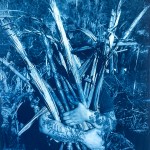
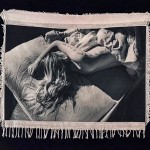
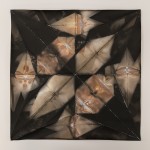
For the We Were Children project, I am on a mission to make at least one thousand chemigram butterflies for all of the Epstein survivors. Each of my butterflies is unique, as were the children – individuals who suffered terribly for too long. To create each butterfly, I use black and white gelatin silver paper, butterflies – cut from paper or cloth – and two chemical bleaches. I often add color with bleeding tissue paper.
The We Were Children project will take time. But I will finish it to honor the survivors. And I stand eternally grateful to Virginia Roberts Guiffre for her outspoken defense of the victims of sexual abuse, and for her fierce courage in the face of unspeakable crimes perpetrated by the wealthy and the powerful.
A conversation between Marky and Louise follows and then, a conversation with Aline and Marky concludes.
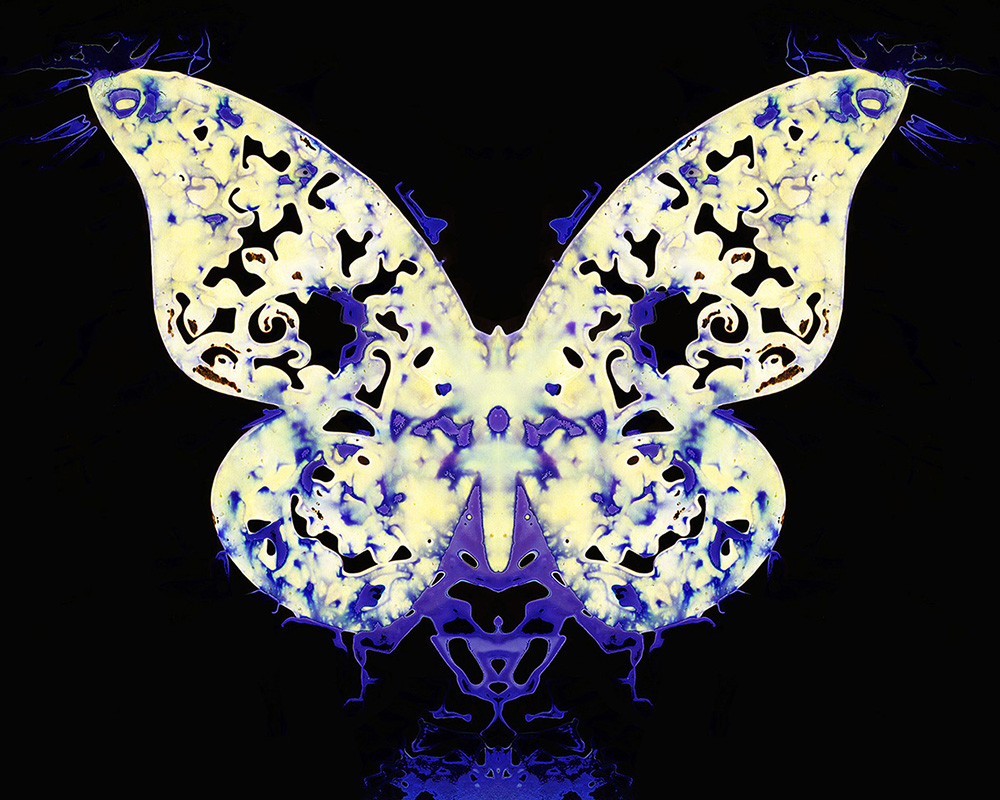
©Marky Kauffmann, The 8th Butterfly
Conversation with my sister, Louise Kauffmann:
How old do you think we were when the abuse began?
MK – I think I was 11, in 6th grade at Loudonville School. And you were in 7th grade at Girls Academy. I remember one morning before school, you woke up sobbing. He had “visited” us the night before. I remember feeling so sad that we had to go off alone – each to a separate school.
LK –Yes, I think I was 12. I have always thought I was 14 when it stopped. I remember thinking that we were too old – no longer sexually appealing to him, or smarter and less afraid to spilled the beans.
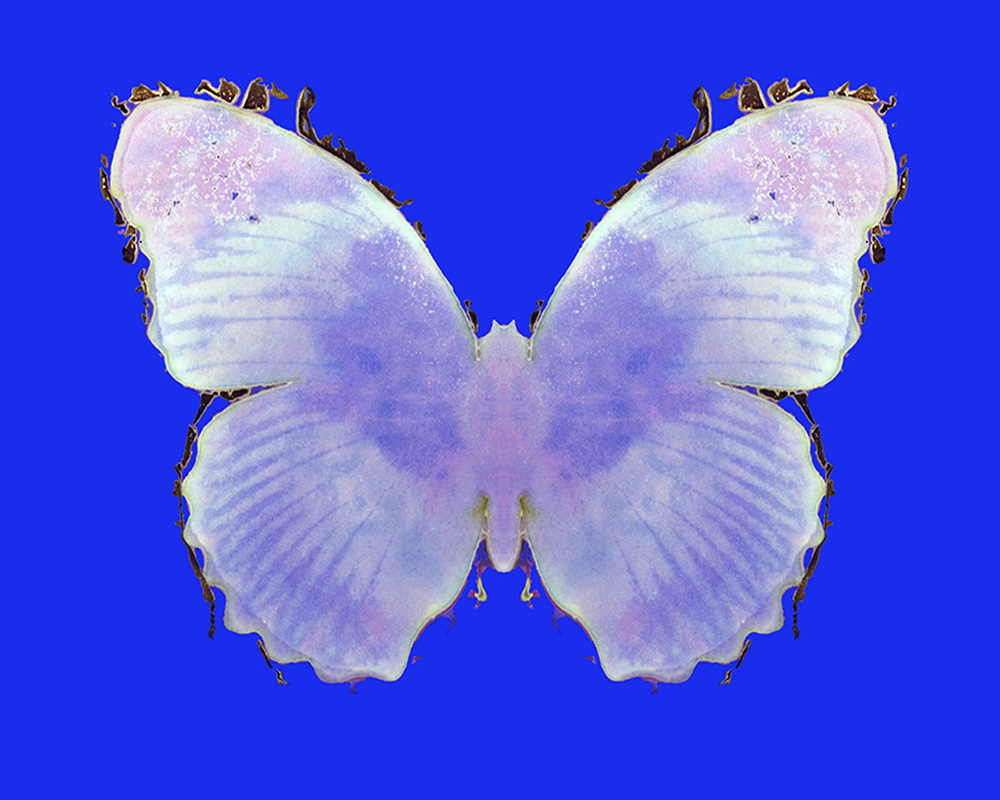
©Marky Kaufffmann, The 52nd Butterfly
How often did he come into our room?
MK – I have no idea. More times than I care to remember.
LK – Yes, same here. More times than I care to think about.
What did we know about sex at the time?
MK – I really didn’t know anything!!! But I knew it was “dirty.”
LK – I am certain I knew absolutely nothing, not only about sex, but about my own body. I knew it was wrong, but I probably didn’t think it was “dirty.” I am sure I didn’t think in those terms.
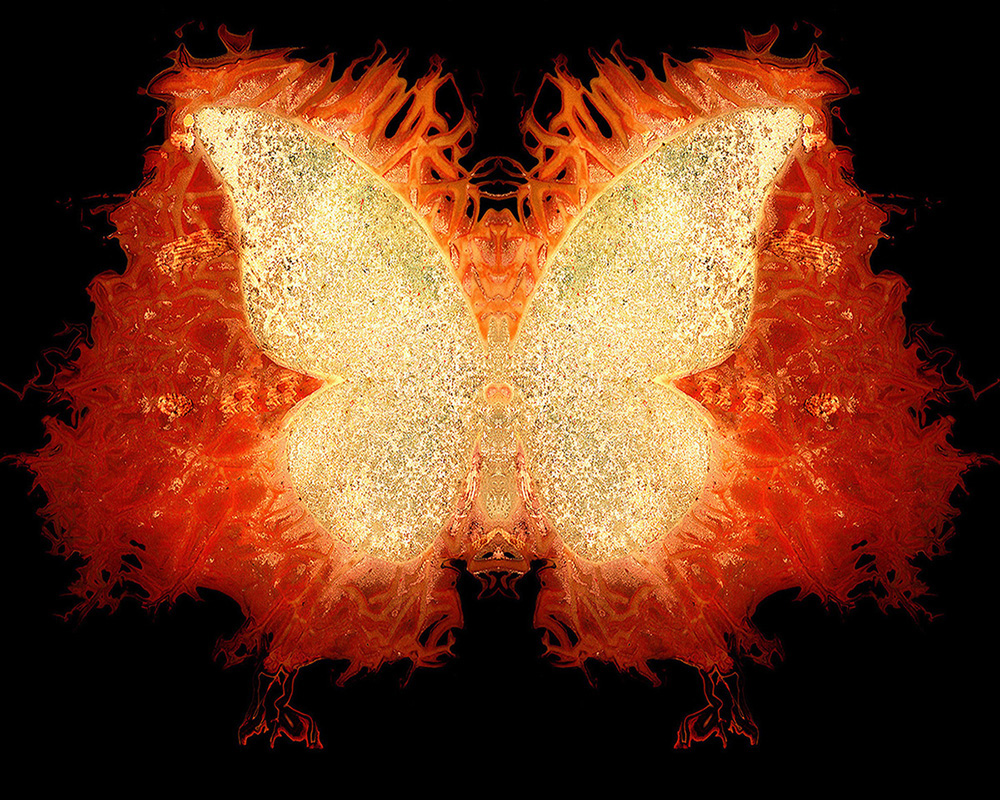
©Marky Kauffmann, The 54th Butterfly
During the time of the abuse, did you and I ever talk about what happened during those episodes?
MK – I don’t think so. Not at the time. I remember when he was at your bed; I would cough so he would know I was awake. Or I would toss and turn. But it didn’t stop him from leaving your bed, or from coming to mine. I think my greatest moment of fear was when I heard the door open and saw the light from his flashlight.
LK- No, not that I can recall. My clearest memories were of him just appearing next to my bed and me absolutely freezing. Going completely still, lying on my back. I don’t remember you coughing or making any sounds whatsoever. It felt like something I had to endure, and so I did.
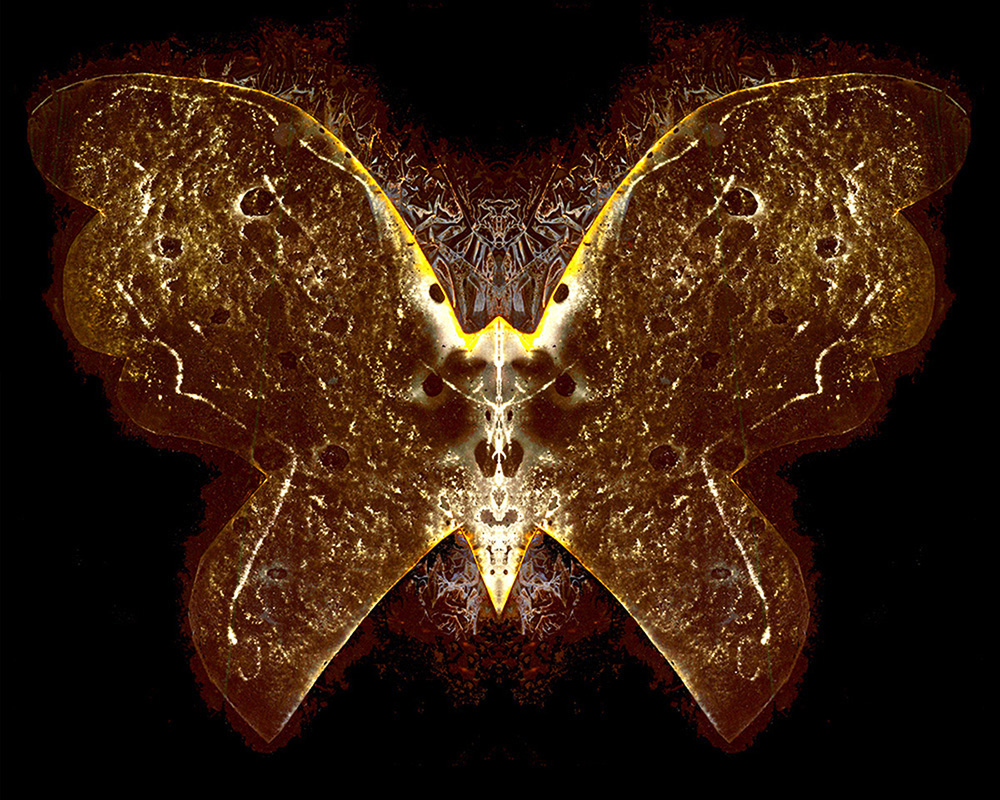
©Marky Kauffmann, The 80th Butterfly
When you were in college, you finally told our father. Why?
LK – I have no idea why I finally told Dad. Maybe just to get his attention. Of course, Mom was furious and refused to believe me.
We never told anyone for years. Why?
MK – I think we knew that if we told, all hell would break loose. We had already relocated from D.C. to Albany, when Mom got married to Dave. That was hard enough. Would we have to do that again? Move again? Where would we go? I was terrified of all of those possibilities. Perhaps that’s why we never really talked about it – that even talking to each other would open up Pandora’s box. But, wow, what a burden on two young girls…
LK – The only answer I can come up with is that we knew it would completely break our family. It was a broken family already because of our parent’s divorce, but the pieces were still somehow connected. Once we revealed what happened, no one would ever recover.
MK – I often think about how terrified the Epstein victims must have been. How many of them didn’t say a word because the telling of their stories would open them up to judgment, blame and possible danger? And those who were brave enough to recount what happened to them? They were ignored, or told they were liars.
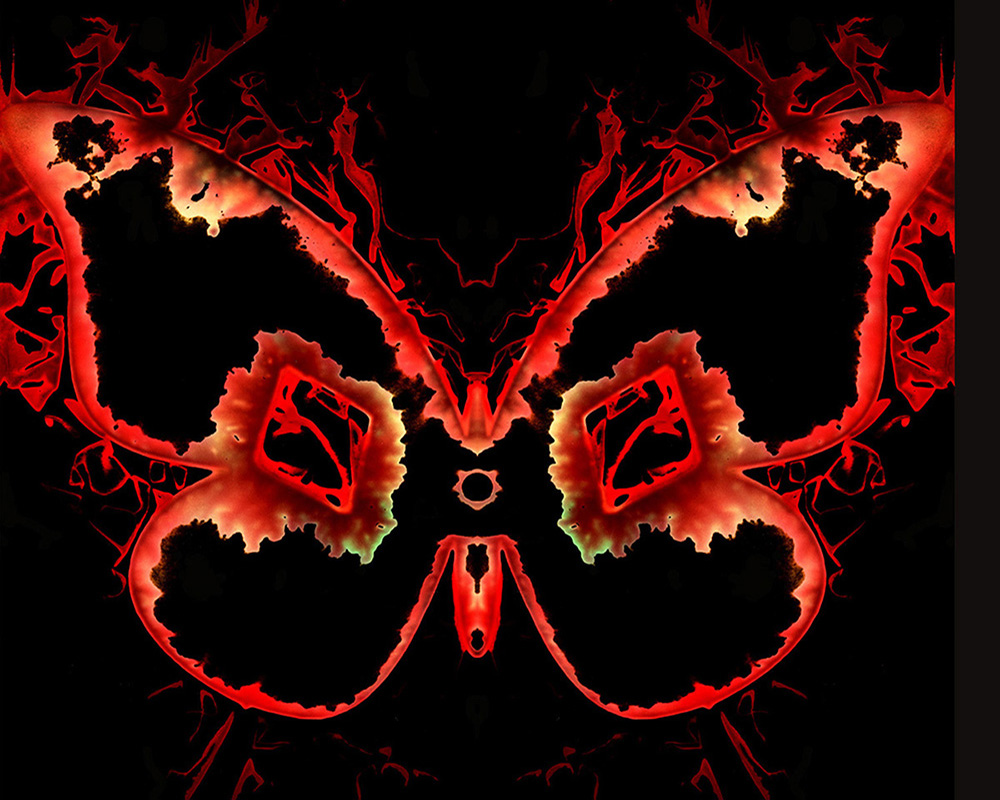
©Marky Kauffmann, The 86th Butterfly
A conversation between Aline Smithson and Markey Kauffmann follows:
Aline Smithson: What got you started on this project at this moment in time?
Markey Kauffmann: The Epstein/Maxwell story really caught my attention in 2025, when Maxwell got moved to a minimum-security prison. It was obvious to me that the move was a bribe, and that she had something on Trump. Of course, I knew Trump had been accused of egregious sexual assault, and even admitted to it on the Access Hollywood tape, but now we are talking children…and my blood began to boil. I made my first butterfly in October 2025.
Has the art making helped you process your history?
Absolutely. I am making something beautiful from something ugly.
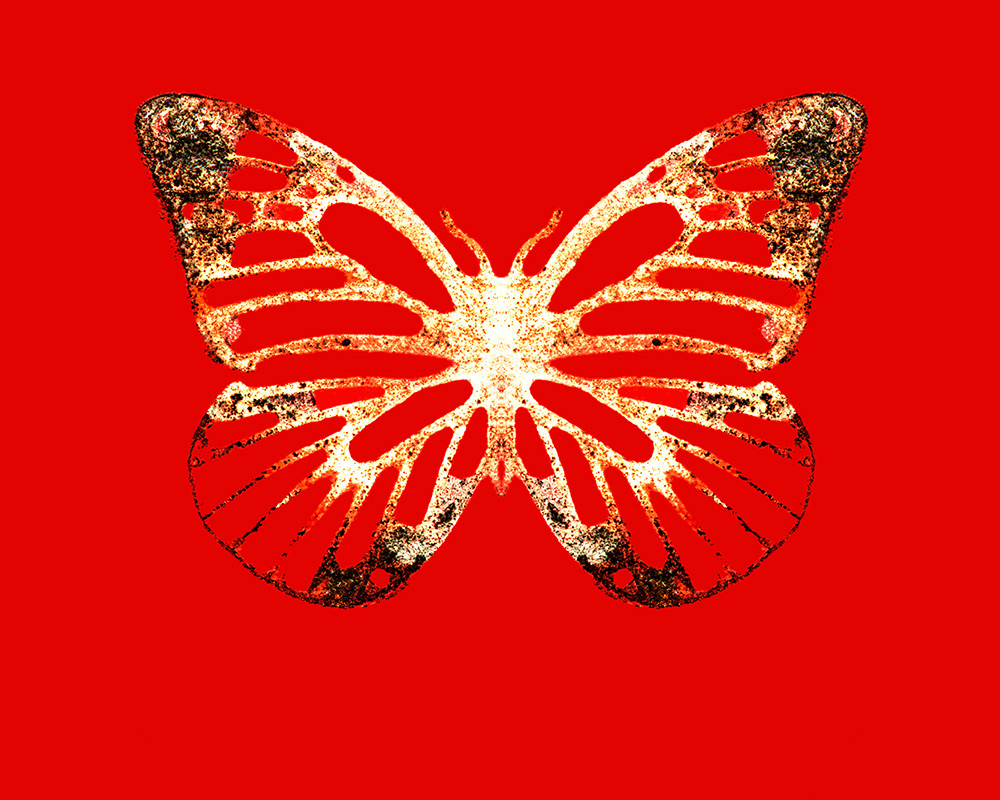
©Marky Kauffmann, The 111th Butterfly
The butterfly is a powerful symbol throughout this project. How did you arrive at using the chemigram butterfly as both a personal and political form of remembrance?
People will find this hard to believe, but I started making the butterflies before I even knew that Virginia Guiffre had thought of it. For me, it was the butterfly’s childlike fragility, innocence and beauty that I was drawn to. What Guiffre wanted to call attention to was the change from caterpillar to butterfly. For her, that metamorphosis symbolized the transformation from victim to survivor.
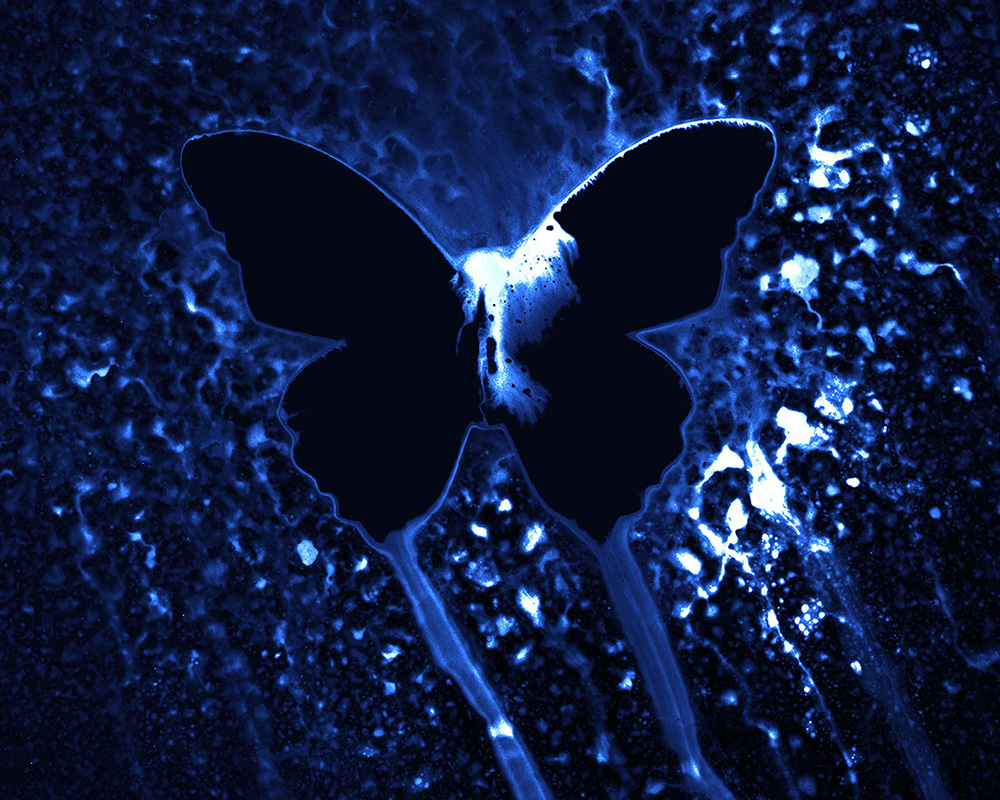
©Marky Kauffmann, The 113th Butterfly
You describe creating one thousand unique butterflies, one for each survivor. What does the repetitive, labor-intensive act of making become for you emotionally and psychologically? Is it memorial, protest, healing-or all of the above?
I had and continue to have guilt and shame about what happened. I couldn’t stop what was happening to my sister. And my sister, I am sure, feels the same way. She couldn’t stop what was happening to me. So, for me, the making of these butterflies is primarily about healing. And yes, the nature of this work mirrors the nature of the healing process. The work of healing takes time and can be exhausting. But the butterflies are also a protest. Many of the Epstein survivors were kids! How is it that the only person in jail is Maxwell? Where is the accountability? Now that we have information about what happened to those girls, why aren’t those perpetrators in jail?
Chemigrams embrace unpredictability through the interaction of photographic paper and chemistry. How does that unpredictability parallel the complexities of trauma, memory and survival?
What an interesting question! Chance plays a big part in the making of chemigrams. I really never know how a particular butterfly will come out. When I pull the butterfly shape off of the silver paper, will the result be gorgeous, or a complete mess? There were elements of chance in our abuse situation, as well. Will he come in tonight? Will I ever feel safe in my own bed again? And, on a more profound scale, will this abuse be discovered, and if so, will our family be torn apart once again?
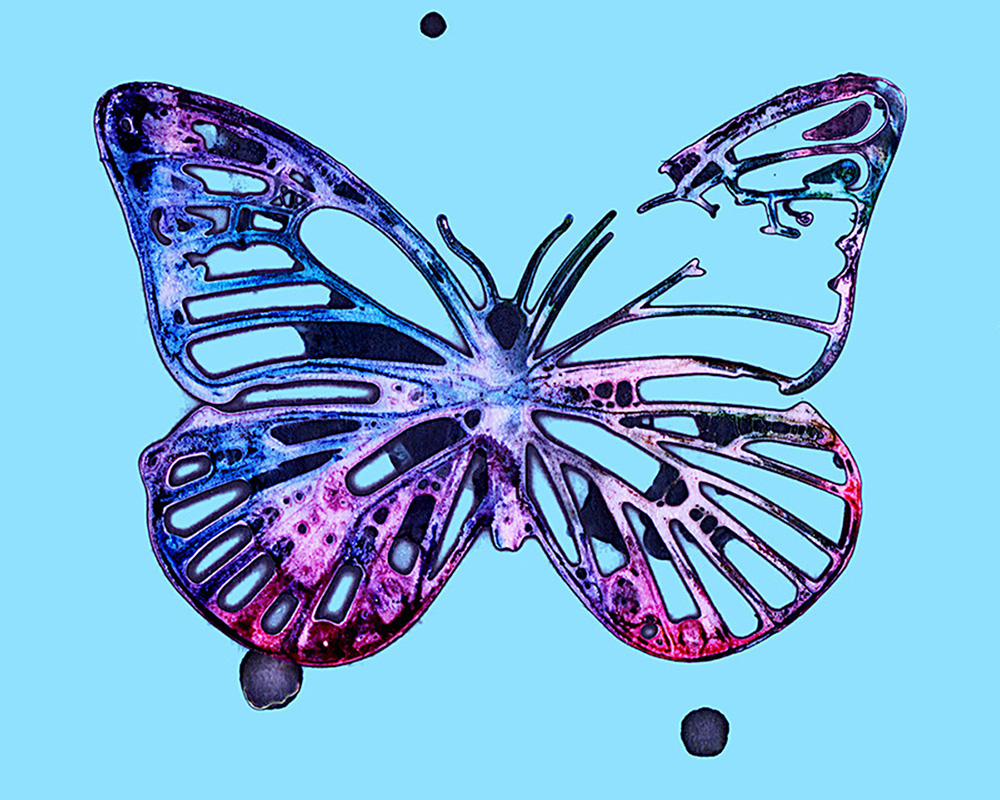
©Marky Kauffmann, The 120th Butterfly
The title “We Were Children” is both simple and profound. What conversations are you hoping that title initiates before viewers even encounter the work itself?
Perhaps, in the era of Epstein, viewers might have an idea of what this is about before they encounter the work. And maybe I should have used the word “kids.” But, for me, the word “children” is synonymous with the word innocence. And that’s what this is about – the stealing of innocence. There is a scene in the film “Spotlight” where actor Mark Ruffalo screams at his editor, Robby Robinson, “They knew, and they let it happen to kids!” It’s one of the most moving moments in cinematic history. I think the sexual abuse of children – by stepfathers, priests or billionaires – is an atrocity.
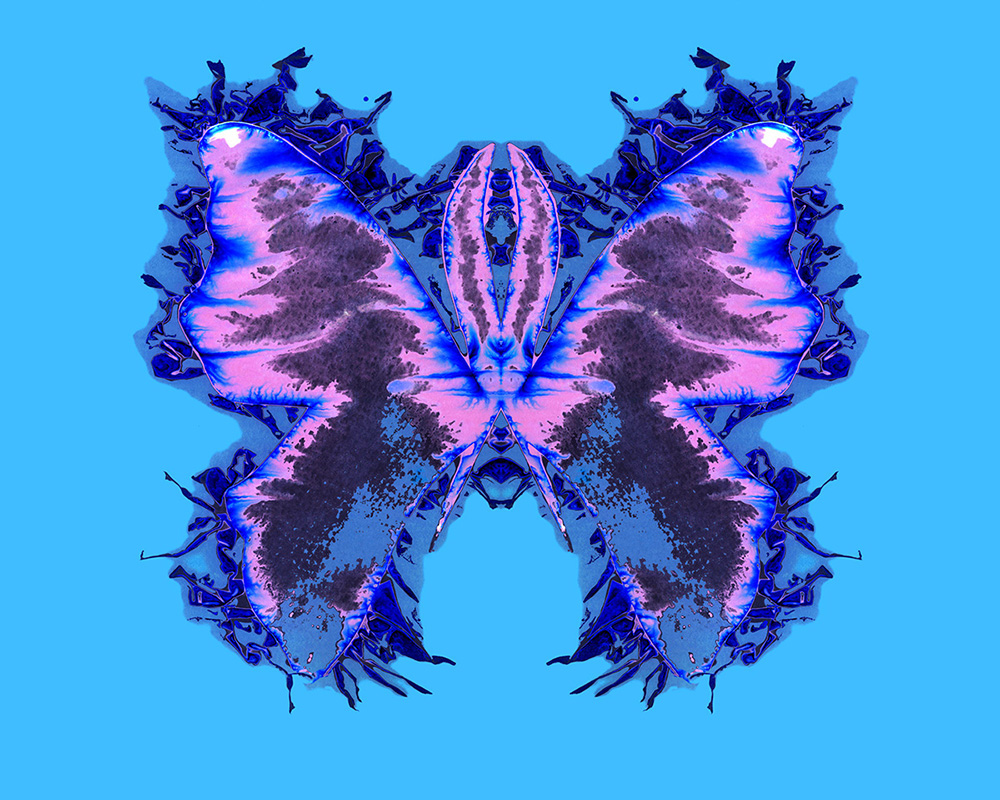
©Marky Kaufffmann, The 121st Butterfly
After spending so much time immersed in this project, has your understanding of resilience or healing changed? Has making this work transformed you in unexpected ways?
The time involved in making the butterflies will be extensive. That’s a good thing. There are no quick fixes here. What I still find hard in this healing process is getting over the shame. Why should victims feel ashamed? Why have we hidden these stories for so many years? I continue to grapple with these questions.
Thank you, Aline, for helping to share this work and our story.
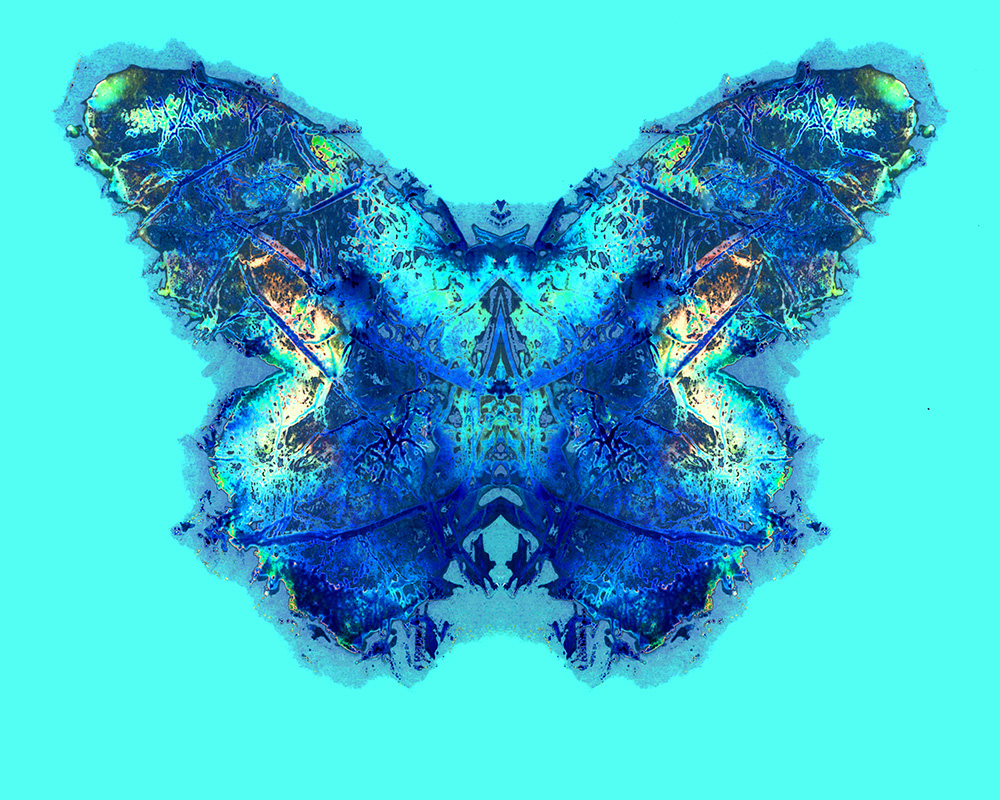
©Marky Kauffmann, The 149th Butterfly
And finally, Is your mother still alive, and if so, what is your relationship today? Did she ever change her thinking?
No, she died in 1993. In time, she came to understand that we were telling the truth. I loved my mother a great deal. She was married to my stepfather at a time when so many women were trapped in bad marriages. They had no access to credit cards, no job prospects, no ability to buy a home. It must have been horrible. She and my stepfather got divorced soon after everything came out, and she moved back home to D.C. to start a new life.
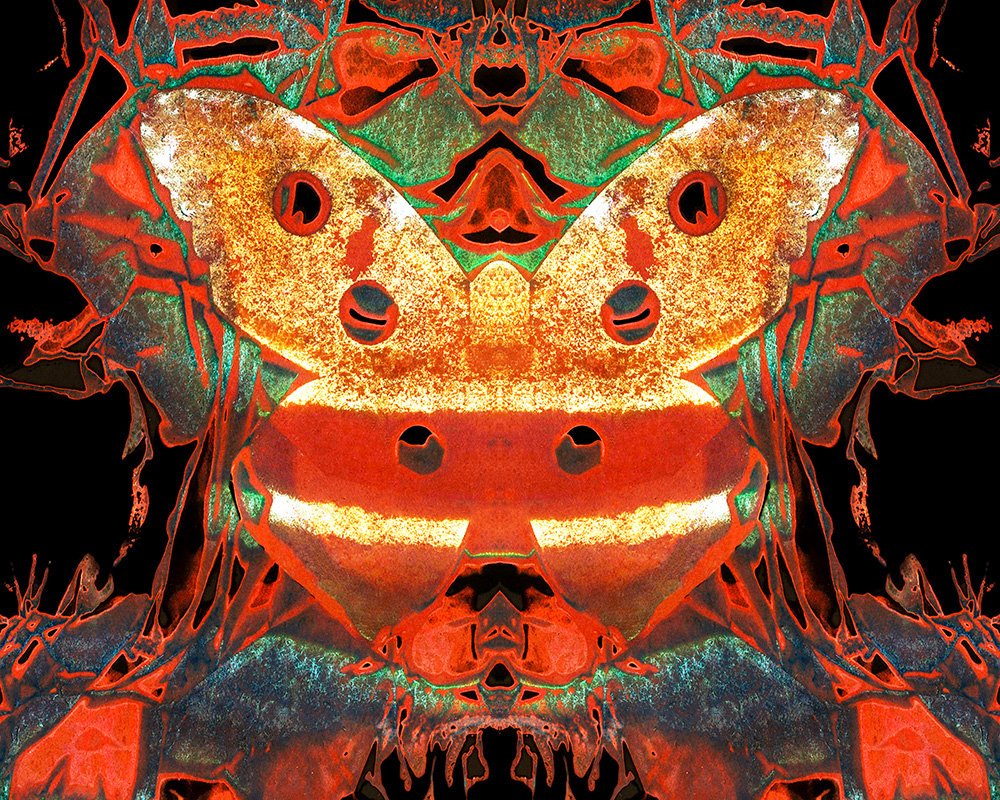
©Marky Kauffmann, The 153rd Butterfly
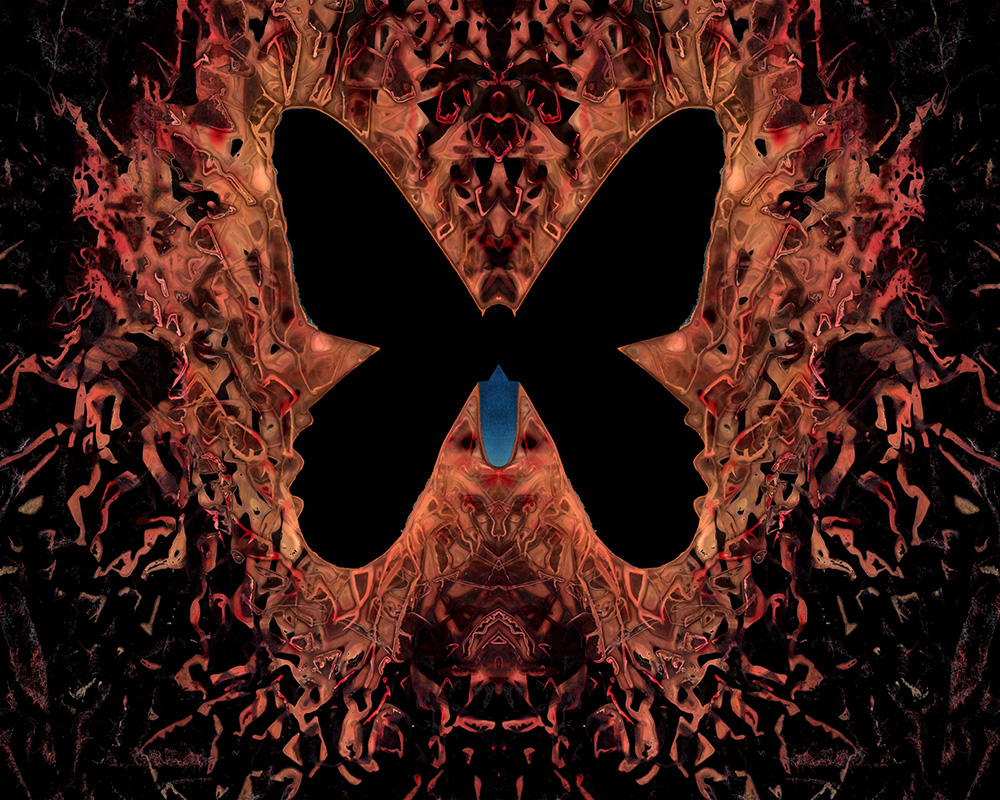
©Marky Kauffmann, The 170th Butterfly
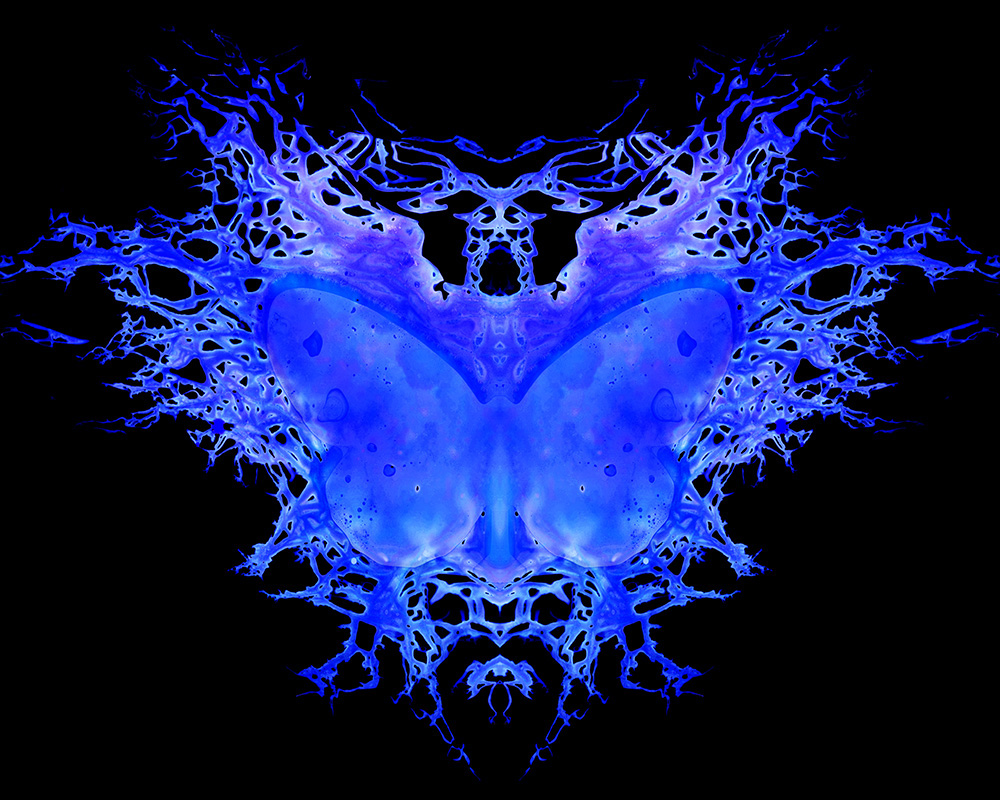
©Marky Kauffmann, The 171st Butterfly
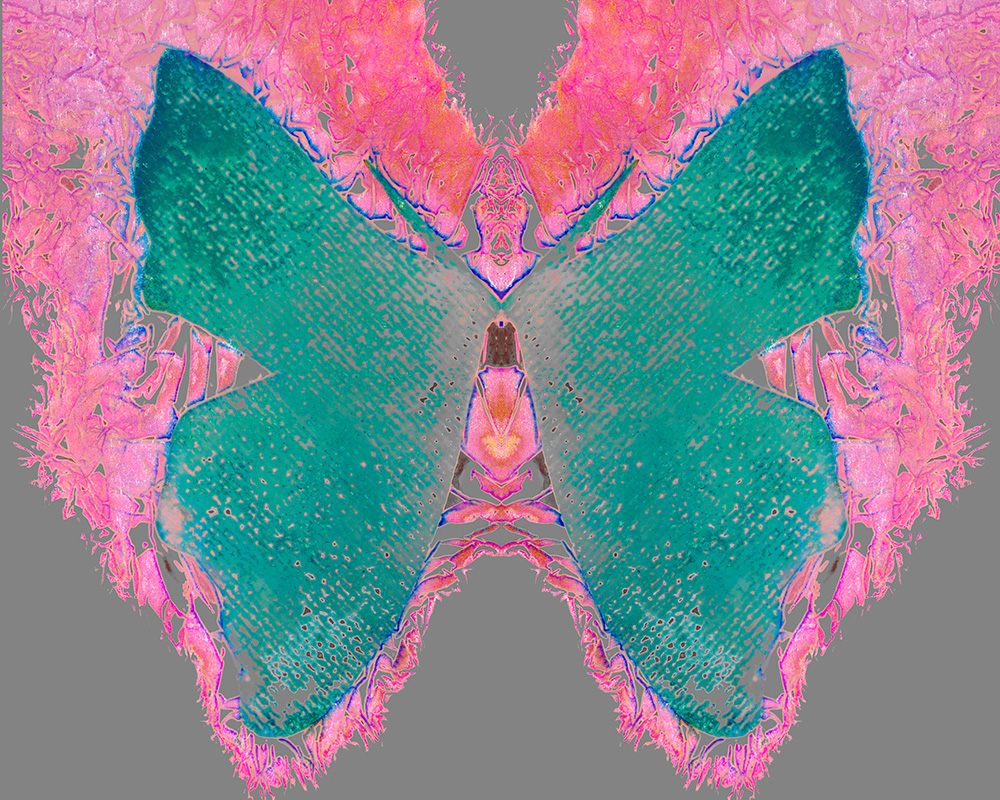
©Marky Kauffmann, The 178st Butterfly
Marky Kauffmann is a fine art photographer based in Somerville, MA. She has won many awards, including a Massachusetts Creative Individual Grant in 2026, and a Massachusetts Cultural Council Artist Fellowship in 2017. In 2025, she won the Griffin Museum Lens Award, and 1st Place in the Digital/Collage category of the 26th Julia Margaret Cameron Awards. In 2024, she won a Silver Prize in the Analog Sparks Film Awards, and in 2023, she was the winner of the Julia Margaret Cameron Awards Alternative Processes category. Kauffmann was a Critical Mass Top 200 Photographer in 2016 and 2017.
Kauffmann is a passionate educator who taught photography at the secondary level. She also spent 20 years teaching adults at the New England School of Photography in their Evening Workshop Program. Currently she teaches at Milton Academy’s Saturday Course.
Kauffmann has curated several exhibits including “Beyond Mothers and Children: New Feminist Photographers,” “Outspoken: Seven Women Photographers” and “Moved To Act! Demonstrations, Marches, Political Actions.”
Kauffmann served on the Griffin Museum of Photography’s Board of Directors for nine years as a Corporator, and currently serves as their Secondary School Educational Councilor.
Kauffmann uses traditional darkroom techniques, alternative processes and digital editing to create her unique images.
Instagram: @marky.ek
Louise Kauffmann is a graduate of Mount Vernon College. She worked for many years as the Director of Housing and Community Development for the city of Gaithersburg, Maryland, securing housing for low-income people. She also spent 8 years as a volunteer rape counselor at hospitals in her community. In recent years, she has volunteered to help support cancer patients, making home visits and aiding them in managing their health care services. Kauffmann is an avid gardener and hiker.
Posts on Lenscratch may not be reproduced without the permission of the Lenscratch staff and the photographer.
Recommended
-

Marky Kauffmann and Louise Kauffmann: We Were ChildrenAugust 10th, 2026
-

Student Prize: Top 25 to WatchAugust 2nd, 2026
-

Still Life Week: Alma HaserJuly 29th, 2026
-
Photography Educator: Jillian M. BrowningJuly 24th, 2026
-

Craig Easton: An Extremely Un-Get-atable PlaceJuly 6th, 2026