Evie Metz: LENSCRATCH Student Prize 3rd Place Winner
© Evie Metz
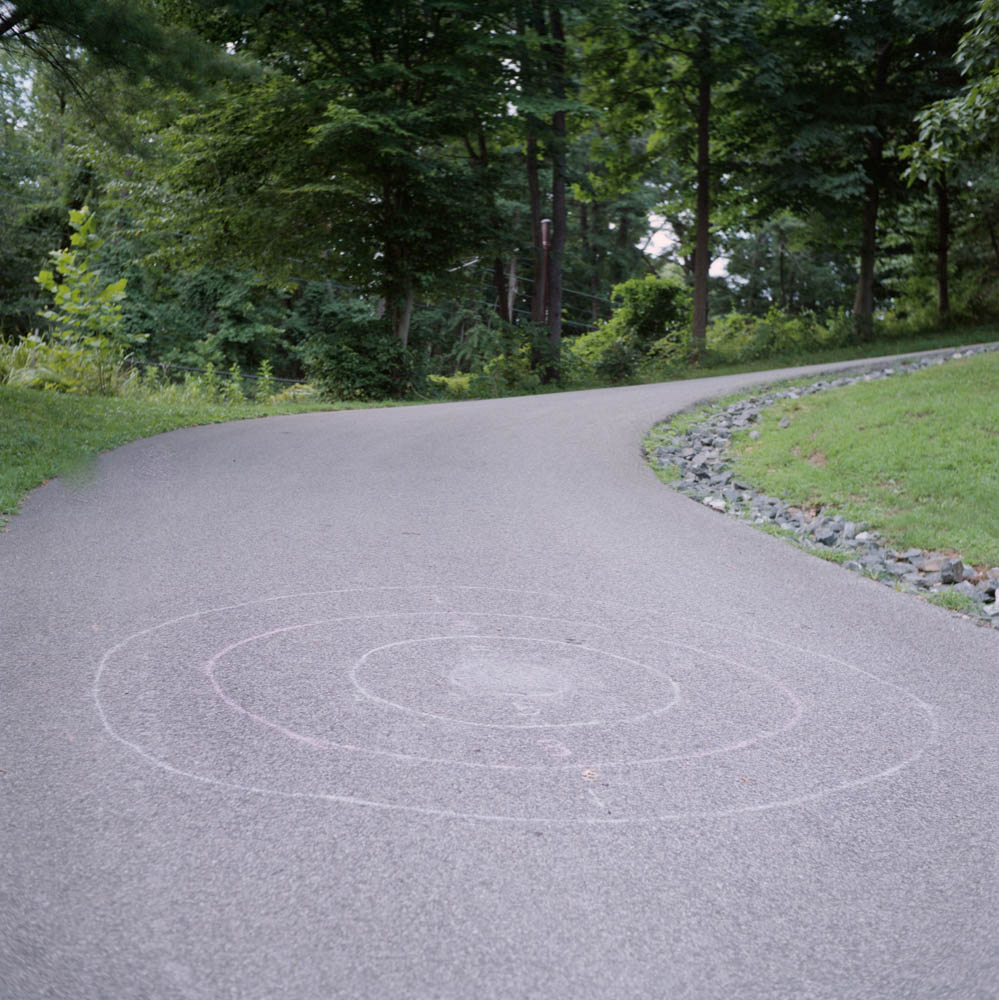
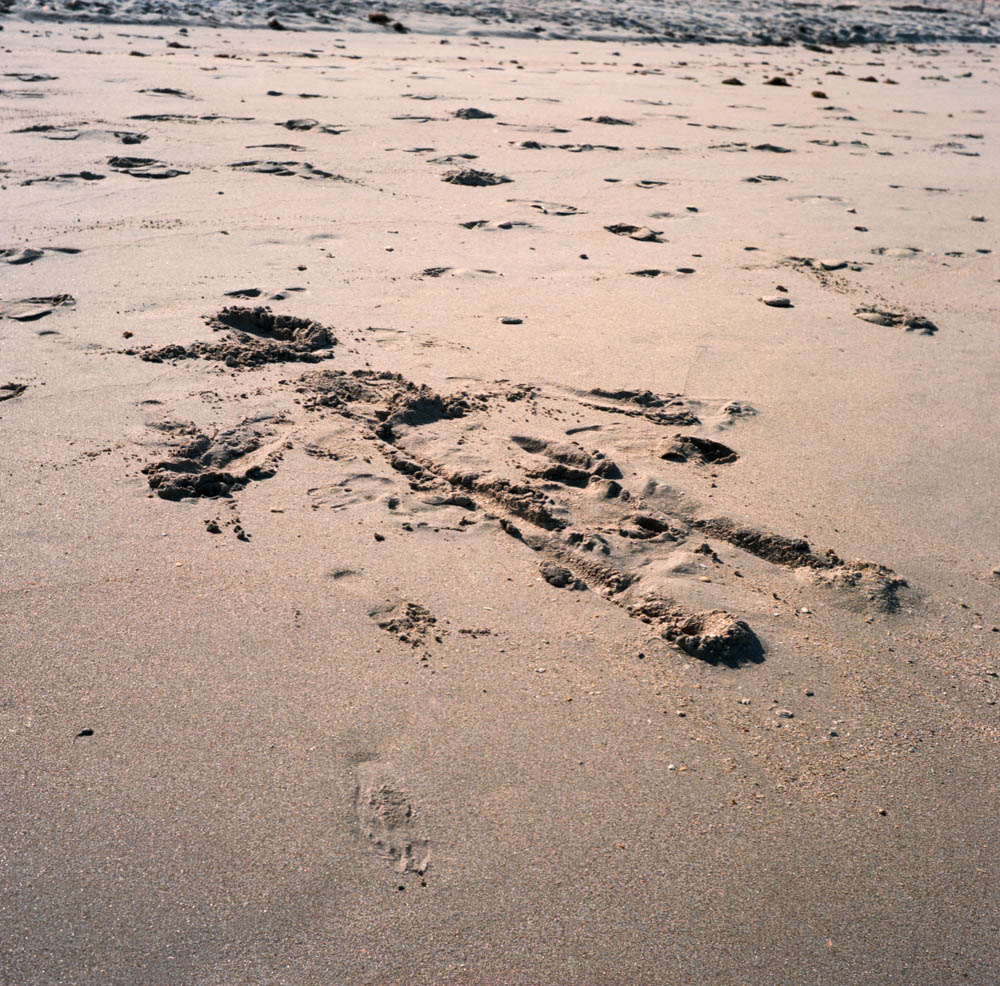
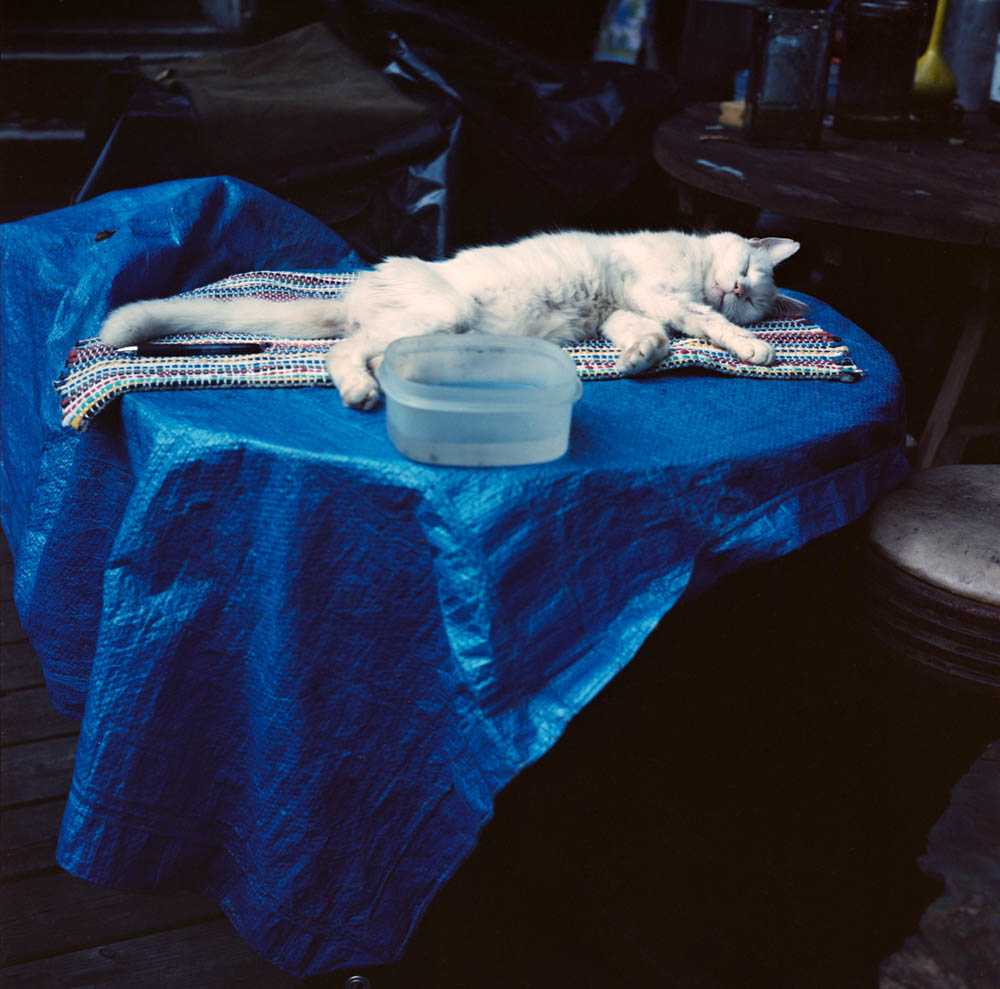
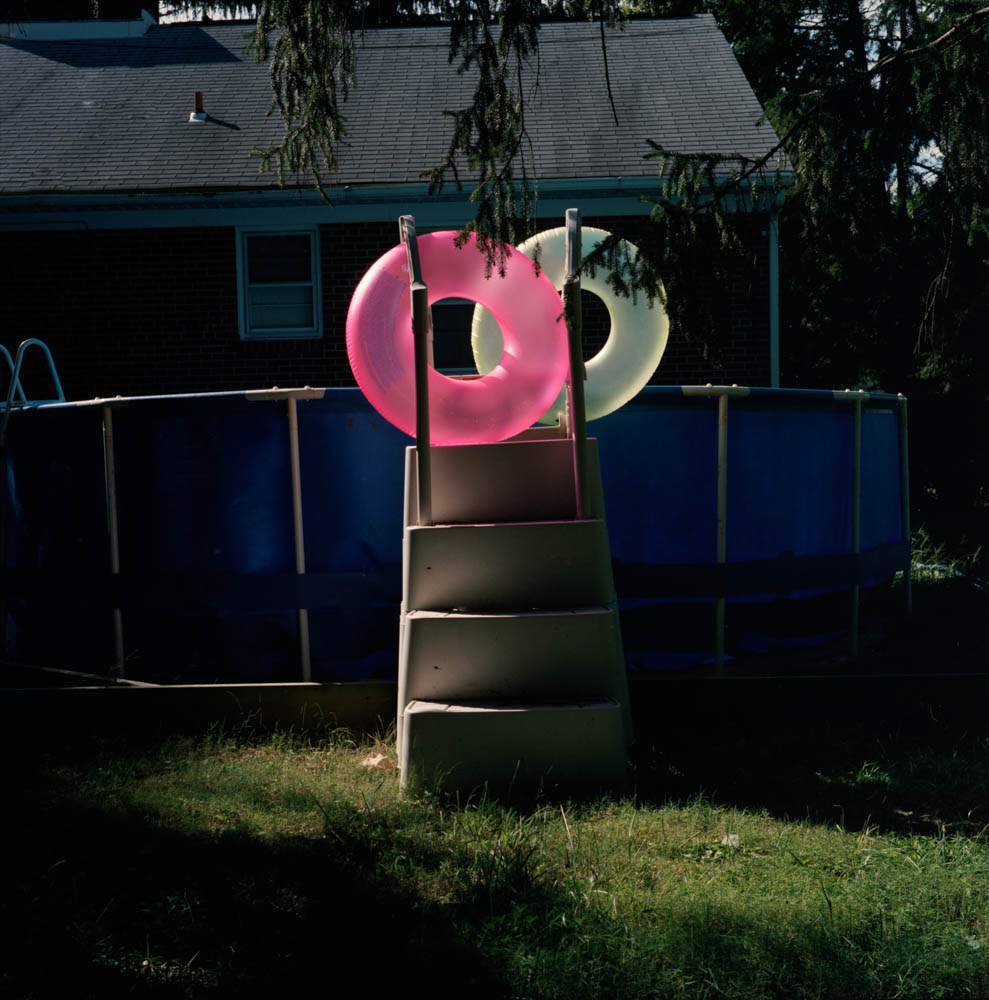
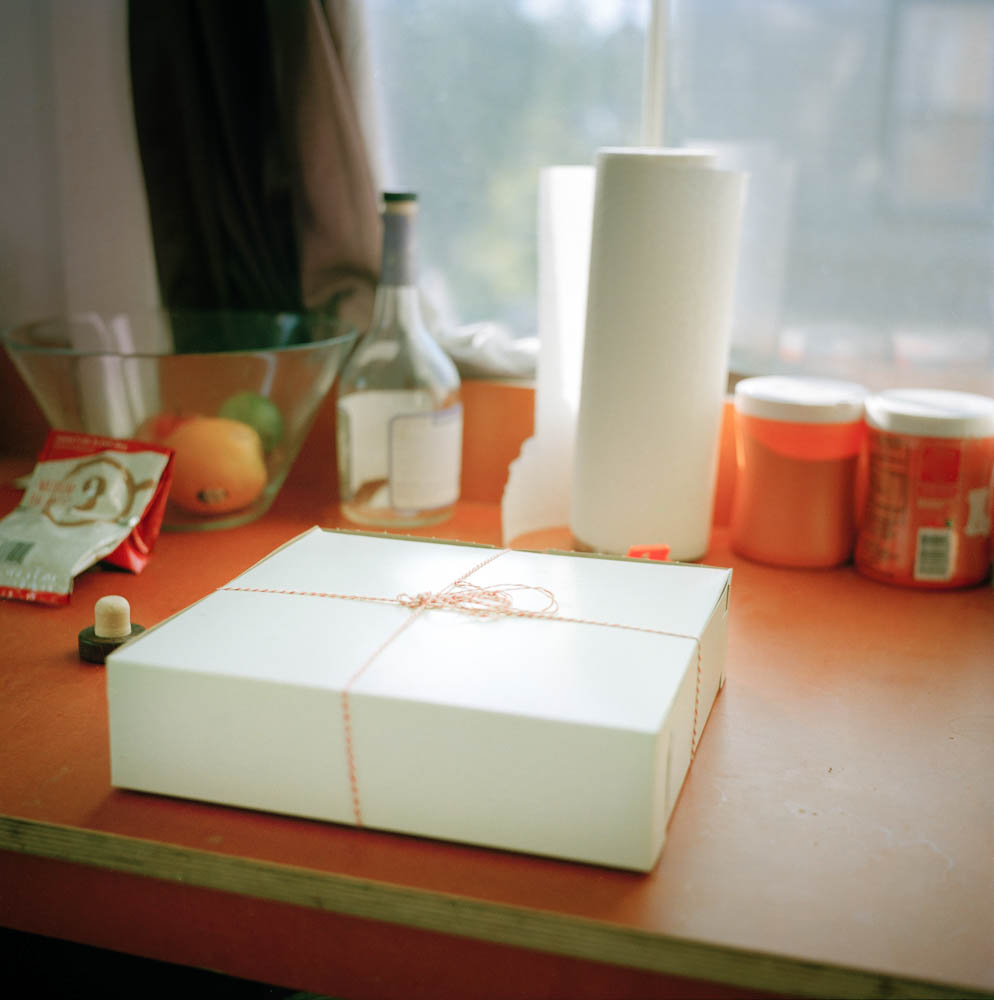
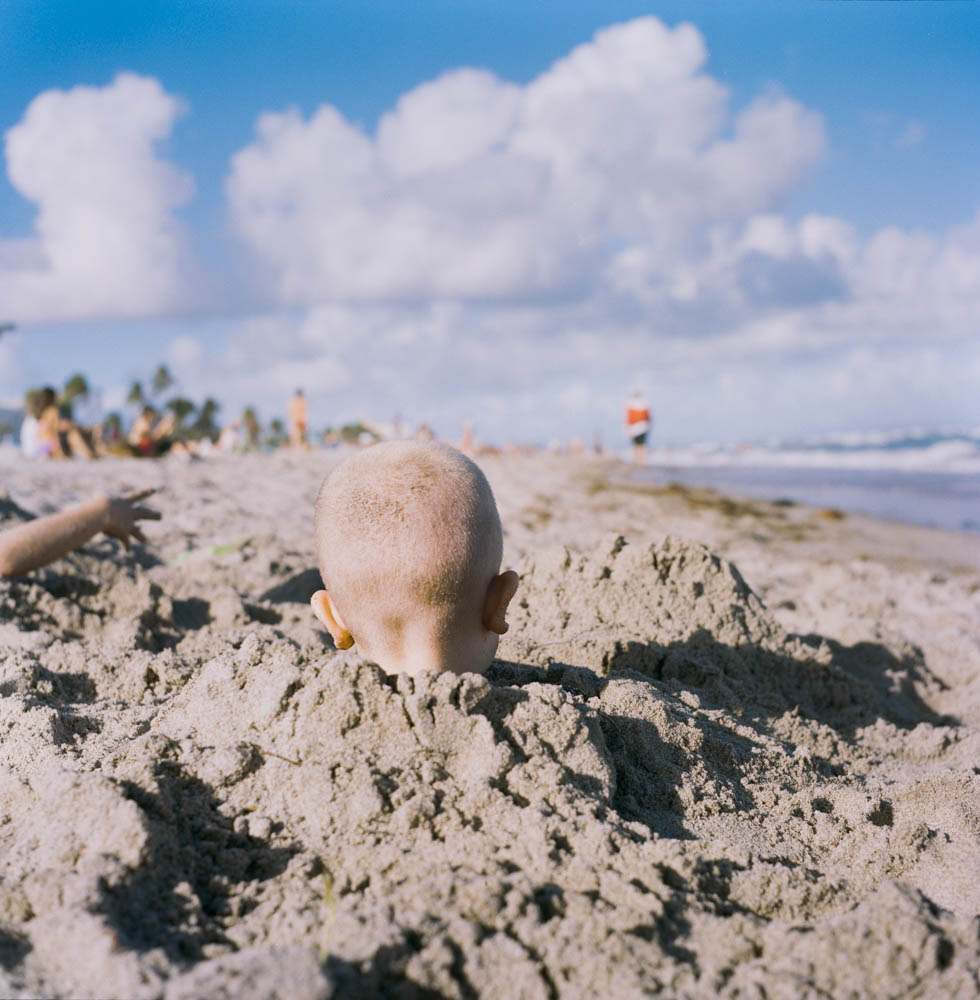
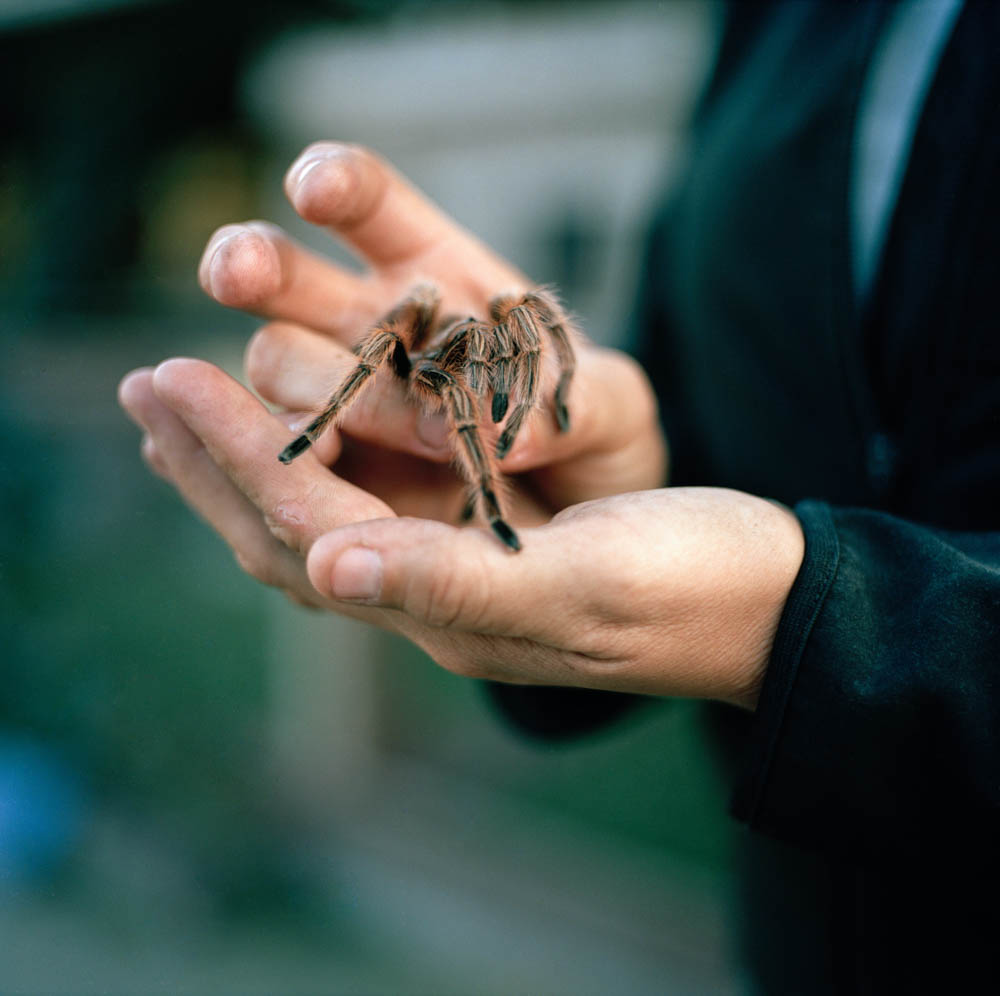
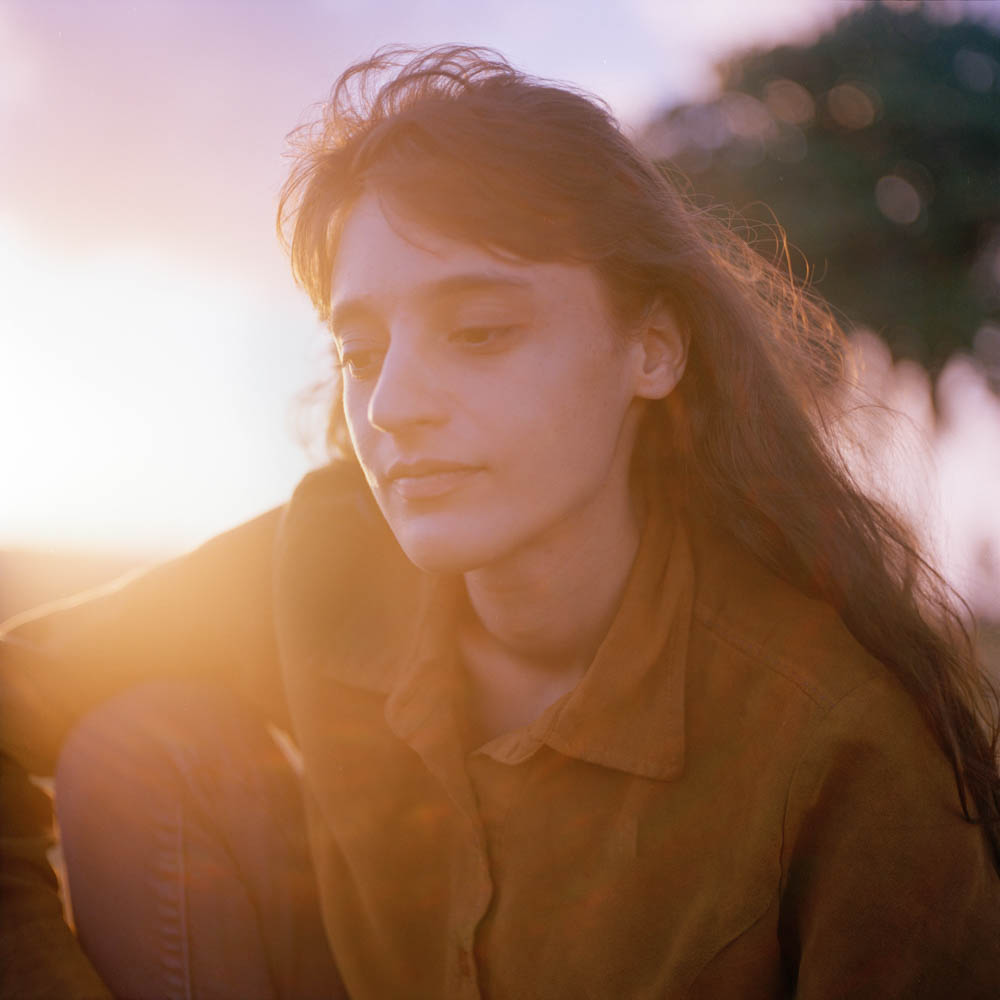
Evie Metz is our third place student prize winner for her work titled, Seeking Stephanie, an intriguing and unique response to feeling displaced in a new location as many young adults do when leaving home for college. While viewing these photographs, I feel a multitude of emotions both banal and strange that are triggered by nostalgia brought on by her use of film aesthetic and unusual image pairings. These moments captured feel as though they are suspended without a clear representation of time or location. I find this work to be an expression of self-discovery and a visual illustration of the self-consciousness felt when uprooted from the familiar. This Fall, Evie will begin studying for her MFA at the Virginia Commonwealth University (VCU).
Evie Metz was born and raised in a small town of South Florida and currently lives in Baltimore, Maryland, where she just completed four years at MICA (Maryland Institute of College of Art) and received a BFA degree. Through her photographic process, Evie develops a distinct style and palette as she adapts her way of seeing and responding to moments around her. She is primarily a film-based photographer interested in telling stories through visual means. Her photographs are not staged or planned, but rather the result of reacting to her present surroundings in an effort to preserve moments perhaps otherwise unnoticed. By highlighting and capturing these passing moments, their ordinary purpose becomes decontextualized. In these rituals of life, from the most personal spaces of her own to the more unfamiliar of strangers and friends, she captures special instances of the world around us that exceed her own initial motivations for self-understanding.
© Evie Metz
Seeking Stephanie
The title is derived from a decision I made before leaving home for college. My birth first name is Stephanie. In anticipation of relocating to an unfamiliar city, I felt motivated and more comfortable behind the mask of a moniker. Upon arriving in Baltimore, I introduced myself as “Evie”. In many ways there seemed to be an important differentiation between these names with respect to identity. However the role of artist and self has become so intertwined that I no longer feel the differentiation. This merging of identity, personality, and understanding have all come to the surface while shooting these photographs that mark an ending of this four year period of self-discovery. Together these photographs create a diarist poem that channels self portraiture in many aspects. There is constant confrontation between dual forces, that of the external against that of the internal, spaces of coolness towards moments of warmth, and animalistic tendencies towards the humane.
© Evie Metz
Whose work inspires you right now?
Always Bob Dylan. Recently I’ve been reading crime novels and pulp-fiction, like James M Cain and Mickey Spillane. A favorite author of mine I return to is Jim Carroll. I read his diaries first when I was 14. Tristessa might be my favorite Kerouac. The Robert Aldrich film Kiss Me Deadly… but especially the Peter Bogdanovich film The Last Picture Show! I’ve been listening to the album Roast Fish, Collie Weed, & Corn Bread over and over too.
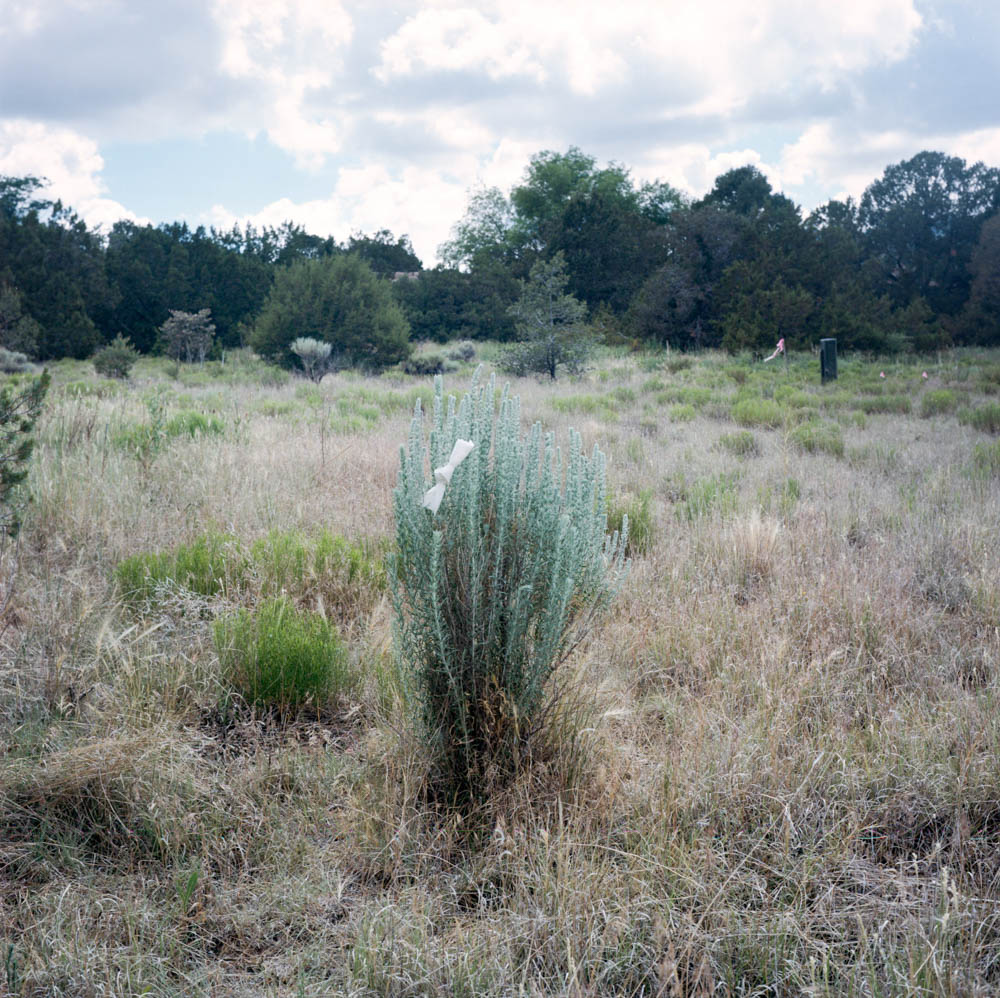
© Evie Metz
How did you become interested in photography and what led you to choose it as your major of study?
I’ve always thought I notice things that go unseen. The making of pictures became my way to save and highlight these important moments. I soon realized that by making photographs I gained a deeper understanding of the world around me. One of the strongest ties I have to making images is that they always seem to reveal more truth than I could otherwise express verbally.
During my first few years of making photographs, I was working in B&W in a darkroom. The very first significant photograph I made was a self portrait with a homemade pinhole camera. I put my oatmeal box camera on a rock not far off the ground, opened the shutter, and sat a couple feet away on another rock. Understanding the fundamentals of what makes a physical photograph and the bare necessities required revealed to me the act as it is, magical, seductive, and surprising. It became apparent that with these tools I could reflect my internal interpretations, and with that realization I was hooked. Many of my early pictures, beginning when I was 16 years old, were constructed without any negatives. I was using found objects, like the pieces and peels from a clementine after lunch, or snakeskin from my backyard, to construct abstract and representational images that spoke more to emotion and visual recognition than reality. Working out of a bathroom converted into a darkroom, making pictures became an all night affair, somewhat obsessively. I was very carefree and experimental and probably should have worn a respirator.
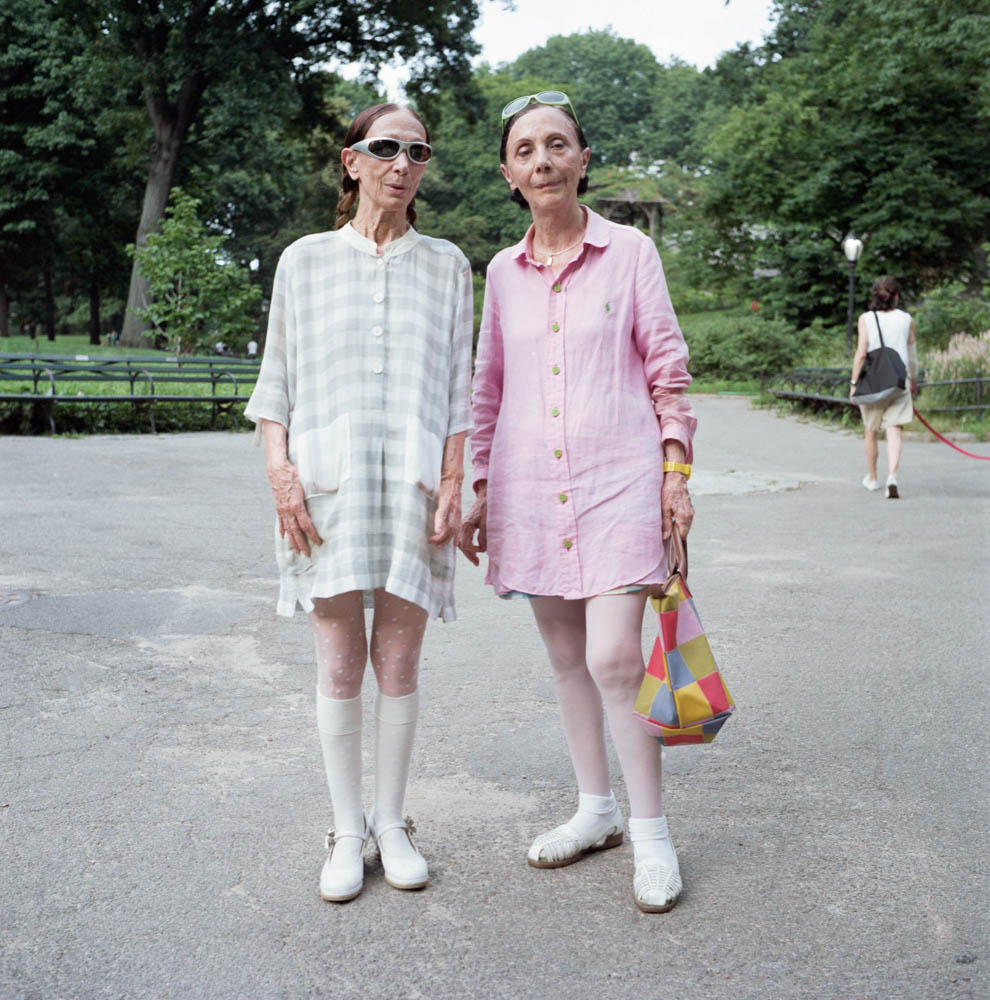
© Evie Metz
What draws you to shoot in square format?
Succinctness and the orientation of the twin lens camera is my draw to square format. I like that it doesn’t shield me from the subject while photographing. There’s more of an emotional openness in not hiding my face from what or who I am shooting. With a camera held at the hip, I can do this. It allows mutual vulnerability. It can also allow the opposite because I can be photographing someone less noticeably since I don’t have to hold a camera at my face aiming their way, it’s discreet in this way.
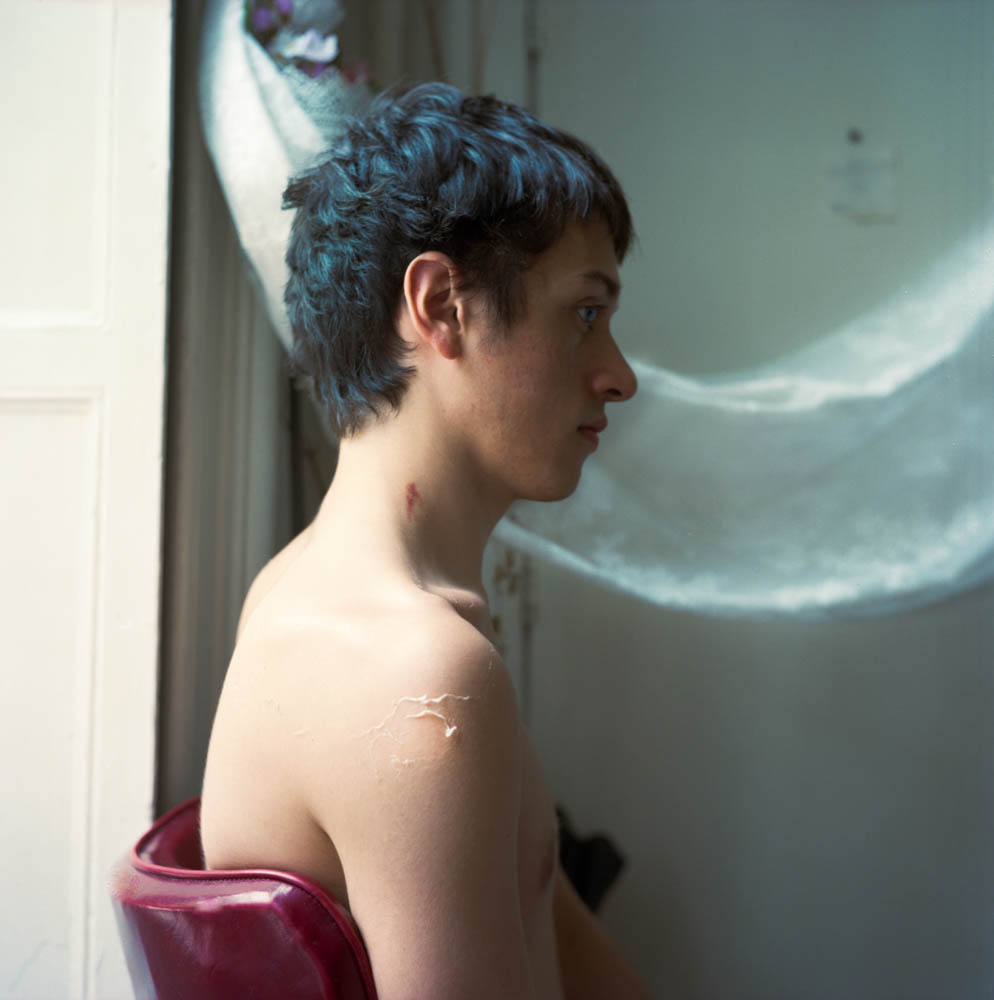
© Evie Metz
Why did you choose to separate your body of work into chapters? Did you find this inspiration from another artist or was it perhaps to reference literary works?
Further along in editing, I started to notice some divides in the work. These divisions are in relation to my process and progress. For example, the first chapter titled “Seeing and Being” refers to how I began making this body of work. I was learning to make the act of seeing and being sort of synonymous, or in other words learning to see moments that reflected aspects of my inner self.
My use of chapters function primarily as pauses or breaks; similar to a blank line between stanzas in a poem. I hope my choice for defining them as chapters, rather than segments or groups, will evoke the conversation of photography as a language. Every single photograph contains a story entirely of its own. Together they act as words in longer statements. I am interested in the relationships between photography and poetry.
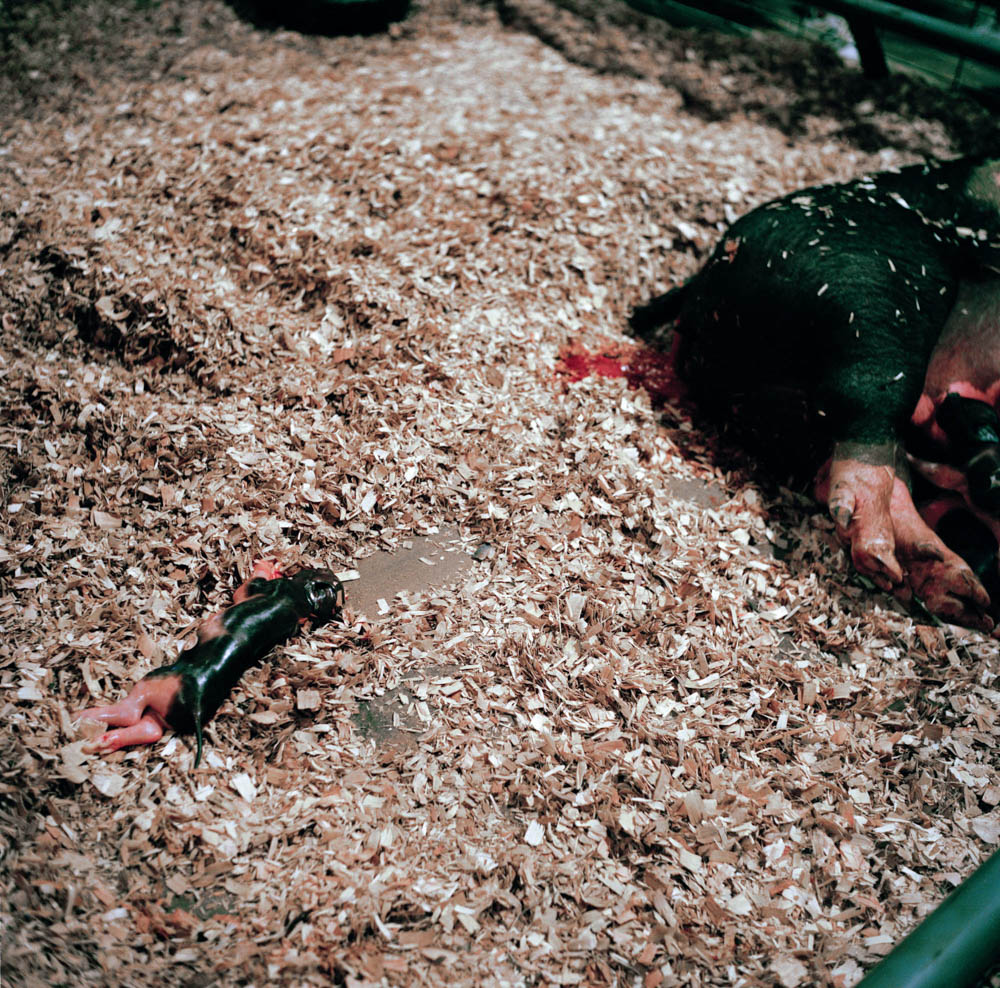
© Evie Metz
Choosing to go by a different name is a really interesting and spontaneous act. Do you find that this work is a deconstruction of your former identity or like a puzzle that helped you put yourself back together?
Both. Initially the choice was merely instinct. About three years after, while making these pictures, I began to connect the dualities of identity and internal/external which I was aiming to dissect. In changing my name, a couple things happened. For one, I added another external layer, essentially an alter ego. There was always a distinction in these names and how they resonate with my identity. Mostly, when identifying as Stephanie I still feel that this reflects my most original and uninhibited nature. My family still calls me Stephanie. I associate being called this name more with childhood and my roots. When hearing the name Evie, I think more so in an external perspective of myself, identifying more as an artist or public persona. In a sense Stephanie is often a previous chapter to the Evie chapter.
© Evie Metz
© Evie Metz
© Evie Metz
© Evie Metz
© Evie Metz

© Evie Metz
Posts on Lenscratch may not be reproduced without the permission of the Lenscratch staff and the photographer.
Recommended
-

Zhao Qian: 2017 LENSCRATCH Student Prize Honorable Mention WinnerJuly 16th, 2017
-
Marlena Jablonska: 2017 LENSCRATCH Student Prize Honorable Mention WinnerJuly 15th, 2017
-

Emanuele Amighetti: 2017 LENSCRATCH Student Prize Honorable Mention WinnerJuly 14th, 2017
-
Jordan Gale: 2017 LENSCRATCH Student Prize Honorable Mention WinnerJuly 13th, 2017
-
Evie Metz: LENSCRATCH Student Prize 3rd Place WinnerJuly 12th, 2017




![In the early morning of Sunday, September 15, 1963, four members of the United Klans of AmericaÑThomas Edwin Blanton Jr.,Herman Frank Cash, Robert Edward Chambliss, and Bobby Frank CherryÑplanted a minimum of 15 sticks of dynamite with a time delay under the steps of the 16th Street Baptist Church in Birmingham, Alabama, close to the basement.
At approximately 10:22 a.m., an anonymous man phoned the 16th Street Baptist Church. The call was answered by the acting Sunday School secretary: a 14-year-old girl named Carolyn Maull. To Maull, the anonymous caller simply said the words, "Three minutes", before terminating the call. Less than one minute later, the bomb exploded as five children were present within the basement assembly, changing into their choir robes in preparation for a sermon entitled "A Love That Forgives". According to one survivor, the explosion shook the entire building and propelled the girls' bodies through the air "like rag dolls".
The explosion blew a hole measuring seven feet in diameter in the church's rear wall, and a crater five feet wide and two feet deep in the ladies' basement lounge, destroying the rear steps to the church and blowing one passing motorist out of his car. Several other cars parked near the site of the blast were destroyed, and windows of properties located more than two blocks from the church were also damaged. All but one of the church's stained-glass windows were destroyed in the explosion. The sole stained-glass window largely undamaged in the explosion depicted Christ leading a group of young children.
Hundreds of individuals, some of them lightly wounded, converged on the church to search the debris for survivors as police erected barricades around the church and several outraged men scuffled with police. An estimated 2,000 black people, many of them hysterical, converged on the scene in the hours following the explosion as the church's pastor, the Reverend John Cross Jr., attempted to placate the crowd by loudly reciting the 23rd Psalm through a bullhorn. One individual who converged on the scene to help search for survivors, Charles Vann, later recollected that he had observed a solitary white man whom he recognized as Robert Edward Chambliss (a known member of the Ku Klux Klan) standing alone and motionless at a barricade. According to Vann's later testimony, Chambliss was standing "looking down toward the church, like a firebug watching his fire".
Four girls, Addie Mae Collins (age 14, born April 18, 1949), Carol Denise McNair (age 11, born November 17, 1951), Carole Robertson (age 14, born April 24, 1949), and Cynthia Wesley (age 14, born April 30, 1949), were killed in the attack. The explosion was so intense that one of the girls' bodies was decapitated and so badly mutilated in the explosion that her body could only be identified through her clothing and a ring, whereas another victim had been killed by a piece of mortar embedded in her skull. The then-pastor of the church, the Reverend John Cross, would recollect in 2001 that the girls' bodies were found "stacked on top of each other, clung together". All four girls were pronounced dead on arrival at the Hillman Emergency Clinic.
More than 20 additional people were injured in the explosion, one of whom was Addie Mae's younger sister, 12-year-old Sarah Collins, who had 21 pieces of glass embedded in her face and was blinded in one eye. In her later recollections of the bombing, Collins would recall that in the moments immediately before the explosion, she had observed her sister, Addie, tying her dress sash.[33] Another sister of Addie Mae Collins, 16-year-old Junie Collins, would later recall that shortly before the explosion, she had been sitting in the basement of the church reading the Bible and had observed Addie Mae Collins tying the dress sash of Carol Denise McNair before she had herself returned upstairs to the ground floor of the church.](http://lenscratch.com/wp-content/uploads/2019/02/001-16th-Street-Baptist-Church-Easter-v2-14x14-150x150.jpg)