Art of Documentary Photography: Elliot Ross

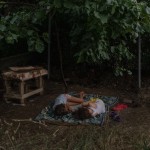
© Elliot Ross, Tim and the First Rain, In Monument Valley, Tim Holiday embraces the first rain in months–signalling the arrival of monsoon season. The Navajo Nation as well as neighboring Washington County, Utah receive the majority of their precipitation from summer monsoonal storms in the form of short-lived intense downpours. Without costly dams and other infrastructure like the ones Washington County has built, Navajo Nation communities are unable to capture the water for use.
The photographers we are featuring this week are exceptional documentary photographers and photojournalists. What really stands out is their ability to capture reality and translate it into something poetic and powerful. They are successful because of their extraordinary powers of perception. They often work under the toughest of conditions and are forced to make quick decisions on framing, light and gesture. They tackle subjects that are sensitive and complex. Their photos are often hypnotic, mysterious and emotional.
These photographers are successful because they are always in command of the scene. They have a clear vision of what they want to say. And they see things others miss.
When I was a reporter, I worked with some of the best photojournalists and documentary photographers in the business. What struck me was how present they were, how they connected with people. I was always amazed when we would work a big crowd, they could spot the person who would open up, who had a gripping story to tell.
With so many complicated issues facing us, it seems crucial to have probing photographers bringing clarity to these debates.
Through his soaring landscapes and deeply reported stories, Elliot Ross explores important, complex issues, like water rights. The exquisite beauty and drama of his photographs create powerful visual narratives. His probing curiosity, ability to ask the right questions and clarity of vision help spur important discussions.
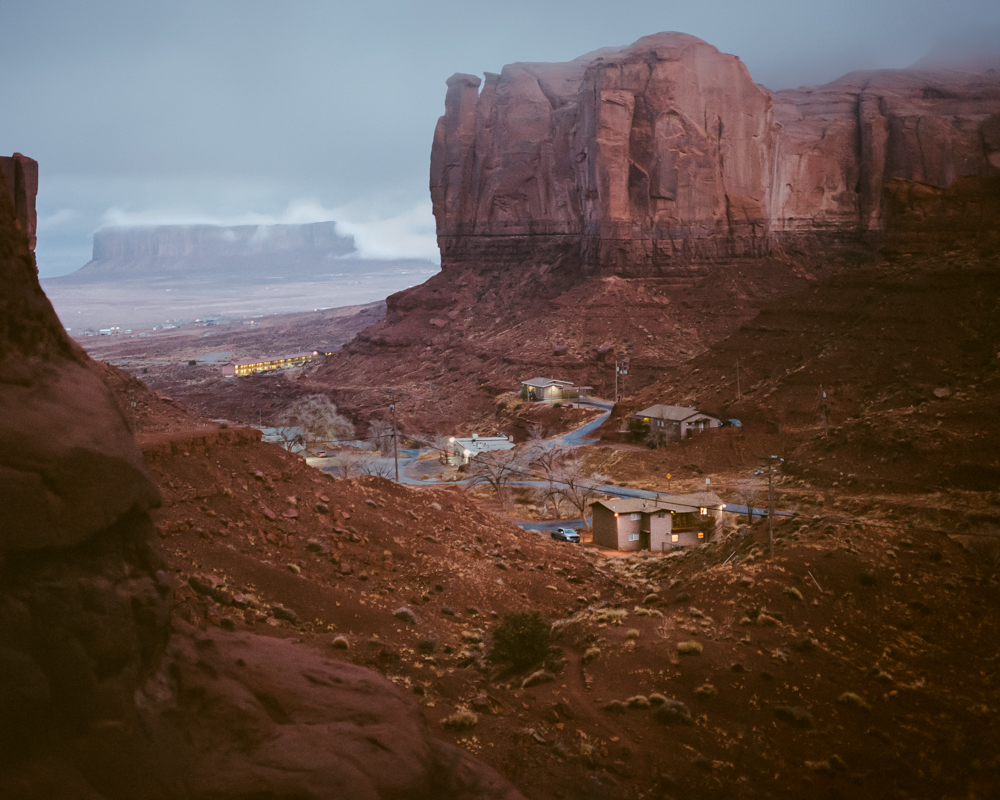
© Elliot Ross, A Tale of Two Places / Navajo Nation, Goulding, Utah, is the economic hub of Monument Valley and the only place in this vast stretch of the Navajo Nation with basic utilities like piped water, electricity, phone and internet. A quiet struggle for water endures here. An unassuming garden spigot supplies a couple hundred residents with drinking water. This is the epicenter of life—the literal watering hole where you’ll find most families at least three times a week filling water tanks to bring back to their dry homes.
A Question of Balance
In the Navajo Nation–the largest Native reservation in the U.S.–water is not taken for granted. Here, more than 1 in 3 Diné must haul water to their rural homes, often across long distances. The Diné, who are 67 times more likely to lack running water than the average American, use the least amount of water per person in the U.S., but pay the most. Eighty miles away, residents of Utah’s Washington County rely on the same water supply yet pay less for that water than almost anyone in the U.S., and, until recently, consumed the most. The contrast reflects not only inequities of power and access across rural and racial lines. It also carries a warning that reaches beyond the two arid communities. On June 22, 2024 the planet experienced its hottest day in recorded history, breaking a record set one day earlier. Dust clouds churn on the horizon while a line for water stretches for hours. Much of the world may be headed this way.
For anyone looking, this predicament was entirely predictable. More water has been used from the Colorado River and its tributaries than what nature has provided. Since the year 2000, the American Southwest continues to endure its driest period in 1200 years, and to make matters worse, the watershed is governed by the 1922 Colorado River Compact which divvies up more water on paper than exists in reality, while at the same time, completely ignores the 30 Tribes. Bureaucratic flaws are compounded by tremendous population growth, competing values, procrastination, and deadlocked disputes over how it’s used. Now, for the first time in over a century, the federal government is drafting a new plan—one that anticipates a drier future. The Post-2026 Operational Guidelines promises to set the world’s most litigated river system on a sustainable path and include meaningful tribal input meant to address structural inequities in a water supply divided along racial lines. Indigenous communities, whose relationship with the federal government has been largely defined by broken promises, remain deeply skeptical.
On paper, the Navajo Nation is drenched in water. Under the “first in line, first in right” principle that defines water use in the West, the Diné have first dibs on the same declining supply that serves Washington County, which has roughly as many people on one-tenth the land. Yet with limited resources and powerful political winds, little of that water reaches them.
Meanwhile, despite its junior water rights, Washington County is a place drenched in water. Thousands of swimming pools glitter like diamonds in a desert bounded by green rectangles of Kentucky bluegrass and seventeen golf courses, including the new $1 billion resort Black Desert Resort. Underway are a manifold of projects: a $1 billion water reuse facility, 60 additional miles to its existing 275 miles of local pipeline, and 18 more wells, some up to a mile deep. All require vast sums of money. For me, the takeaway is impressive—what a community can achieve when empowered by both policy and money.
This project is close to home–living between the two communities in my daily life, I too rely on the same water which I enjoy safely, cheaply and reliably. As an artist and journalist, I feel compelled to expose the inequities my Indigenous neighbors face. To be clear, Washington County isn’t the cause of the Navajo Nation’s thirst. The water gap is an enduring legacy of Manifest Destiny; the infrastructure and legislation that came with it still largely define how water is used. Moving between the two communities, I find residents of Washington County largely unaware of the Diné plight, yet earnest in their dismay. For their part, the Diné express neither surprise at how much water people in Washington County consume nor anger at the benefits that water brings. They just ask for the same opportunity. Leaning against his wooden corral, framed by the iconic pinnacles of Monument Valley, rancher Billie Charlie put it succinctly: “We must prioritize humans, not corporations. Prioritize balance.” If we do this, perhaps the worst of the storm could be avoided.
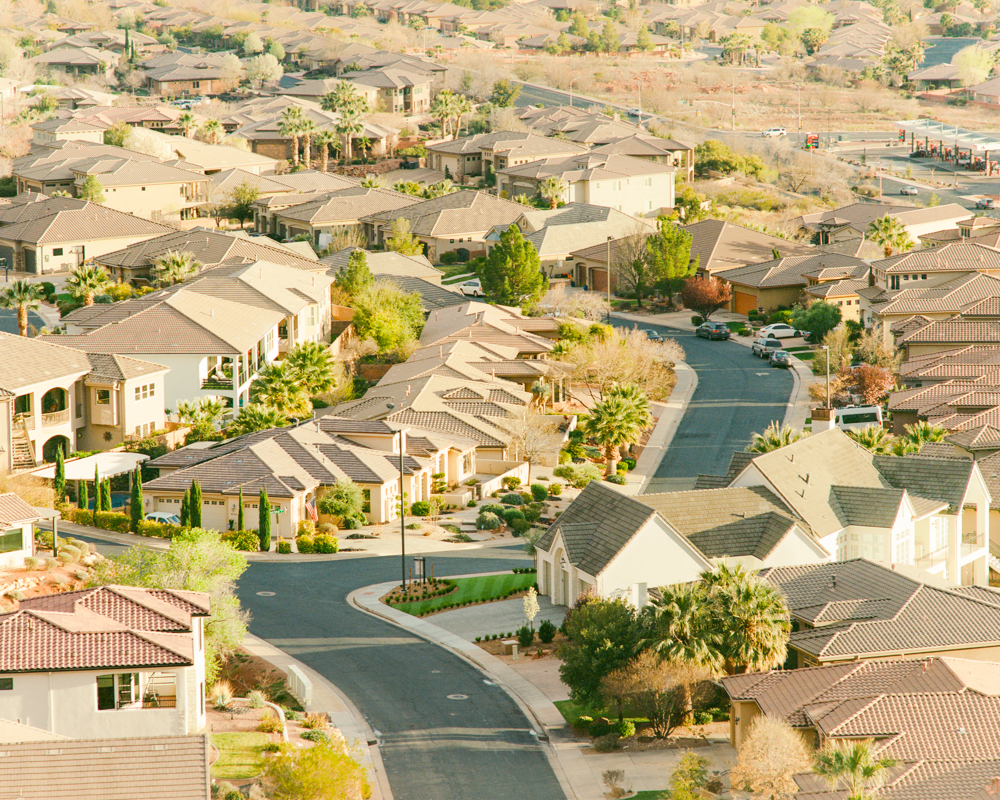
© Elliot Ross, A Tale of Two Places / Washington County, The aridity of Washington County isn’t immediately apparent with its lush urban landscape of grass lawns, large pools and parks, and the 17 golf courses. Washington County receives on average 13 inches of precipitation each year, making it slightly drier than the Navajo Nation–its neighbor 80 miles to the east.
Elliot Ross (b.1990) is a Taiwanese-American photographer and writer based in rural Southern Utah. His practice is centered on longform projects that examine how landscapes–both natural and artificial–shape community and culture. Ross’s ongoing investigations include: the struggle for Indigenous self-determination, energy production, and the consequences of climate change on natural resources and communities. Ross is a National Geographic Explorer, a Ted Scripps Fellow, and a fellow at The Center for Contemporary Documentation. He has published several books including American Backyard, cover-stories in National Geographic and TIME, and features in The New Yorker and The New York Times.
Instagram: @elliotstudio
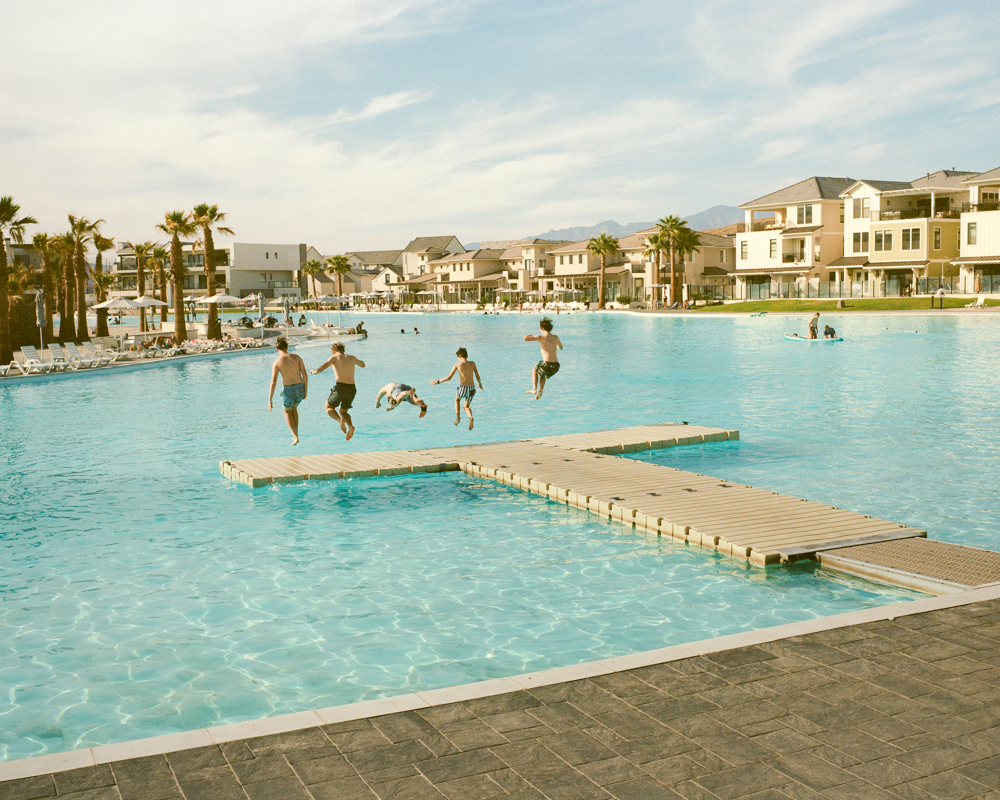
© Elliot Ross, 2500 Pools, A 2.4 acre, four-million-gallon private swimming pool with a half-mile shoreline, sits at the heart of a new master planned community in Washington County–one of approximately 2,500 pools in the county. Fed by the developer’s groundwater wells, it is one of the ten largest freshwater pools in the world.
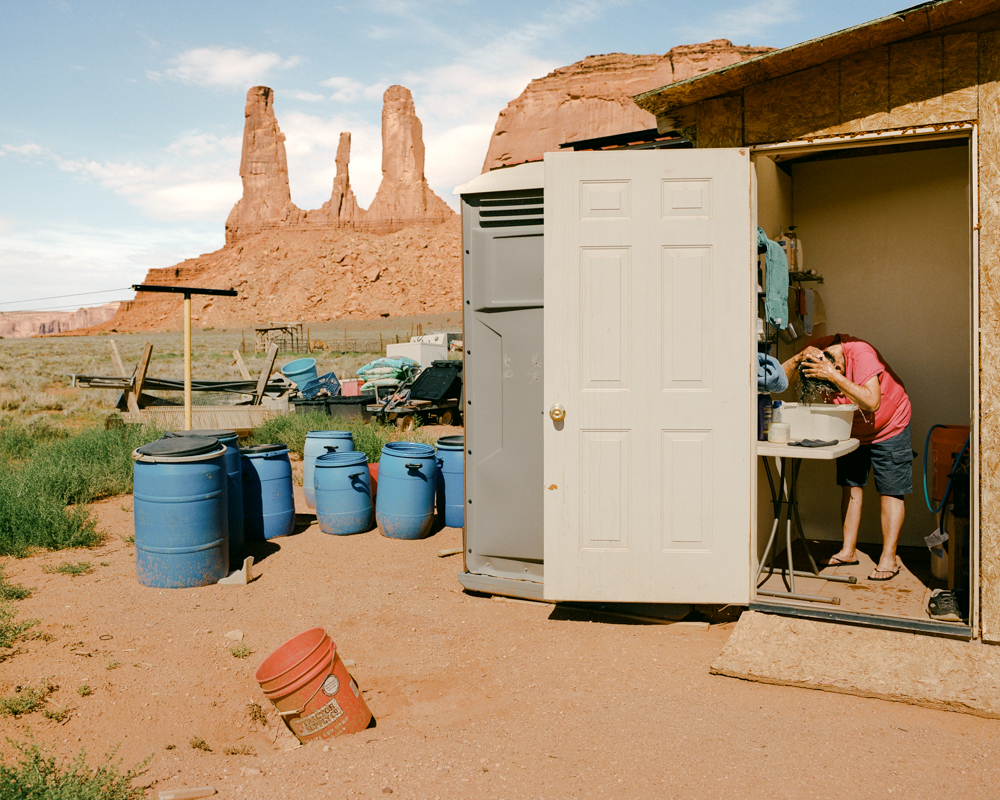
© Elliot Ross, We Do The Running, “My kids would say, ‘Mom, did we ever have running water?’” Linda Jackson says. “And I would say, ‘Kids, we did all the running.’” In the dry bathroom built separate from her house in Monument Valley, Linda washes her hair in a tub she fills with water hauled in from Goulding, Utah a half hour away.
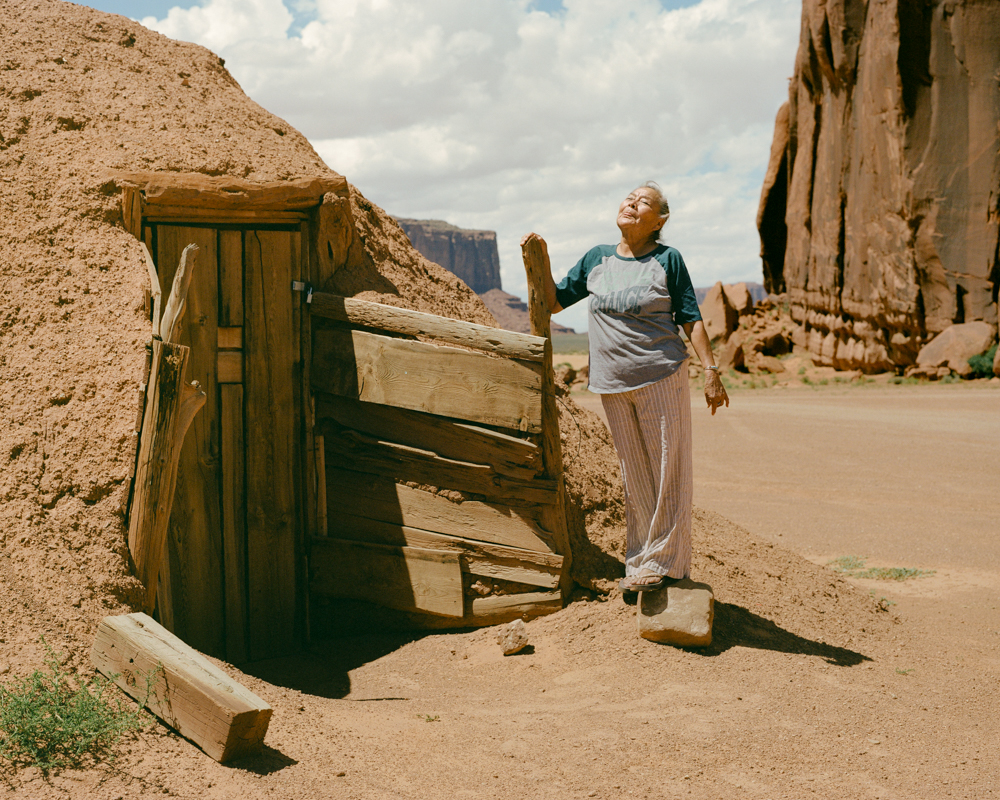
© Elliot Ross, Change, Effie Yazzie relishes a day at home in Monument Valley. Effie, with “CHANGE“ printed across her shirt, wants exactly that–for the Diné to have access to safe, reliable, and affordable water in their homes. According to the nonprofit DigDeep, the Diné are 67 times more likely to lack running water than the average American, and spend 71 times as much for what they do get. “Water is life,” Effie’s son Tom Holiday tells me. “People in the cities take it for granted and water their plants and grass. Here it’s precious. We think of water as a deity.”
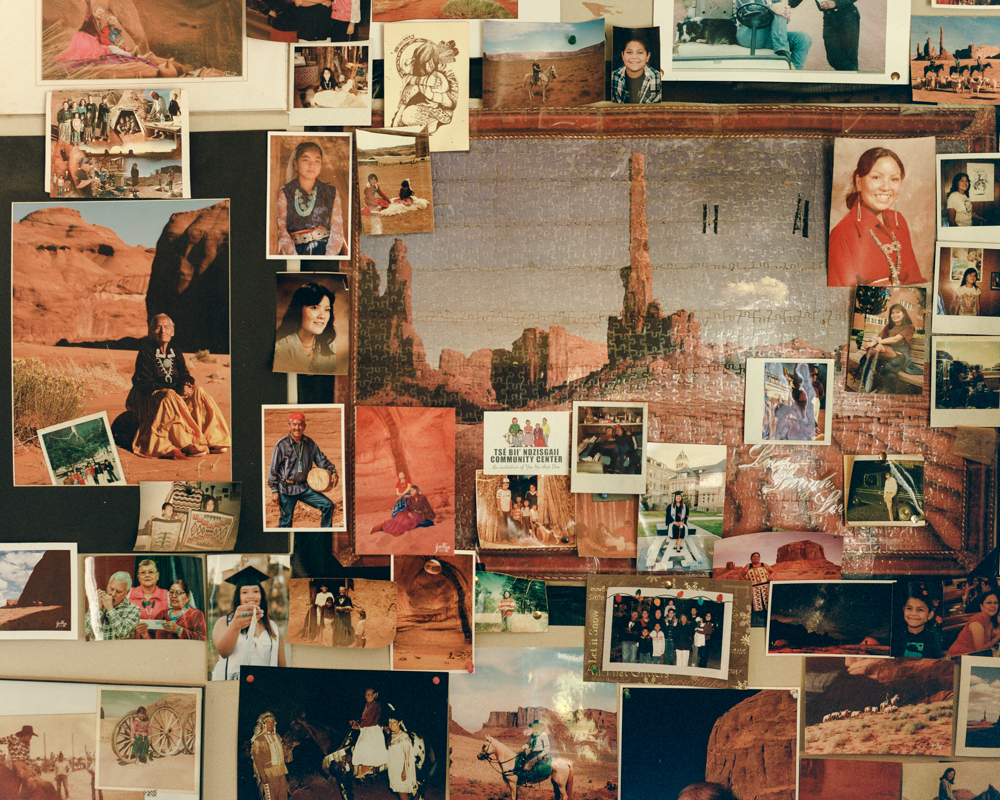
© Elliot Ross, Home, Not Hollywood, Family photos line the wall of Effie Yazzie’s home. Monument Valley has been home for the Yazzie Family for generations prior to it gaining fame through Hollywood Westerns.
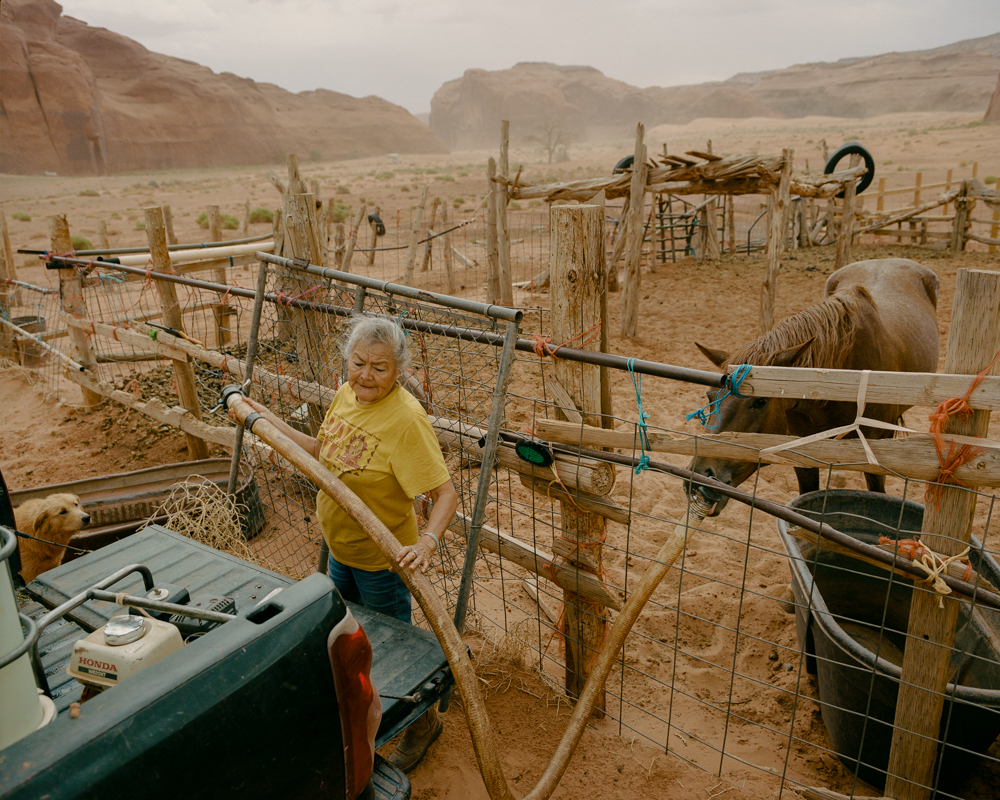
© Elliot Ross, A Dry Living, As a dust storm churns, Effie Yazzie fills troughs for her horses using water she hauled from a spring 30 minutes away. During the summer months, Effie needs to collect water four times a week. She can opt to fill the 300-gallon tank in the back of her truck either in Goulding, 45 rough minutes away, or from natural springs in the area, and risk contamination from livestock and uranium.
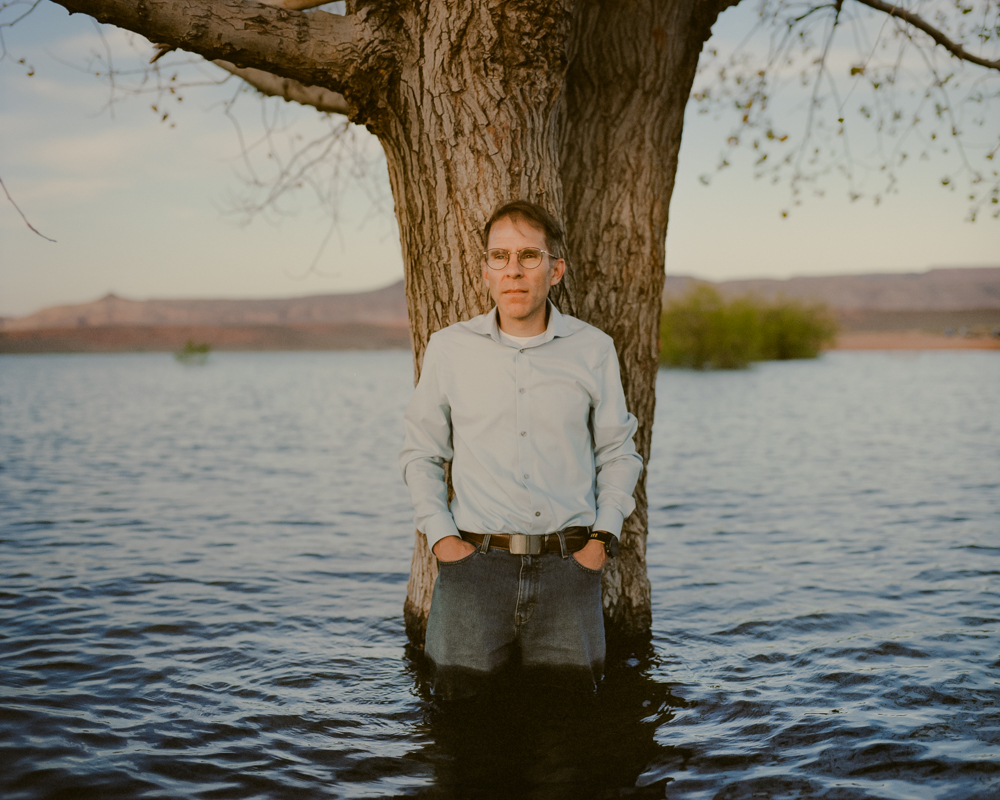
© Elliot Ross, Waterman, Washington County water leader Zach Renstrom stands in their largest reservoir, filled to the brim. Renstrom plans to add over $1 billion in infrastructure to support one of the fastest growing zip codes in the country.
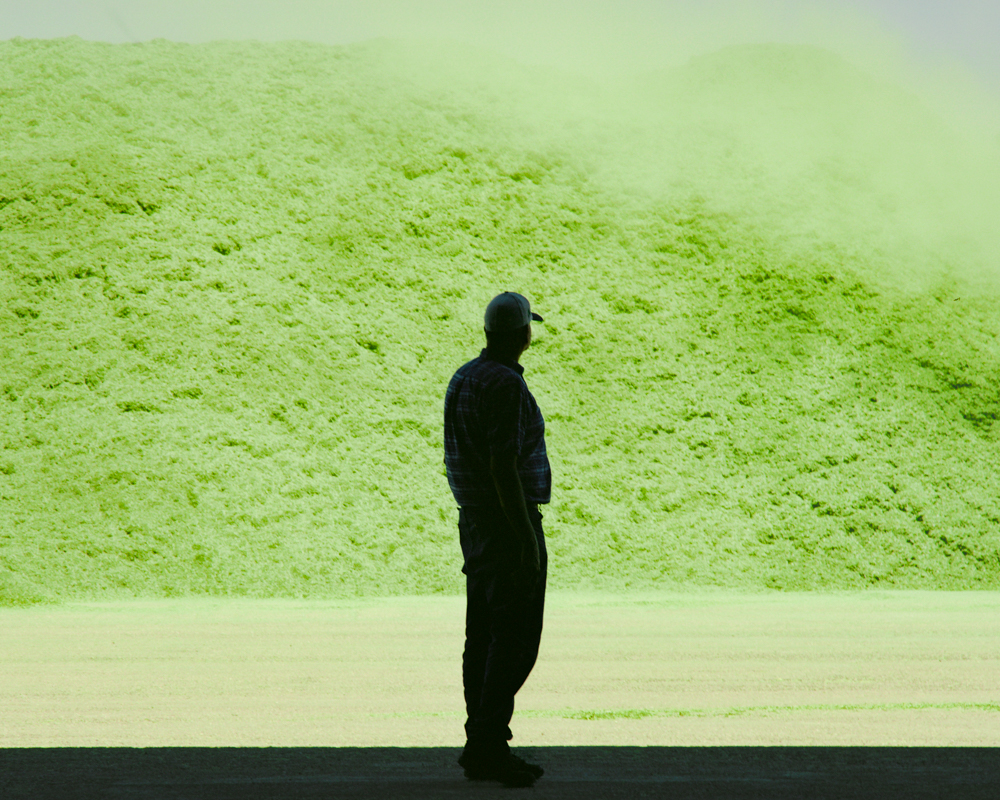
© Elliot Ross, Use It, or Lose It, Silhouetted against a pile of freshly ground alfalfa that’s ready to be exported overseas, Randall Holt says, “We need to learn how to thrive with half the water, two generations down the line.” As a sixth-generation farmer on this land, Holt has seen water levels plummet and recognizes the threat of climate change to make things worse. This puts him in a tough situation–alfalfa is the thirstiest of the crops that consume 86% of water in the West. His fields dot an arid valley on the northern edge of Washington County and relies on one of the fastest declining aquifers in North America. Holt is a leading advocate for changing water policy to allow for conservation, and is experimenting with less thirsty, more drought resistant crops.
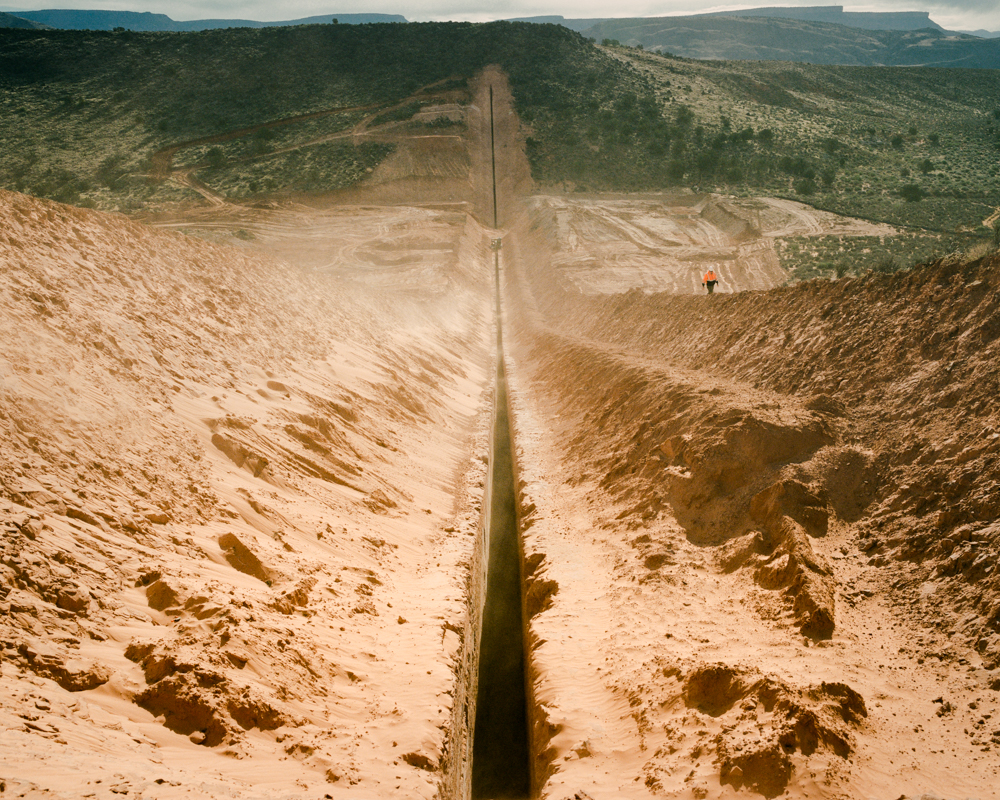
© Elliot Ross, Lemon and Another Dam, The view across Washington County’s latest dam under construction. It’s impressive what a community can achieve when it’s empowered by both policy and money. The county is all in on a 20-year water plan that will require vast sums of money to maximize existing supply. A water recycling system is being built with a billion dollar price tag, 60 more miles of pipeline are being added to the 275 miles in place, and 18 more wells—some up to a mile deep—to the 30 already in use. “We are wringing every last drop out of this lemon,” says a Washington County water planner.
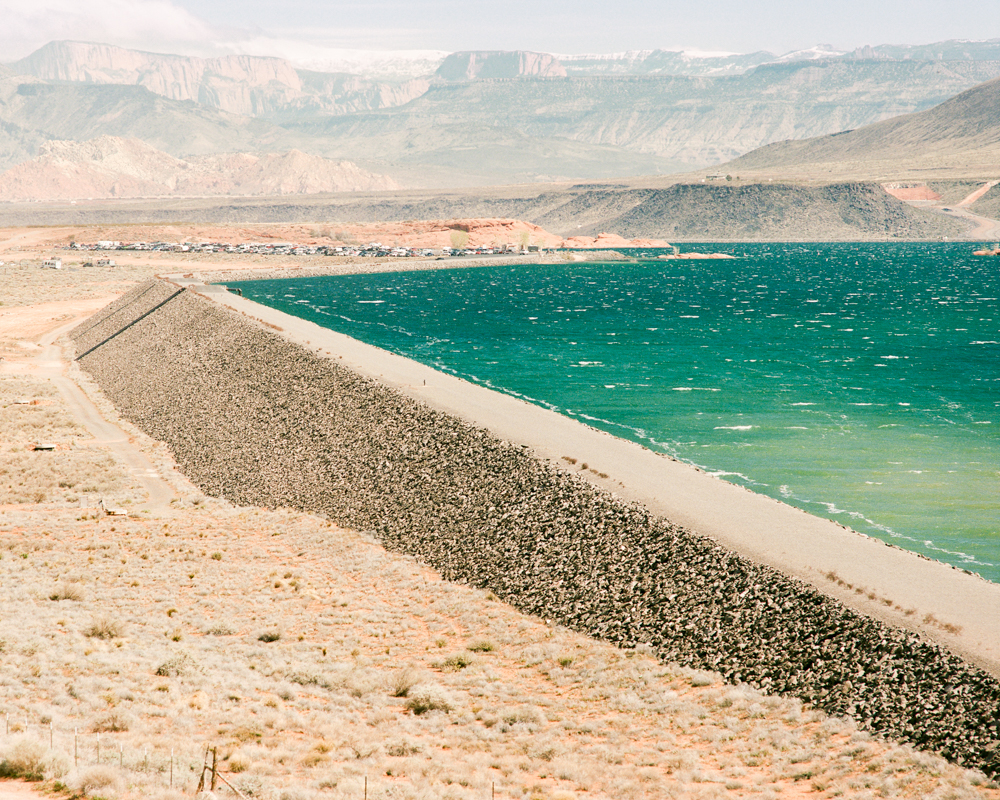
© Elliot Ross, To the Brim Sand Hollow, Washington County’s largest of six reservoirs, filled to the brim and providing water for homes in one of the fastest growing metropolitan areas in the U.S.
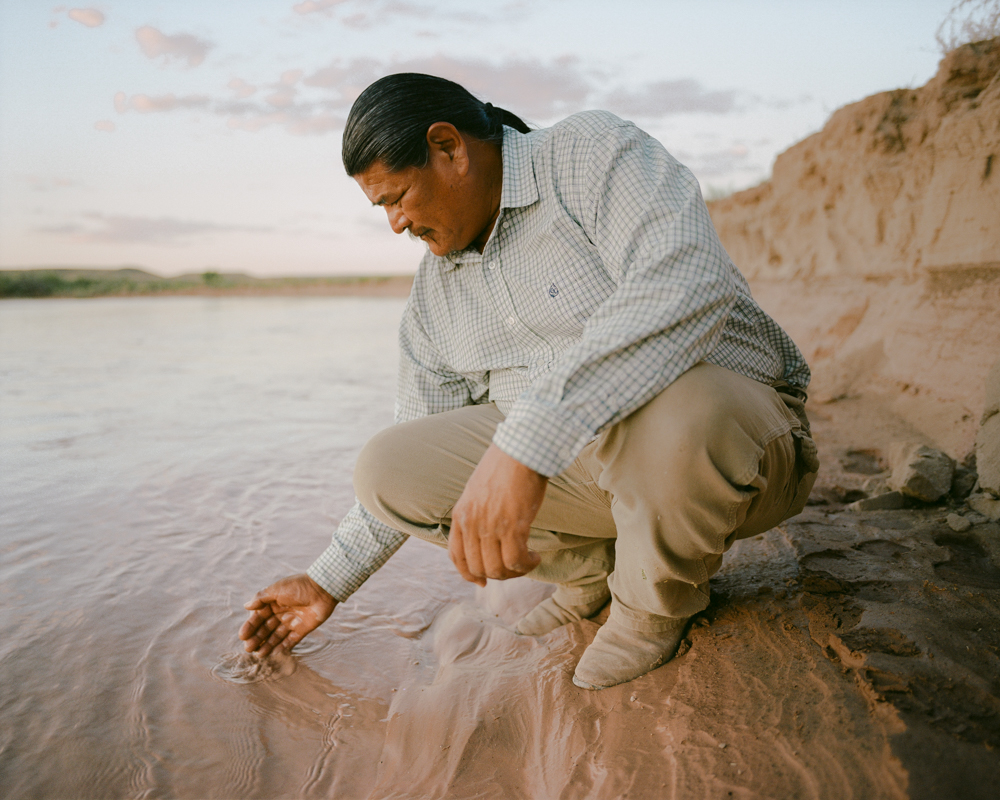
© Elliot Ross, To Do Something, Nolan Stevens dips his hand into the Little Colorado River–its waters sustains his four-acre corn farm. “One of the reasons I left is because there’s no economy here, no jobs. As a result, my kids grew up off the rez and they lost some of their identity. Down here, you see a lot of people who’ve given up, given up hope. They leave. So, I figured I should do something, and agriculture might be the way–to grow food for my community.”
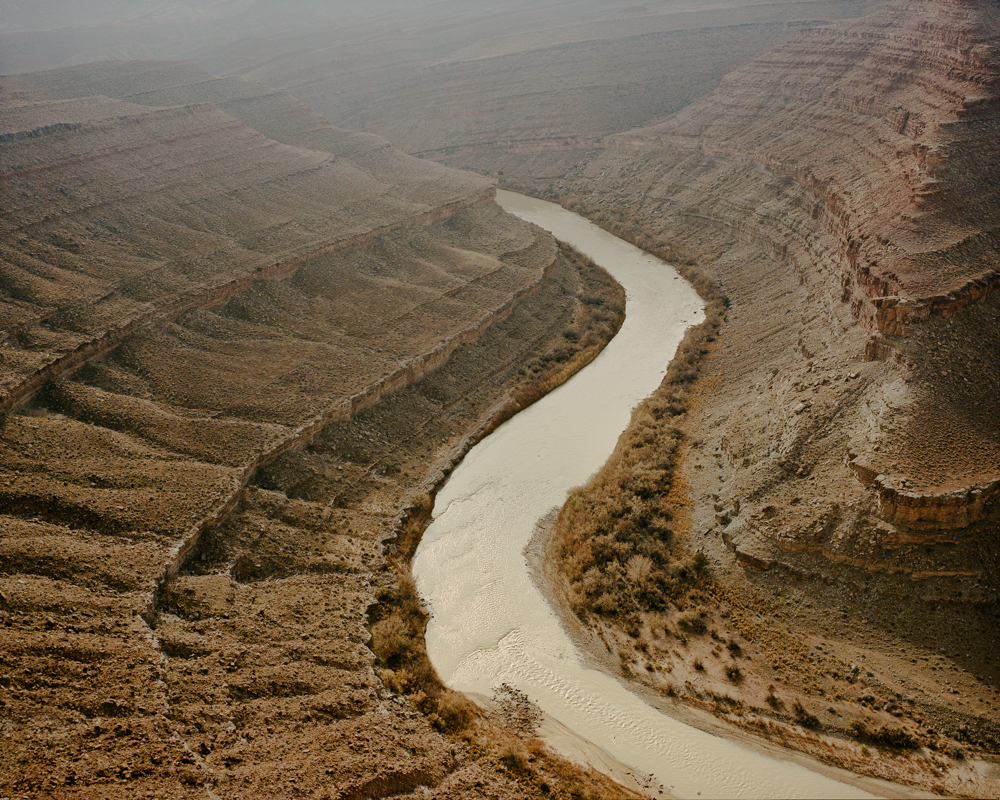
© Elliot Ross, Supply, Divided & Diminished, The San Juan River, a major tributary to the Colorado River, winds its way along the northeast boundary of the Navajo Nation–a vast region the size of West Virginia that depends on its water. Two countries, seven states, 30 tribes, and cities from Denver to San Diego rely on the declining Colorado River Watershed.
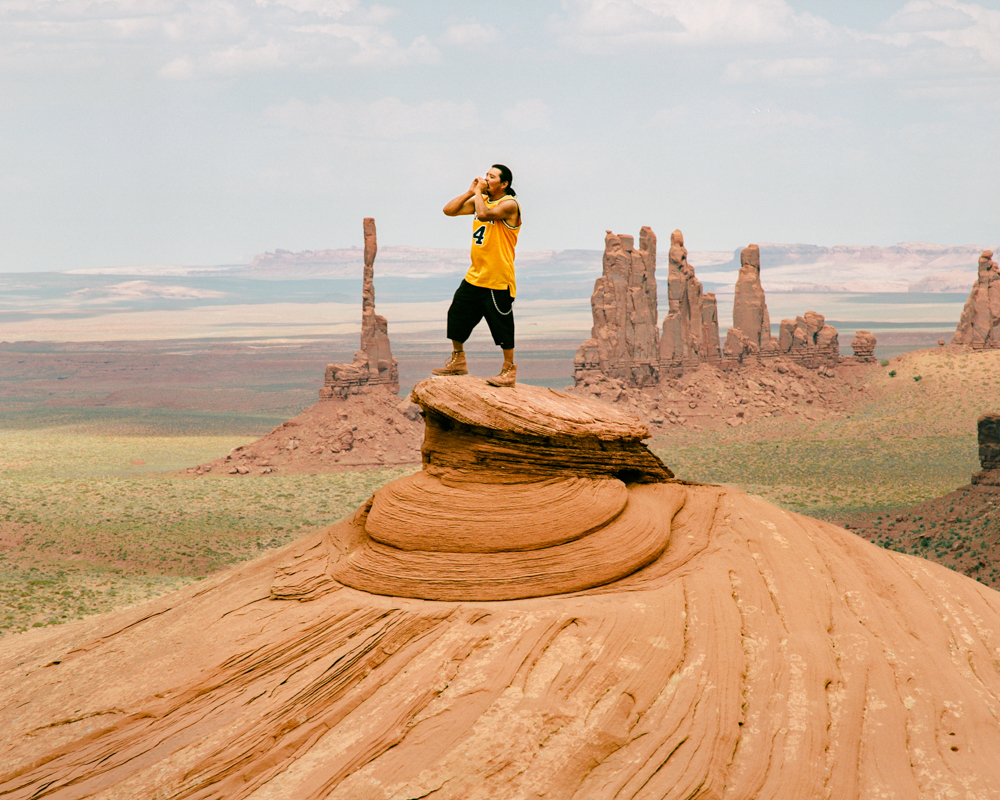
© Elliot Ross, Deaf Ears, Tim, Holiday on a pinnacle above his family home in Monument Valley on the Navajo Nation. Like many Diné, Tim feels his demands for running water amount to shouts in the wind.
A Question of Balance is supported by The Center for Contemporary Documentation, a nonprofit whose mission is to reveal through photography, videography, and other visual arts the impacts of climate change and air, water, and toxic chemical pollution on communities across the United States.
Posts on Lenscratch may not be reproduced without the permission of the Lenscratch staff and the photographer.
Recommended
-

Alessandra Bobba: A Family Journey, A Lifetime of LoveJuly 10th, 2026
-

Robin Dahlberg: Breaking PointJuly 7th, 2026
-

Mark Edward Harris: NORTH KOREAJune 15th, 2026
-
Elizabeth Li: Three GorgesJune 13th, 2026
-

Amy Gaskin: Marilyn Forever! Marilyn Monroe—A Symbol of HopeMay 30th, 2026