HANDMADE ARTIST BOOKS WEEK: Shahria Sharmin
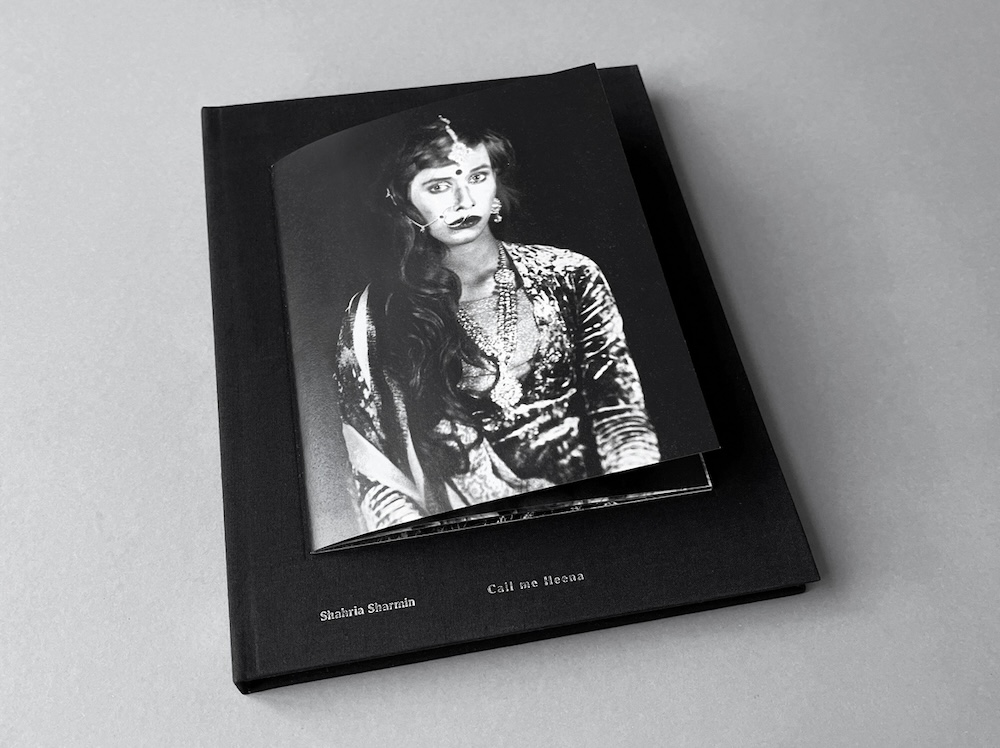
© Shahria Sharmin, artist book “Call Me Heena”
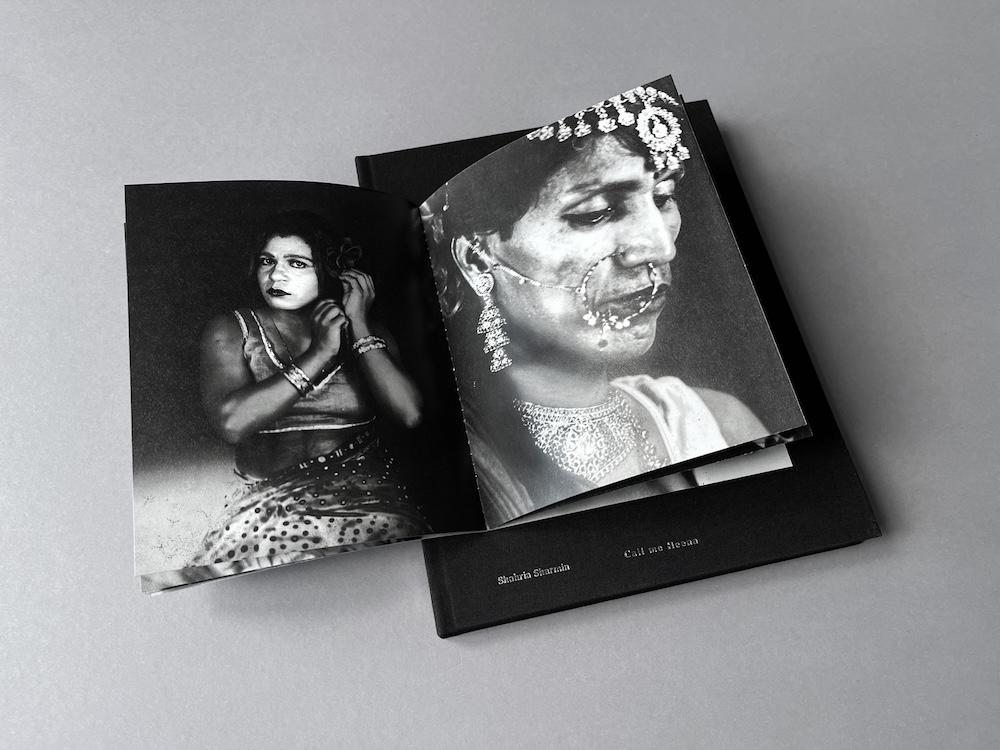
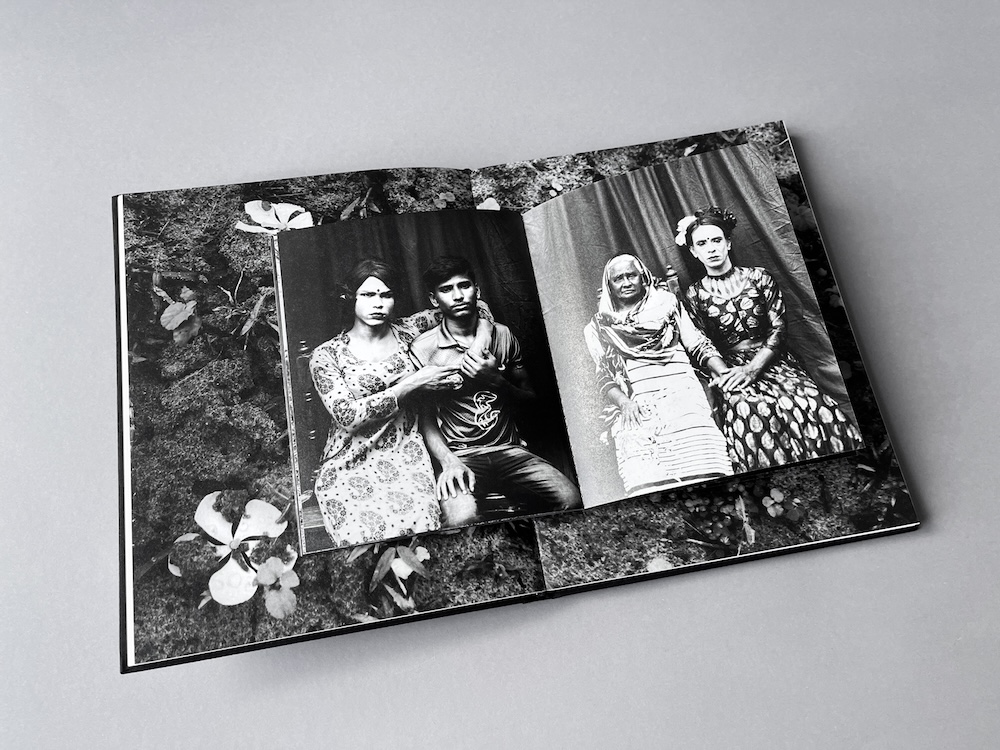
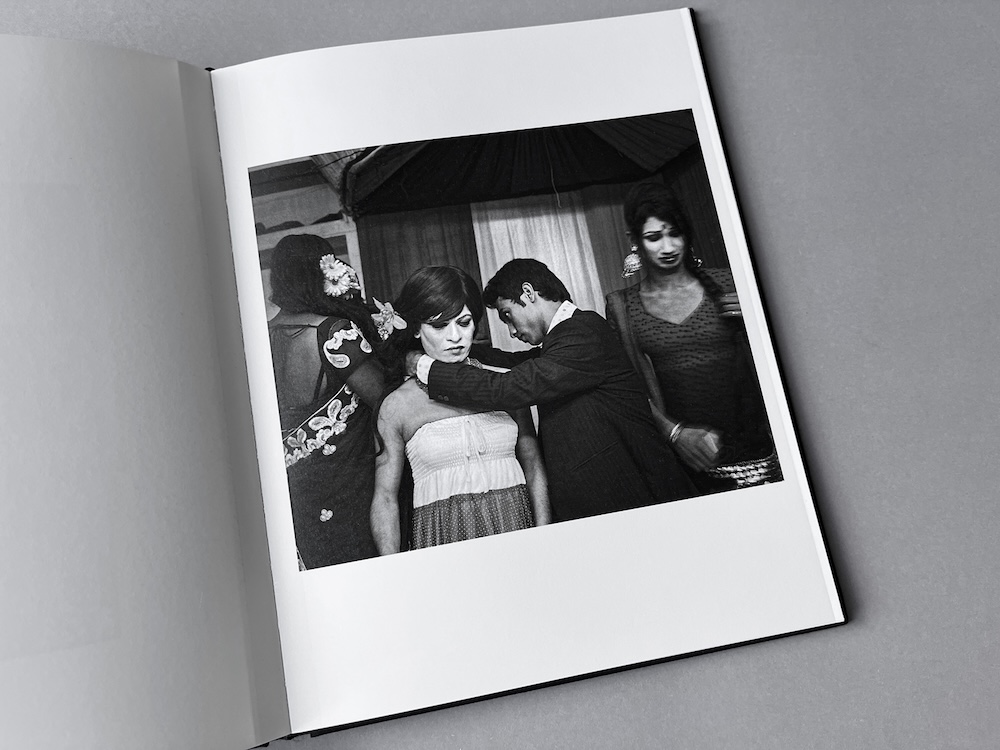
Shahria Sharmin’s ‘Call me Heena’ is an exploration of the Hijra (third gender) community in Bangladesh through tender and emotionally layered black and white portraits. The artist book shines with quiet strength, its thoughtful design choice inviting the viewers into a deeply humane world where Hijras are seen not as “others”, but as individuals with families, friendships, vulnerabilities as their lives shaped by loneliness, love, grief and resilience. The poetic quality of the book feels almost incidental, its true power lies in the humanity it conveys. Shahria’s artistic philosophy transforms photography from mere documentation into collaborative storytelling through long-term engagement with her subjects.
It is an honor to experience this powerful book and to present an interview with Shahria.
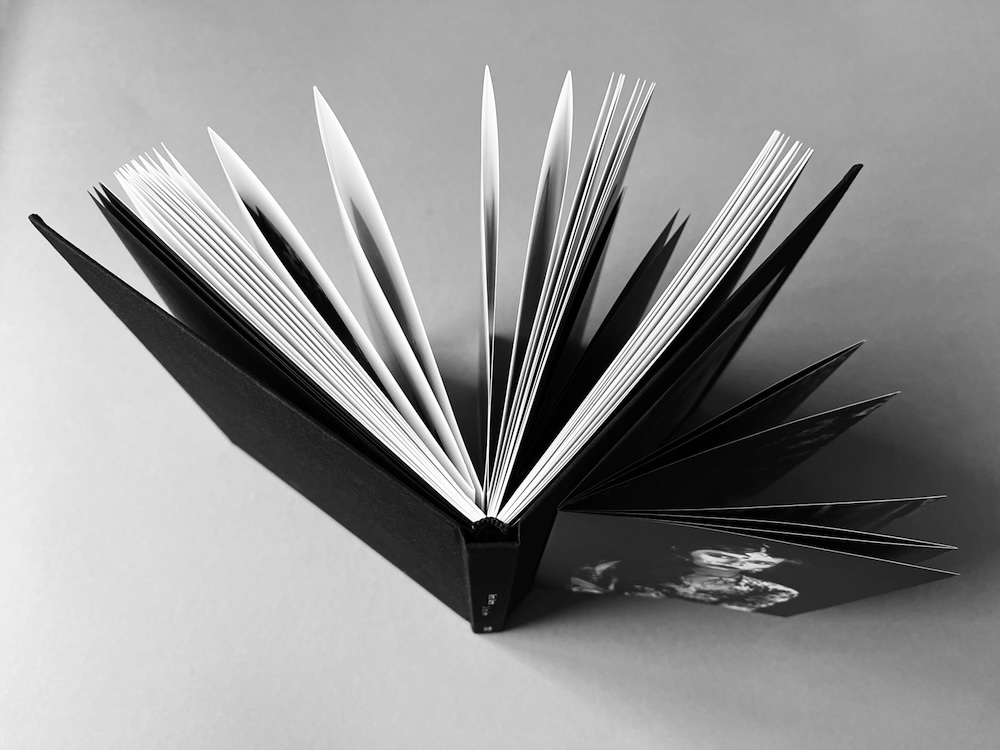
© Shahria Sharmin, artist book “Call Me Heena”
Tell us about your growing up. With the background in Public Administration what made you choose photography as a medium to express yourself and books as a form to represent it?
I grew up in Bangladesh within a social environment where many things were felt but not always spoken. Questions around identity, gender, and belonging were often present as silence rather than conversation. That sense of quiet observation stayed with me.
My academic background in Public Administration gave me a way to understand structures how society functions, how systems include or exclude people. But over time, I felt that numbers, policies, and formal language could not fully hold the emotional and personal realities I was trying to understand. Photography came to me as a way of being closer a way to listen, to spend time, and to witness without imposing conclusions. It allowed me to work through relationships rather than distance.
Books, for me, are a natural extension of that process. They create a space where images, text, and silence can exist together. Unlike exhibitions, a book can be held, returned to, and experienced slowly. It becomes an intimate space almost like a room where the viewer can enter and stay with the work over time.
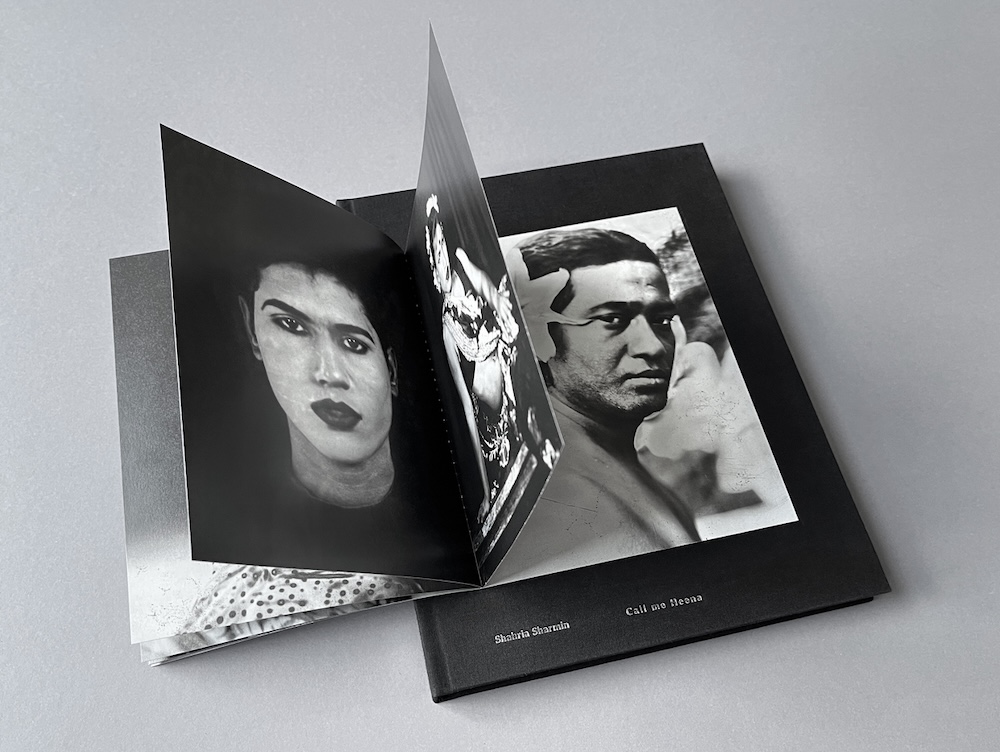
© Shahria Sharmin, artist book “Call Me Heena”
© Shahria Sharmin, artist book “Call Me Heena”
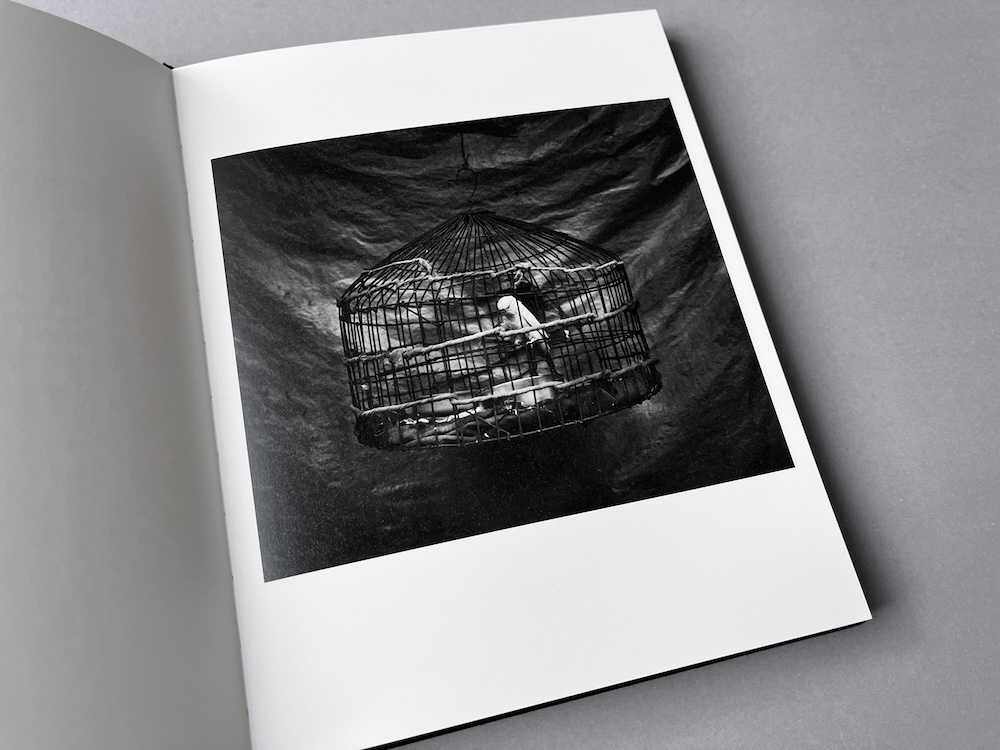
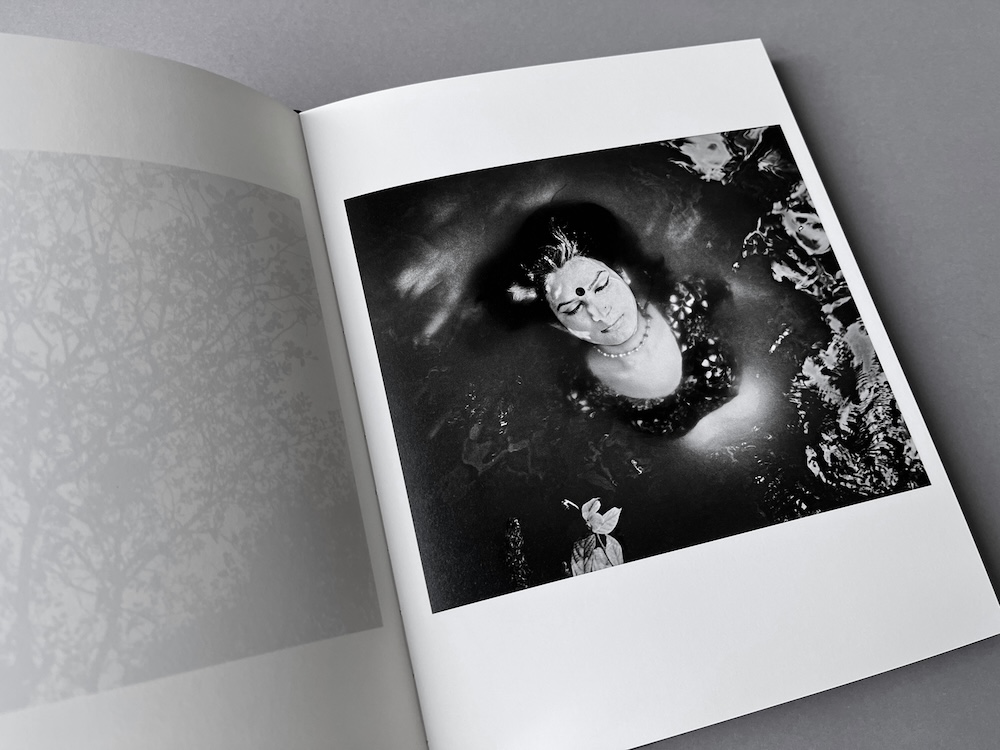
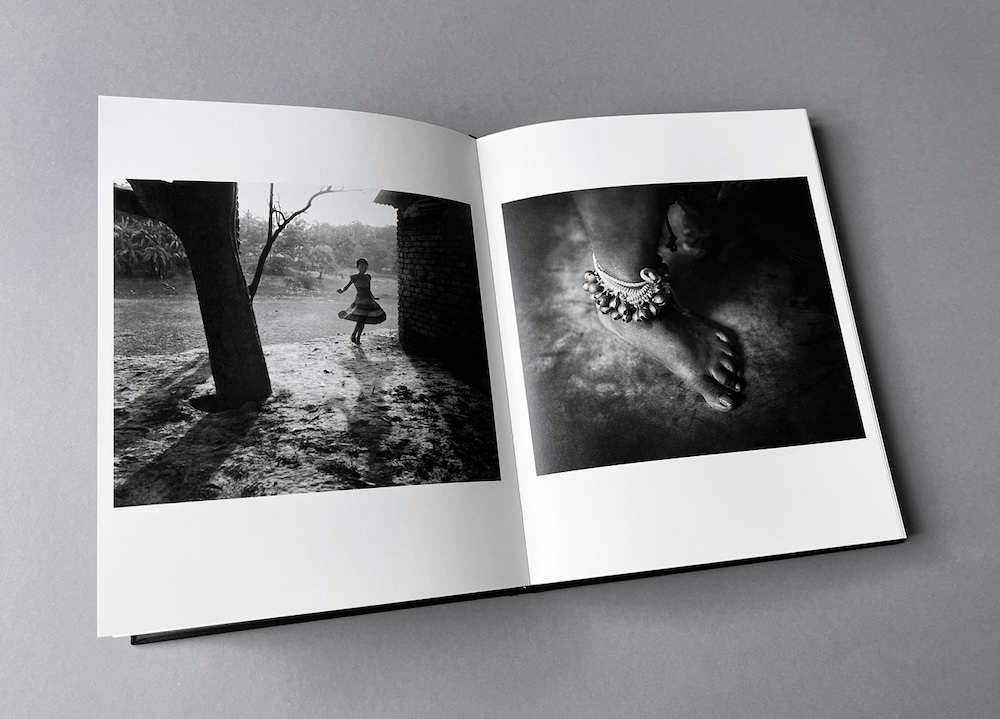
Tell us about your project “Call me Heena”. What inspired you to begin documenting the lives of Hijra communities in Bangladesh, and how did it evolve over time? Your photographs present a deeply nuanced and intimate perspective — capturing their living space, personal belongings, vulnerabilities, and everyday resilience within a society that often marginalizes them. Some of the images also carry a metaphorical quality, adding depth to the narrative. The text at the end of the book adds another layer of meaning, not only enriching their stories but also reflecting how the experience has shaped your own personal journey. Would you like to elaborate?
Call Me Heena began in 2012, when I first met Heena and was introduced to the Hijra community. Before that, my understanding of them was shaped by distance by social silence, fear, and stereotypes I had grown up with. Meeting Heena shifted that completely. What began as curiosity slowly became a long-term engagement built on trust, time, and relationships.
I did not begin with a fixed idea or a clear outcome. The project evolved organically over more than a decade. I returned again and again, spending time without always photographing sitting, listening, sharing everyday moments. Over time, the work moved from observation to connection. Heena, for me, is not only one person but a presence that reflects many lives I have encountered throughout these years.
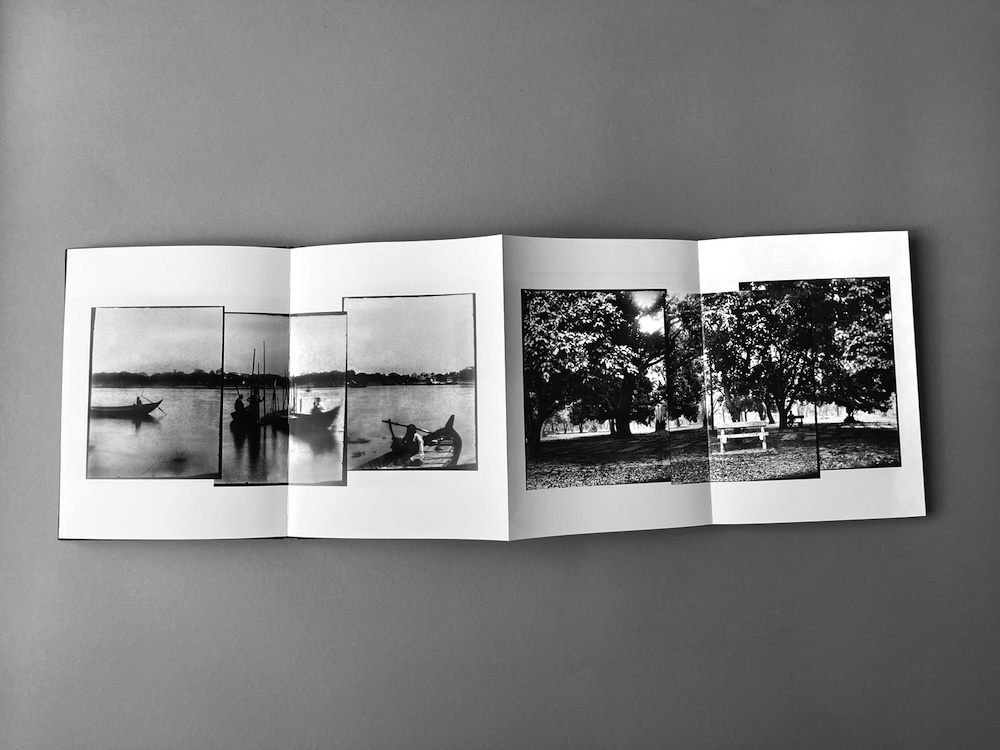
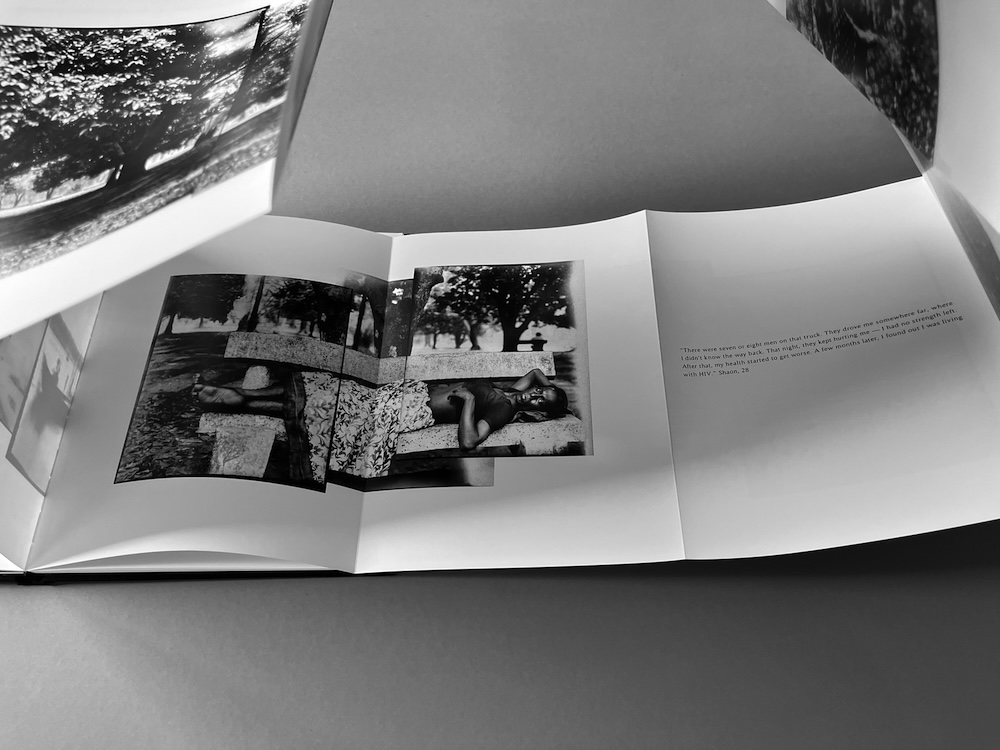
The photographs try to hold that intimacy of their living spaces, personal belongings, moments of vulnerability, but also resilience and care. I was not interested in creating distance or spectacle, but in being close to the everyday where life unfolds quietly. Some images carry a more metaphorical layer, especially the landscapes, which sometimes reflect emotional states or echo what was being spoken or felt.
The use of a wooden street box camera also became important in shaping the work. Its slow process created space for interaction and allowed relationships to unfold within the act of photographing. It shifted the image-making from something immediate to something shared.
The text at the end of the book comes from fragments of conversations, memories, and reflections gathered over time. It is not meant to explain the images, but to sit alongside them adding another layer of voice, including my own position within the work. This project has changed me deeply. It has made me question what family means, how we define belonging, and how we learn to listen.
For me, this work is not a conclusion. It is an ongoing journey one that continues to grow with time.
© Shahria Sharmin, artist book “Call Me Heena”
© Shahria Sharmin, artist book “Call Me Heena”
© Shahria Sharmin, artist book “Call Me Heena”
You worked on this project over a decade before turning it into an artist photobook. When did you decide to give it the artist book form? How did the dummy during dienacht Publishing Workshop help to create the final form of the book?
For a long time, I did not think of the work as a book. It was an ongoing process of photographing, returning, and building relationships. But over the years, I began to feel that the project needed a form that could hold its emotional depth, its silences, and its layered narrative. A book felt like the most intimate and appropriate space something that could be held, revisited, and experienced slowly.
In 2020, I participated in a photobook workshop with the intention of identifying what was missing in the work. That process made me realize there were gaps both visual and emotional in the narrative. After the workshop, I returned to photographing with a clearer sense of direction, trying to fill those missing links and strengthen the overall flow of the story.
The turning point came during the dienacht Publishing Workshop, where working on the dummy helped me see the project differently not as individual images, but as a sequence with its own rhythm. Editing, placing images in relation to each other, and thinking about pauses, text, and transitions all played an important role in shaping the final form.
The dummy also allowed me to experiment with structure: how to move between portraits, landscapes, and quieter moments; how to introduce the smaller book within the main book; and how text could sit alongside images without explaining them. It helped me understand not only what to include, but also what to leave out.
Through this process, the work gradually found its form. The final book is not just a collection of photographs, but a carefully constructed space shaped through time, reflection, and continued engagement with the people and stories within it.
© Shahria Sharmin, artist book “Call Me Heena”
© Shahria Sharmin, artist book “Call Me Heena”

© Shahria Sharmin, artist book “Call Me Heena”
The noir mood of the book is striking with the black and white images. The mood is elevated with other design elements like the thumbnails/text on black pages or the pop-out leporello which can fold like a flower. It invites the observer into the folds which reveal the flowers in soil. Metaphorically it also represents what Heena says ‘I am like a flower made of paper’. Can you elaborate on the design choices of the book?
Making the dummy was an important starting point for me. Through that process, I began to understand how a book functions as a space how sequencing, rhythm, and material choices shape meaning. It revealed many things I did not know before and helped guide me toward the final form of the book.
The design then developed through long and ongoing conversations with the designer. It was a truly collaborative process. From selecting and sequencing the images to thinking about layout, pacing, and physical elements like the folding leporello and the booklet within the book, each decision was made carefully to support the narrative I wanted to convey.
Interestingly, the first dummy was already very close to the final book. Only a few images changed, while the overall design and structure remained almost the same. The narrative was shaped into three chapters, which flow quietly and cohesively throughout the book.
One of the main challenges was working with different image formats: some photographs are digital, some made with the wooden street box camera, and others presented as diptychs and triptychs. Bringing these varied formats together into a single book required careful consideration, and with the designer’s support, this complexity was resolved in a way that feels balanced and fluid. Calin, as a designer, was exceptional throughout thoughtful, attentive, and deeply engaged with the work.
The noir mood of the black-and-white images felt essential to the emotional tone of the project, holding both intimacy and distance. The use of black pages with text and thumbnails creates pauses, almost like moments of silence between chapters. The pop-out leporello, which unfolds like a flower, invites the viewer to physically engage with the book to open, discover, and reflect. In a subtle way, it connects to Heena’s words about feeling like a “paper flower,” something that is seen, but not fully touched or understood.
In the end, the design is not separate from the work it becomes part of the storytelling itself, carrying its emotional and conceptual layers.
© Shahria Sharmin, artist book “Call Me Heena”
© Shahria Sharmin, artist book “Call Me Heena”
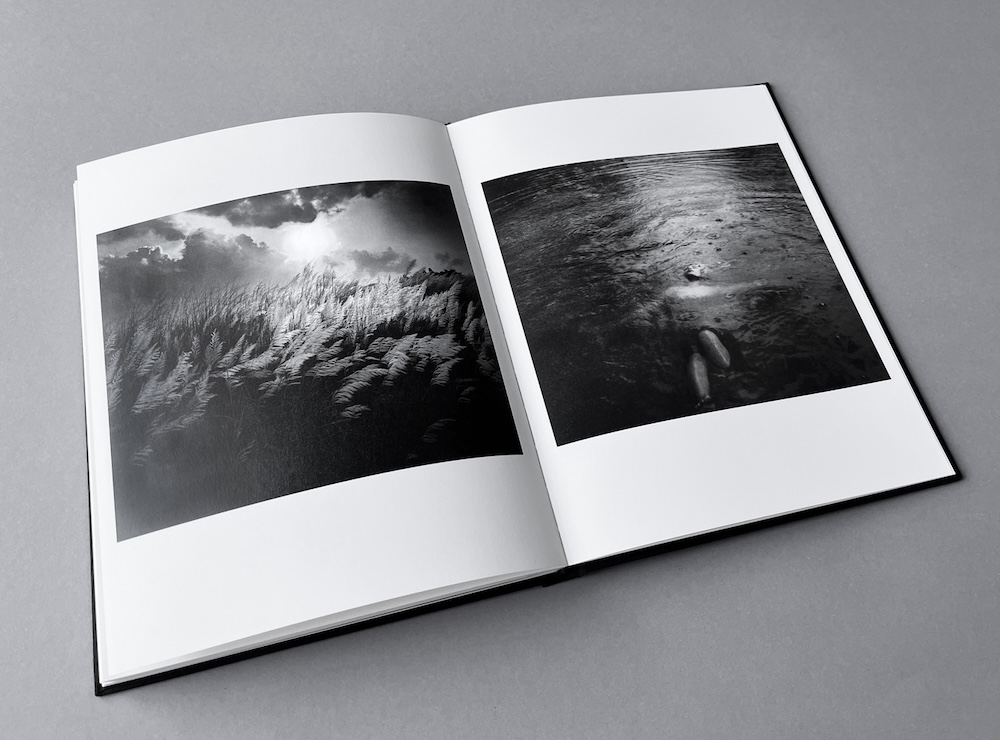
© Shahria Sharmin, artist book “Call Me Heena”
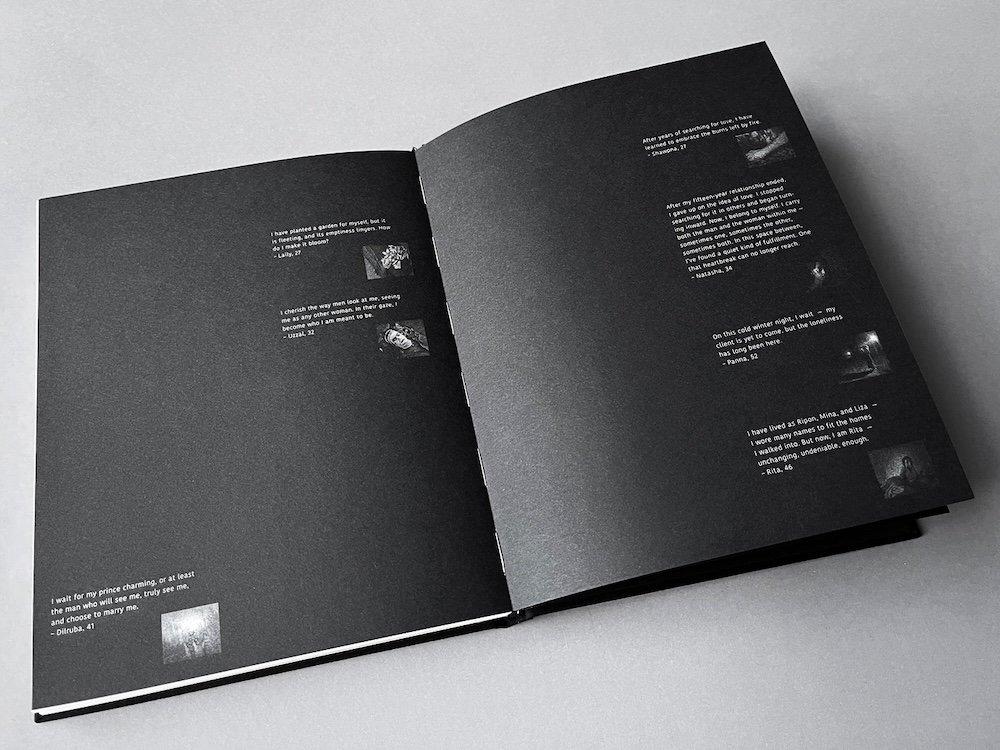
© Shahria Sharmin, artist book “Call Me Heena”
Who and/or what has been inspiring you lately? What is your next project?
Lately, I find myself drawn more and more to quiet, overlooked lives stories that exist at the margins but carry deep emotional complexity. I am less inspired by a single person and more by encounters, by time spent with people, and by the way relationships slowly unfold. At the moment, I am working on a long-term project inside brothels in Bangladesh. The work focuses on elderly sex workers women whose lives are often made invisible by age, stigma, and social exclusion. I began this project after losing my mother during the pandemic, when I found myself thinking deeply about care, aging, and the absence of family. That search led me to these spaces, where I encountered women who have been abandoned, yet have formed their own fragile systems of support and belonging.
Similar to my previous work, this project is also evolving slowly. It is built on time, trust, and presence trying to understand not only their struggles, but also their resilience, dignity, and emotional worlds.
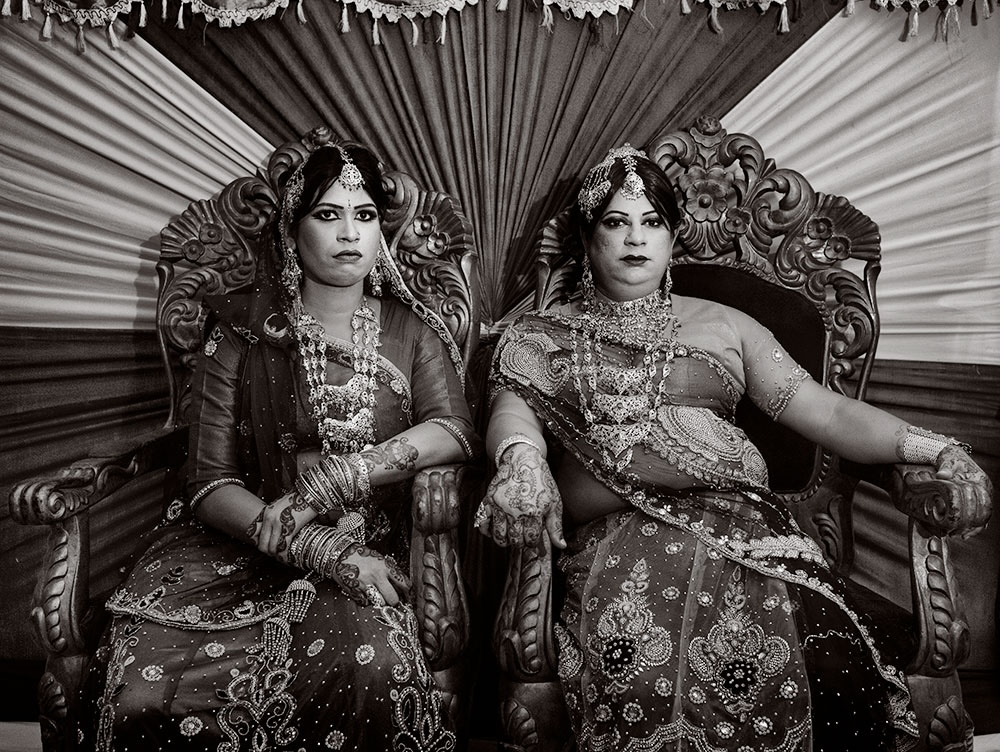
© Shahria Sharmin, artist book “Call Me Heena”
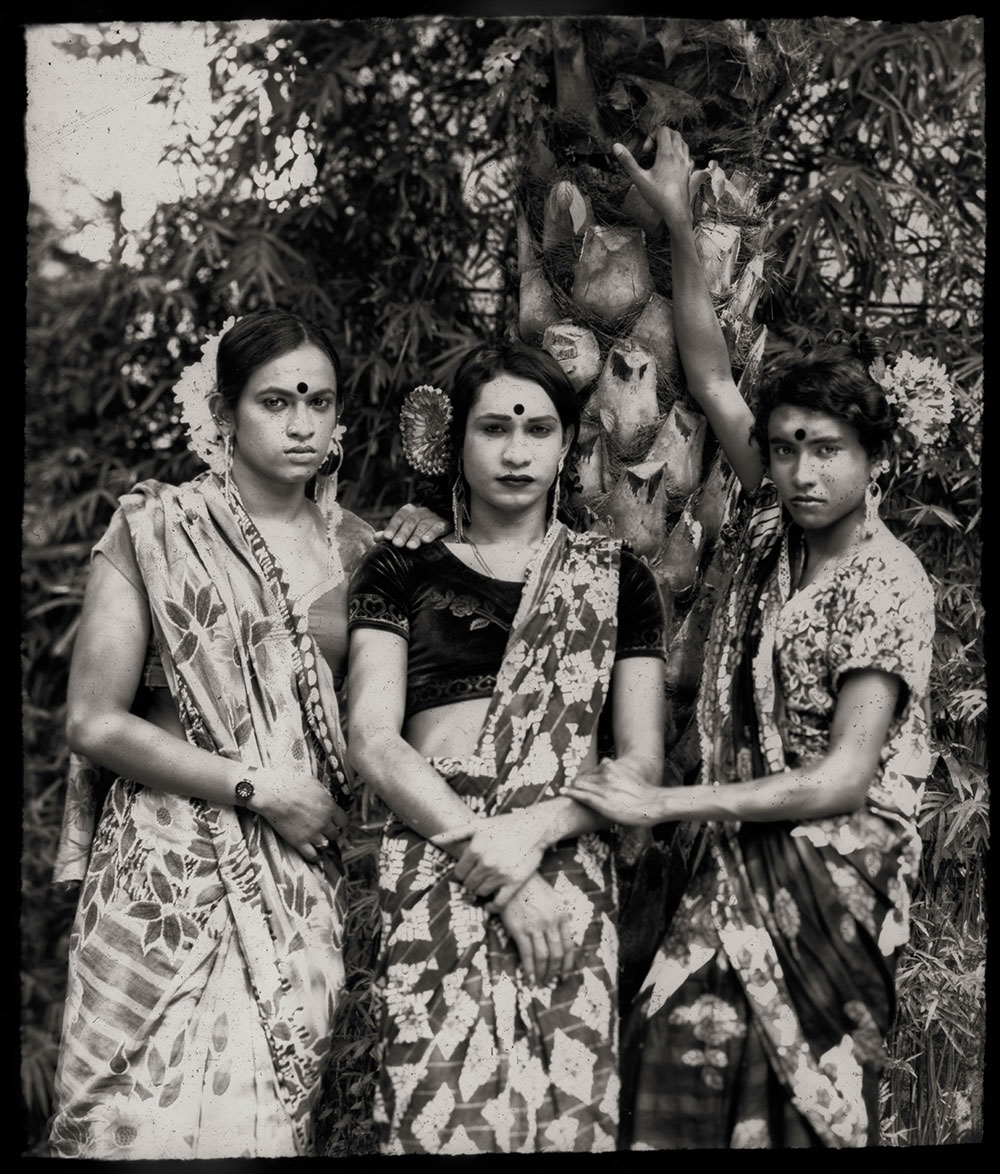
© Shahria Sharmin, artist book “Call Me Heena”
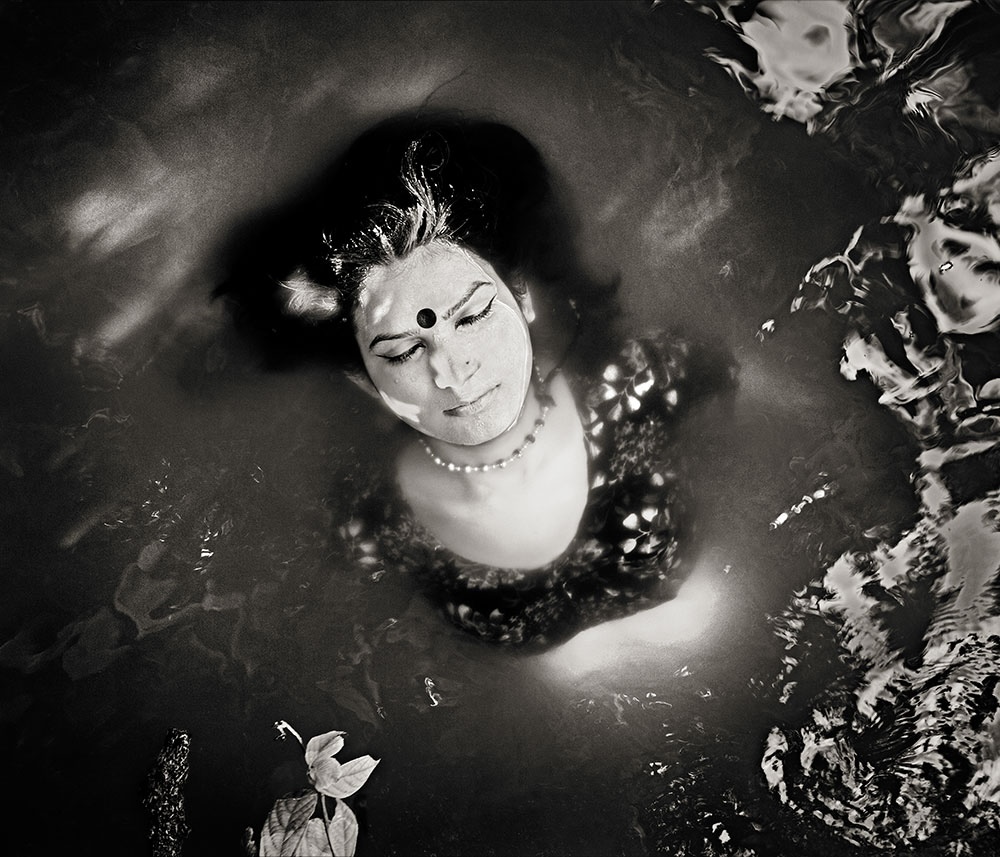
© Shahria Sharmin, artist book “Call Me Heena”
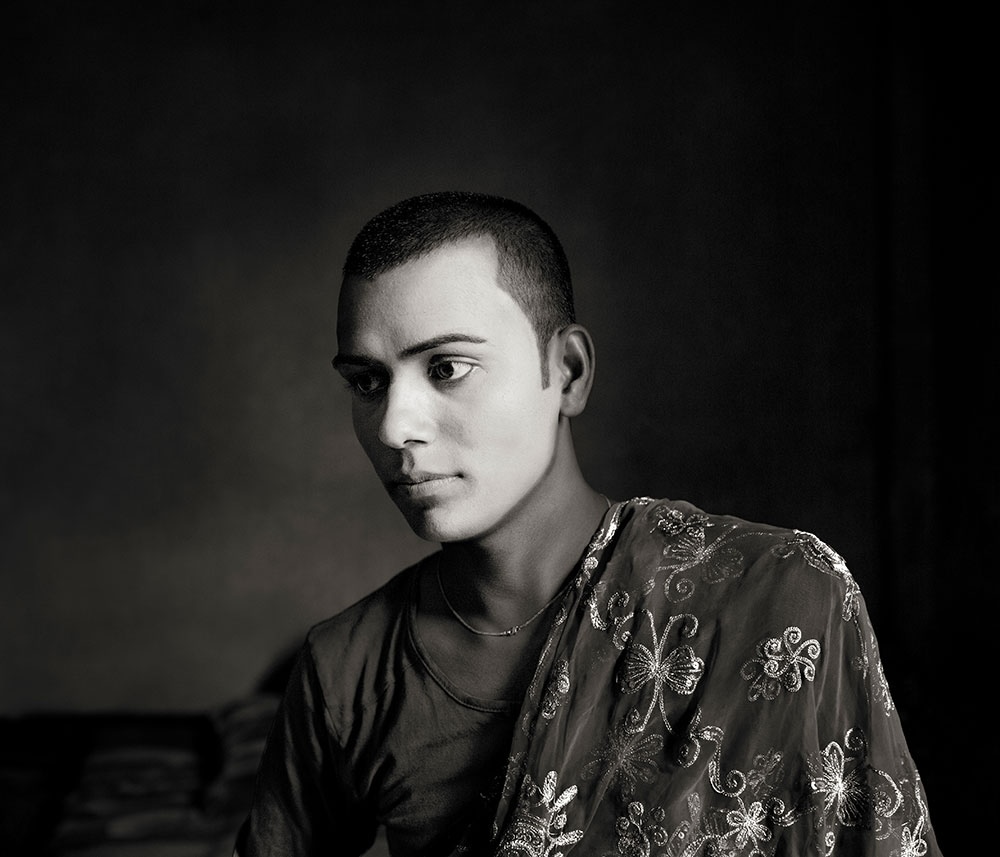
© Shahria Sharmin, artist book “Call Me Heena”
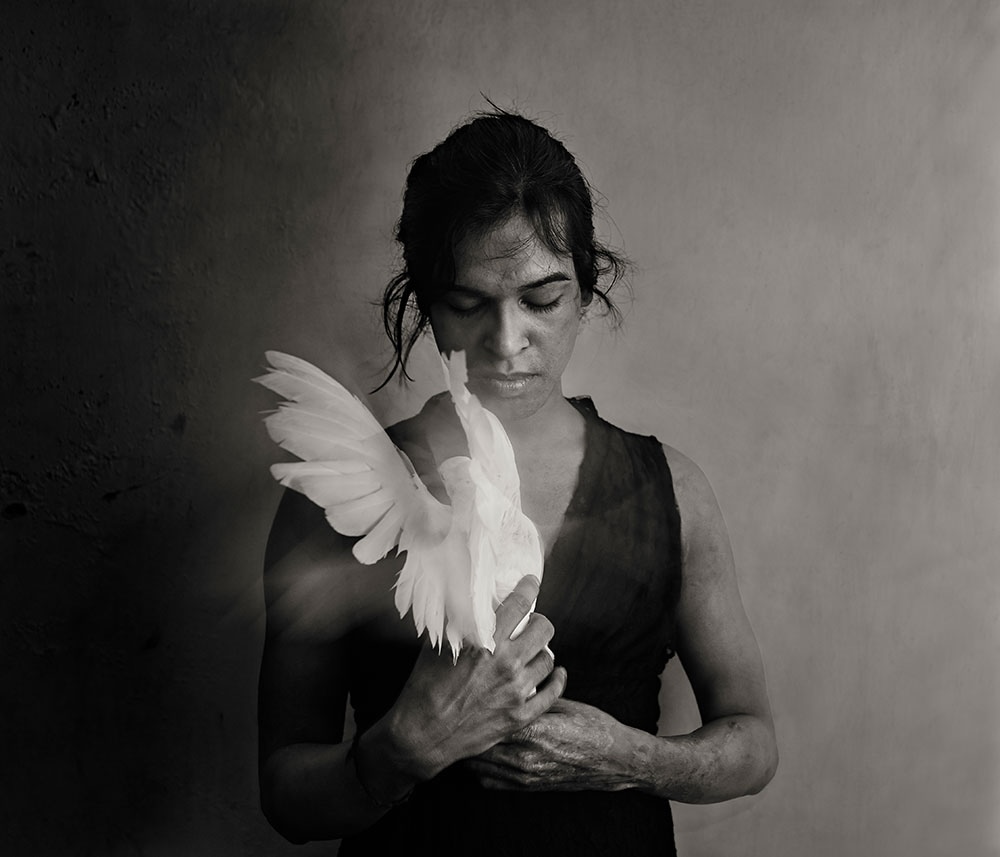
© Shahria Sharmin, artist book “Call Me Heena”
Shahria Sharmin (b. Bangladesh) is a visual artist and documentary photographer based in Dhaka. With a background in Public Administration, she turned to photography as a way to explore questions of identity, belonging, and gender. Shahria’s practice is rooted in long-term, empathetic engagement. She often focuses on stories of family, loss, and social exclusion, using her camera not just to witness, but to build connection. Preferring a slow and tactile approach, she frequently works with a hand-built wooden street box camera — a tool that invites slowness, intimacy, and mutual trust. Her ongoing project Call Me Heena, which documents the lives of the Hijra (transgender) community in Bangladesh and beyond, reflects her deep commitment to challenging cultural norms and imagining alternate forms of kinship. Shahria’s work exists at the intersection of tenderness and quiet resistance — a visual meditation on the possibility of finding home among those pushed to its edges.
Shahria’s work has been recognised internationally. Selected awards include: 2025 British Journal of Photography’s Ones to Watch, 2019 World Press Photo 6X6 Global Talent from the Asia, 2017 Women Photograph grant in conjunction with the Pulitzer Center on Crisis (Shortlisted), 2017 Magnum Photography Award 2017, 2014 Alexia Foundation (2nd Place Student Grant), recognition from Lensculture among others.
Follow Shahria Sharmin
Artist website: https://www.shahriasharmin.com/
Publisher website: https://www.dienacht-magazine.com/2025/06/09/shahria-sharmin
Artist instagram: https://www.instagram.com/shahria_sharmin/
How to purchase: https://www.dienacht-magazine.com/2025/06/09/shahria-sharmin
Posts on Lenscratch may not be reproduced without the permission of the Lenscratch staff and the photographer.
Recommended
-

Claire Beckett: Defense LanguageJuly 26th, 2026
-
Reuben Radding: Heavenly ArmsJuly 23rd, 2026
-

Zackery Hobler: Beneath Two SkiesJuly 20th, 2026
-
Danielle L Goldstein: TransienceJuly 19th, 2026
-
Laurie Lambrecht: tēxēreJuly 17th, 2026