CENTER Personal Award: Elizabeth Z. Pineda – Maíz
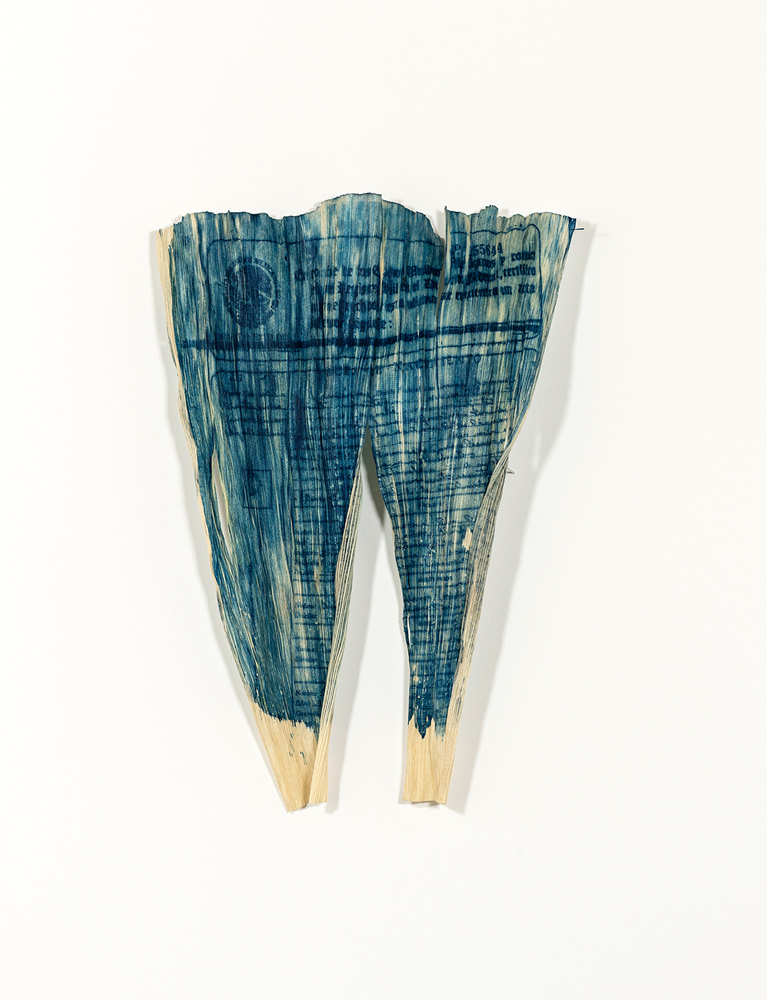
©Elizabeth Z. Pineda, Acta Valida
The CENTER Awards recognize outstanding images, singular or part of a series, in three categories: Personal, Social, and Environmental. All submissions will become part of the CENTER archive serving as an ongoing mission-driven fine art and documentary imagery resource.
Congratulations to Elizabeth Z. Pineda for being selected for CENTER’s Personal Award recognizing her project, Maíz. The Personal Award recognize work engaging in the exploration, expression, the power of self-representation and/or underrepresented experiences. The Award includes Professional Development Seminars, Complimentary participation and presentation at Review Santa Fe, Project Publication in Lenscratch, and inclusion in the CENTER Winners Gallery & Archive.
JUROR: Amanda Hajjar, Director of Exhibitions, Fotografiska New York shares her thoughts on this selection:
It was wonderful to see creativity in the submissions, including poetry as artist statements, non-traditional printing techniques, and expressing relatable questions. Trends that were not as successful were submissions that came with little to no explanation or if the execution of a project was not thought-out or executed poorly. I was very interested in the submissions that explored unique processes and provided context to explain their concepts.
In the selected project Maíz by Elizabeth Pineda, this photographer exemplifies how to brilliantly execute a very deeply personal project in a unique way. They have engaged in the exploration of unexpected materials (corn husks) and printing process (cyanotypes). They have connected the physical print with their personal heritage. And finally, they speak to the “value” of government documents and connecting that to resources they see as valuable from their culture.
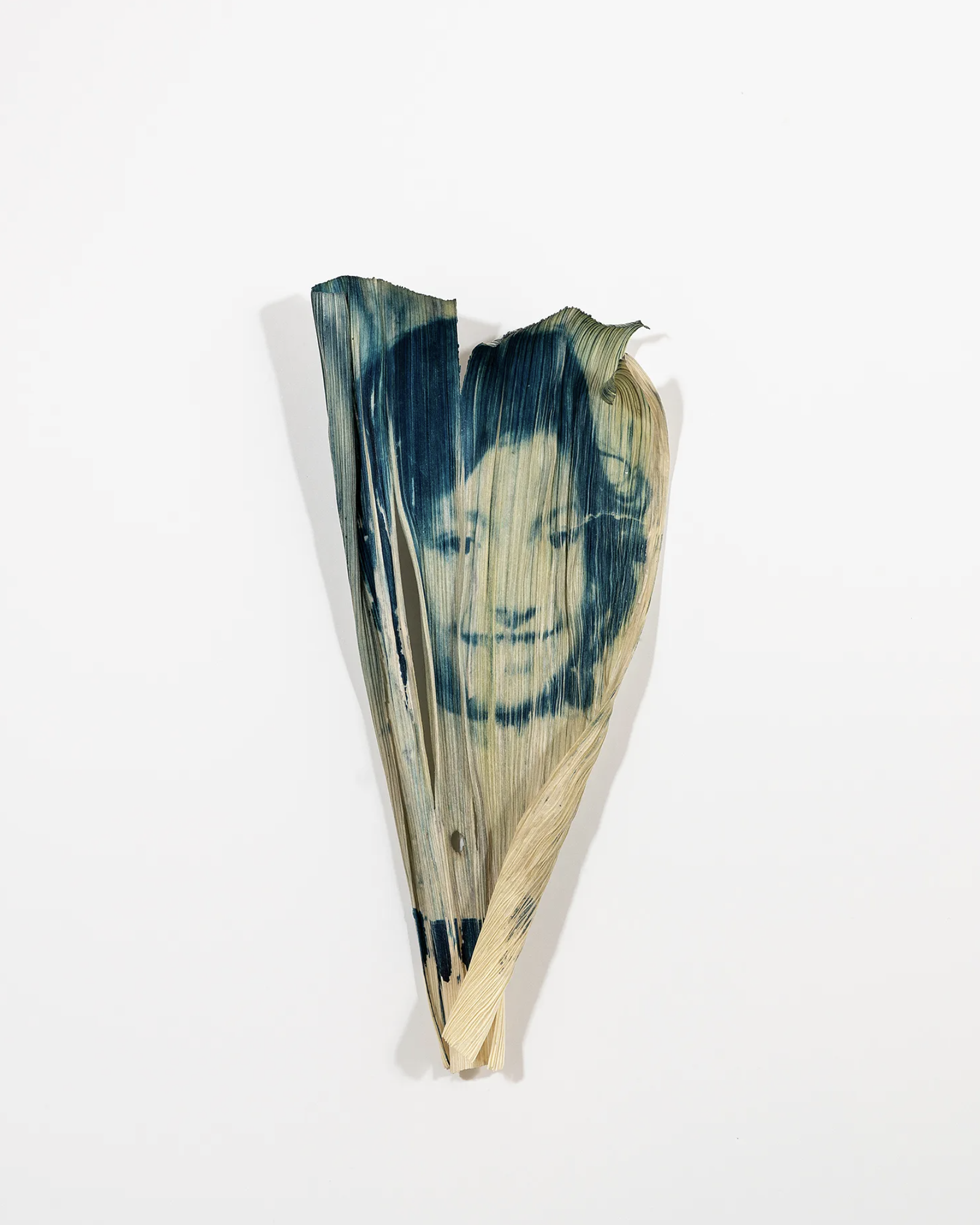
Self-Portrait – Hija del Maiz © Elizabeth Pineda
Amanda Hajjar is the Founding Director of Exhibitions of Fotografiska New York. Hajjar collaborates with world-renowned artists to bring their exhibitions from initial concept to final reality. She has juried numerous awards, most recently the British Journal of Photography’s International Photography Award (2022), the PHMuseum 2022 Women Photographers Grant, and the Leica Women Foto Project Award (2022). Prior to Fotografiska, Hajjar was an Artist Liaison at Gagosian Gallery New York.
_____________________
Originally from Mexico City, Elizabeth Z. Pineda is a photographic emerging artist based in Surprise, Arizona. Her work explores complicated issues regarding immigration, identity, displacement, and migrant deaths that occur in the Arizona desert. Pineda speaks visually of community, touching on language barriers, culture, and society. Her practice is rooted in the craft of hand-made objects as an expression of her deep ties to the subject matter using historic and untraditional photographic, printmaking, papermaking, and book art processes. Elizabeth holds an MFA in Photography from Arizona State University.
@elizabethzpineda_fotografia
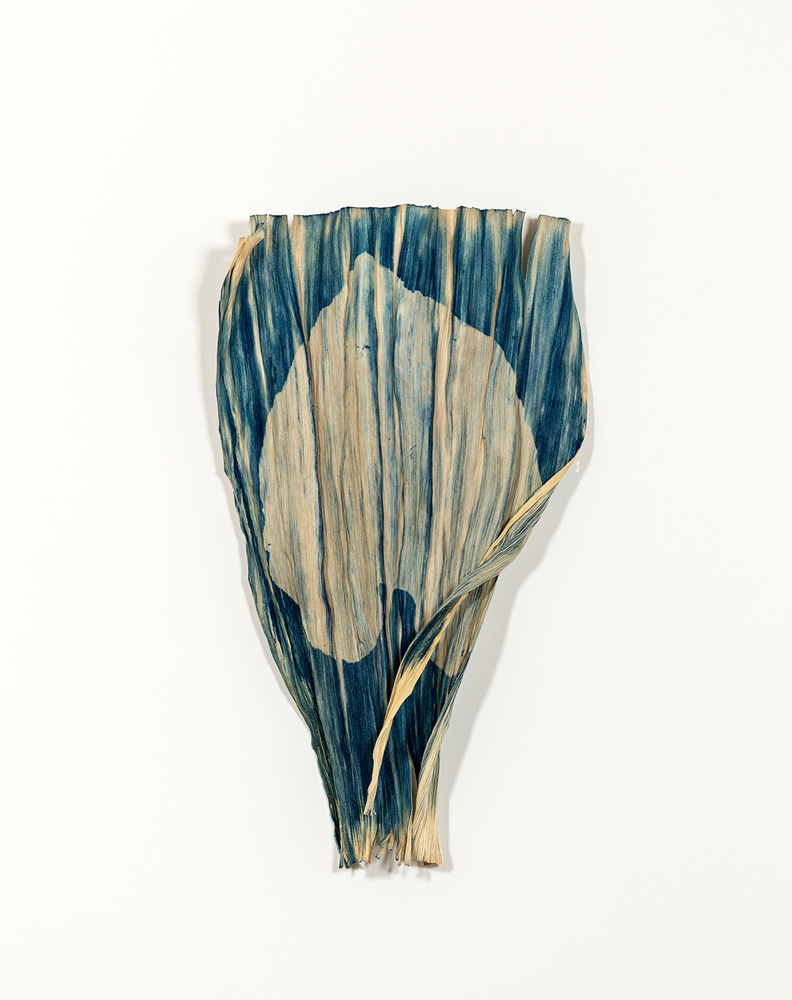
©Elizabeth Z. Pineda, Hoja Santa
Hoja de maíz, hoja, hoja de papel
What does someone’s culture, heritage, and identity say about a person?
This work began after a recent experience when my personal documents were deemed invalid because they held my married name and not my given name when I was first applying for a passport. I would need a picture ID of me as a child to prove my name and my identity. I was deeply hurt, in shock, and angered. It felt like erasure.
I began thinking about the validity of documents. The weight that piece of paper has, that “papers” have. And of the fact that they are simply paper.
I use corn husks to re-create my papers on something I valued–corn. At the beginning, I knew I would make cyanotypes of my birth certificate and marriage license on the husks–and give them the validity that was taken away from them. Shortly thereafter I realized that the experience made me question my roots and the idea of home. What home is and who has a right to dictate what home is and who has a right to it. And with that, cultural identity. So, I thought about what being home means to me. Being home is ultimately my mother and her cooking.
I began making prints of specific, traditional herbs my mother uses in her cooking. To me they are her and her story, her childhood, how she learned and her stories about cooking with them. That is home. It also made me aware that as people, no matter where one is from, no matter where one is, the mere thought of our homeland food–its aroma, its taste, will immediately transport one home. This is the heart and intent of this work. It gave me the validity I’d lost. It gave me the permission to feel whole. It made me work–hard.
But, I believe, it also gives others a voice. One, through a humble corn husk. – Elizabeth Z. Pineda
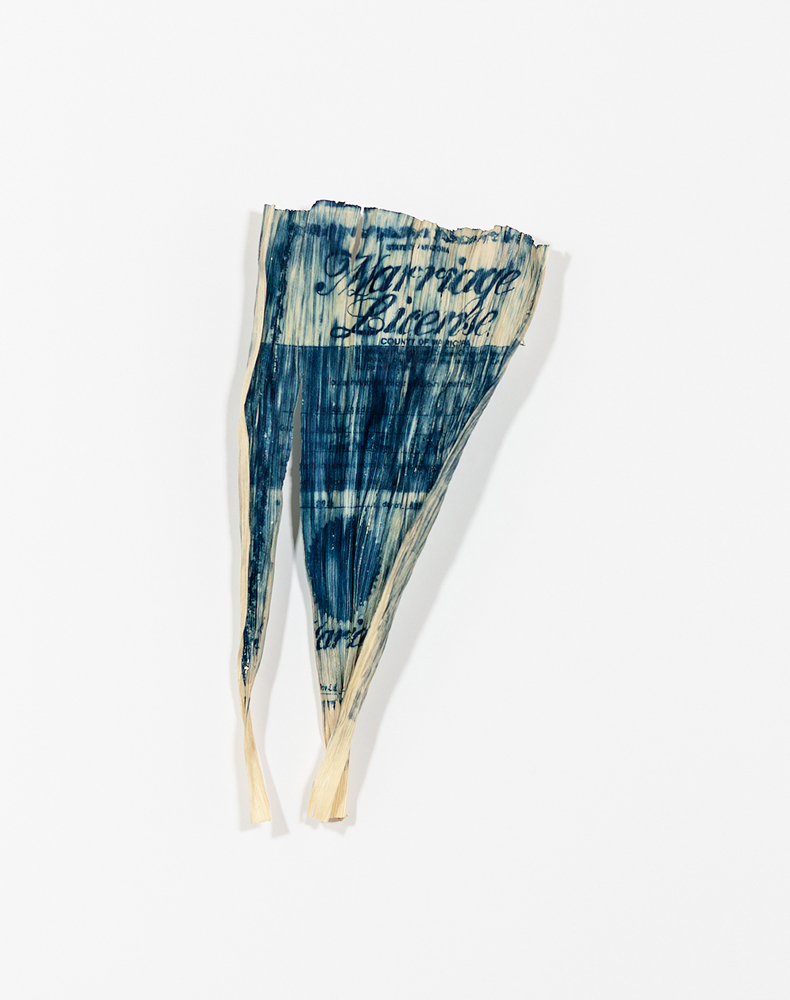
©Elizabeth Z. Pineda, Licencia Valida
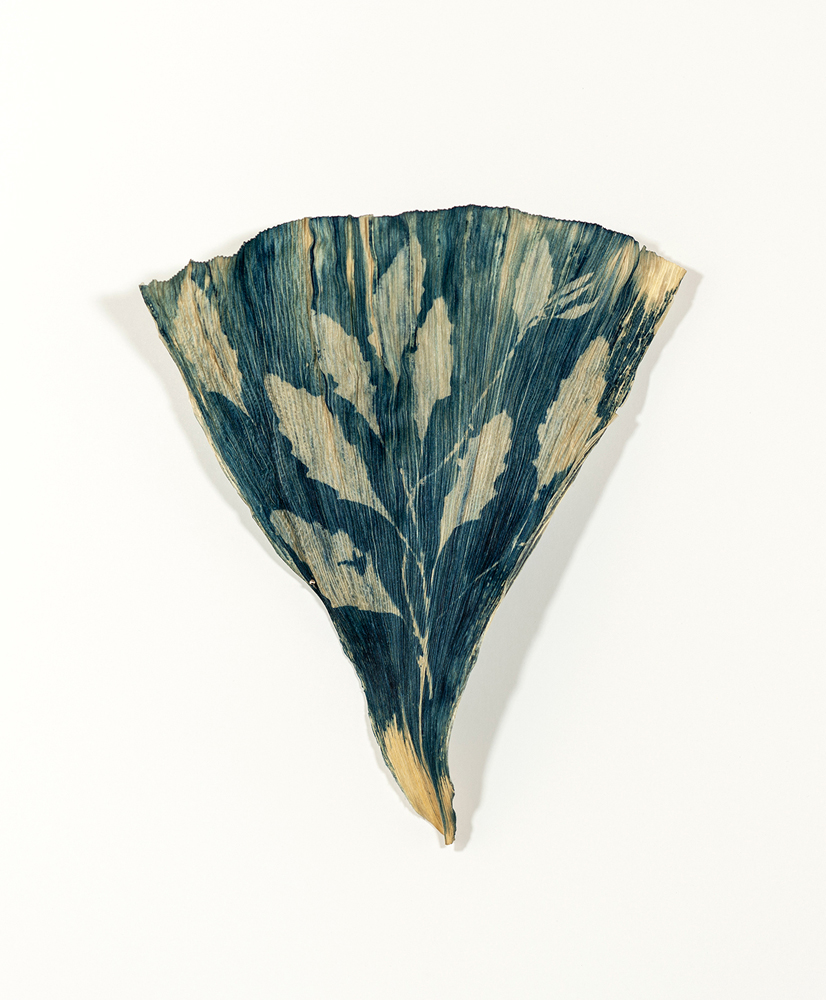
©Elizabeth Z. Pineda, Epazote
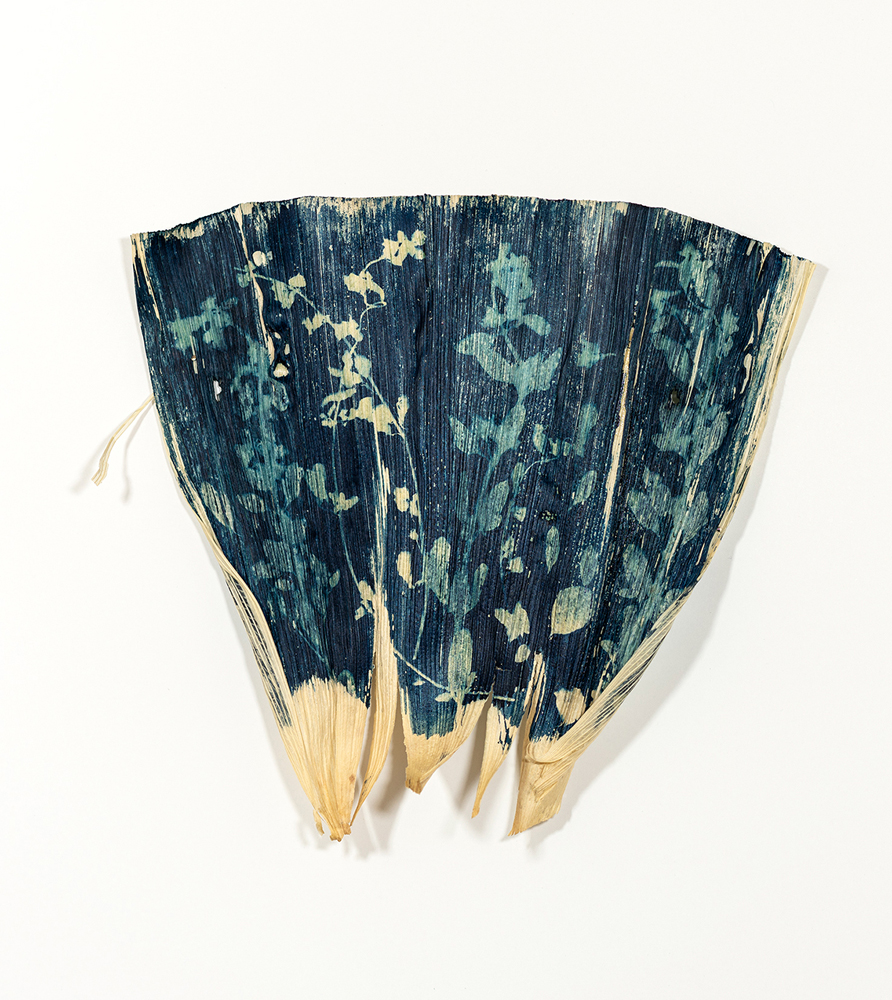
©Elizabeth Z. Pineda, Mejorana
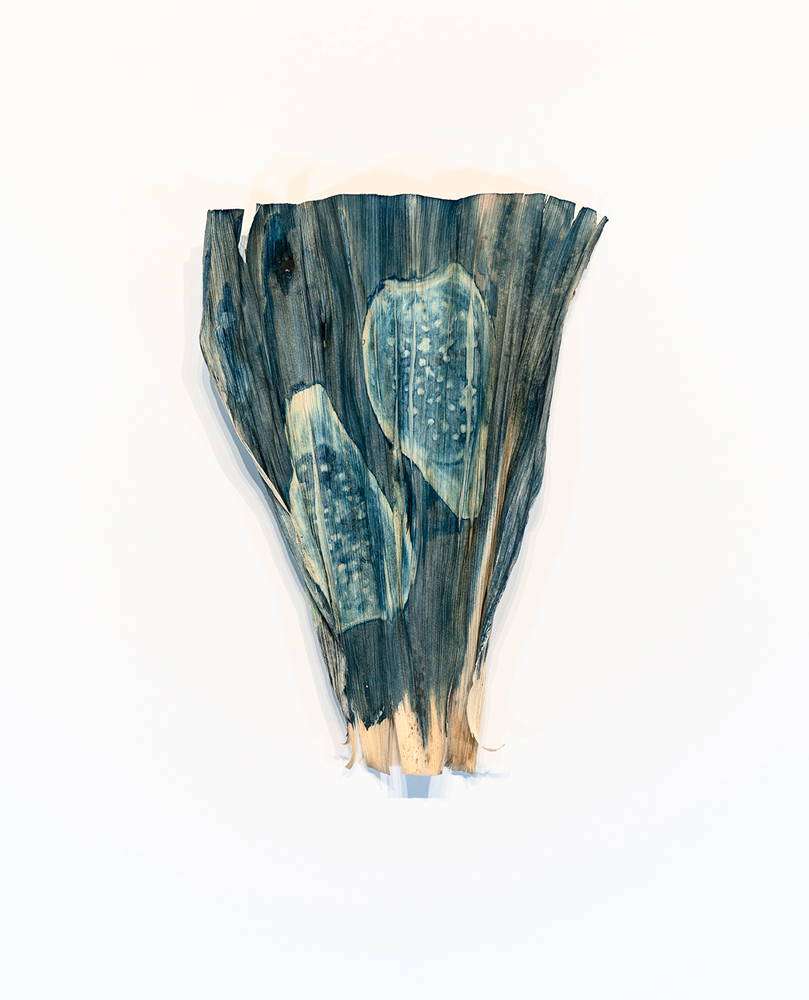
©Elizabeth Z. Pineda, Nochtli

©Elizabeth Z. Pineda, Maíz
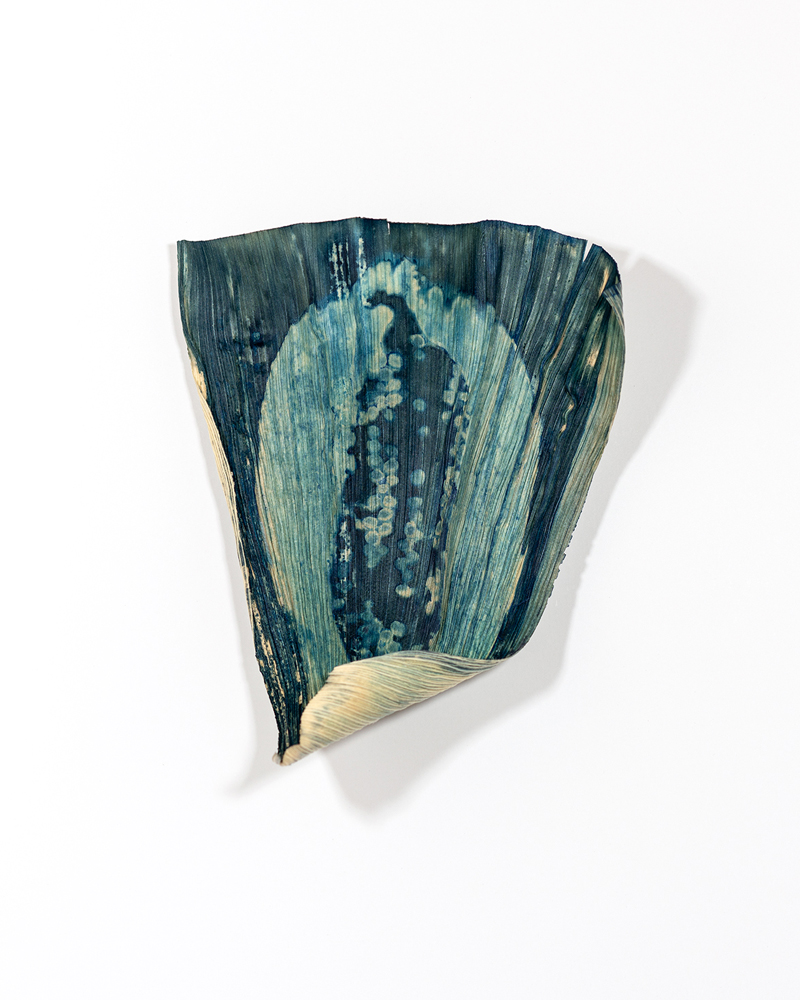
©Elizabeth Z. Pineda, Papaya

©Elizabeth Z. Pineda, Jalapeño
Posts on Lenscratch may not be reproduced without the permission of the Lenscratch staff and the photographer.
Recommended
-
The 2026 Lenscratch Student Prize Honorable Mention: G. Chevalier FustecAugust 9th, 2026
-
The 2026 Lenscratch Honorable Mention Student Prize Winner: Anton ZdanovichAugust 8th, 2026
-
The 2026 Lenscratch Honorable Mention Student Prize Winner: Anastasia SierraAugust 7th, 2026
-

The 2026 Student Prize Honorable Mention Winner: Luke RosingAugust 6th, 2026
-
The 2026 Lenscratch 3rd Place Student Prize Winner: Diana SosnowskaAugust 5th, 2026