Ashley Chappell: In My Dream
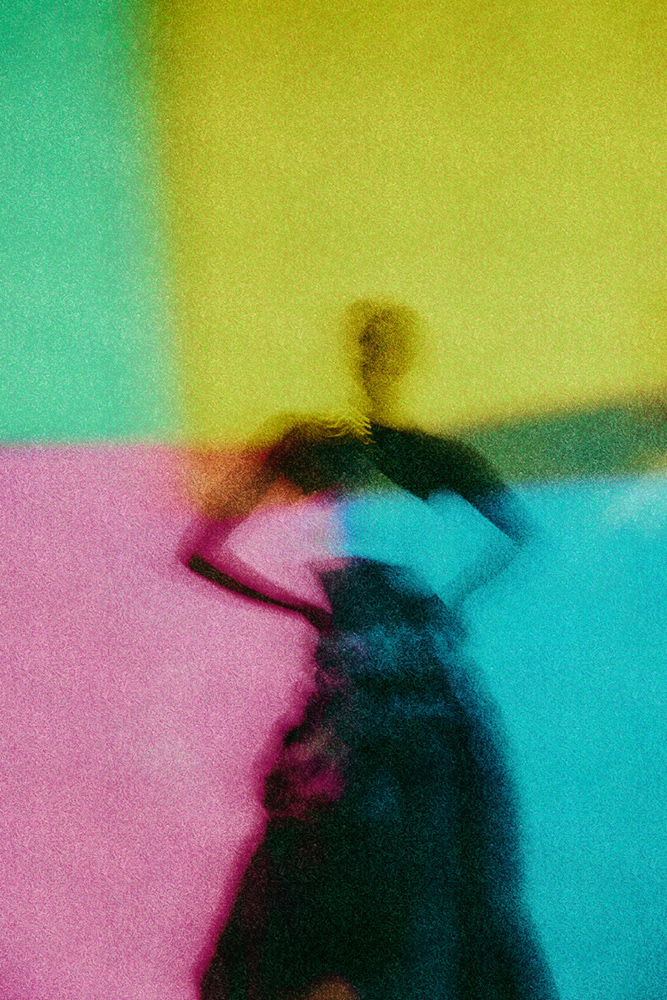
©Ashley Chappell, Fragmented
There are photographers who document the world as it appears, and there are photographers who transform the medium into a space for emotional excavation, memory, and imagination. Ashley Chappell belongs firmly in the latter category. Moving between fashion and fine art, she creates photographs that resist easy definition. Her images that feel suspended between dream and reality, intimacy and performance. Her work is less concerned with describing the visible world than examining the interior experiences of grief, longing, and the complexities of Black identity that exist beyond stereotype.
Color plays a central role in her visual language. Saturated hues, soft dissolves, and layered atmospheres become emotional frequencies rather than aesthetic devices, allowing the photographs to communicate what words often cannot. There is a cinematic and deeply psychological quality to the work, where figures emerge and recede like waking dreams. Photography became a transformative force in the artist’s life after she retired from nursing due to lupus. What began as a way to navigate loss and grief evolved into a powerful creative practice rooted in intuition and emotions.
Ashley Chappell is a Chicago-based photographer working between conceptual portraiture and visual storytelling. Her practice explores Black identity, emotional memory, grief, and diasporic imagination through color, abstraction, and staged environments.
Her work has been featured by Der Greif (Guest Room curated by Sarah Lewis and Jessica Williams Stark), selected as Foto of the Day by Fotografiska Emerging, and published in Vogue Philippines and PhotoVogue. She has also exhibited in Reflections in Black: A Reframing at Temple University, curated by Dr. Deborah Willis.
Instagram: @flxashstudios
An interview with the artist follows.
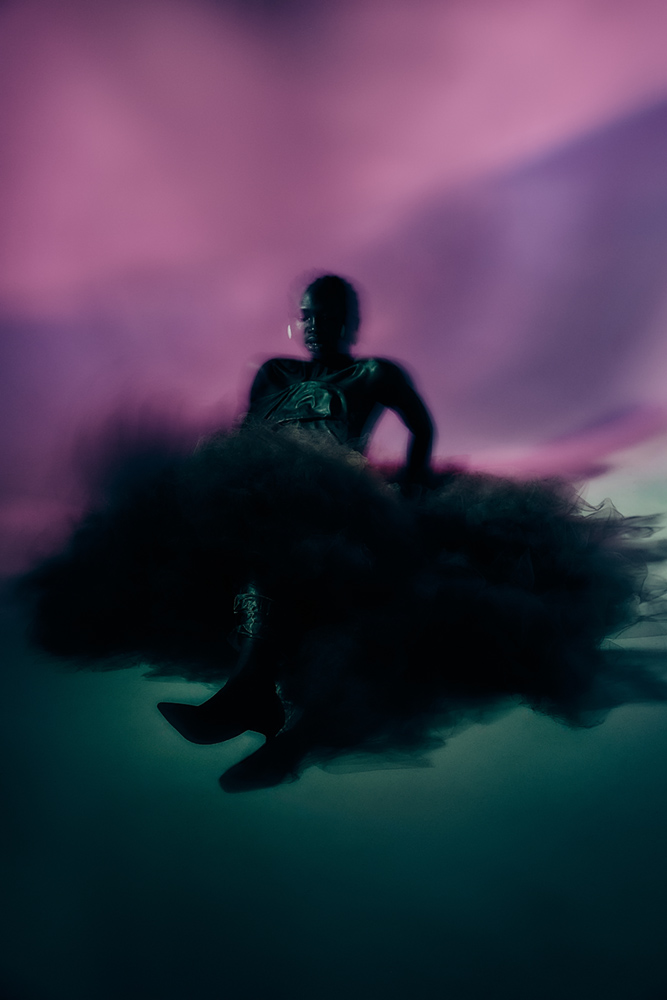
©Ashley Chappell, Fallen
Artist Statement
I make photographs to understand what can’t be easily spoken.
My work moves between fashion and fine art, using portraiture, color, and abstraction to explore Black identity, emotional memory, and diasporic imagination. I’m less interested in documenting reality and more interested in shifting it, creating images that feel like memories, like dreams, like something just outside of language.
After retiring from nursing due to lupus, photography became a way for me to process stillness, loss, and grief. Color, especially, became a lifeline. I use it as an emotional language, something that holds feelings when words fall short. The images are often staged, but they come from a very real place. They’re about interior life, about what we carry, and what we’re still trying to understand.
I think about Blackness beyond visibility or performance. I’m not trying to explain it or prove it. I’m trying to feel it, and to create space where it can exist as something expansive, spiritual, and unresolved. The work often sits between worlds: between clarity and blur, control and intuition, fashion and something more personal.
My process usually begins with a concept, but I follow instinct once I’m inside the image. I let things shift. I let the unexpected happen. That’s where the work opens up.
Ultimately, I’m building images that function as both reflection and refuge spaces where memory, grief, and imagination can exist together without needing to be resolved.
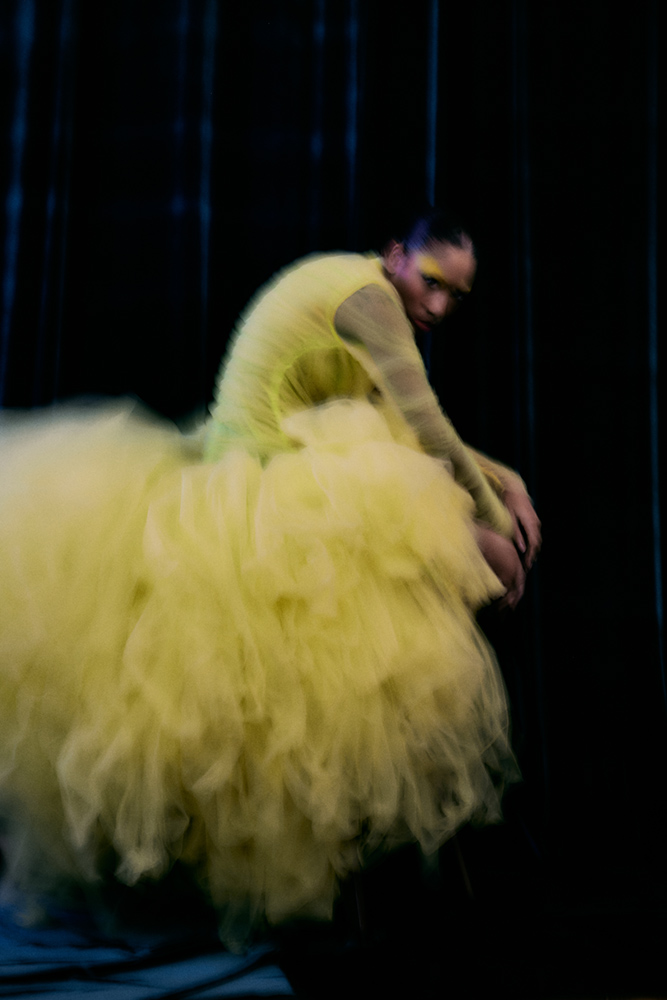
©Ashley Chappell, Dominque
Tell us about your growing up and what brought you to photography?
I grew up the youngest of my siblings, with a significant age gap between us, so I was pretty much a lonerat home. I played with dolls, coloring books a lot, and watched a lot of Disney movies. When I would complain about being bored, my dad would tell me, “You aren’t bored use your imagination. You can do anything great you put your mind to.”
Family photos were very precious to my mother. When my grandfather passed, she was mainly concerned about getting all the photos, so that placed an importance on them for me at an early age. As a teen, I would carry a disposable camera around, but I didn’t consider it a passion. When the iPhone and Instagram came out, I found myself taking a lot of street photography, and I really enjoyed it. My first career was in nursing. My mother wasn’t too keen on me doing anything in the arts professionally because of the “starving artist” stigma, so I went the medical route. Early into my nursing career, I was diagnosed with lupus during my pregnancy with my son. That pregnancy ended tragically at 8 months , and I almost lost my life as well. After that, I was advised to retire from nursing.
After about 10 years, I went into kidney failure and had to do chemotherapy. The treatment ended up helping me a lot, and I felt like I had a fresh start at life. During that time, taking photos on my phone brought me joy, and when I was in the hospital, looking at those photos helped me escape. I was actually deciding between starting a coffee company or pursuing photography. I would post photos of the coffee online, and someone reached out to hire me. I didn’t really know what I was doing, but I approached it the same way I approached nursing: I studied a lot. I took a Skillshare class and became obsessed with learning, putting in a lot of hours practicing and studying.
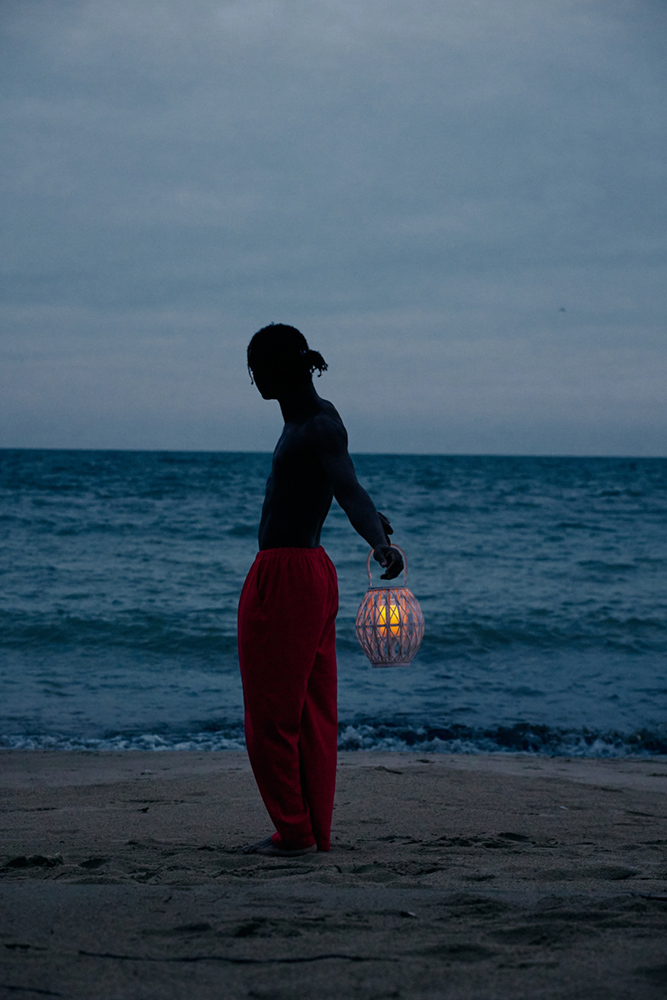
©Ashley Chappell, Moonlight
Are you a film or digital photographer?
I am a digital photographer, but I am slowly learning film.
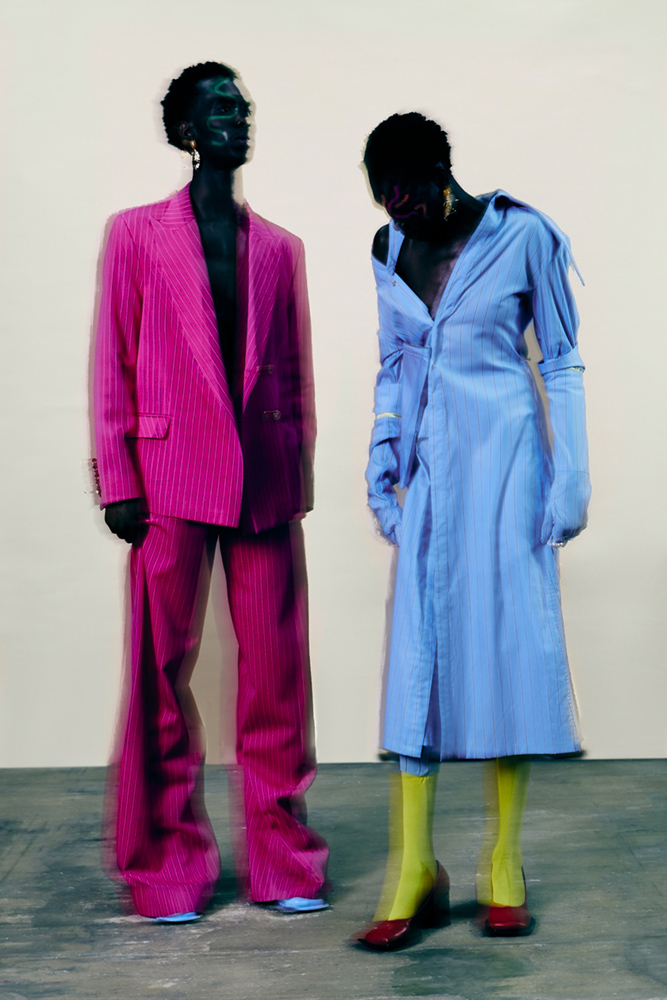
©Ashley Chappell, Dualities
You were formerly a nurse, what do you bring from that world to your work?
The way I studied photography was the same way I studied nursing. I had to understand the science of light and how the camera works.
I also bring over the art of delegation and working with a team. I learned how to work with people. I did psych nursing and hospice, so I developed empathy and patience.
I also have less fear about the industry and reaching for opportunities. Nursing is obviously very serious, and there is more on the line. In photography, I don’t take for granted that the best part of it is being able to play and experiment. I’ve seen some of the hardest parts of life, so I move differently.
One thing I had to unlearn was how direct I was. In nursing, you are trained to be very blunt in writing you state the facts and exactly what you need. When I started emailing people in this industry, I had to adjust and add back warmth and conversation. I still sometimes worry that I come off too direct.
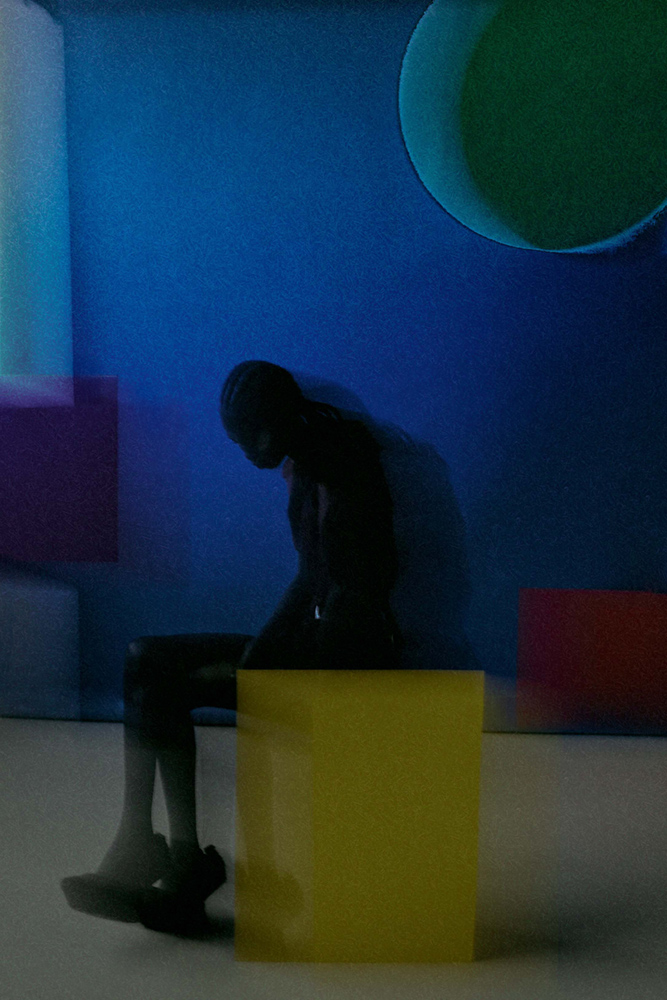
©Ashley Chappell, Sonder
How has photography changed your life?
Photography made me want to live again, not just exist. It gave me an identity outside of being a mother, being sick, or carrying grief.
It gave me an outlet to express myself, and it gave me community and friends.
More recently, as I’ve started to show the work, I’ve seen how it inspires other people. Seeing how the work and my story impact others has given me a deeper sense of purpose. It turned something painful into something meaningful. Lemons to lemonade.
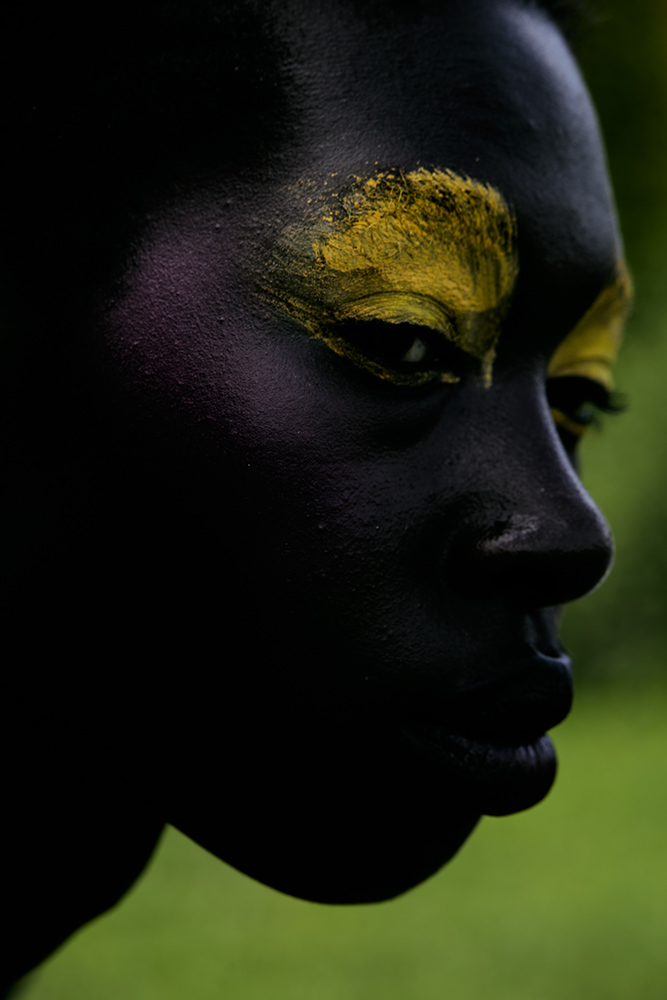
©Ashley Chappell, Seen
As a former Fashion Editor, your work is so inspiring because you truly straddle the line between fine art and editorial. So many fashion photographers become frustrated by their inability to create their own work, beyond the client’s needs….
I agree I think a lot of people forget to make work for themselves.
Although I’ve had a tough start in life, I also have a certain perspective that allows me to approach things differently. I take on client work so I can make my own work. That’s why I do this.
I hope when people read this, they remember to create for themselves. I know it can be hard.
Because I’m self-taught, I didn’t come in with rules. I came into this industry very naive, which allowed me to take risks, find my voice, and put it out there.
I try not to worry if the work is too abstract. I believe the right people will see it and understand it. I focus on making work that feels true to me.
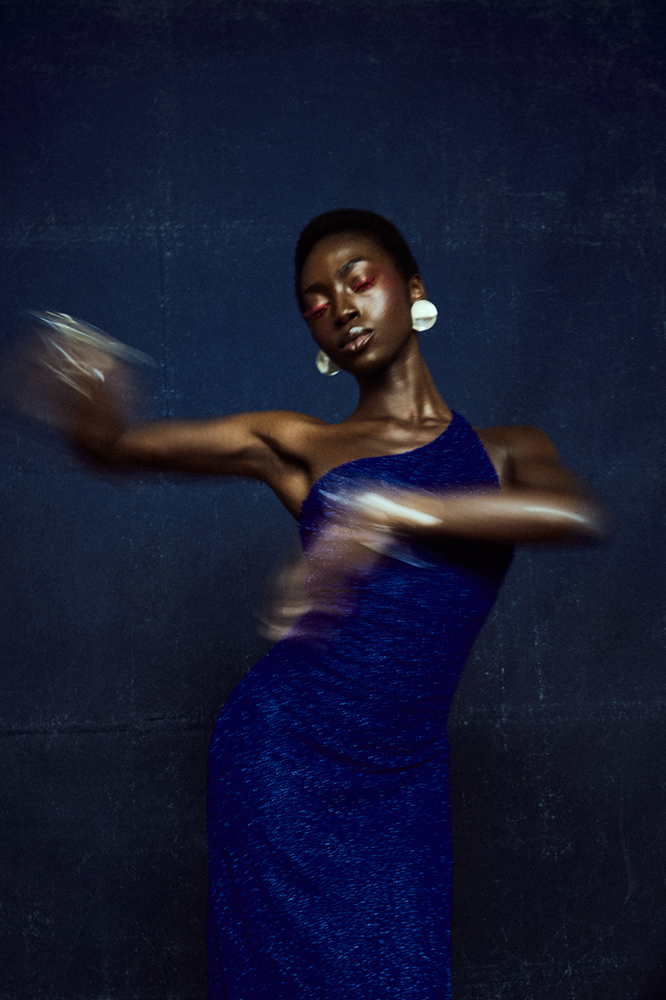
©Ashley Chappell, Spinning
Do you have a background in painting? Your colors are sumptuous.
Thank you. I don’t have a background in painting. I only painted once as a kid when I was on punishment and upset but it must have been good, because my mom took me off punishment.
I love painting and am deeply inspired by it. I try to paint with the camera, that’s why I started using blur and shutter drag.
I love color. I think I speak in color. I feel in color. It’s like notes in music they guide me.
I’m very particular about color. I’m still learning what is driving it but I trust my instincts. The colors have to feel right, or I can’t move on.
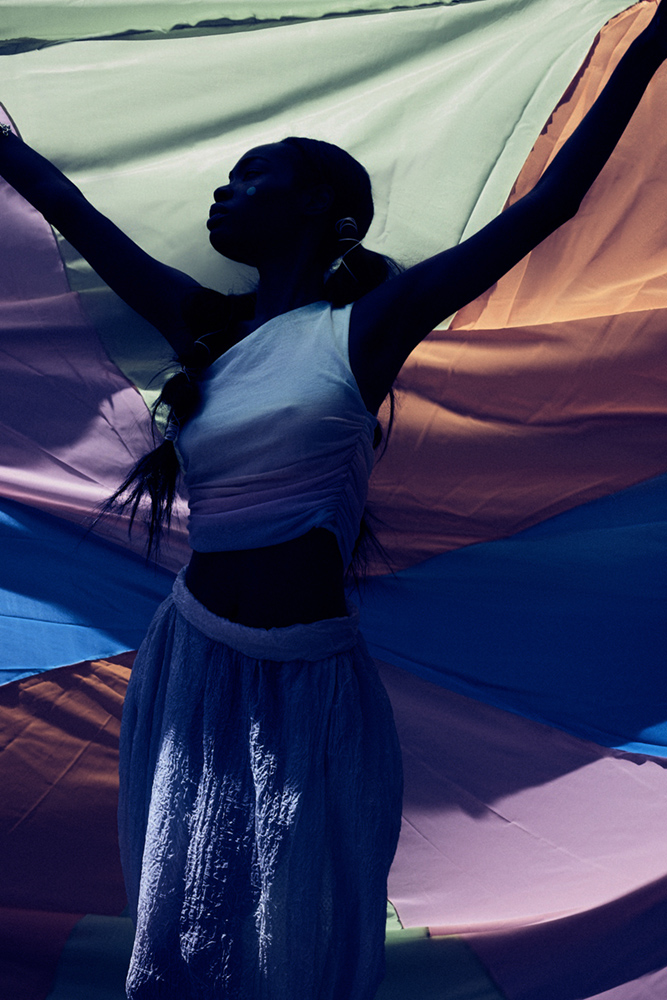
©Ashley Chappell, Zya
Who or what inspires you?
I love music, especially ethereal and melancholy music, as well as Afrobeats. Music sets the mood for me.
I’m inspired by painting, especially Kerry James Marshall. In fashion, I’m inspired by Tim Walker and Paolo Roversi, the theatricality, the use of costume and play, and the way images can feel like paintings.
I am also inspired by costume design in theater and movies. I saw the nutcracker as a child I remember how i felt like I was in that world that is the power of wardrobe.
Clothing is powerful that way especially when I want to create worlds that feel surreal
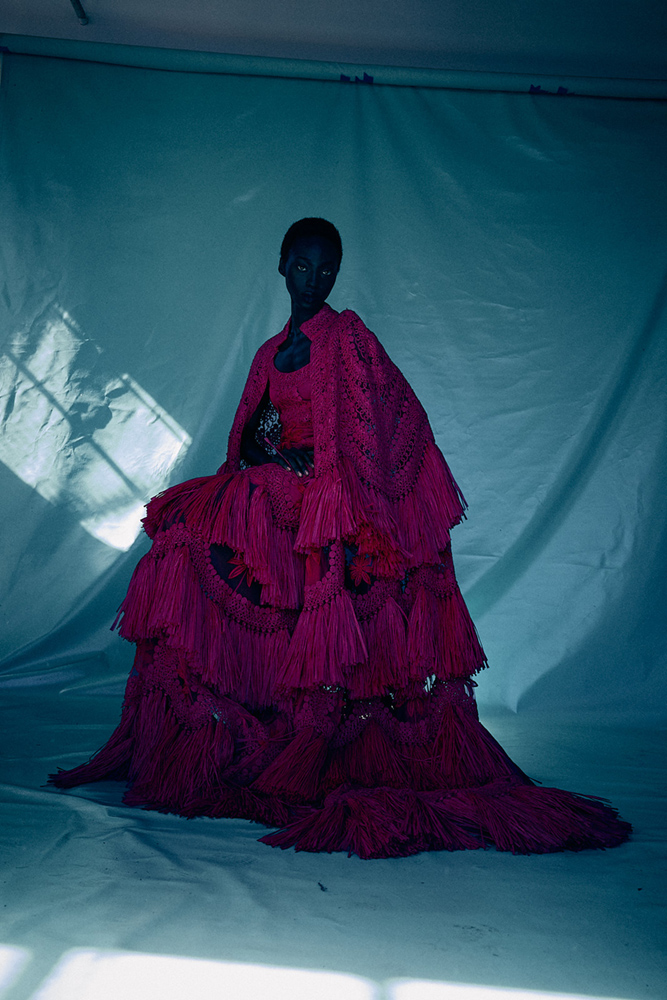
©Ashley Chappell, Halimotu
What would be your dream project?
I think continuing to make work for myself is the dream.
I would love to shoot a cover for Vogue and have a solo show.
But more than anything, the dream is to make work that feels truly honest and authentic to me. That’s freedom. And wherever that leads would feel aligned.
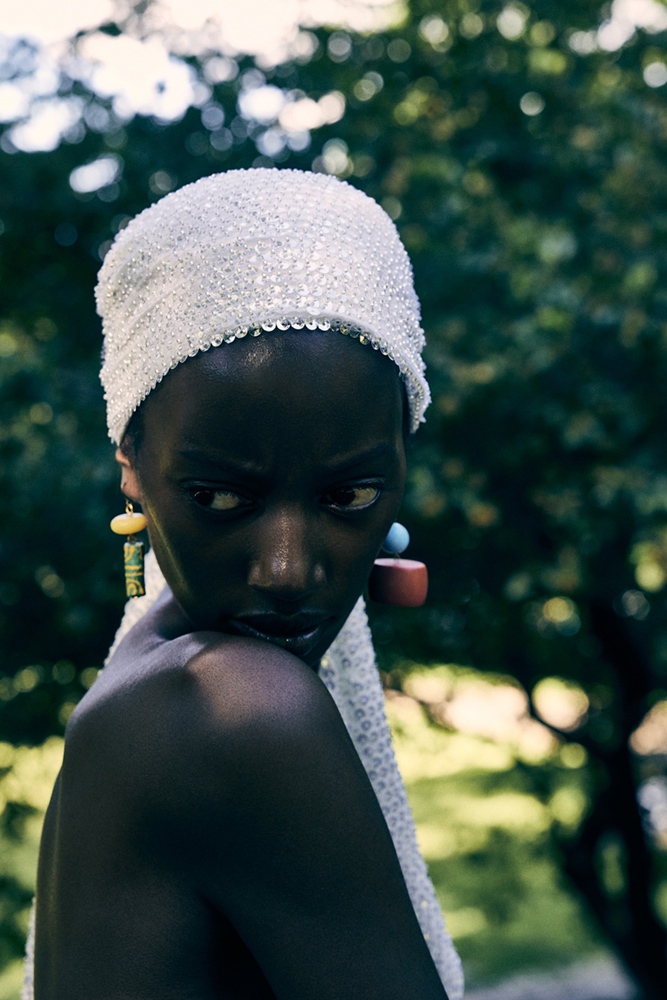
©Ashley Chappell, Brenda
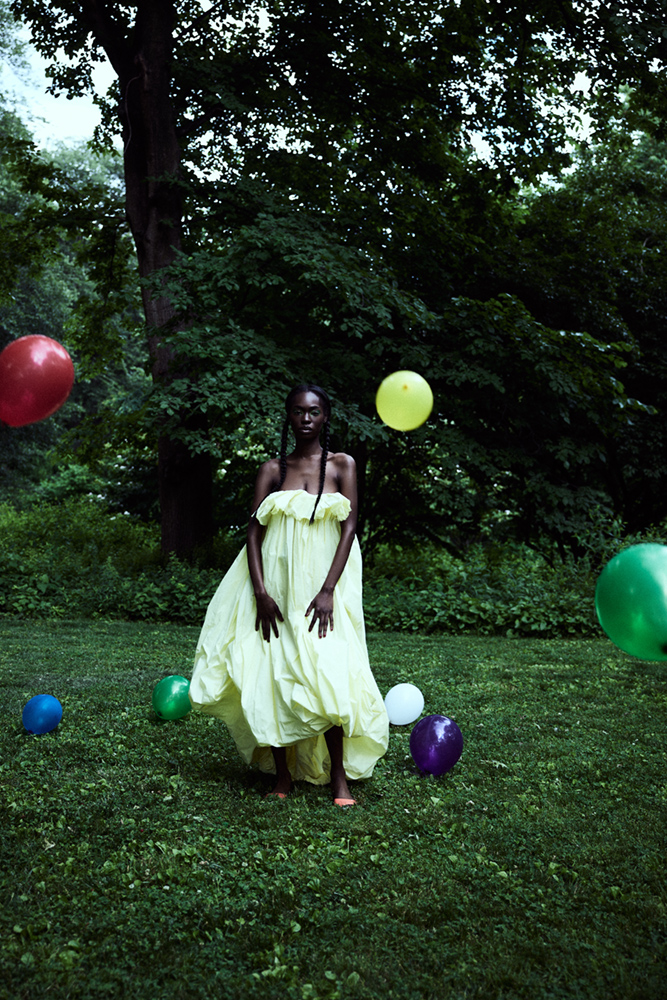
©Ashley Chappell, Be present
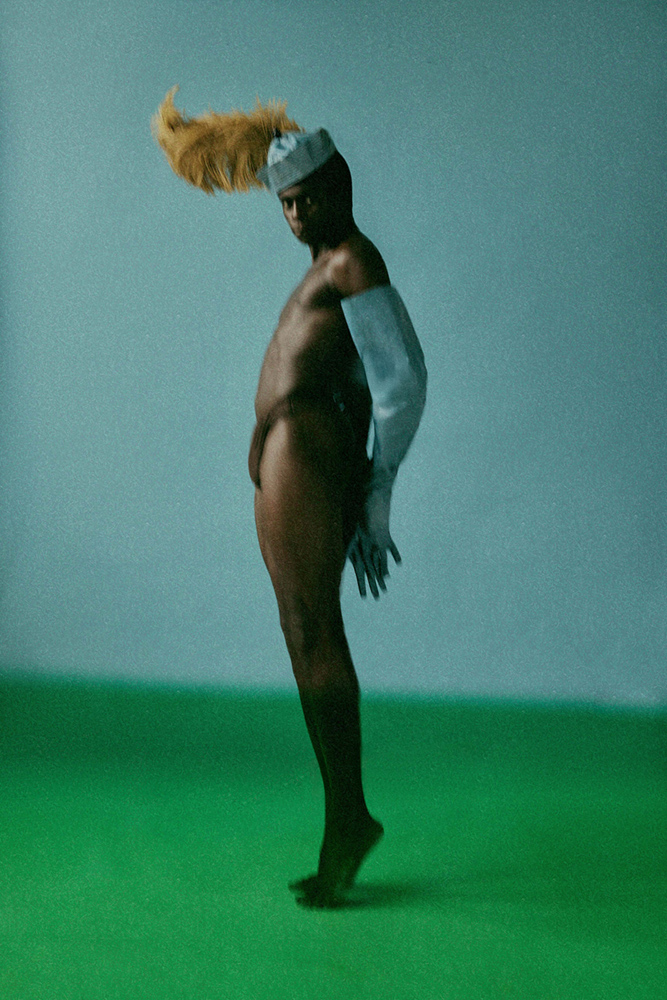
©Ashley Chappell, Emergence
Posts on Lenscratch may not be reproduced without the permission of the Lenscratch staff and the photographer.
Recommended
-
Claudia Moreno: Axes & PowerJuly 21st, 2026
-
Aidan Avery: Under Punches and The Open Call ListJune 22nd, 2026
-
The Infinite Light of Duane MichalsJune 16th, 2026
-
Ashley Chappell: In My DreamMay 20th, 2026
-
Eugenia Brodsky: ChrysanthemumMay 19th, 2026