The Center Awards: The Project launch Grant Honorable Mention: Moira McDonald
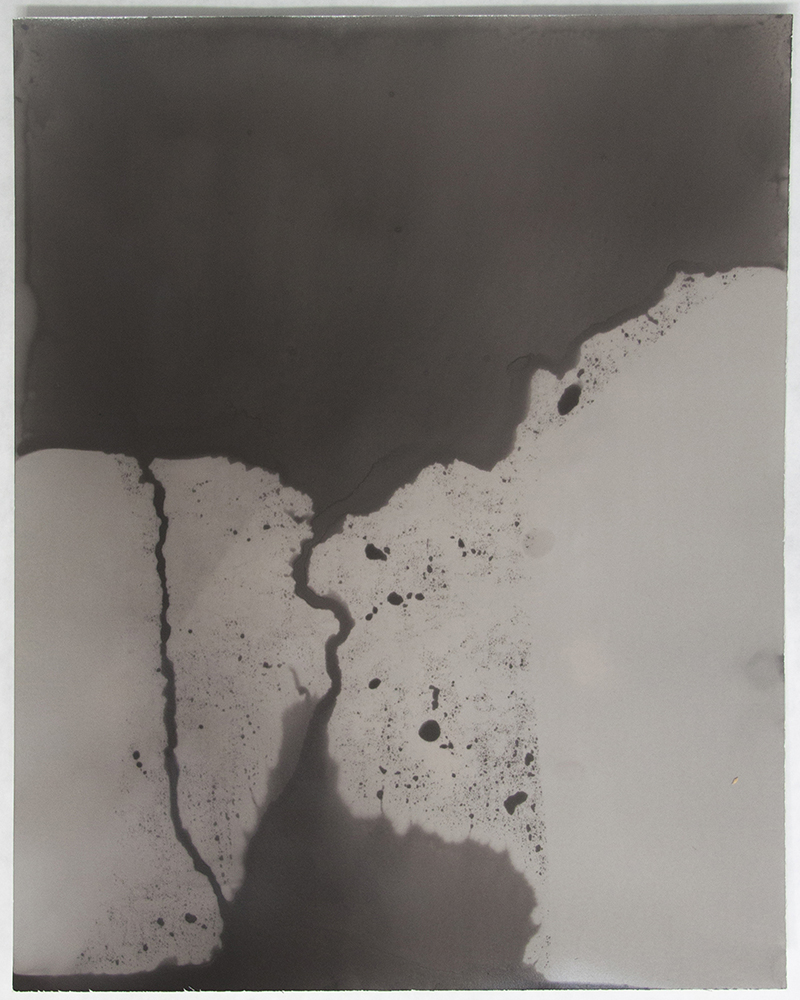
©Moira McDonald
Congratulations to Moira McDonald for being selected for CENTER’s Project launch Grant Honorable Mention recognizing her project, Pacifica. The Project Launch Award is granted to an outstanding photographer working on a fine art series or documentary project. The grant includes a cash award to help complete or disseminate the works, as well as providing a platform for exposure and professional development opportunities.This grant is awarded to complete or nearly completed projects that would benefit from the grant award package. It requires signature of a contract to participate in an exhibition during Review Santa Fe and offers participation in a winner’s exhibition at the Pictura Gallery in Bloomington, IN.
Juror Virginia Heckert, J. Paul Getty Museum shares her thoughts on her selection:
A few things have become touchstones in my thinking about photography. The first is László Moholy-Nagy’s belief in the late 1920s and early 1930s that an understanding of photography was essential to visual literacy. The second is John Szarkowski’s exploration in his 1978 exhibition Mirrors and Windows of the dichotomy between understanding a photograph as a means of self-expression that reflects “a portrait of the artist who has made it” and as a method of exploration “through which one might better know the world;” equally important is his conclusion that most photographs communicate in the continuum between these two poles. The third touchstone is the difference in our increasingly screen-filled world between experiencing a photograph as an image or as an object and how material presence enriches that experience.
I also found Moira McDonald’s Pacifica project and Dylan Hausthor and Paul Guilmoth’s Sleep Creek project to be moving projects that intersected with these criteria, though with greater respective emphases on materiality and poetic vision.

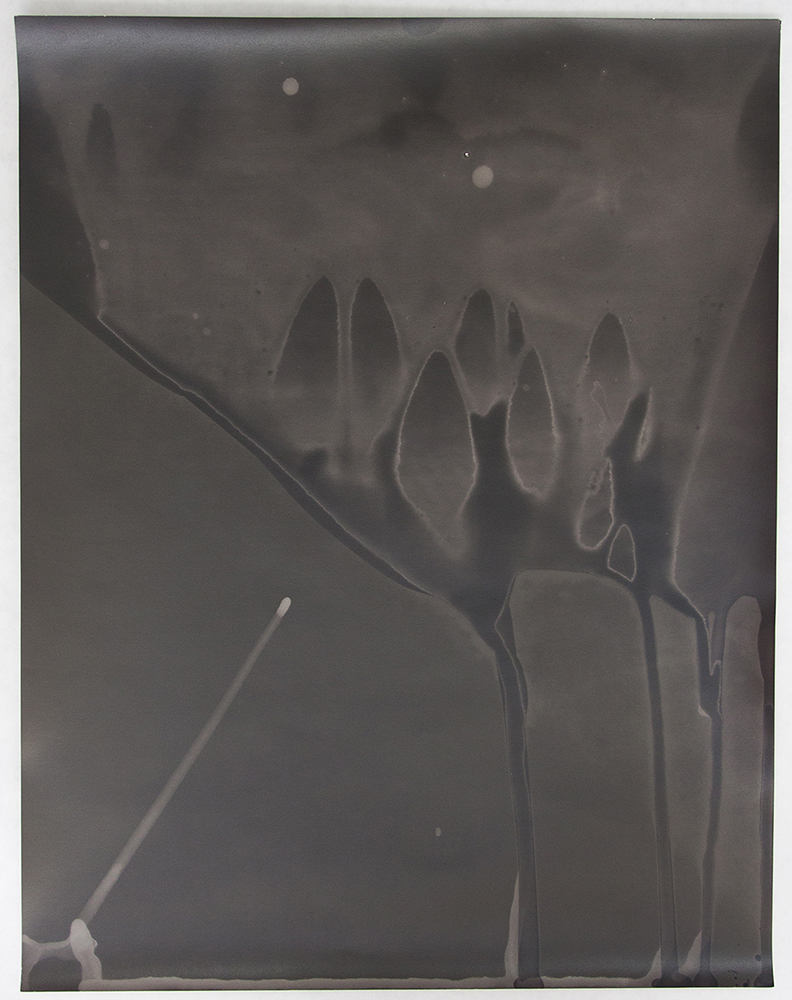
©Moira McDonald
Virginia Heckert, Curator, Department of Photographs, The J. Paul Getty Museum Virginia Heckert has been a curator of photographs at the J. Paul Getty Museum since 2005, where she also served as department head from 2014-2018. In addition to organizing exhibitions on Sigmar Polke, August Sander, Bernd and Hilla Becher, Irving Penn, and Ed Ruscha from the permanent collection, she has collaborated on presentations of the photographs of Lyonel Feininger and the Bauhaus and Ray K. Metzker and the Institute of Design. The exhibitions Light, Paper, Process: Reinventing Photography (2015) and Cut! Paper Play in Contemporary Photography (2018) addressed the materiality of contemporary approaches to the medium of photography. Prior to joining the Getty Museum, she was the inaugural Curator of Photography at the Norton Museum of Art in West Palm Beach, FL (2001-2005). She received her PhD from Columbia University, New York, with a dissertation on the German modernist photographer Albert Renger-Patzsch.
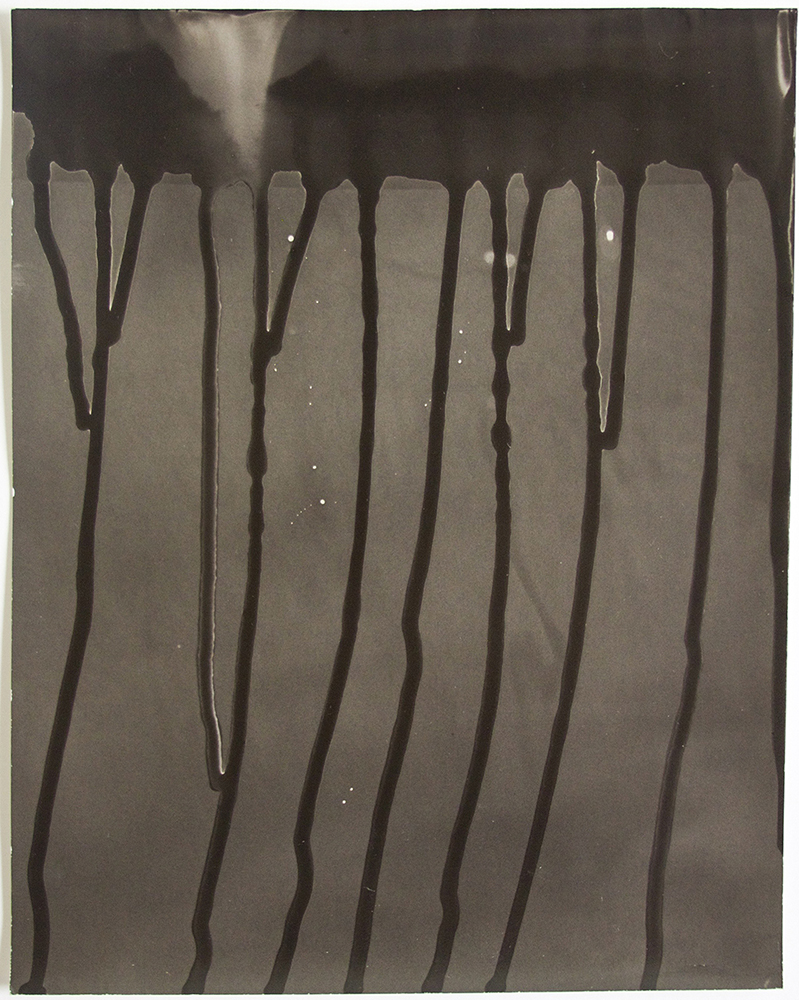
©Moira McDonald
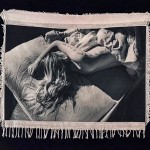
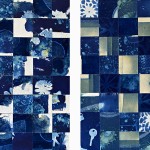
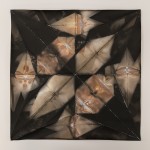
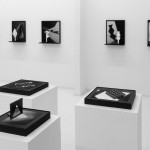
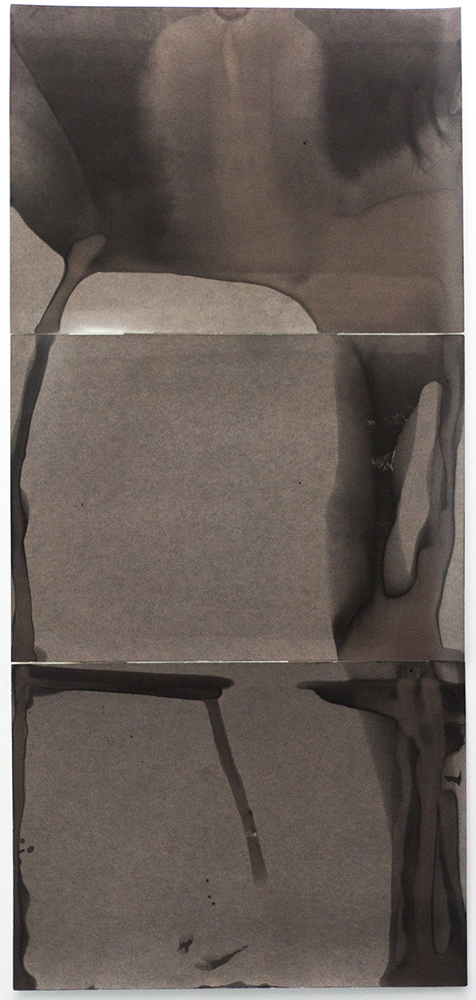
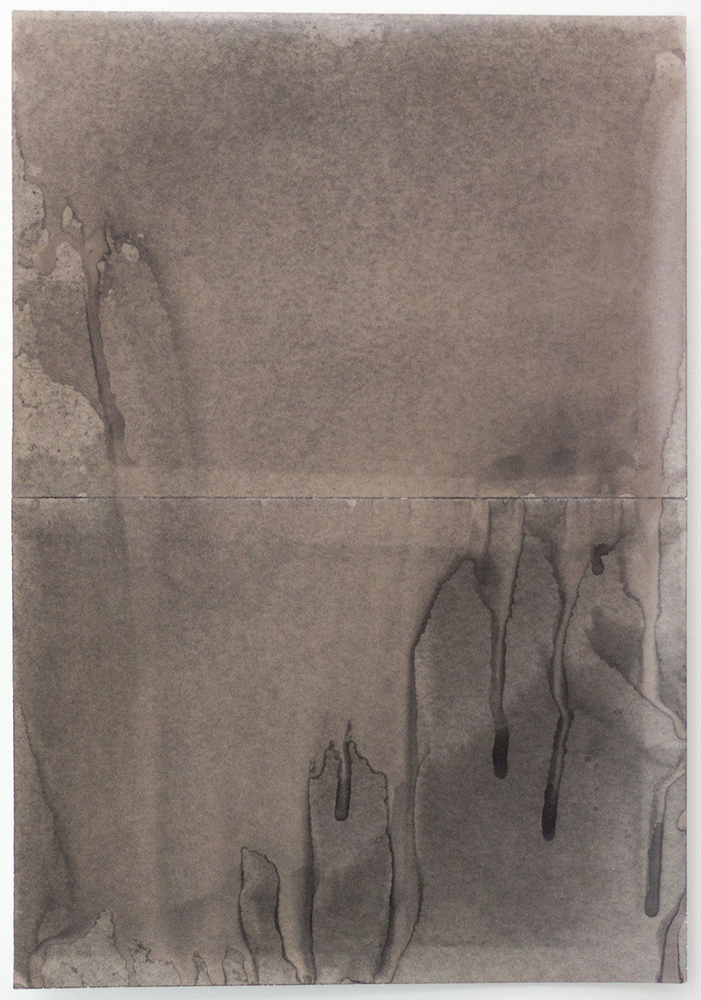
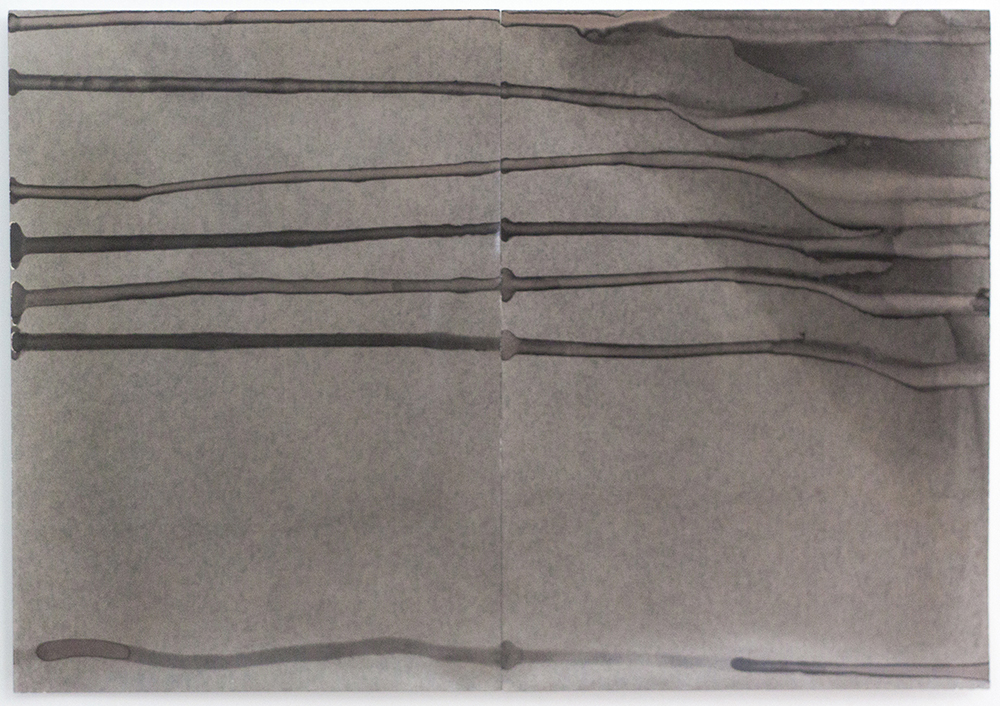
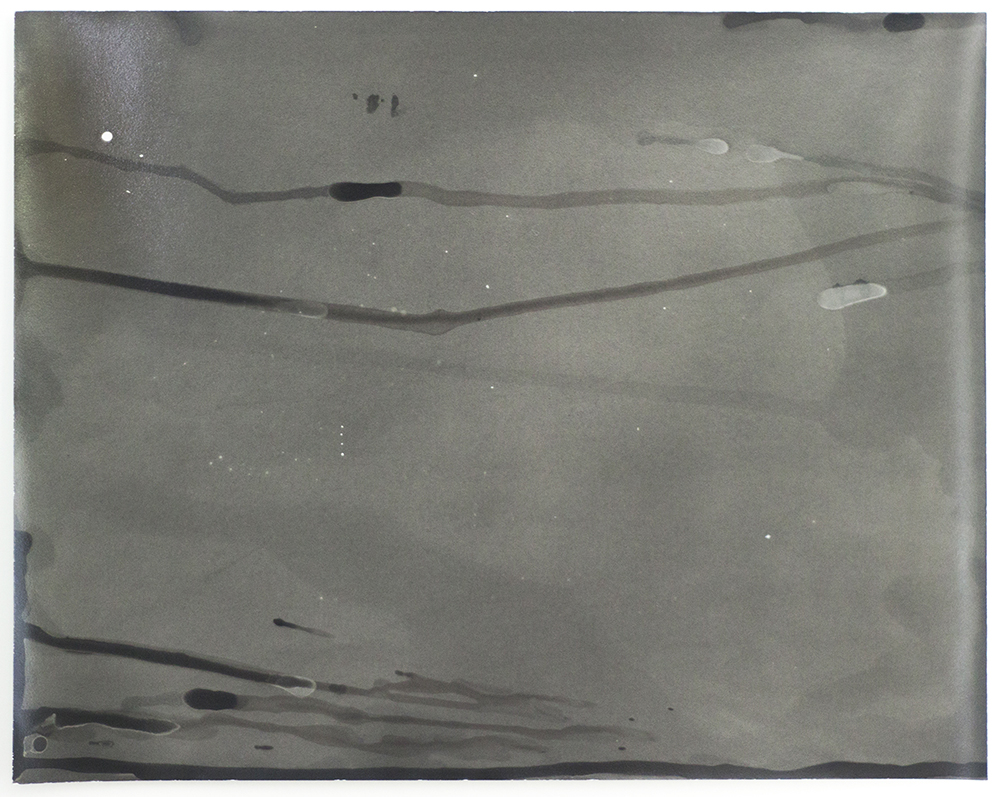
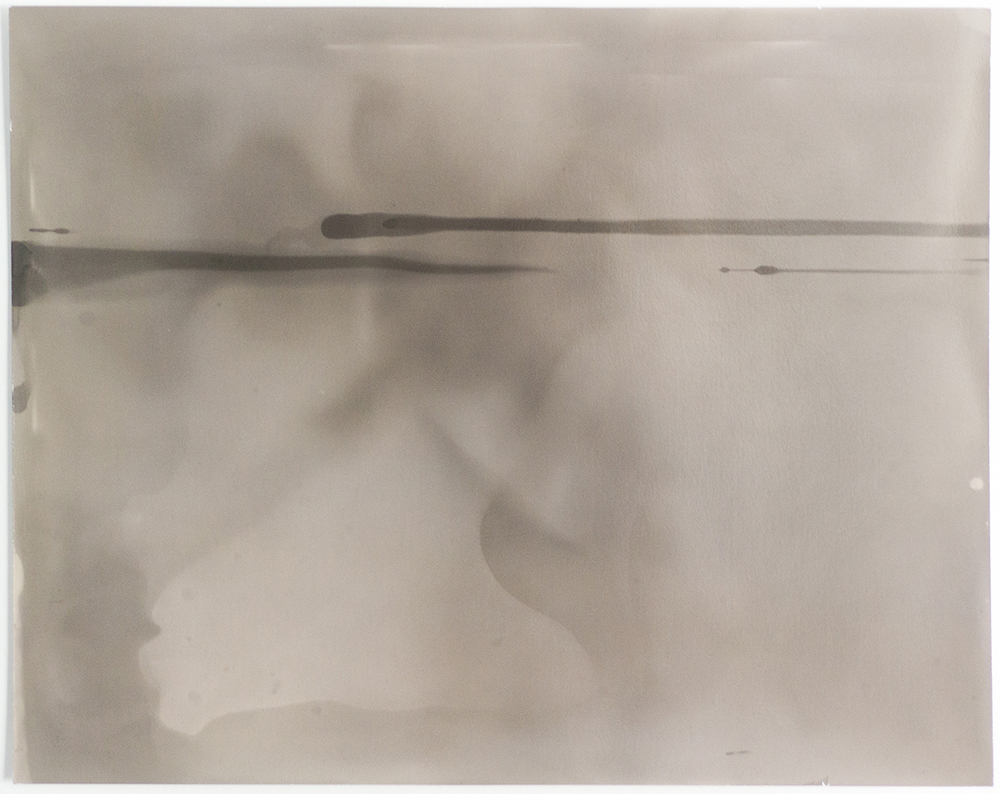
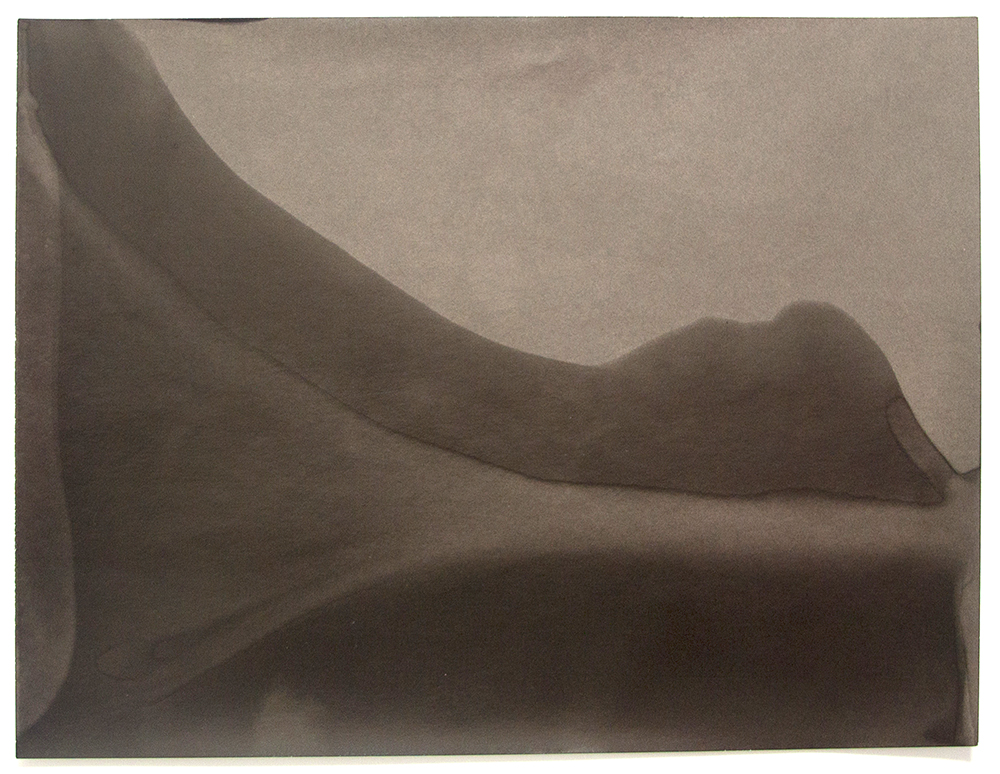
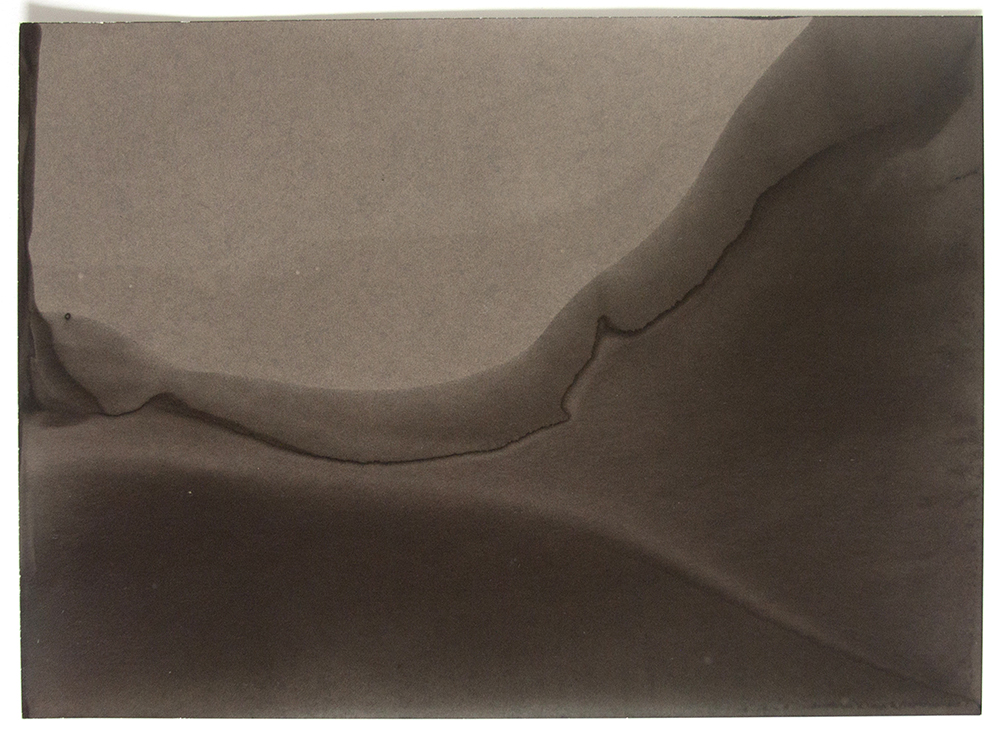
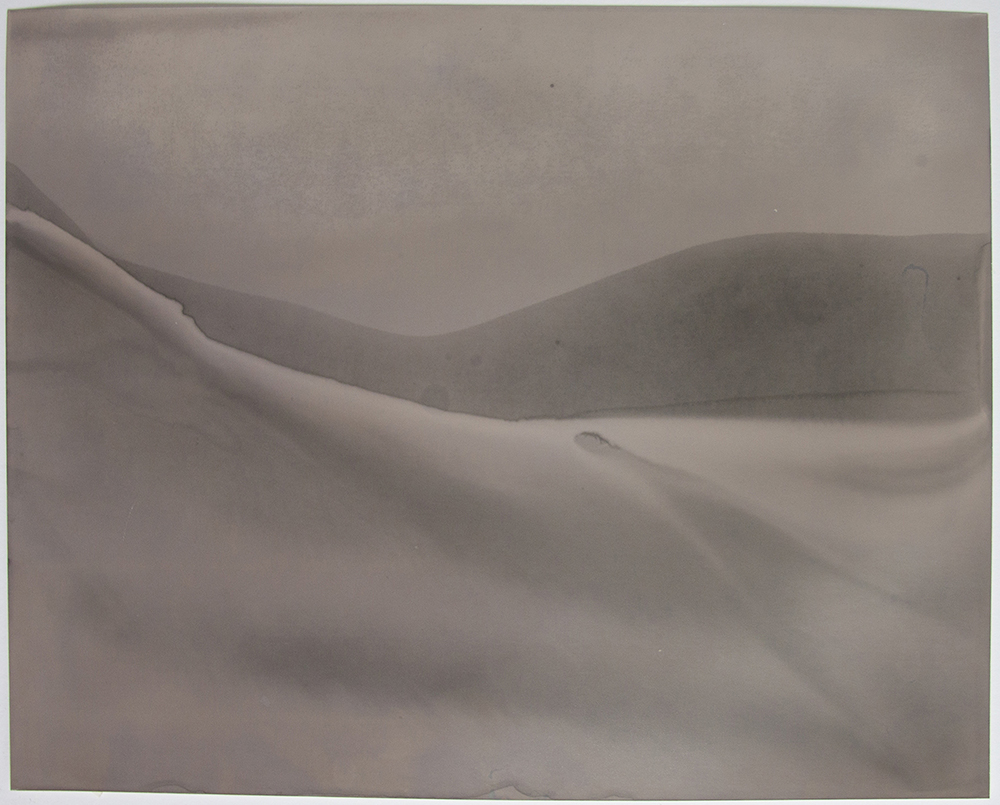
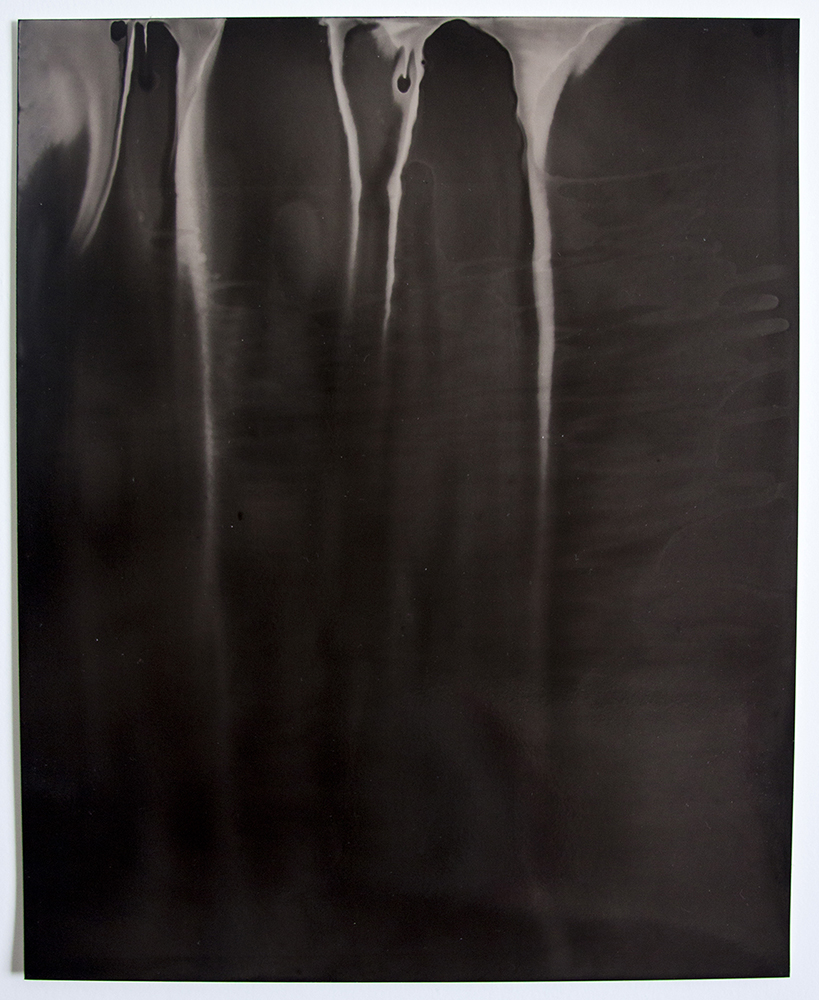
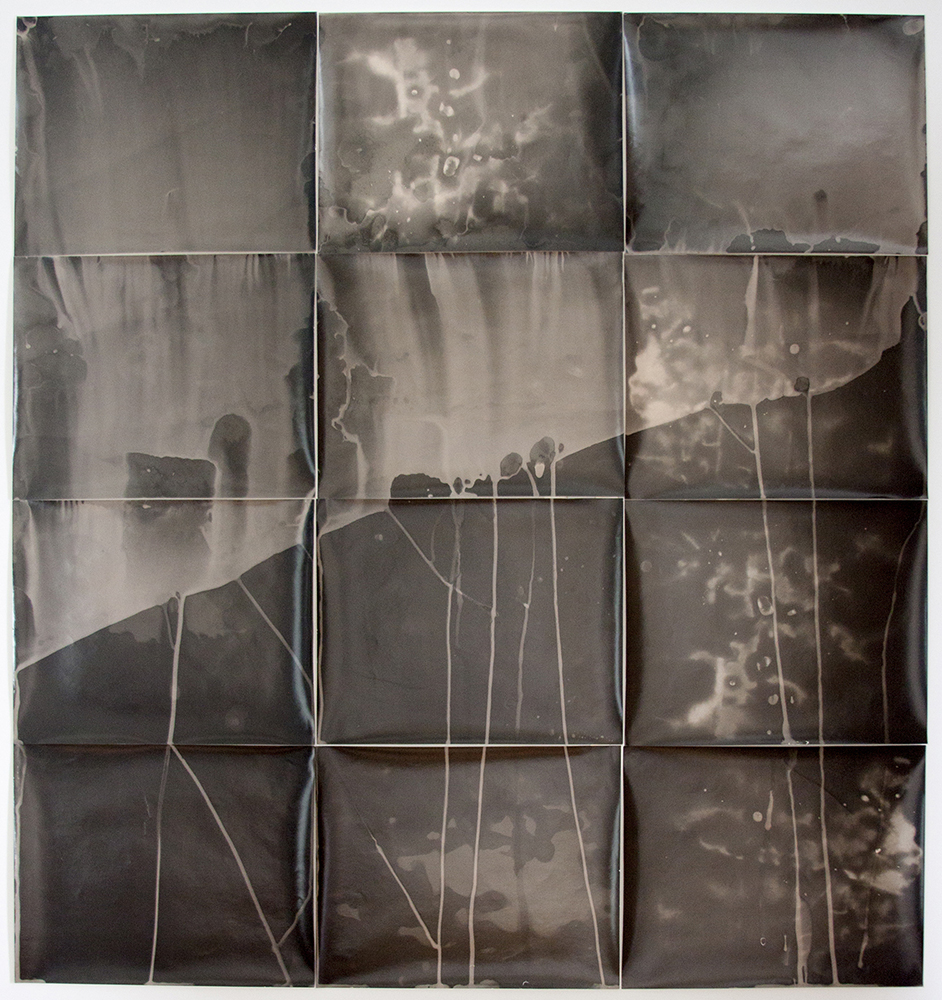
Pacifica
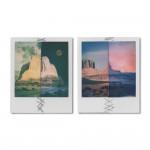
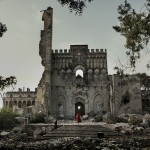
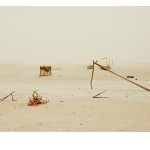
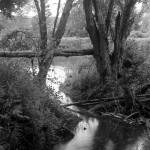
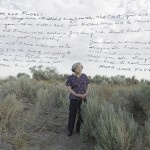
Dense fog blankets the landscape here. Up on my coastal ridge I am cloaked in its cool grey; often for months on end I am kept enveloped in clouds. Very late in the night, the fog sits so thick and hangs so low it becomes a dense mist of individual droplets drifting in the night sky. The mornings are covered in wet and by mid day the nights collection predictably disappears again – absorbed back into the ground, or evaporated again into the atmosphere.
I placed my darkroom trays out overnight to collect small puddles of the clouds to dip my silver papers in. They were then exposed on an overcast day until the fog was either absorbed by the paper or evaporated back into the atmosphere. These photographs are traces of automated nature, of collecting and letting go, of natural breath, of process, and of intervention, participation and engagement within the landscape – these are photographs of the fog in Pacifica.
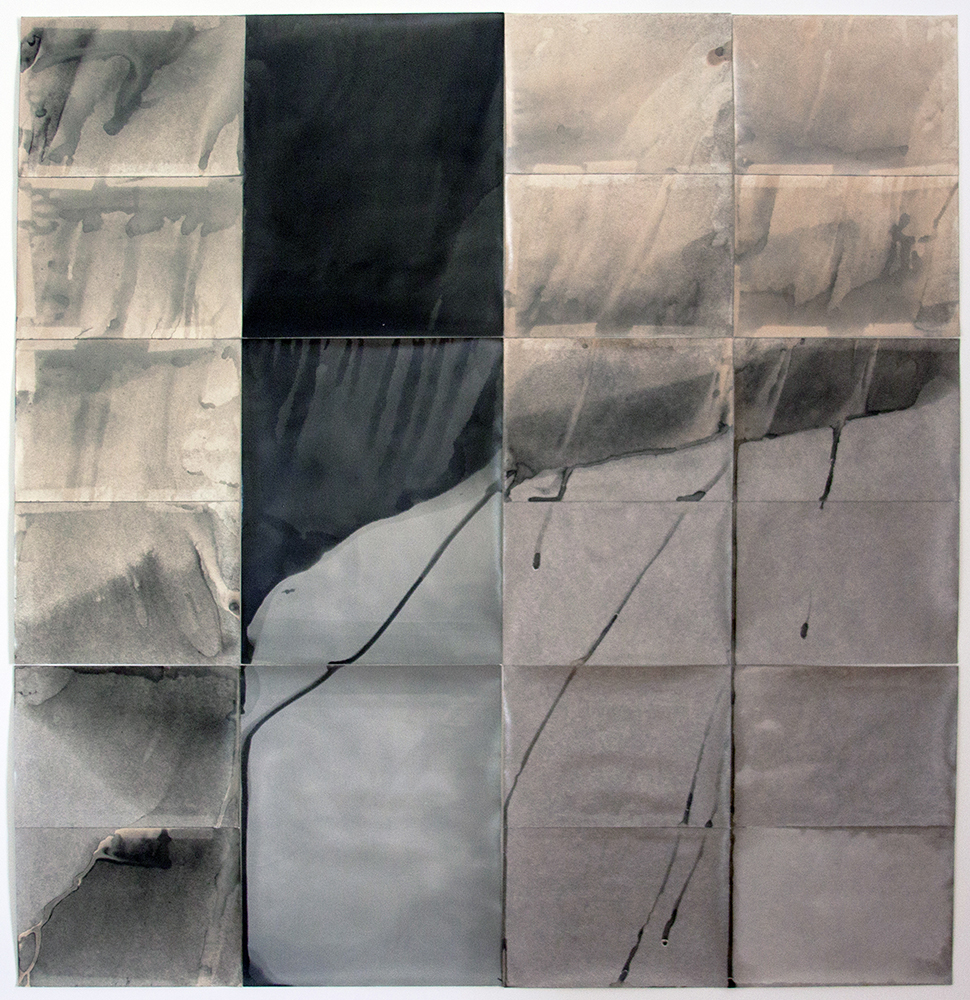
©Moira McDonald
Artist Statement:
The photographs I create all hold true to the essential elements of the photographic medium. Photography is the study and recording of light and time; it is in the simplest iterations and explorations of that truth which propels my artistic practice. Photography itself is what I love and is what drives me; the magic of recording light and it’s authentic and often unpredictable reaction to enchanted silver coated papers. From explorative photographs of extended time to the commonplace tradition of darkroom printing, each has it’s purpose for investigation within my practice while simultaneously translating the same hypothesis: photography is magic and its intrinsic ability to articulate light, time and experience. Whether my attempts translate that truth literally or figuratively through my explorations, my intent lives in the action of summoning the photographic image through various methodologies in an unwavering embrace of the photographic medium.
©Moira McDonald
Moira McDonald is an Australian-American photographic artist working, living and making in the San Francisco Bay Area. Her inquiry is centered in the action of summoning the photographic image is articulated with a diverse dialect and approach while she systematically creates photographs through modified analog processes. Moira’s photographs have been exhibited throughout the United States and abroad.
©Moira McDonald
©Moira McDonald
©Moira McDonald
©Moira McDonald
©Moira McDonald
©Moira McDonald

©Moira McDonald
©Moira McDonald
©Moira McDonald
©Moira McDonald
Posts on Lenscratch may not be reproduced without the permission of the Lenscratch staff and the photographer.
Recommended
-
Craig Easton: An Extremely Un-Get-atable PlaceJuly 6th, 2026
-
The 2026 Paula Riff Award Winner: Angélica ArbulúJuly 3rd, 2026
-
The 2025 Paula Riff Award Winner: Marni MyersJuly 2nd, 2026
-
The 2024 Paula Riff Award Winner: Minwoo LeeJuly 1st, 2026
-
The 2023 Paula Riff Award Winner: Paula McCartneyJune 30th, 2026