The International Women in Photo Association Awards: Rayito Flores Pelcastre: Chirping of Crickets
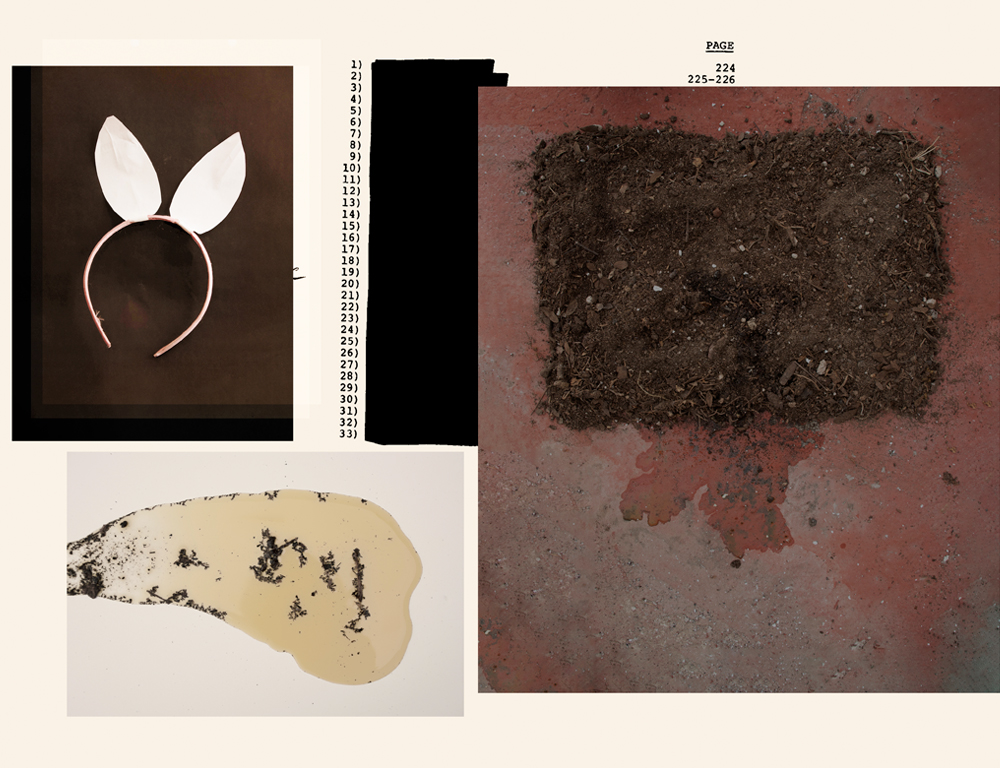
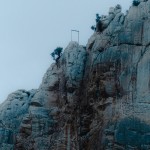
© Rayito Flores Pelcastre, from the series Chirping of Crickets, México, 2023
This week Lenscratch is featuring the work of the 2023 winners of the The International Women in Photo Association (IWPA), a French non profit aiming to create global change and reach gender equality and women empowerment, awards prizes to visual storytellers from around the world.
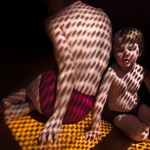
Today is Rayito Flores Pelcastre, a Mexican photographer whose series Chirping of Crickets, was one of four finalists in the Professional Category. Her subtle and dream-like work highlights the hideousness of violence against children within the family home.
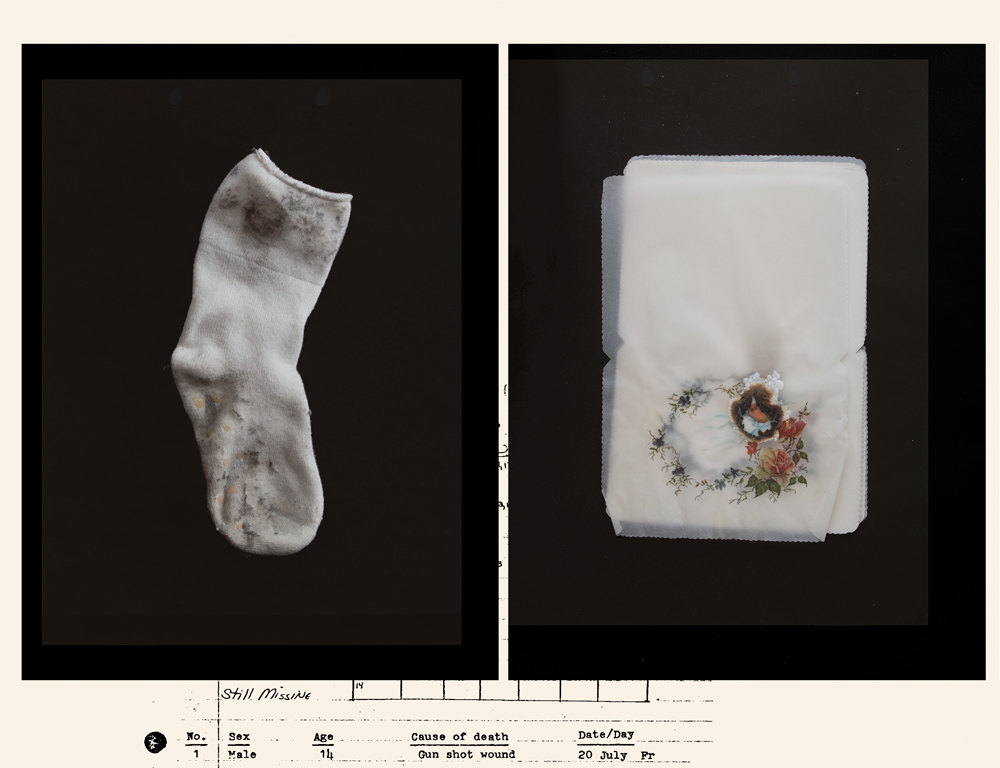
© Rayito Flores Pelcastre, from the series Chirping of Crickets, México, 2023
Chirping of Crickets
When I was 8 years old, Aarón a classmate from elementary school hid his scars under his sweater while he wrote in the class, he had suffered abuse from his father. After that, he eventually stopped going to school. The event stayed with me like an echo a long time. Now as a mother, that moment started in me a profound concern for children who experience the physical and psychological abuse of their (relatives) covered by the impossibility of the child not being able to communicate it, and which in many cases escalates to repeated torture and death of the infant. Filicide -the intentional death of an infant- has been an atrocious practice that has existed since the beginning of humanity and currently, unfortunately, there is not a country in the world where frequent cases do not occur.
Even more so when violence is normalized under the false “family environments”, and they are only visible when it is too late. In the last 5 years, its impact on society has generated citizen initiatives to modify laws for the protection of children, such as the Lucio Law (Argentina). That is why this project tries to be a call and support to make visible this problem that remains hidden and ignored, either due to social shame or because it shows a dark side of the family concept. I’m interested in building a layered narrative based on portraits of victims on bioplastic, which materializes the vulnerability of the image between the documents and objects associated with the cases. This visual archive is built from real cases collected by working in collaboration with LAE in Mexico, a civil organization in charge of child survivors of family violence, group I have been working in recent years to expand my initial project. –Rayito Flores Pelcastre
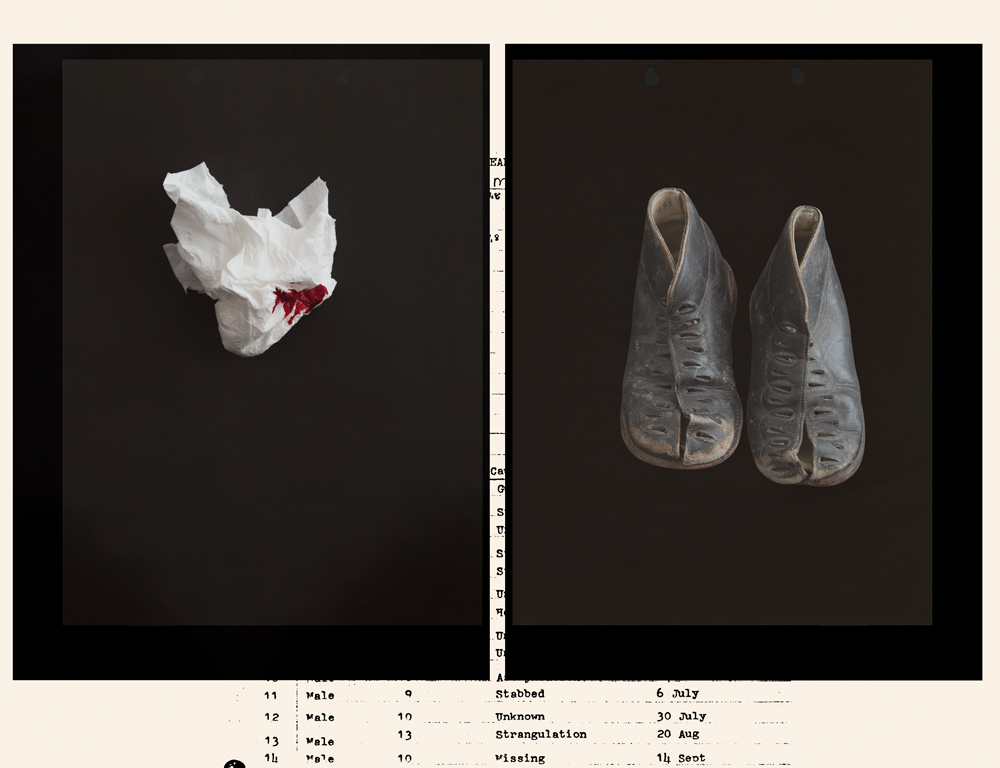
© Rayito Flores Pelcastre, from the series Chirping of Crickets, México, 2023
Rayito Flores Pelcastre (b. 1983) is a photographer and architect. Her work questions human vulnerability, especially in childhood. She is interested in establishing a connection between the image and materiality, exploring the tension of this vulnerability. Through the photographic process, Rayito aims to develop an understanding of the fragility that takes shape in the dynamics of modern life, often remaining unnoticed within us.
She has participated in various exhibitions, including the XIX Photography Biennale of Mexico and the New York Latin American Art Triennial 2022, among others. She was commissioned by the Supreme Court of Justice Institute and the Centro de la Imagen Museum for the exhibition and book Out of Focus: Photography and Human Rights. Her projects have garnered support from various institutions and cultural programs. Currently, she serves as the coordinator of Catako Espacio de Creación in Morelia. Since 2022, Rayito has collaborated with LAE, a civil organization dedicated to girls and boys who are survivors of family violence in Michoacán, México. In 2023, she received the National System of Art Creators (SNCA).
Follow Rayito on Instagram: @rayitoflorespelcastre
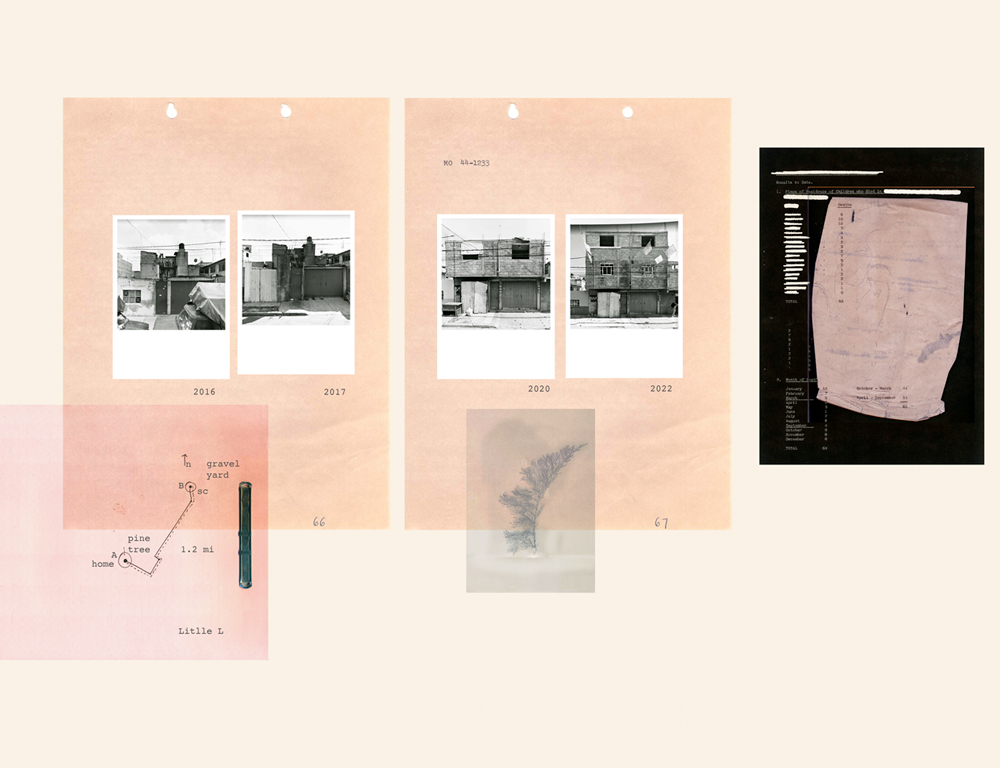
© Rayito Flores Pelcastre, from the series Chirping of Crickets, México, 2023
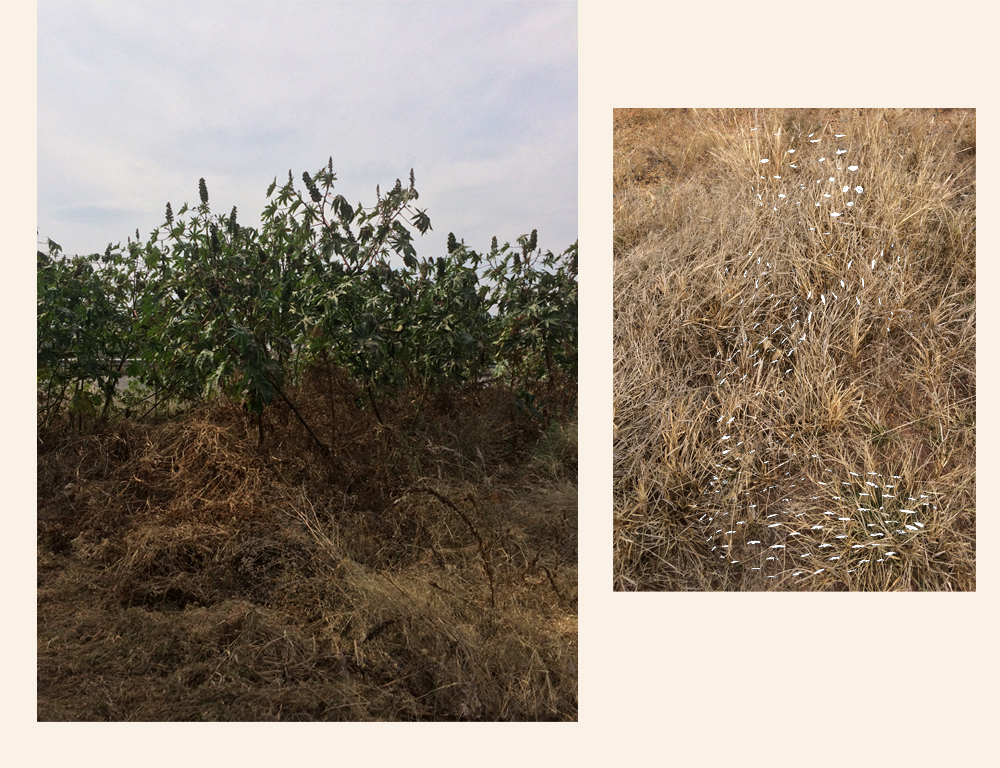
© Rayito Flores Pelcastre, from the series Chirping of Crickets, México, 2023

© Rayito Flores Pelcastre, from the series Chirping of Crickets, México, 2023
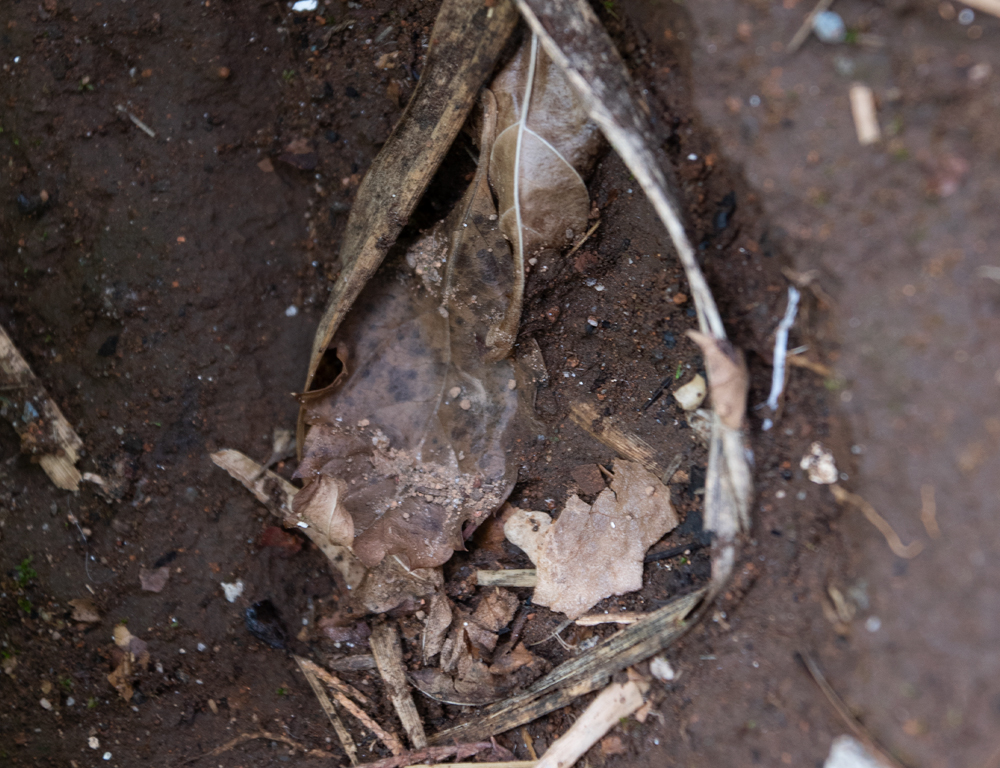
© Rayito Flores Pelcastre, from the series Chirping of Crickets, México, 2023
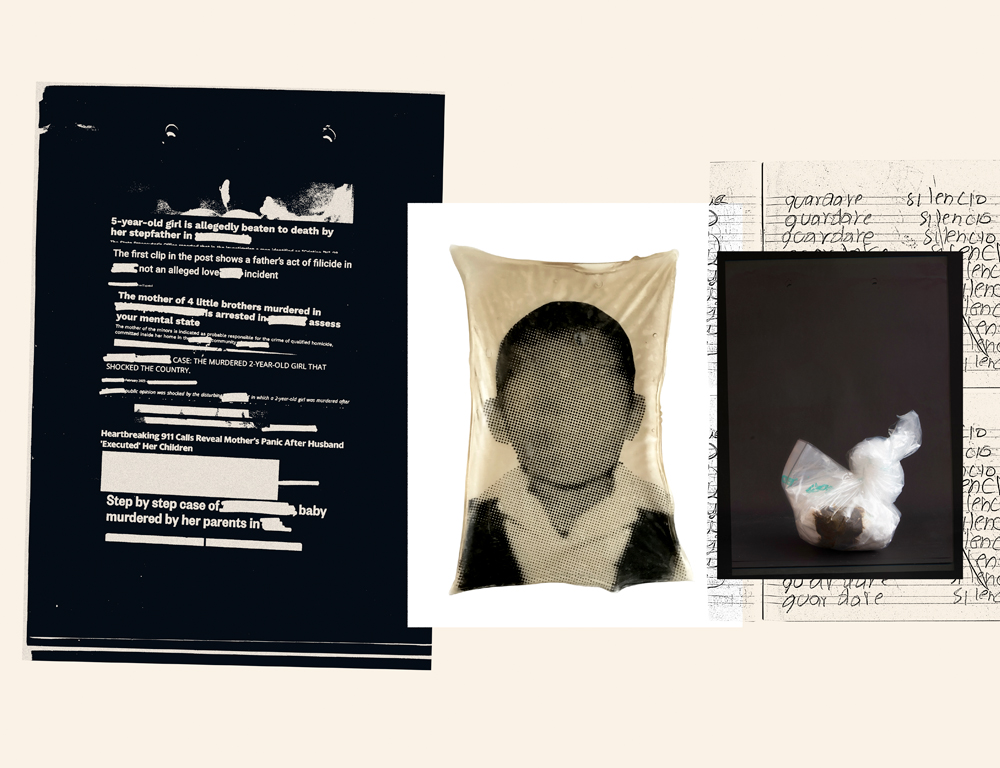
© Rayito Flores Pelcastre, from the series Chirping of Crickets, México, 2023
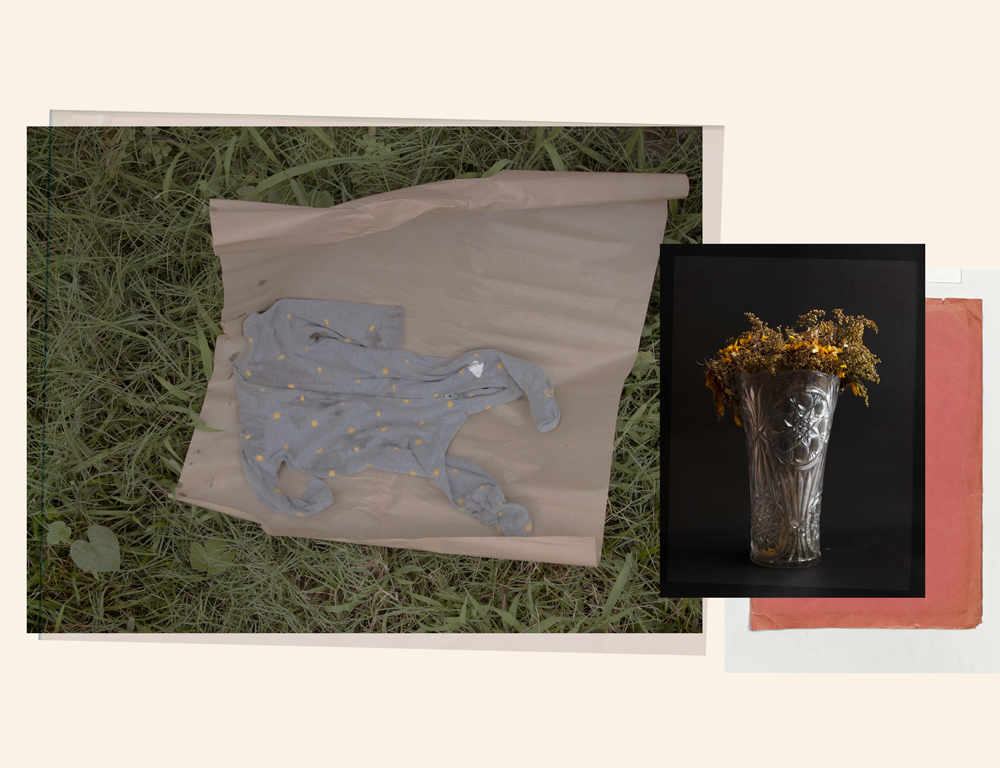
© Rayito Flores Pelcastre, from the series Chirping of Crickets, México, 2023
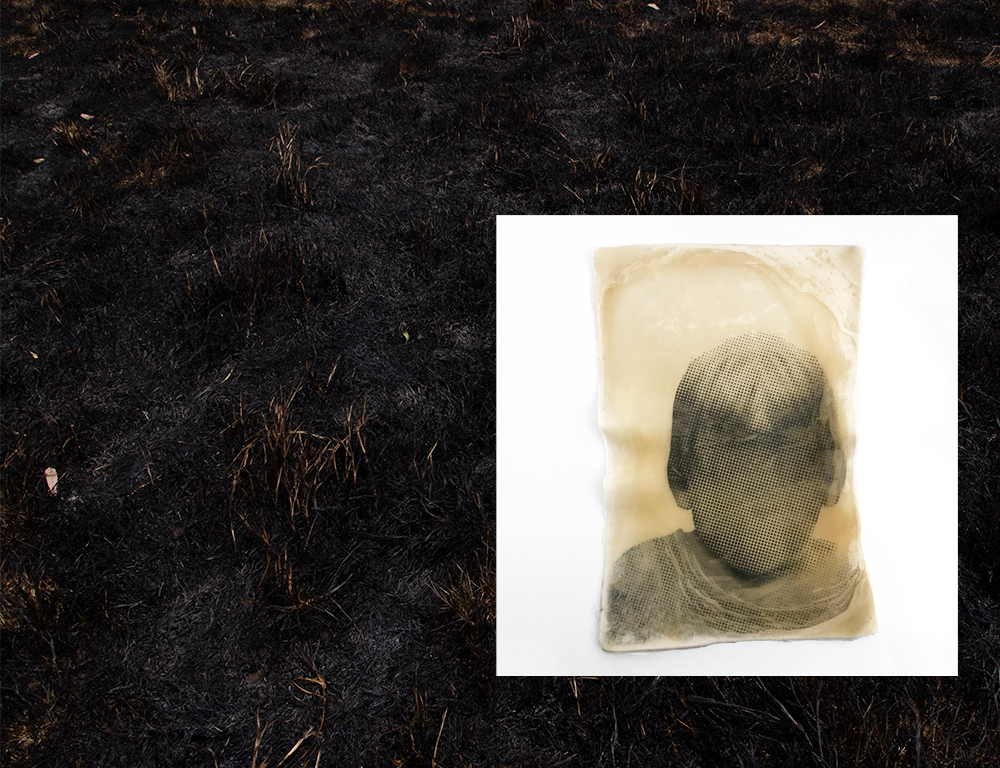
© Rayito Flores Pelcastre, from the series Chirping of Crickets, México, 2023
International Women in Photo, IWPA, is a French non profit association that pursues two major MISSIONS on a global scale:
- work for equality through photography in the world.
- The promotion of women photographers and visual storytellers of all origins and nationalities.
The roots for IWPA’s goals lie in the under representation of women photographers. Unfortunately, women photographers still do not receive sufficient recognition nor assignments and only make up for a small percentage of all the photographs we see every day in the press, social media, museums or art fairs. IWPA fulfills a social role by drawing attention to social issues that are often ignored or simply not covered by the male dominated perspective of our world.
How do they fulfill these missions? IWPA wants to make women’s vision count by
- Increasing the visibility and diversity of women photographers in the field of photography
- Proposing actions around education and training in photography for women and students, enhancing their skills and reinforcing capacity buildin
- Promote photography as an empowerment tool for girls and women
- Using photography as a tool to promote tolerant and non-sexist values
In order to give more visibility to women photographers, IWPA acts as a platform and organizes the annual IWPA Award, a photography competition that is followed by exhibitions in major cities and capitals across the Middle East, Asia and Europe showing the work of the laureate and finalists to a large and international audience.
Instagram: @IWPA_photo
Posts on Lenscratch may not be reproduced without the permission of the Lenscratch staff and the photographer.
Recommended
-
The 2026 Lenscratch Student Prize Honorable Mention: G. Chevalier FustecAugust 9th, 2026
-

The 2026 Lenscratch Honorable Mention Student Prize Winner: Anton ZdanovichAugust 8th, 2026
-

The 2026 Lenscratch Honorable Mention Student Prize Winner: Anastasia SierraAugust 7th, 2026
-

The 2026 Student Prize Honorable Mention Winner: Luke RosingAugust 6th, 2026
-

The 2026 Lenscratch 3rd Place Student Prize Winner: Diana SosnowskaAugust 5th, 2026