The Center Awards: Personal Award: Debmalya Ray Choudhuri
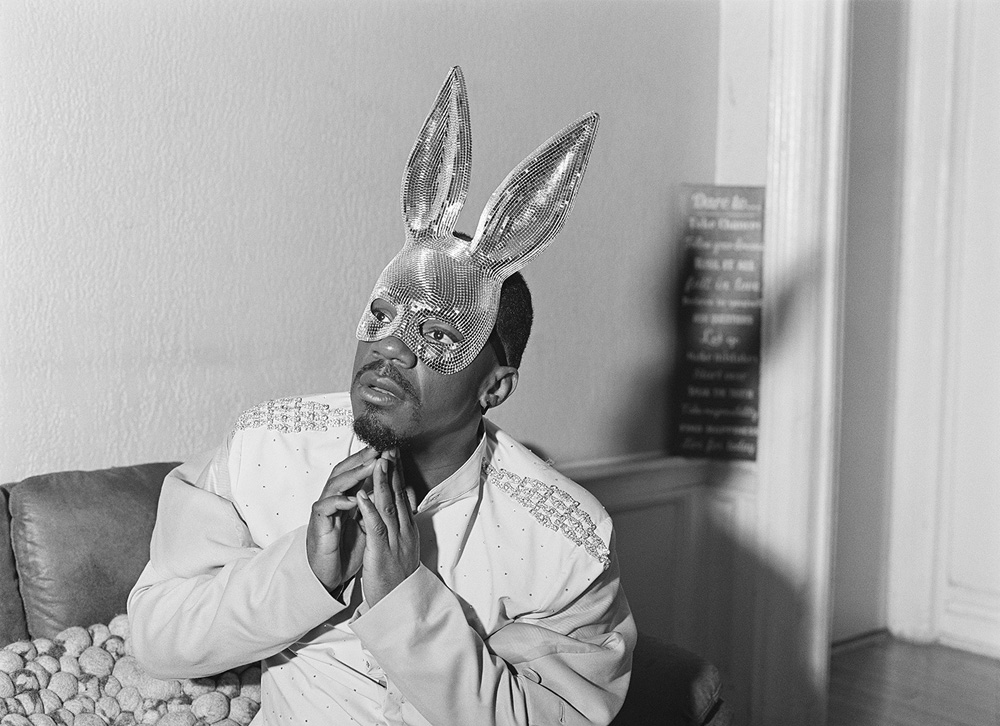
©Debmalya Ray Choudhuri, A Silent Prayer

Congratulations to Debmalya Ray Choudhuri for being selected for CENTER’s Personal Award recognizing his project, A Factless Autobiography. A Factless Autobiography is a personal exploration of loss, identity, and survival, blending fragmented narratives of grief, trauma, and transformation while engaging with the intricacies of being a queer South Asian immigrant in the US and creating a healing space through collaboration and meaningful connections. The CENTER Awards recognize outstanding images, singular or part of a series. The Personal Award recognizes work engaging in the exploration and expression of the power of self-representation and/or underrepresented experiences. The Award includes Review Santa Fe participation, Publication in LENSCRATCH, Professional Development Seminars access, Inclusion in the printed Program Guide, and Inclusion in the CENTER Winners Gallery & Archive.
JUROR: Kristen Gresh, Estrellita and Yousuf Karsh Senior Curator of Photographs at the Museum of Fine Arts, Boston shares her thoughts on this selection:
I was deeply moved by Deb Choudhuri’s A Factless Autobiography. I was impressed with the quality of the work, both as individual images and as a series, and by the artist’s ability to take us into a world of their own. I was also taken by the depth and sincerity of the work. These intimate portraits and self-portrait are a masterful exploration of memory, identity, and grief. They exemplify the crucial role that photography and storytelling play in time of loss. Choudhuri’s masterful and poignant exploration of the self through words and portraiture is imbued with existential philosophy. This series blurs the line between diaristic truth and fantasy, inviting us into a profoundly resonant narrative. Choudhuri’s visual journey on love and death, on love with death, resonates with George Bataille’s Les Larmes d’Eros. This “autobiography” tells, in fact, many people’s stories – stories that are not as often seen or heard. Each portrait feels like a shared confession. Choudhuri’s talent is to bring us into these fragments of existence and to make us think deeply about what it means to survive trauma – and what it means to be alive. This series is a testament to the creative and cathartic power of photography.
Two other series made a strong impression on me: Rachel Nixon, The Garden of Maggie Victoria, and Stephan Jahanshahi, Nation of Desire. I was drawn to Rachel Nixon’s poetic and melancholy Garden of Maggie Victoria. The way Nixon used the family archive to tell her great-grandmother’s forgotten story in a contemporary way was very thoughtful and compelling. And I was moved by her intention with this series: “To render Maggie Victoria visible, and a call to women to take up space.”
I thought that Stephan Jahanshahi, Nation of Desire was impressive in many a way – technically, artistically, as well as spiritually. I loved the cinematic nature of this series. It is a visually striking tale of exile, filiation and belonging, narrated in a remarkable way. I found the symbols-filled still-lives to be particularly striking and beautiful; and admired the strong presence of Jahanshahi’s sitters. All in all, these three series felt particularly important and singular. They moved me and engaged me in a deep and powerful way.
JUROR BIO: Pauline Vermare is the Phillip and Edith Leonian Curator of Photography at the Brooklyn Museum. She was formerly the cultural director of Magnum Photos in New York and a curator at the International Center of Photography (ICP). She previously worked at The Museum of Modern Art (MoMA) and at the Henri Cartier-Bresson Foundation in Paris. She has developed projects in the United States, Europe, and Japan, including All About Saul Leiter at the Bunkamura Museum, Tokyo (2017), Akihiko Okamura: The Memories of Others at Photo Museum Ireland, Dublin (2024), and I’m So Happy You Are Here, a collaborative publication and exhibition focusing on Japanese women photographers developed with Aperture and the Rencontres d’Arles (2024).
She sits on the boards of the Saul Leiter Foundation and the Catherine Leroy Fund.
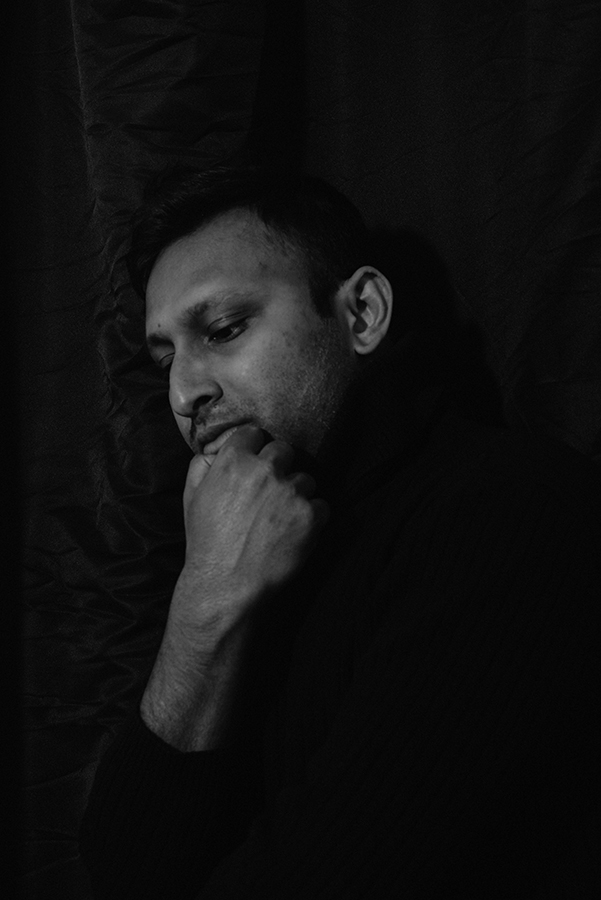
Portrait of Debmalya Ray Choudhuri
A Factless Autobiography
A Factless Autobiography is inspired by a chapter of the same name in the Book of Disquiet by the Portuguese poet Fernando Pessoa. It is an intimate and personal exploration of loss, desire, and the fragile nature of our existence. I started this project in response to the death of a lover and my confrontation with tuberculosis as a young adult. It grapples with the complex and often conflicting emotions of grief, melancholia, and survival while also questioning the nature of gender, identity, and the human condition. This work is a fragmented narrative of lived experience, longing, and healing.
A Factless Autobiography marks the first chapter of an ongoing trilogy that I have been working on for seven years, spanning my time in the U.S., This series primarily focuses on the journeys of three protagonists: a trans woman from Côte d’Ivoire, an immigrant in America and recovering addict whom I met in my early years in the U.S.; a Black gay American man, a survivor of abuse, and myself. Our personal and collective histories and struggles offer a window into the often-overlooked complexities of identity in a fractured society. Through this work, I try to explore the challenges of being a queer South Asian immigrant in the socially and politically fragmented landscape of America, where queer and trans lives are increasingly at risk while also attempting to raise awareness of the power of solidarity and community.
Central to my process is cultivating meaningful connections with those I meet. Through sustained conversations and the development of friendships with strangers—many of whom are survivors of trauma—I aim to create a healing space in which they can express their pain and their hopes for transformation. By invoking a sense of anonymity and ambiguity, I honor the subject’s presence as both a collaborator and a performer in the work, allowing for a layered narrative. Through these intimate and intense encounters, I seek to expand the often-neglected conversations surrounding taboo issues, such as mental health, suicide, trauma related to trans and queer experiences, and human feelings of desire and longing.
Through a collaborative choreography, in which dreams sometimes color reality, I ultimately raise the question of self-affirmation.
MEDIUM: Photography:Digital and Film; Print sizes vary from 8X11 inches to larger 3 FT x 2FT canvas print based on curatorial and exhibition team.
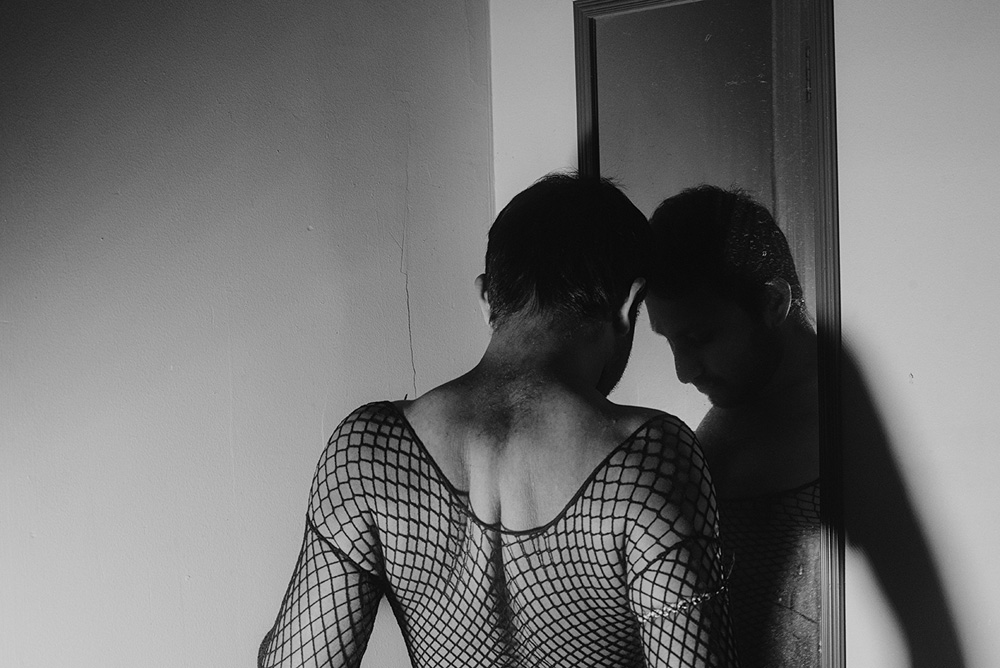
©Debmalya Ray Choudhuri, What it means to be here
Debmalya Ray Choudhuri (b. 1991, Kolkata) (he/they) is a self-taught photographer from India based in New York.
Rooted in diaristic practice, their work spans photography, performance, and text. Debmalya explores personal trauma and mental health while addressing broader societal questions around the queerness of identity, body, and space.
After the tragic loss of a lover to suicide, their art became a way to process grief and confront the stigma around suicide, addiction, and mental illness. What began as an escape from chaos evolved into a search for intimacy—connecting deeply, both physically and emotionally, with people and spaces to capture moments that feel raw, tender, and honest. This became a foundation for questioning the human condition.
Their work explores how people express desire and love, using encounters with friends and strangers to reflect on what it means to be queer in today’s complex sociopolitical world. Centered on care, community, and collaboration, their storytelling challenges assumptions about identity, representation, and image-making, especially within the blind spots of post-colonial capitalism. The boundaries between subject and photographer remain fluid, opening space for dual perspectives and deeper connections between self and other.
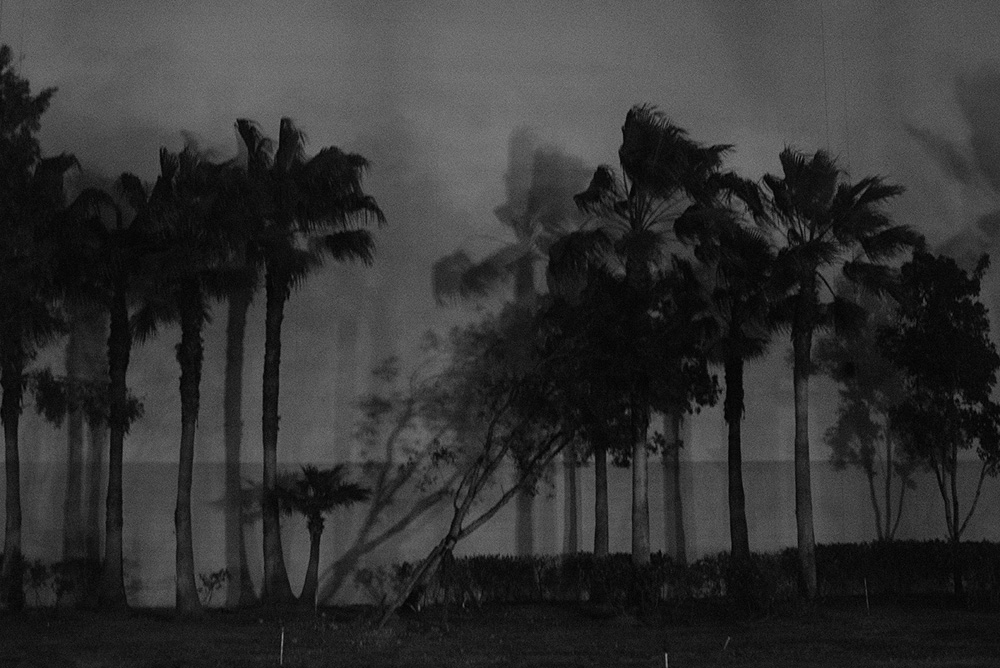
©Debmalya Ray Choudhuri, Sleepless Nights
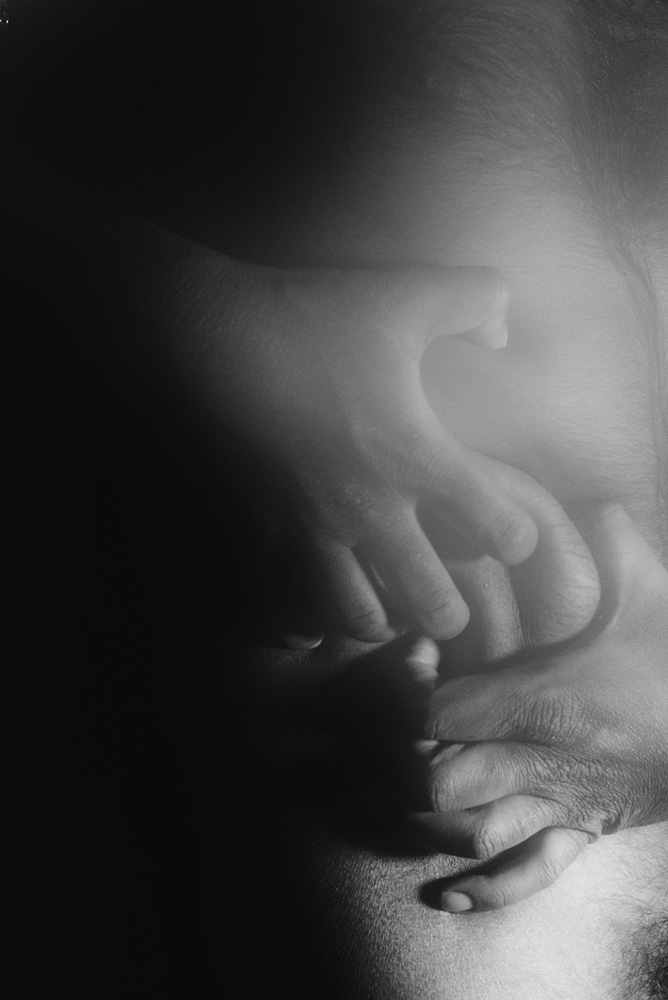
©Debmalya Ray Choudhuri, Lockdown
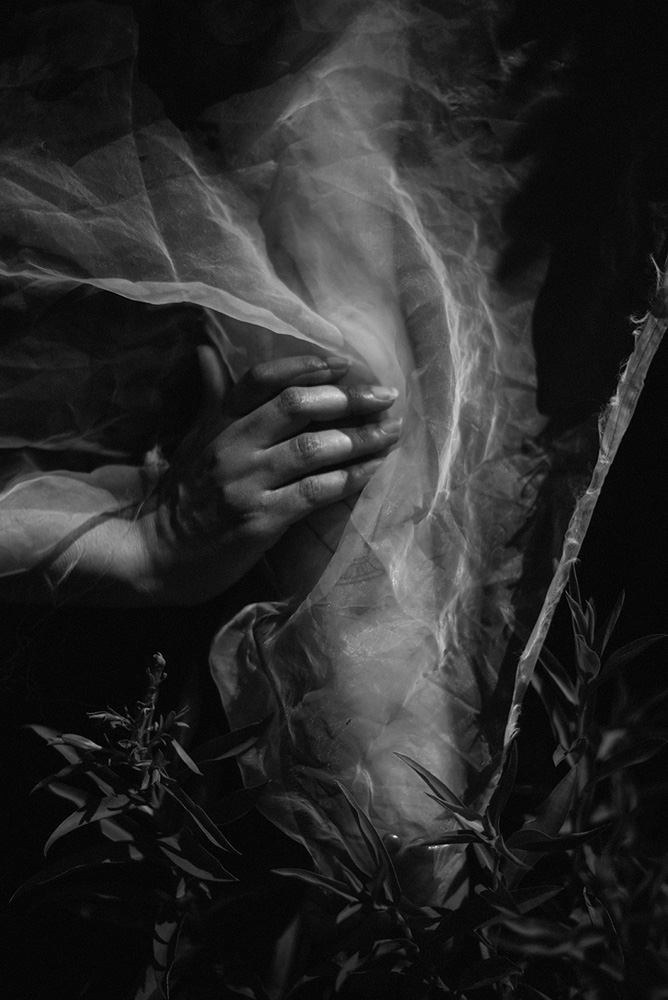
©Debmalya Ray Choudhuri, Touch Me Not
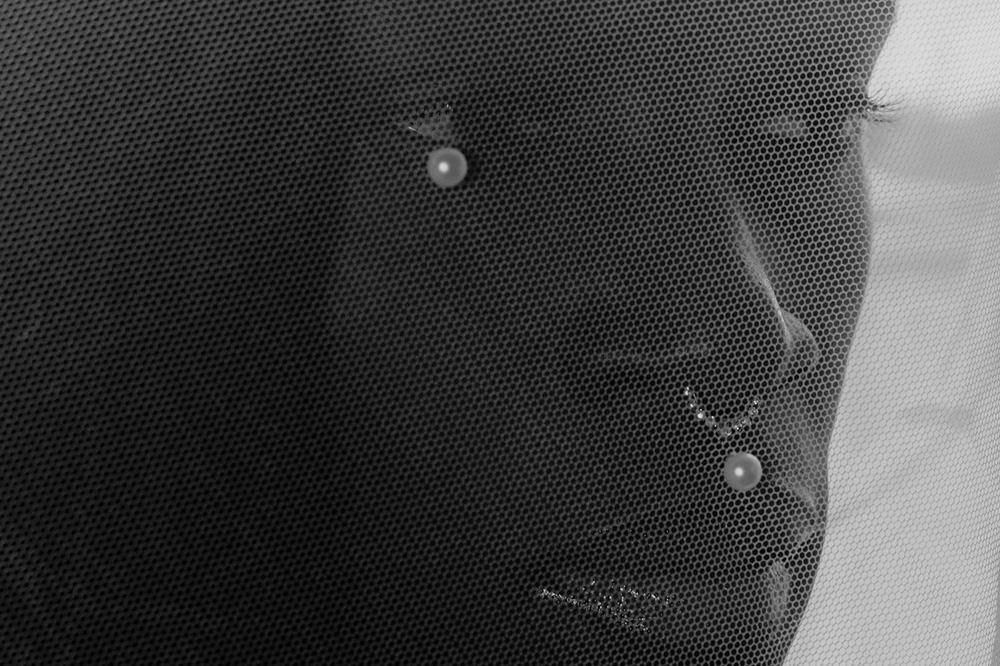
©Debmalya Ray Choudhuri, Alexis
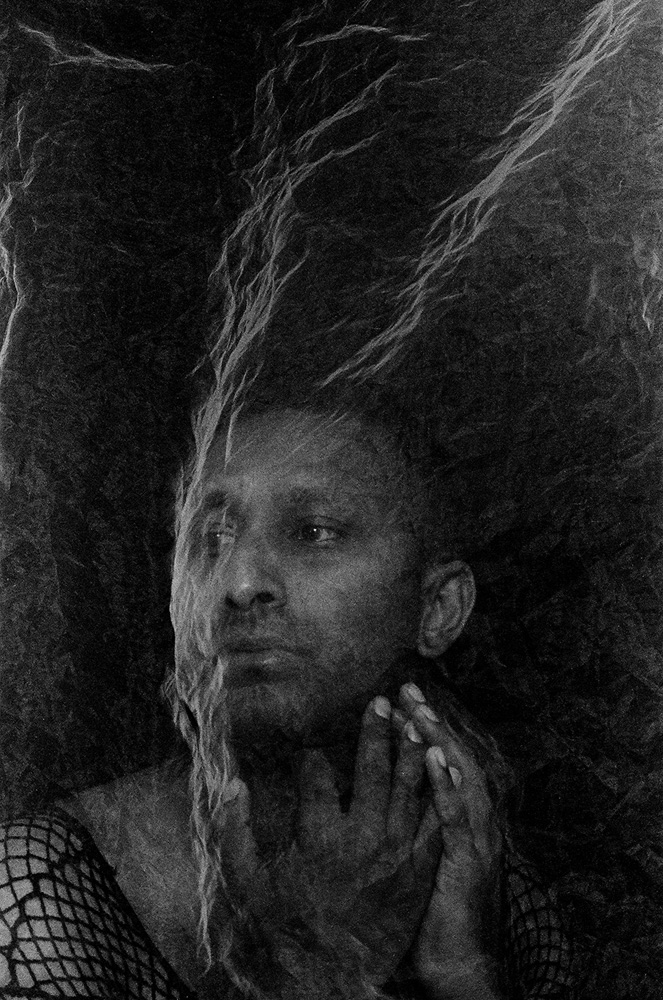
©Debmalya Ray Choudhuri, As Sadness Prevails
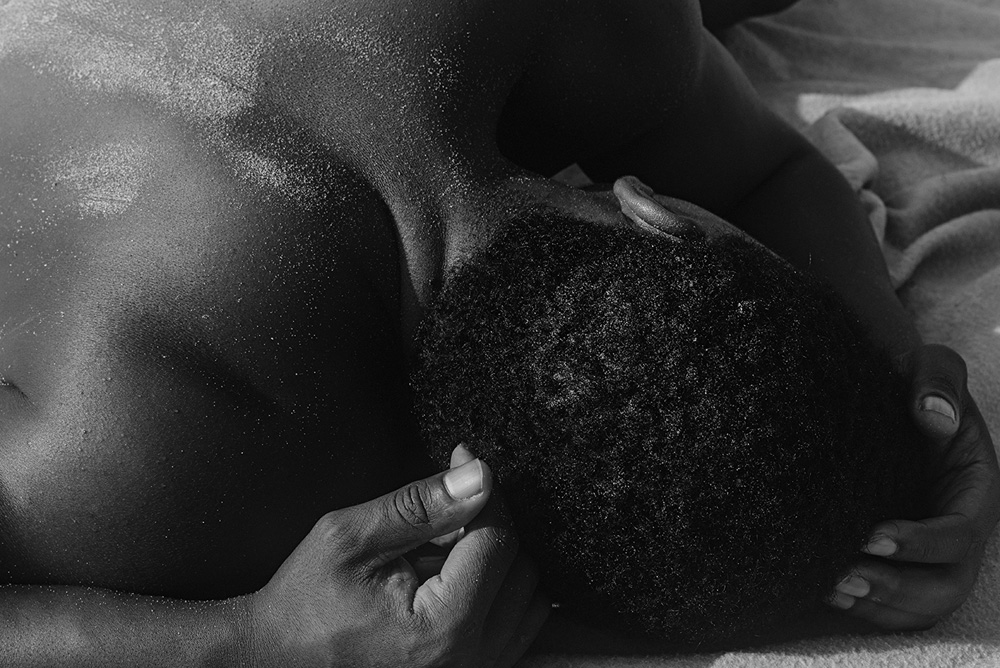
©Debmalya Ray Choudhuri, Grains of Sands
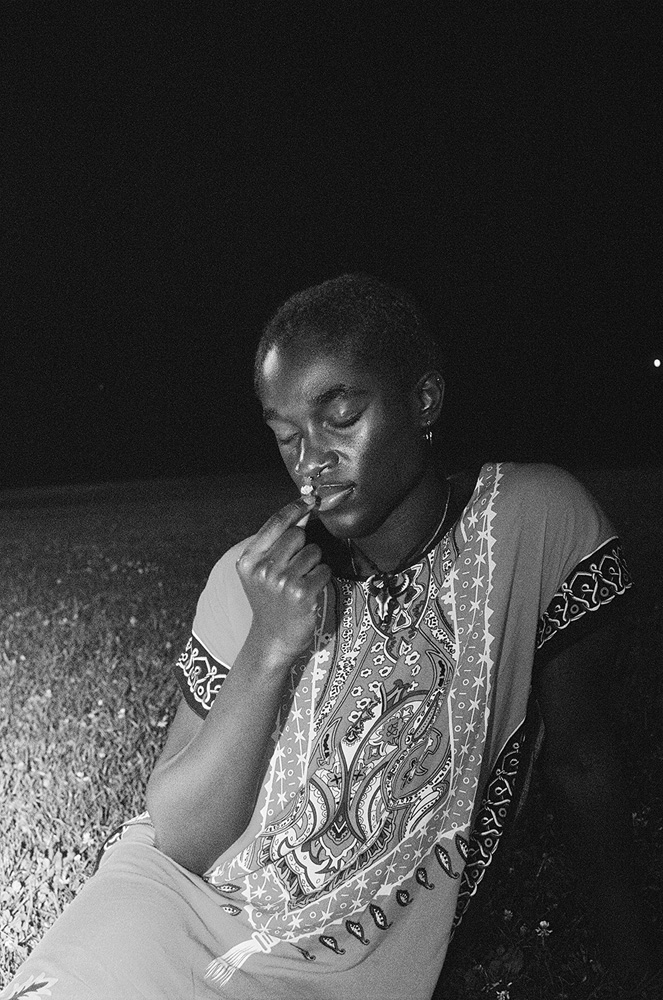
©Debmalya Ray Choudhuri, Nights at the Park
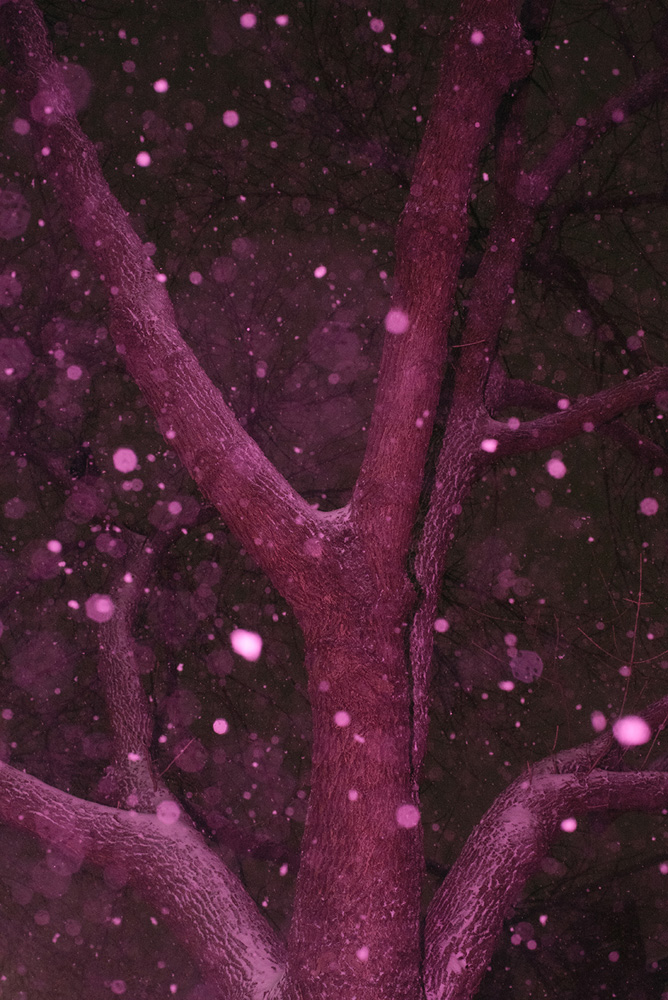
©Debmalya Ray Choudhuri, In the end, it was all a dream
Posts on Lenscratch may not be reproduced without the permission of the Lenscratch staff and the photographer.
Recommended
-
The Museum of Fine Arts Announces Establishment of $50,000 Edelman Impact Award in PhotographyMay 31st, 2026
-
Donna Gordon: 2025 Denis Roussel Award WinnerMay 16th, 2026
-
Zanele Muholi: 2026 Hasselblad Award LaureateMarch 13th, 2026
-
Shane Hallinan: The 2025 Salon Jane Award WinnerFebruary 12th, 2026
-

Greg Constantine: 7 Doors: An American GulagJanuary 17th, 2026