Beyond the Photograph: Editorial Q&A with Photographer Tamara Reynolds
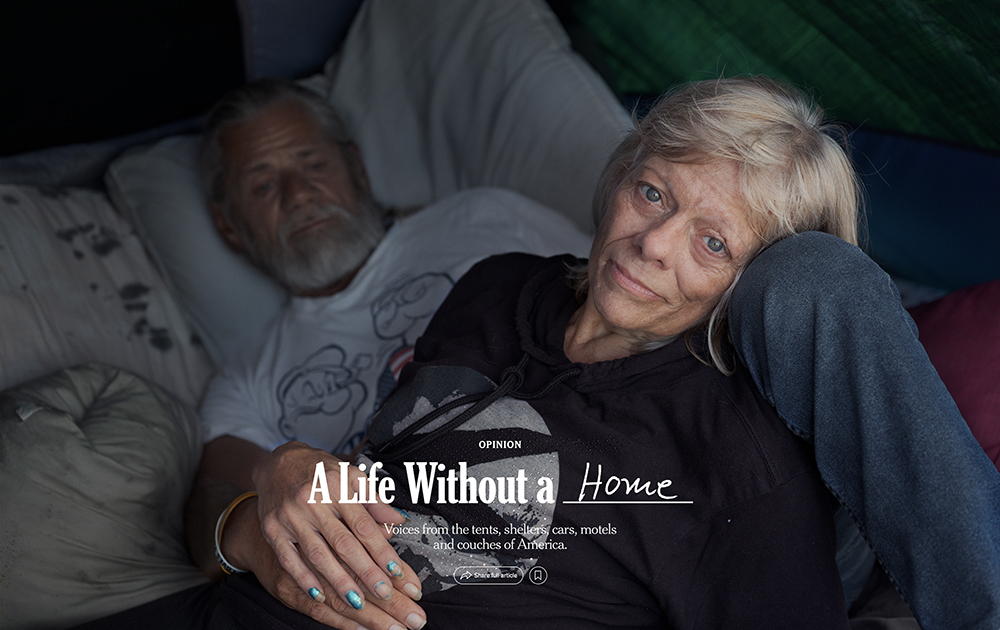
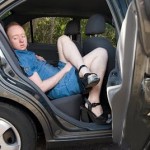
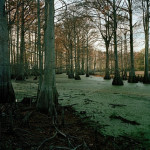
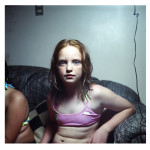
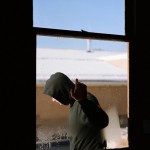
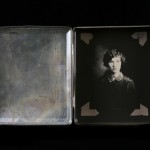
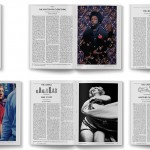
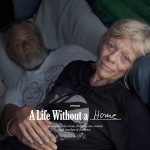
© Tamara Reynolds and The New York Times for the article “A Life Without a Home: Voices from the tents, shelters, cars, motels and couches of America,” 2024
Beyond the Photograph is a Lenscratch Magazine monthly series dedicated to helping photographers grow their artistic practices beyond the camera. Capturing images is just one small part of a photographer’s journey. In this series, we’ll explore the tools, strategies, and best practices that support the broader aspects of a contemporary art career.
I had the pleasure of meeting Tamara Reynolds at a photo review over a decade ago. We have kept in touch all of these years. She has had an amazing career and it’s been great to have a front row seat to see her return to school in order to shift her focus from the commercial to the documentary side of photography. We had the opportunity to sit down the other week and discuss how she approaches her documentary work through editorial projects.
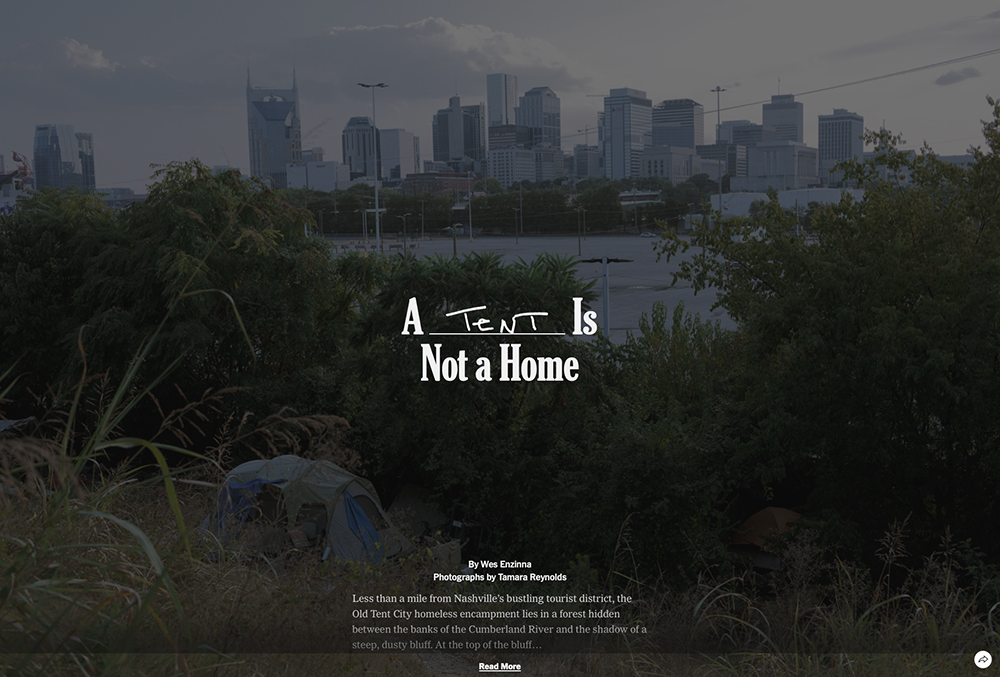
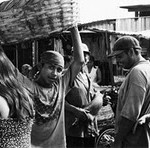
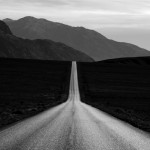
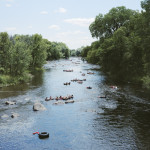
© Tamara Reynolds and The New York Times for the article “A Life Without a Home: Voices from the tents, shelters, cars, motels and couches of America,” 2024
What is the most important thing to keep in mind when taking on an editorial assignment?
The most important thing for me to keep in mind is, will I be able to meet the needs of the editor and make a body of work that is compelling for the story while also being true to myself. I want results to be clearly my work and the best I’ve done. Every time I go out, I am hoping to capture the best image yet.

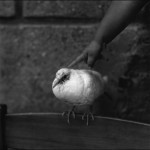
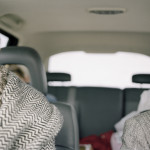
© Tamara Reynolds and The New York Times for the article “A Life Without a Home: Voices from the tents, shelters, cars, motels and couches of America,” 2024
How do you best estimate your time and other expenses for billing purposes while on assignment?
Editorial assignments fees are set. I’ve worked with photo editors who discuss the project needs and how best to meet it within an expense budget. If the project is something I believe in being a part of, I will do what is necessary to work within the budget. Most photo editors understand the challenges photographers have and will do all they can to make it equitable.

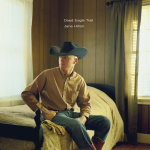
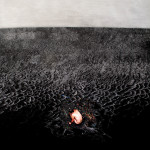
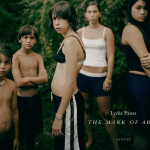
© Tamara Reynolds and Bloomberg Businessweek for the article “Easy Money in Appalachia: Small-time investors are taking out risky mortgages to buy vacation homes and rent them out on Airbnb. As the real estate market turns, will it all end badly?” 2022
How do you get the editorial assignments? Is it through self-promotion, contacts, and/or word-of-mouth endorsements?
Throughout my career the answer to this question has changed, but I think generally I could say it is mostly word-of-mouth. Photo editors may see the work of an artist/photographer on Instagram (IG), and work created for other editorial pieces—that in a sense is word-of-mouth. In the past, self-promo pieces were sent out regularly or purchasing advertising agency art director photographer source book ads such as Workbook and AtEdge. Today, I promote through IG. There are photo reviews offered through reputable organizations that help introduce photographers’ work to photo editors and art buyers. Researching the organizations, agencies, and media outlets and then reaching out to them via email is another avenue I have taken. Most important to remember is that self-promotion, in some way, should be consistent. There is a sweet spot to not inundate editors with too many things, yet keep your work in the minds’ of the editors.
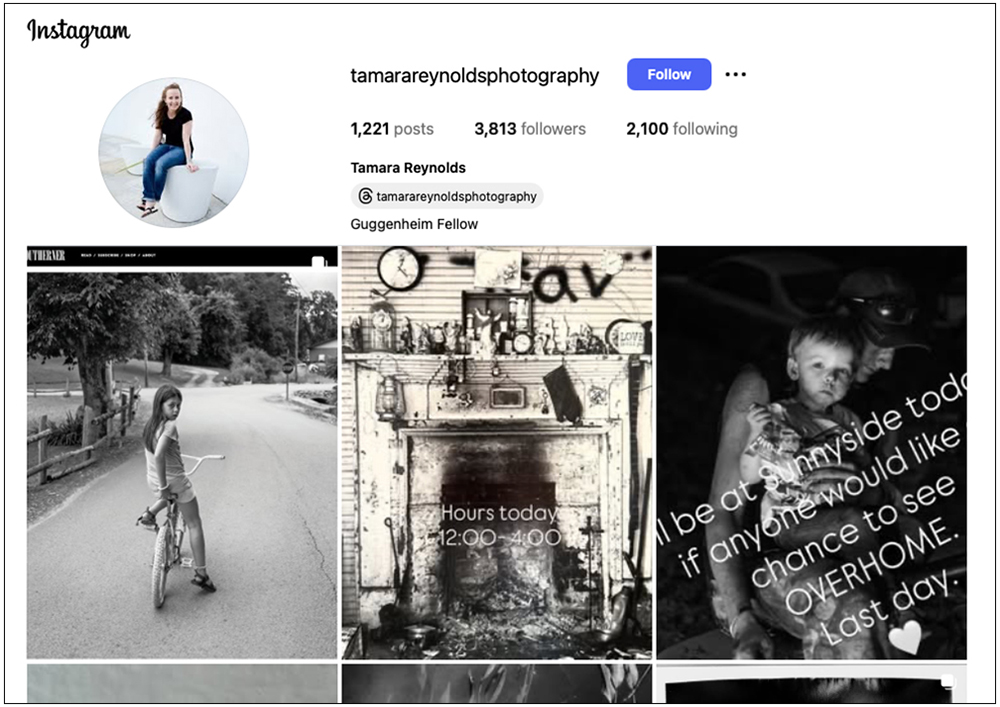
© Tamara Reynolds, Instagram Feed
How would you recommend for someone just starting out to gain access to photo editors, especially if they have not had the opportunity to have others recommend them via “word-of-mouth”?
I think photo reviews are the best way to access industry professionals including photo editors from various media outlets. That way, the reviewers can meet you directly and get a sense of your personality, as well as your work. I think sending PDFs of your work with a note introducing yourself as a follow-up can be effective. Then from time to time, send a note with new work and/or links to recent projects. I think sending something every 3 to 4 months might be good or even 1 or 2 times a year. It’s important to keep in mind that photo editors are extremely busy dealing with deadlines and tight time frames in turning stories, getting a reply is unlikely. One day you just get an email.
This was a story in Memphis. It has been a while, but if my memory serves, I got an email from the editor that was familiar with my work from meeting me at a photo review. She remembered me being in Tennessee. The expenses supported me traveling to Memphis and she thought my work with portraiture, and children specifically, was applicable to the story.
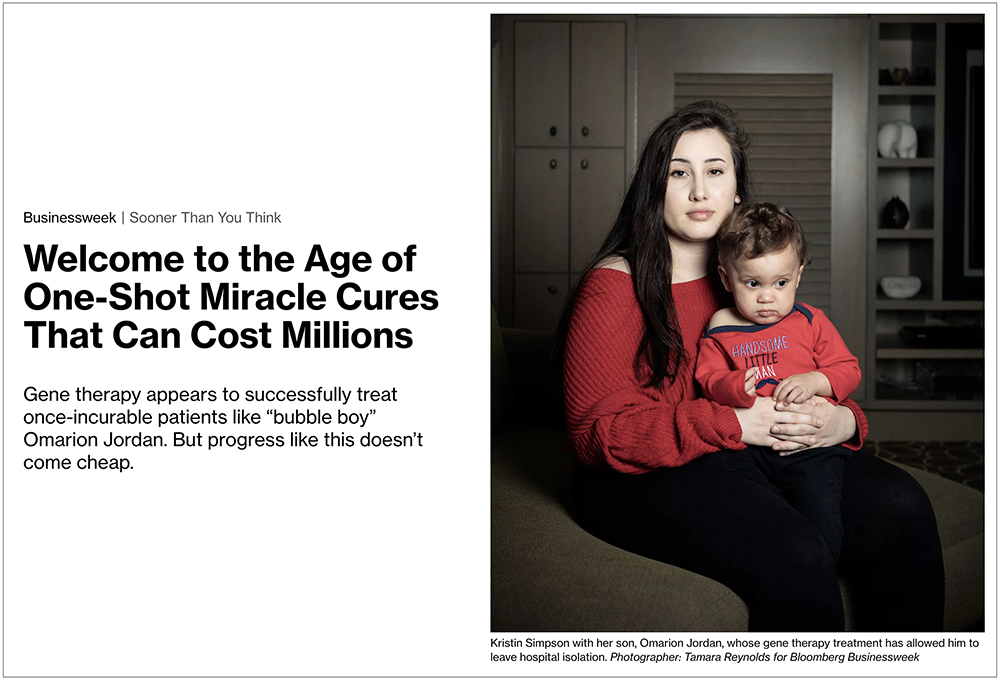
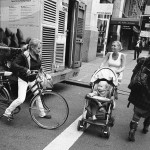
© Tamara Reynolds and Bloomberg Businessweek for the article “Welcome to the Age of One-Shot Miracle Cures That Can Cost Millions,” 2019
Have you ever successfully pitched an idea to a photo editor after already working on a project?
In the past, I have pitched to magazines personal documentary stories such as The Drake or the work I’m doing within an East Tennessee community, tentatively titled Melungeon. These were both projects that I spent years photographing and showcased as a personal project. The East Tennessee work ran in The Bitter Southerner print issue #11. I emailed The Bitter Southerner Co-Founder and asked if she was interested in seeing the work and possibly publishing it in the future. It was prepared and we were able to make it happen for the issue that was going to press in less than a month. Hence, it has just released.
Another past successful pitch that comes to mind is a story again in The Bitter Southerner. I saw a documentary at the Nashville film festival in 2015 about the Barkley Marathon that was incredible. I pitched the story, found a writer, and worked on it for about 6 months. It was a labor of love.
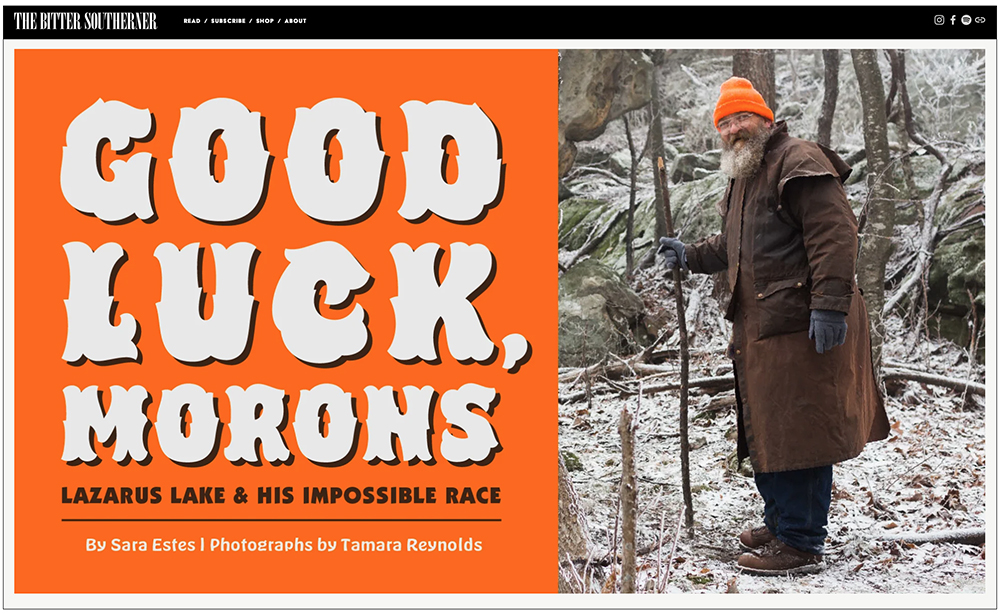
© Tamara Reynolds and The Bitter Southerner for the article “Good Luck, Morons: Lazarus Lake and His Impossible Race,” 2016
How do you prep for going out on an editorial assignment?
My advice is to research the story as much as one can before heading out. Sometimes I like to discover things once I am in the story working, though. Staying open may offer opportunities that may not be seen if you have prepared so much that you are simply walking into a situation with preconceived notions and checking the boxes.
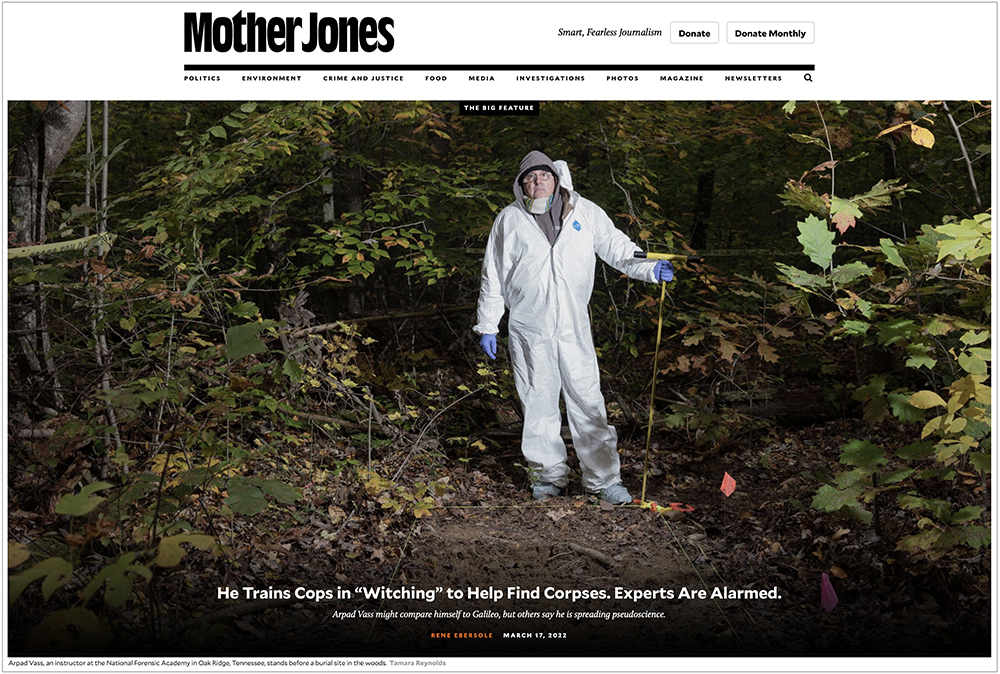
© Tamara Reynolds and Mother Jones for the article “He Trains Cops in ‘Witching’ to Help Find Corpses. Experts Are Alarmed,” 2022
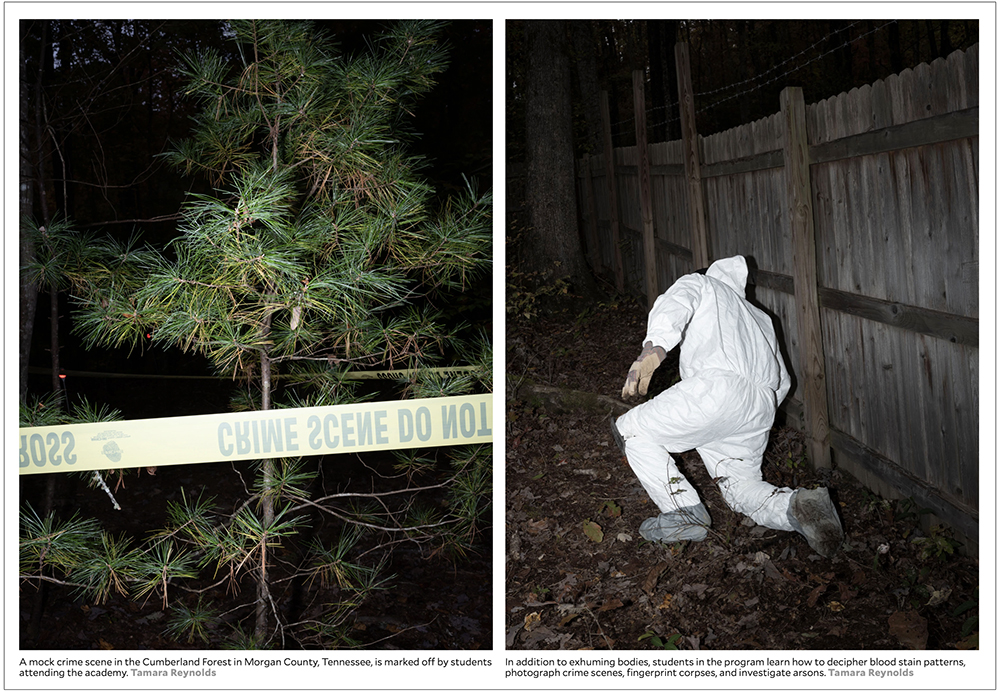
© Tamara Reynolds and Mother Jones for the article “He Trains Cops in ‘Witching’ to Help Find Corpses. Experts Are Alarmed,” 2022
Do you have subjects (if portraits) sign a model release form?
Typically for editorial work, I do not have subjects sign a model release unless the editor sends one and requests that it be signed. If I were to use an image outside the initial story, I would approach the subject to get an agreement. It has not been the case so far.
Q: When you are working on an editorial assignment: how does the scheduling work? How do you choose, get in touch, and set-up the appointments? Do you scout locations beforehand and/or photograph the subjects in their environment?
All of these questions depend on the situation, timing and what has been initially set in motion. If I am working on a tight schedule with a limited expense budget, I will schedule as quickly as I can via text, call, and email. Depending on the subject and the needs of the story, we will discuss locations. If the location is open to anything, I will research the area if the home of the subject is off limits. I like being as close to the subject personally, so photographing them at their home is always preferred, or at least in a space that is meaningful to the story while also offering an environment that is inspiring for me photographically.
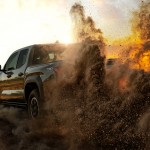
For a story about a female truck driver, I had to arrange with Arnesha when she was going to be coming through the Middle Tennessee area with her load and making her delivery. I met her early in the morning and followed her throughout her delivery, refueling, and scheduling to capture what would meet the needs of the story for the photo editor.
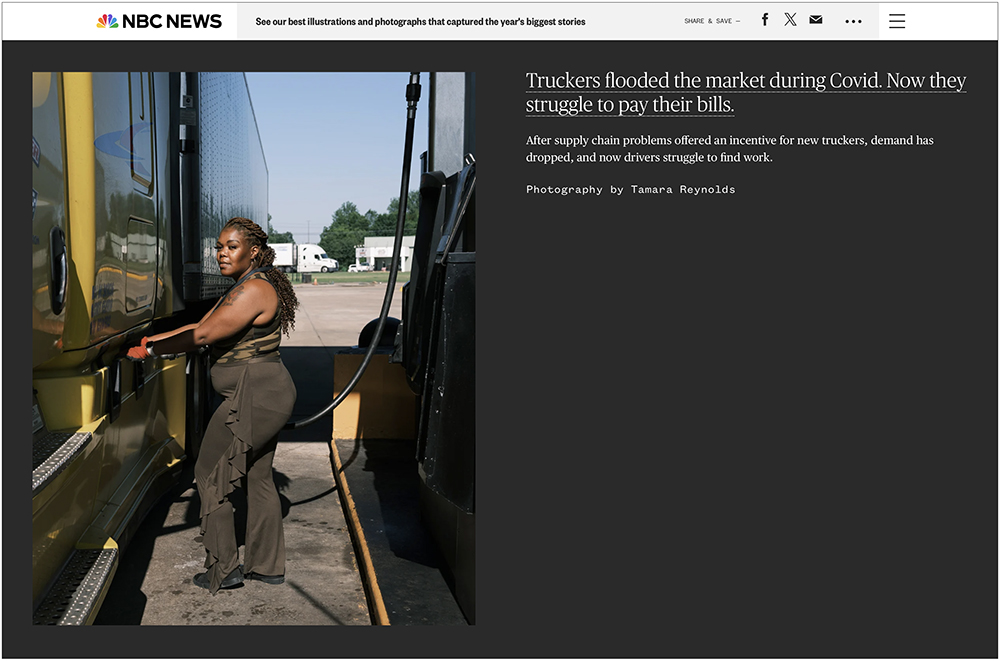
© Tamara Reynolds and NBC News for the article “Truckers flooded the market during Covid. Now they struggle to pay their bills.” 2023
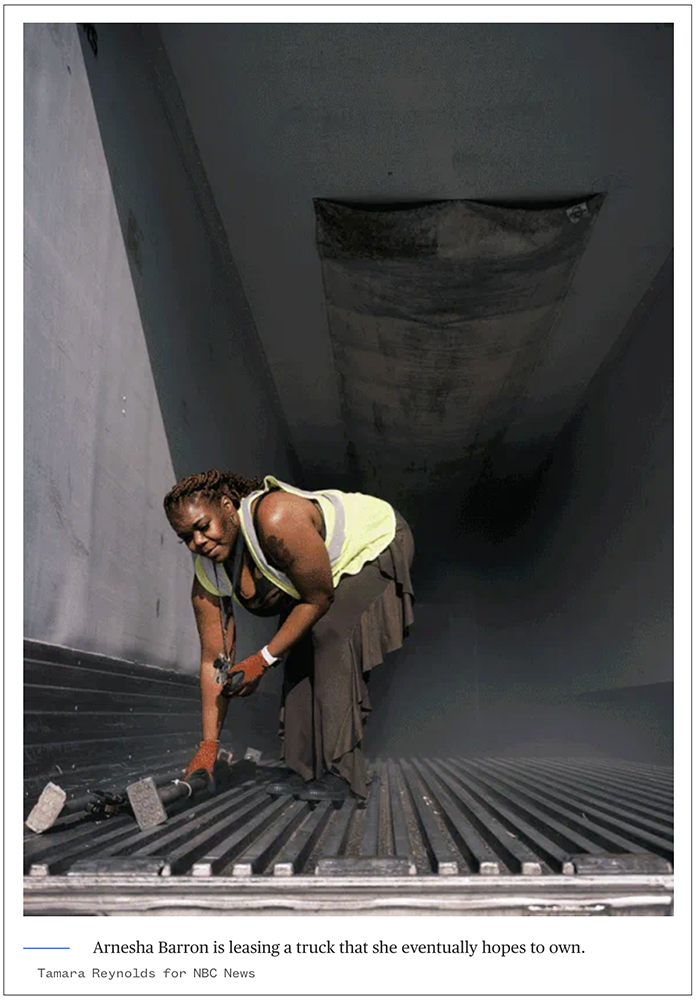
© Tamara Reynolds and NBC News for the article “Truckers flooded the market during Covid. Now they struggle to pay their bills.” 2023
Are you required to have insurance for locations, to work with specific organizations, or news outlets?
I wouldn’t operate without a net. I’ve had insurance from the beginning. It covers me and any assistants I hire when shooting anything. When shooting advertising campaigns, I have sometimes worked under the insurance of the producer. But typically, the production was covered under my insurance.
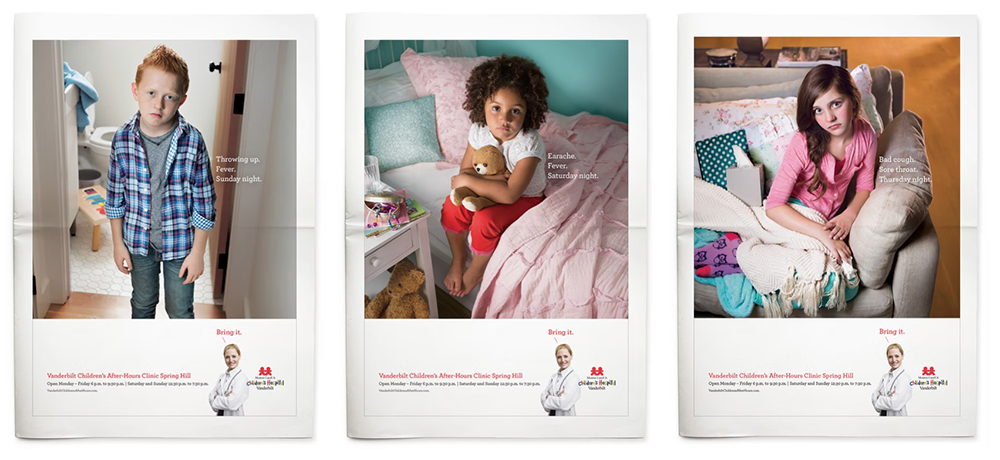
© Tamara Reynolds, print Ads for Monroe Carell Jr. Children’s Hospital at Vanderbilt, Lewis Communications Ad Agency, Nashville, Tennessee, 2013
What format is the final product that you deliver? Are the number of images/subjects determined up front?
I used to deliver chromes years ago in all formats. Today, I deliver JPGs. The selections are the best of the shoot. The amount delivered depends on what the story needs. When discussing the project, the editor will ask for different locations within reasonable travel time, ask for options for versatility for layout in magazine/newspaper, social media, and maybe secondary images to help tell the story, such as a still life/object/landscape/location shot that is referenced in the story. The amount of images cannot really be determined. Things change too quickly and we cannot determine what the situation may offer.
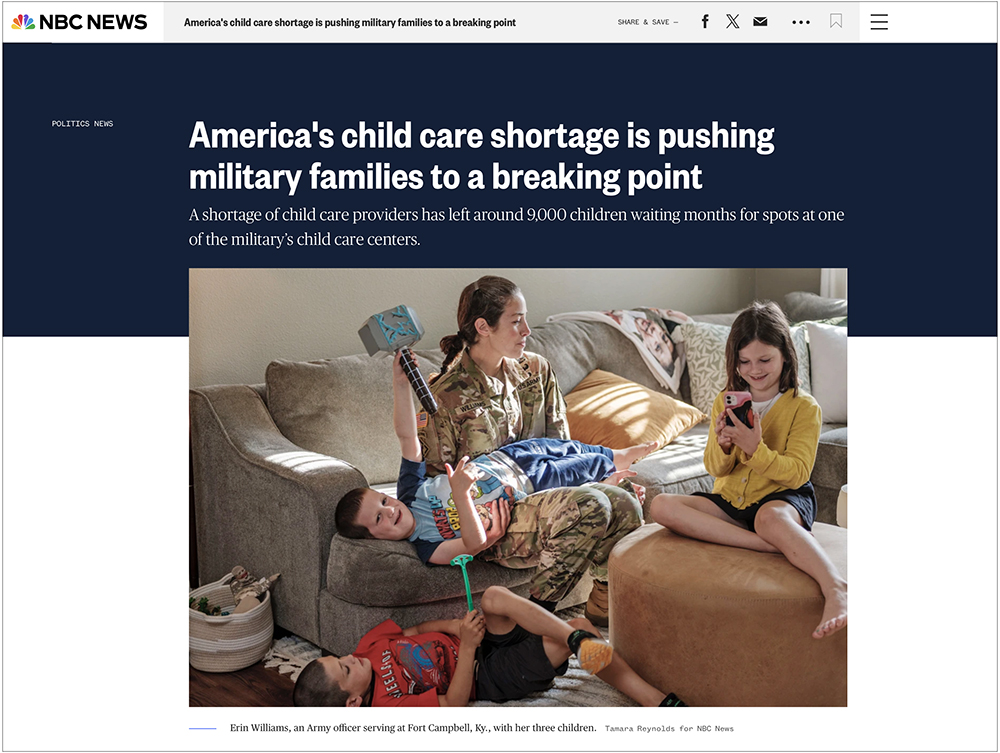
© Tamara Reynolds and NBC News for the article “America’s child care shortage is pushing military families to a breaking point,” 2024
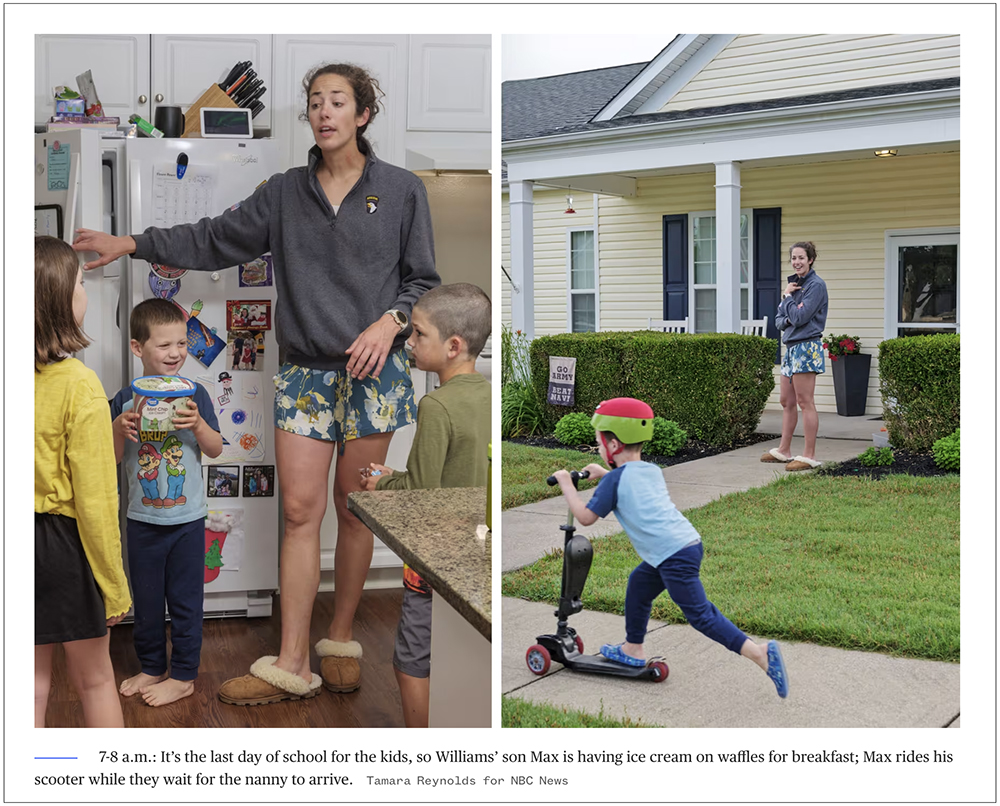
© Tamara Reynolds and NBC News for the article “America’s child care shortage is pushing military families to a breaking point,” 2024
Do you have the ability to make changes as you move through a project?
From the outset it is understood that there are certain things that need to be met. But, I think given the nature that editorial photography is shot without having an editor on-set or on-location, the photographer must be free to make changes when necessary. Many photo editors are available to talk through changes and it is best to do it before going rogue. But most understand and trust the photographers’ decisions.
A photo editor hires a photographer based on an aesthetic they see in their work, and they need to feel confident that the project will be covered in that voice. I think, also, the editor gets a sense of the photographer’s personality and what they are capable of achieving on the project. They may have a way of operating that is bold and tough, or quiet and reserved. The subject/story may determine the type of personality the photographer hired must have. Of course, I don’t really know this. I just assume that I get work because of my personality too, not just my aesthetic approach to things. I’ve had photo editors say, “This is a delicate situation, and I trust you can get them to relax,” for instance.
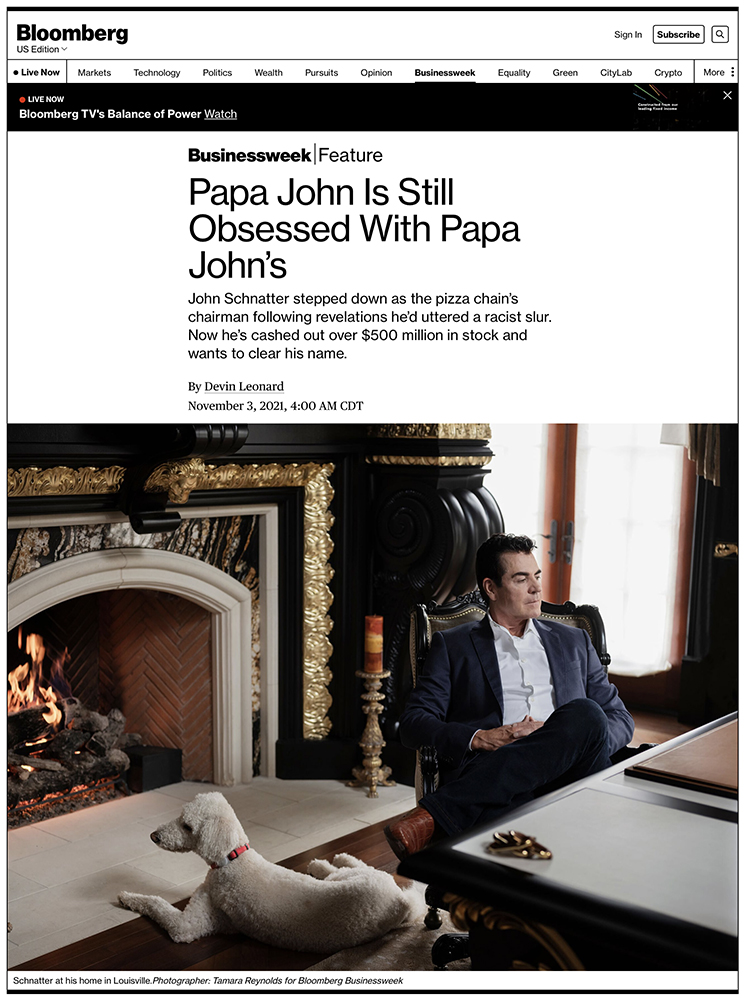
© Tamara Reynolds and Bloomberg Businessweek for the article “Papa John Is Still Obsessed With Papa John’s,” 2021
How does the licensing work for the final editorial product that you deliver?
Licensing is different for different organizations and it is spelled out when a job is assigned to a photographer. For a news organization, they will have a period after the release date that the work cannot be resold until after a certain amount of time lapses. The time could be the next day or 1 month. Advertising is a whole different ball game.
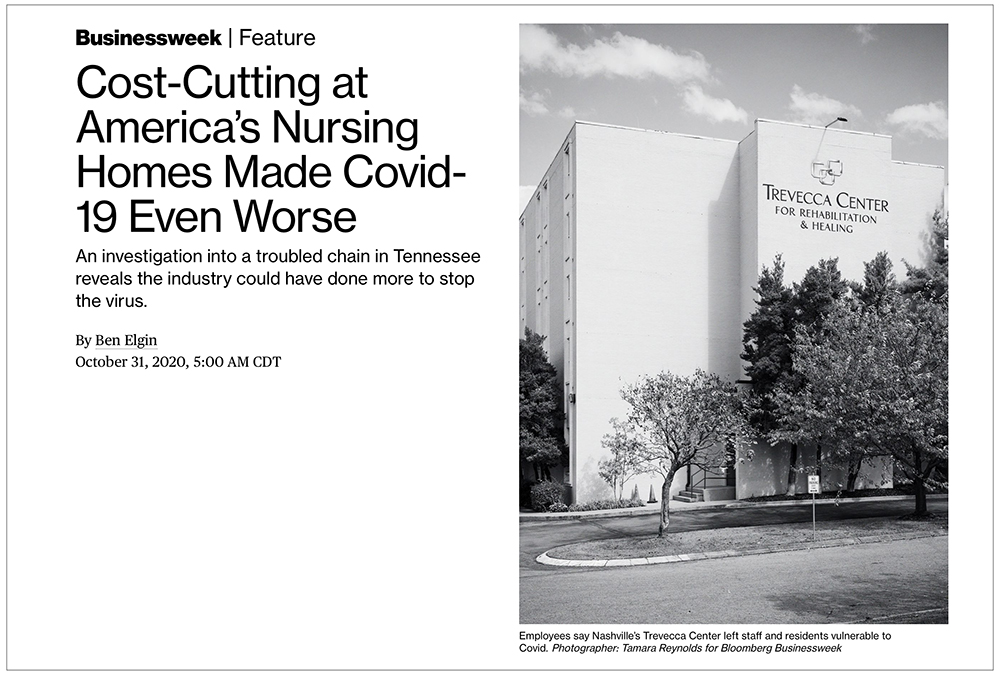
© Tamara Reynolds and Bloomberg Businessweek for the article “Cost-Cutting at America’s Nursing Homes Made Covid-19 Even Worse,” 2020
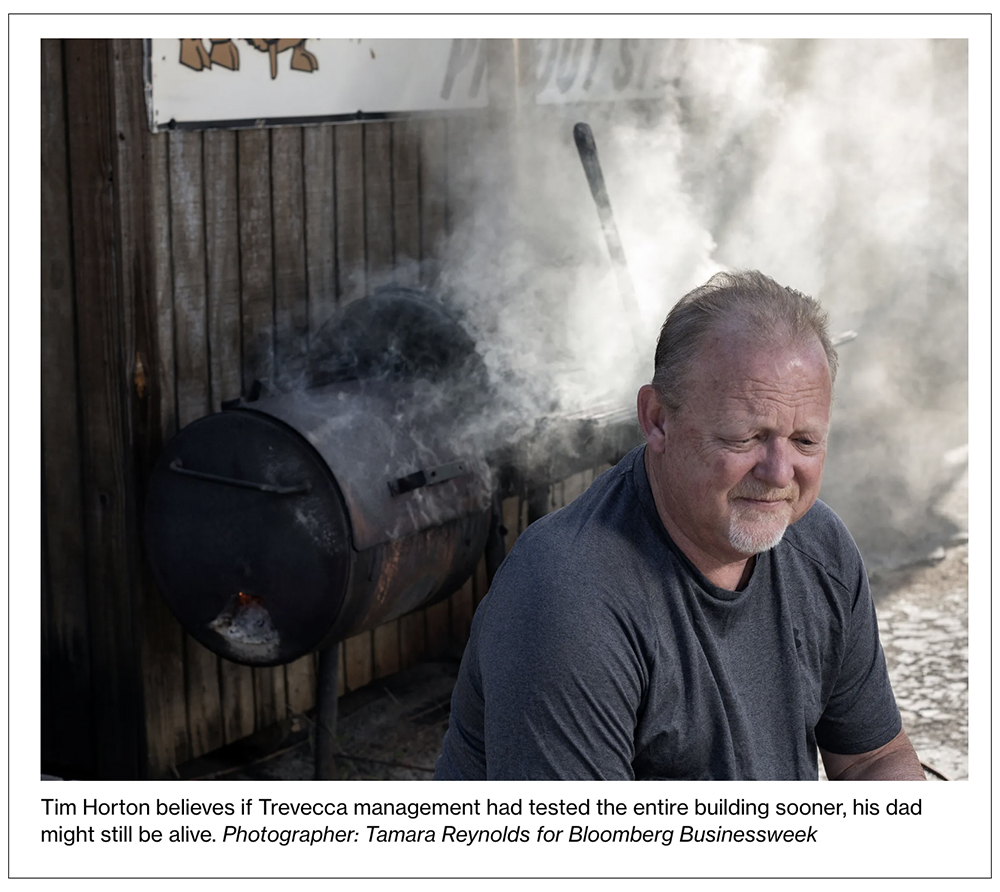
© Tamara Reynolds and Bloomberg Businessweek for the article “Cost-Cutting at America’s Nursing Homes Made Covid-19 Even Worse,” 2020
This was a project done for Cracker Barrel. The contract was different than label licensing agreements. At the time I was photographing more for record labels, licensing was limited to only self-promotion.
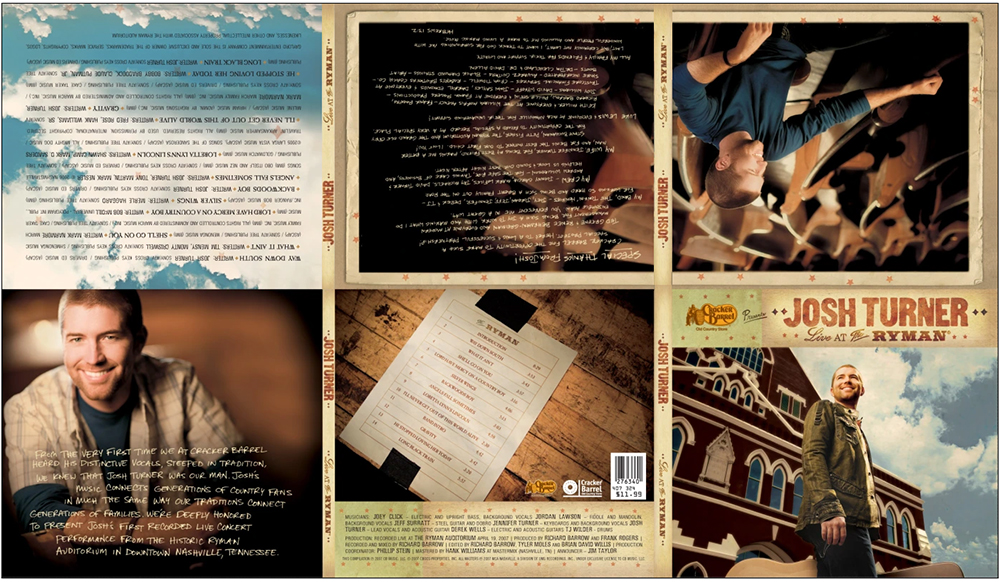
© Tamara Reynolds, Cracker Barrel, and Josh Turner Ryman, CD Cover, 2007
When I would photograph celebrities for magazines, I housed those images with a stock agency for resell.
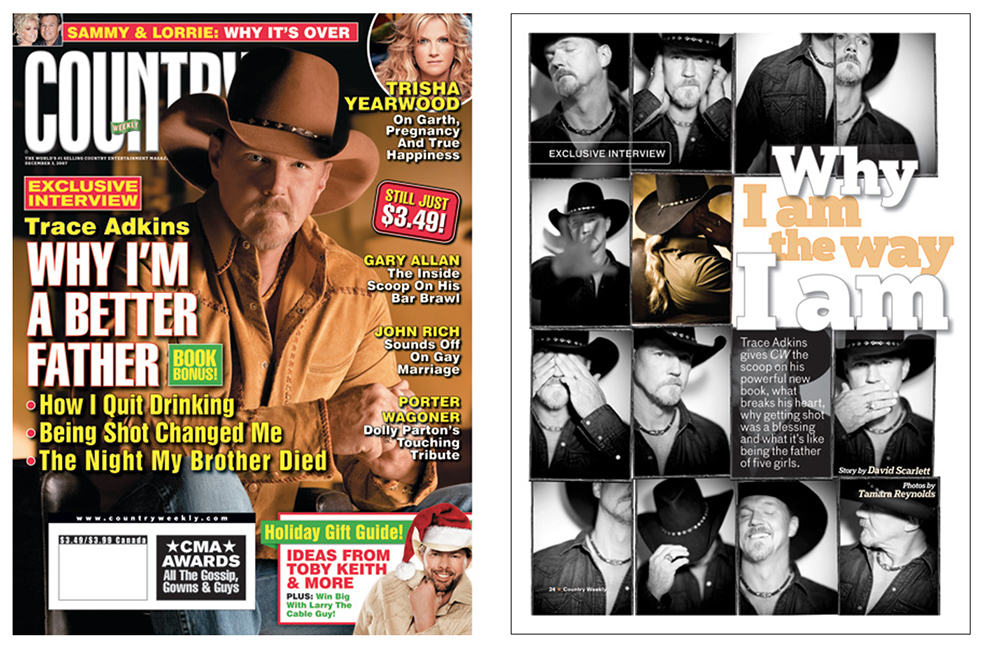
© Tamara Reynolds and Country Weekly Magazine, 2007
Are you able to use any of the images created for assignments in order to promote yourself?
I am the copyright owner of the images created for assignments. So, yes, I am able to use the photographs for self-promotion as well as resale the images after an embargo period. Advertising images created specifically for a product, for example, may have a contract that states they may not be used in resale for another product. The usage rights are all written out in the contract and negotiable.
What equipment do you use?
Depending on the project, budget and needs of meeting the story, the tools will vary. Today, on a large percentage of assignments it is just me with two to three cameras in two camera bags, a couple of Profoto A10 On-Camera Flashes housed in those camera bags, two stands, a small light modifier, and a tripod. I can carry/roll it all by myself if needed.
In the past, it was me, an assistant that traveled with me, and an assistant or two we hired on location. We traveled with two medium-size pelican cases, two large pelican cases, and three Lightware Cargo Cases. They all held stands, light modifiers, and expendables. Generators were rented when we got to the location. We had to travel with all of the equipment because many of the places had no equipment rental houses nearby.
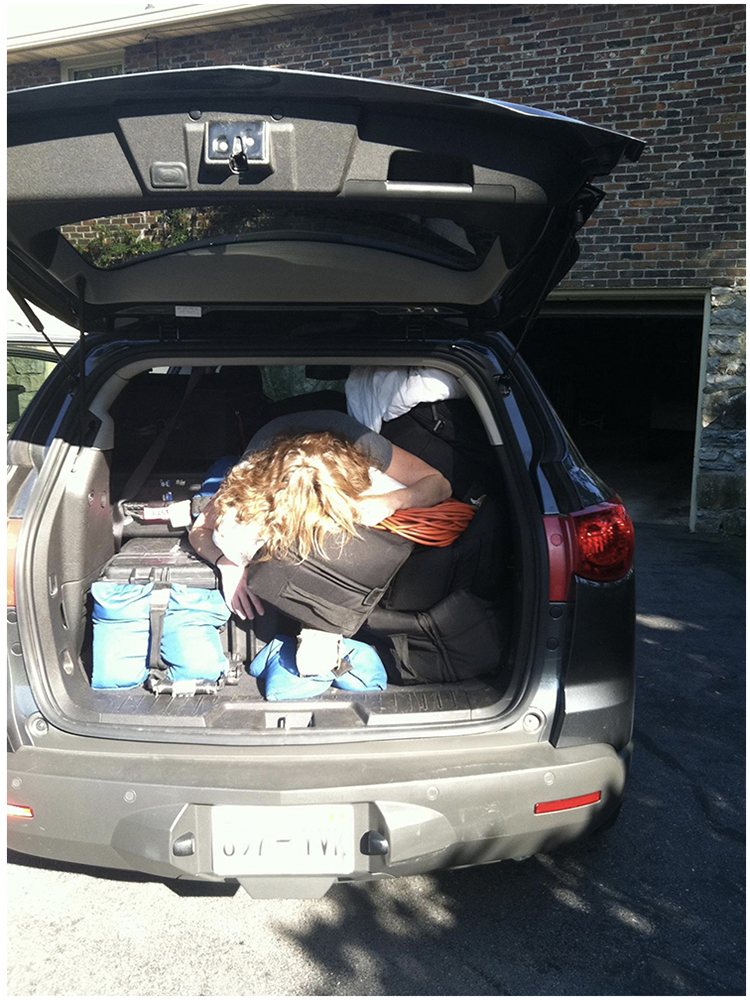
© Tamara Reynolds, after a long day of shooting
Tamara Reynolds is a documentary photographer and videographer whose unflinching eye considers what it means to be human in today’s society. In particular, her work focuses on the lives of those who are usually unseen.
Reynolds’ photobook The Drake was published and released by Dewi Lewis in early 2022. The work—portrait, still life, and streetscape images that document the lives of people existing just above survival on one square block around a motel in Nashville, Tennessee—has received numerous honors, including a 2021 Guggenheim Fellowship, the 2021 BarTur Photo Award, 2024 and 2020 Puffin Grant, the 2019 Tennessee Arts Commission Individual Artist Grant and the Santa Fe Center 2018 Project Launch Grant. Reynolds’ acclaimed earlier body of work, Southern Route, which explores issues of identity, conflict and the disappearing culture of the South, was included in Southbound: Photographs of and about the New South, a traveling exhibition and book curated by Mark Sloan and Mark Long of Halsey Institute of Contemporary Art, with support from the NEA and the Robert Mapplethorpe Foundation. In addition to numerous exhibitions around the country, Reynolds’ photographs have been featured on The New York Times Lens Blog, PBS News Hour, Lenscratch, Strange Fire Collective, Photo-Emphasis, and FotoRoom, among others. Her images have also been published in The Bitter Southerner, Ain’t Bad, American Photography 29, 30 and 33, Oxford American Magazine: Eyes on the South, Communication Arts and All About Photo and are held in public collections such as The Do Good Fund and Cassilhaus.
In 2017, she received a Master of Fine Arts from the University of Hartford. She holds a Bachelor of Fine Arts from Middle Tennessee State University where she was recently inducted to their Wall of Fame. Reynolds has given artist talks at Brown University, George Fox University, Middle Tennessee University, Vanderbilt University, the Montgomery Museum of Fine Arts, Cassilhaus Gallery, the Halsey Institute of Contemporary Art and Morris Museum of Fine Art.
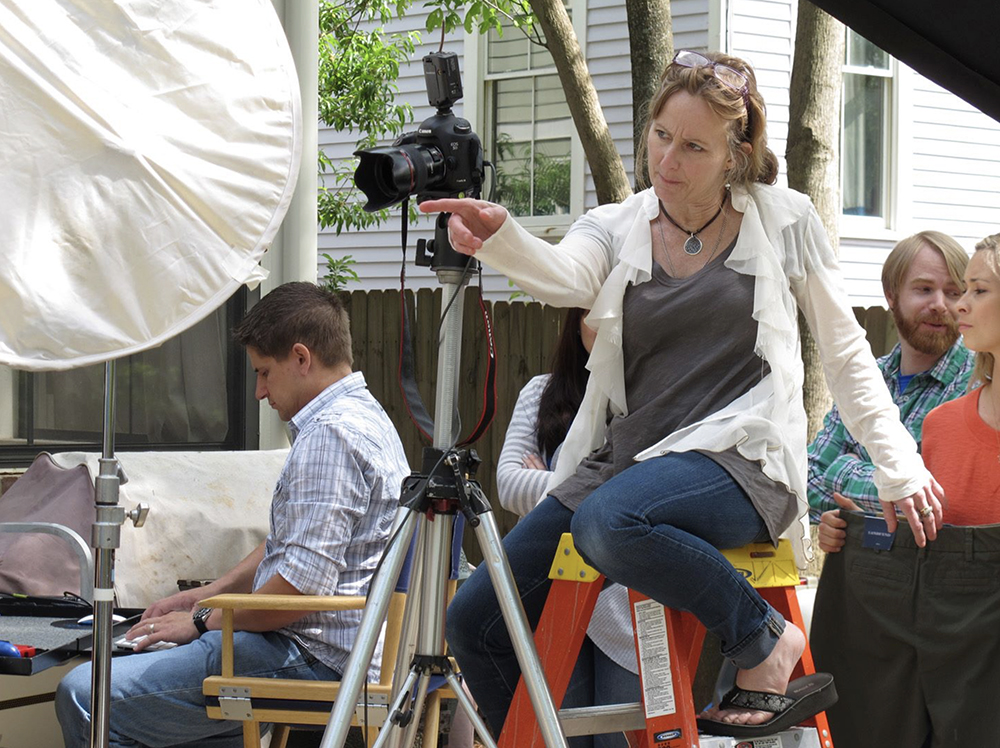
© Tamara Reynolds, photo courtesy Lori Phillips Fischer
Prior to her current work in documentary photography, Reynolds worked as a commercial photographer for over 30 years. Her work has appeared in many national publications including The New York Times, The Guardian, NBC News, Bloomberg Businessweek, Forbes, and The Wall Street Journal to name only a few and has been part of numerous national advertising campaigns.
She currently teaches photography at Belmont and Vanderbilt universities.
Tamara Reynolds was born in Nashville, Tennessee, and has lived there all her life.
Jeanine Michna-Bales
After a successful 20-year career as a creative in advertising, Jeanine Michna-Bales transitioned to become a full-time artist. A visual storyteller working primarily in photography, Michna-Bales (American, b. 1971) explores the profound impact of cornerstone relationships on contemporary society—the connections between individuals, communities, and the land we inhabit. Her work sits at the crossroads of curiosity and knowledge, blending documentary and fine art, past and present, and disciplines like anthropology, sociology, environmentalism, and activism.
Michna-Bales’ artistic practice is rooted in thorough, often primary-source research, which allows her to explore multiple perspectives, grasp the complexities of cause and effect, and understand the socio-political context surrounding the subjects she examines.
Posts on Lenscratch may not be reproduced without the permission of the Lenscratch staff and the photographer.
Recommended
-

Cozette Russell in Conversation With Douglas BreaultMay 14th, 2026
-
BEYOND THE PHOTOGRAPH: Q&A WITH COMMERCIAL PHOTOGRAPHER ANDY MAHRMarch 22nd, 2026
-
Beyond the Photograph: Editioning Photographic WorkJanuary 24th, 2026
-
BEYOND THE PHOTOGRAPH: Q&A WITH CURATOR GREGORY J. HARRISOctober 24th, 2025
-
BEYOND THE PHOTOGRAPH: Q&A WITH PHOTO EDITOR JESSIE WENDER, THE NEW YORK TIMESAugust 22nd, 2025