Suzanne Theodora White in Conversation with Frazier King
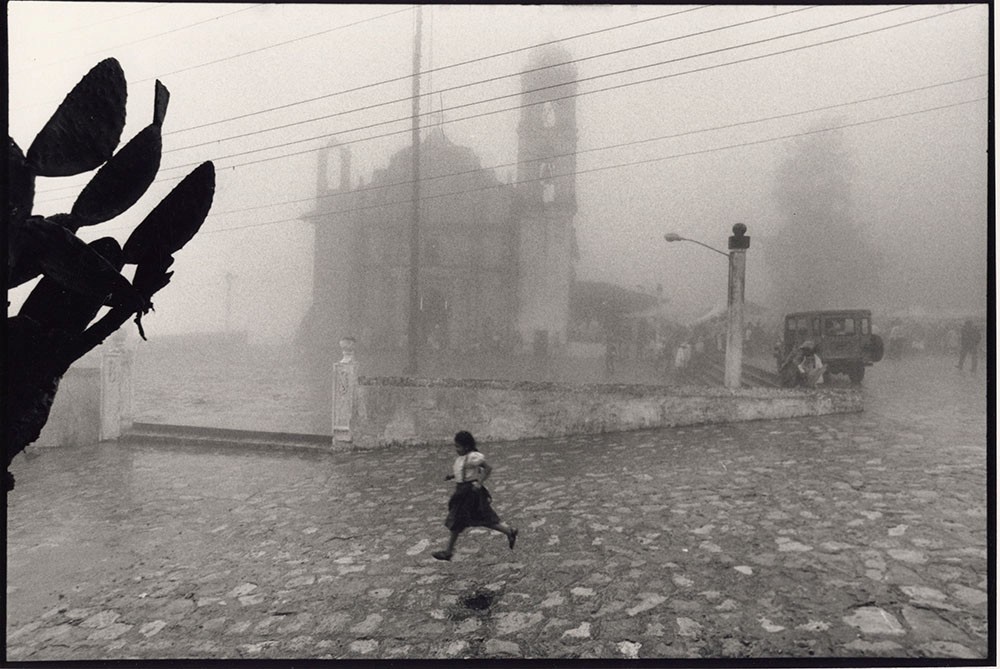
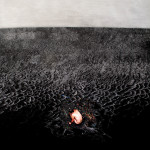
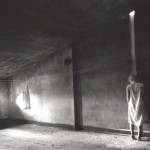
©Frazier King, Mexico
It was an honor and a pleasure to interview Frazier King, and I thank him for taking the time during an exceptionally busy period in his life. When I first met Frazier, it was in 2021 for a portfolio review that I’d won in a fundraiser. We hit it off and it has led to a lasting connection. So, it felt like a full circle when we sat down to reflect on his career as a photographer. Frazier is well known for his discerning vision as a collector, so it was fascinating to listen to him talk in depth about his own work. He recently had a show of his project The Seven Deadly Sins at The Museum of the Americas in Washington, DC and a portion of his collection was exhibited at the Griffin Museum of Photography in Winchester, MA in 2024. His book The Collector’s Eye – A Photographer’s View of His Contemporaries, was published by Schilt Publishing in 2019.
An interview with the artist follows.
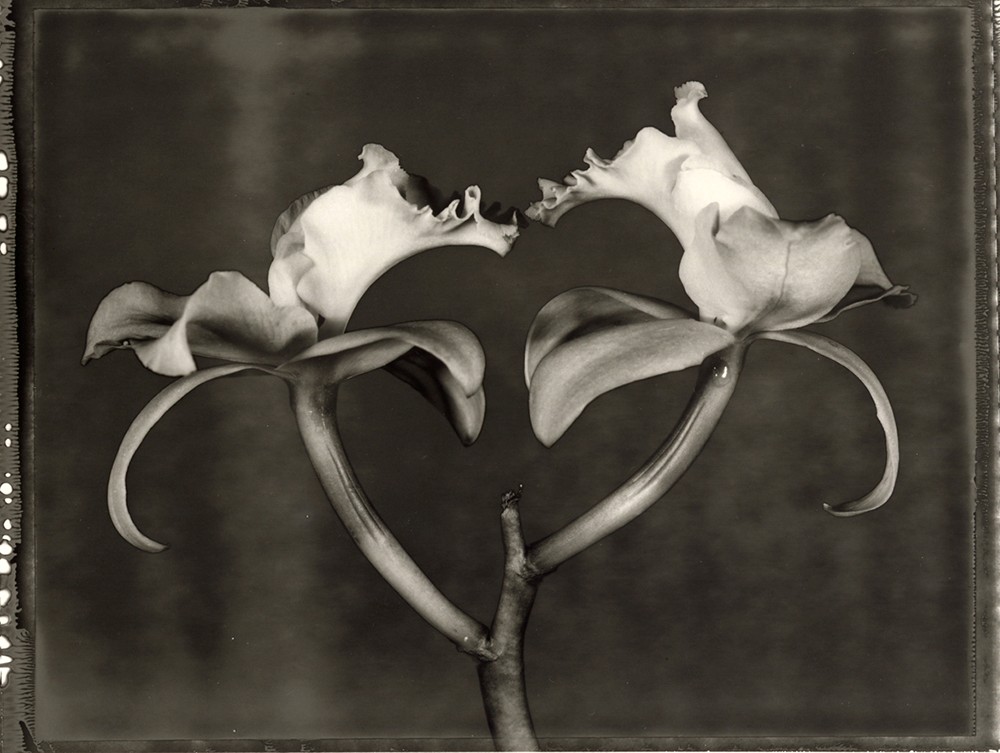
©Frazier King, Orchidaceae 31~Cattleya intermedia var. alba
Frazier King is a photographer, collector and curator, living and working in Houston, TX. His photography work focuses on constructed still life and some bodies are produced using film and gelatin silver prints while others are produced using digital capture and archival pigment prints. “The Seven Deadly Sins” series is his most recent work, produced in 2022. Over the last 25 years he has exhibited in numerous solo and group shows in the U.S., Canada, Mexico, Brazil, France, and Belgium. His work is included in the collections of many individuals and the Museum of Fine Arts, Houston; Harry Ransom Center, Austin, TX; George Eastman House, Rochester, NY; Bibliothèque Nationale de France, Paris, France; and Museum de Arte Moderna, Rio de Janeiro, Brazil. He has been a collector since the 1990s. His collection was shown by FotoFest in 2012 in “The Collector’s Eye II” exhibition and by the Griffin Museum in 2024. Subsequently, he produced in conjunction with FotoFest and Schilt Publishing a book entitled “The Collector’s Eye—A Photographer’s View of His Contemporaries”. During his 15 years serving as a member of the board of directors of HCP, he curated or co-curated exhibitions and participated as a reviewer in photography portfolio review events around the world.
Instagram: @frazierkingphotos
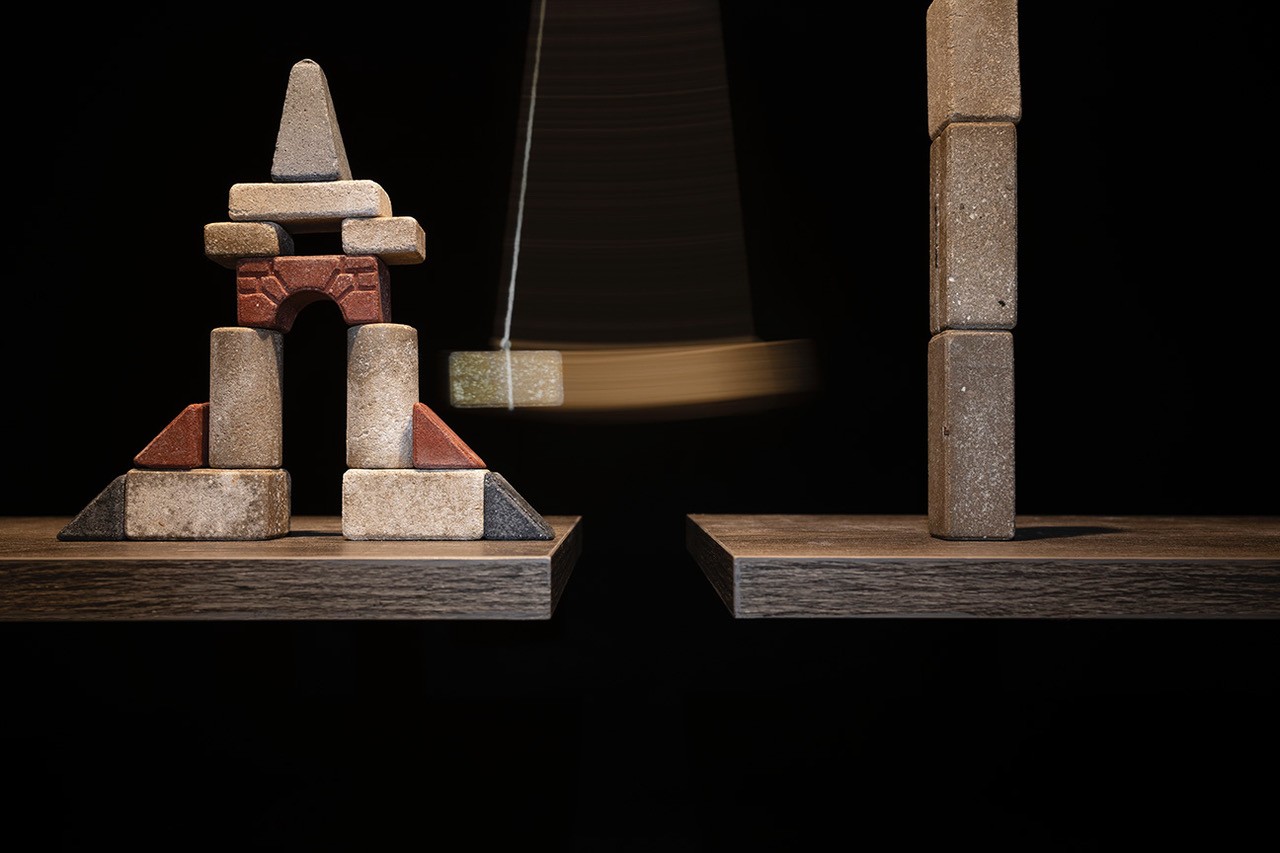
©Frazier King, Seven Deadly Sins – Wrath
Suzanne Theodora White: When did you become interested in being a photographer and what inspired you?
Frazier King: My interest in photography evolved in stages. It was first piqued in high school when I received a gift from father of a little Bakelite Ansco Panda 620 twin-lens reflex camera (which I still have). This gift preceded a family trip to Williamsburg, Virginia. My father was my role model as he loved to photograph the family on vacation. I was initially drawn to historic building and shot them straight on and centered. This emphasized the flat form of the building in a way which I later learned was the style of Walker Evans.
The second inspiration came from a law-school friend who had a darkroom and was willing to teach me how to print. Just before graduation and going to work full time as a lawyer in Washington, DC with the Federal Energy Regulatory Commission, I sold my 650cc candy apple red Bonneville Triumph motorcycle and purchased a Nikon F2 and several lenses. So, at the end of my workday I would jump in my car and drive to McClean, VA and print with my friend until after midnight. What I was able to create with my own two hands was amazing. I would then drive home, get a couple hours of sleep and repeat. I was spellbound by the magic. It was a period of extreme learning and understanding of all aspects of photography practically and emotionally. On the weekends I traveled and photographed all over Virginia and even experimented with infrared color film, photographing the Potomac River delta while flying in my U.S. Army Reserve helicopter. After several years I built my own darkroom while continuing to work in the D.C area.
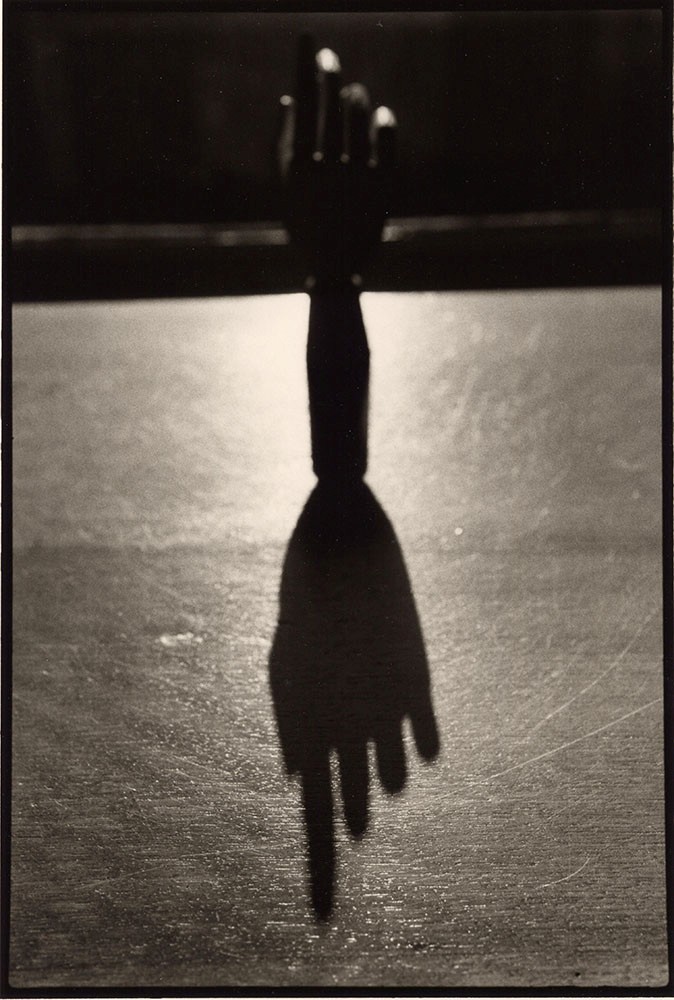
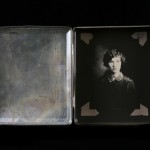
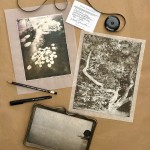
©Frazier King, Tableau Untitled #2
STW: How has your work progressed and what is the turning point that led you to pursue photography artistically and professionally?
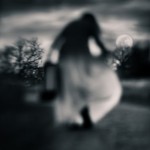
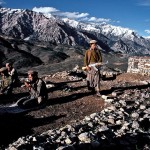
FK: I moved to San Antonio, Texas and became involved with the San Antonio Craft Center, now the Southwest School of Art, and soaked up as much as I could. My day job was handling regulatory issues for an interstate pipeline company. In 1986 I took my work to the very first FotoFest Meeting Place in nearby Houston. I received warm encouragement from one of the early organizers and from reviewers. I continued to experiment with different subject matter and in 1991, with a group from the Center, traveled to the north of Mexico. It provided me with the first opportunity to put together a cogent body of work. We visited the town of Tzinacapan and participated in the annual Festival of San Miguel. I was able to develop my own vision of the indigenous Nahuatl people and their colonial Spanish environment. I was transfixed by their beauty, the architecture, the location and the meaning of the local celebration. Dedicated time allowed me to concentrate. I made a picture of a young girl running in a rainstorm, she is mid-step, streaks of rain, a Spanish church behind her, and it was the moment that changed things. It was completely spontaneous and unposed and when I saw the print, I knew something had shifted. I wasn’t just documenting anymore.
During that timeframe the exhibitions at the FotoFest Biannual of 1990 had an impact on me. They introduced me to the work of photographers who created mise-en-scéne images or who constructed their photographs in different ways. I was impressed by the Czech photographers who were very inventive in their intervention in the photographic process, particularly Pavel Banka, whose work was psychologically charged. I also took a class from Jerry Uelsmann and was impressed with his deliberate way of combining images from multiple negatives on the same sheet of silver gelatin. This gave me both a way to think differently about the photographic image and the tools to do it. So, you can see that over time there was an organic evolution fueled by people, organizations, and situations. You can also see that the inspiration had to do with process, subject matter, and aesthetics.
STW: Is there a special person who encouraged you?
FK: As discussed earlier, particular people encouraged particular aspects of my photographic development. But I have to say that throughout the evolution there was an innate drive to create images. Perhaps the evolution is best described by an old Chinese adage which says: “When the student is ready the teacher will appear.
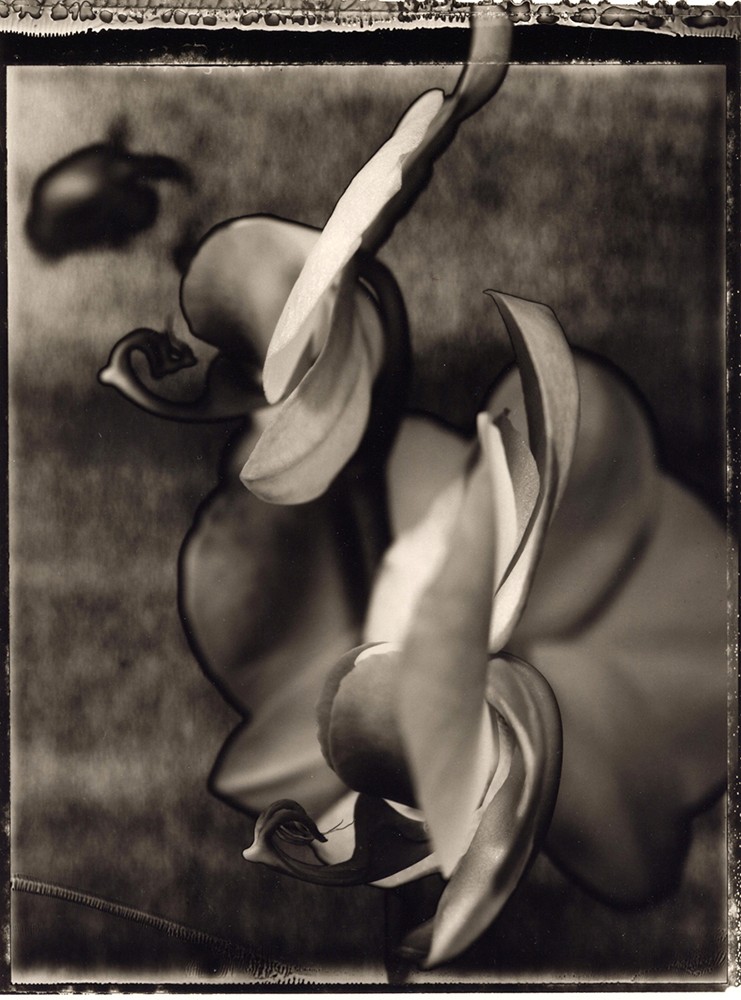
©Frazier King, Orchidaceae 09~Phalaenopsis Redfan ‘Grazia’
STW: Do you have a guiding principle in your photography and do you feel like there is an overarching theme or issue that has prompted your work?
FK: The overarching approach of my work would probably be best described as ‘constructed photography’. In the beginning, I did not focus on defining how I was approaching the making of any image. I just knew what I liked and what rang true with me, and I followed that approach. I loved intervening in different stages of the process when making an image. While this approach has existed to a limited extent since the beginning of photography, the tampering with the existing reality of a particular scene was largely held in disregard until the emergence of what A.D. Coleman described in 1976 as ‘directorial photography’. It appealed to me because it allowed the photographer greater control and also allowed the photographer to project elements of his/her own psyche into the image.
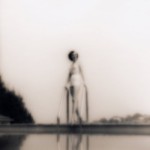
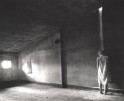
The guiding principle or theme would be best described as the psychological state and in many instances, this would be a kind of surrealism. In the beginning I was drawn to the work of Man Ray, Magritte, and other surrealists. Their work was an attempt to depict the state of the psyche or the message from the unconscious through the representation of dreams. For me that meant that I should construct a scene or a still life that came naturally and seemed to be gratifying in an intuitive way. You can see this in the Tableau and the Orchidacaea portfolios. Even in the Mexican portfolio I was striving to create a kind of mise-en-scène effect with the folk dancers.
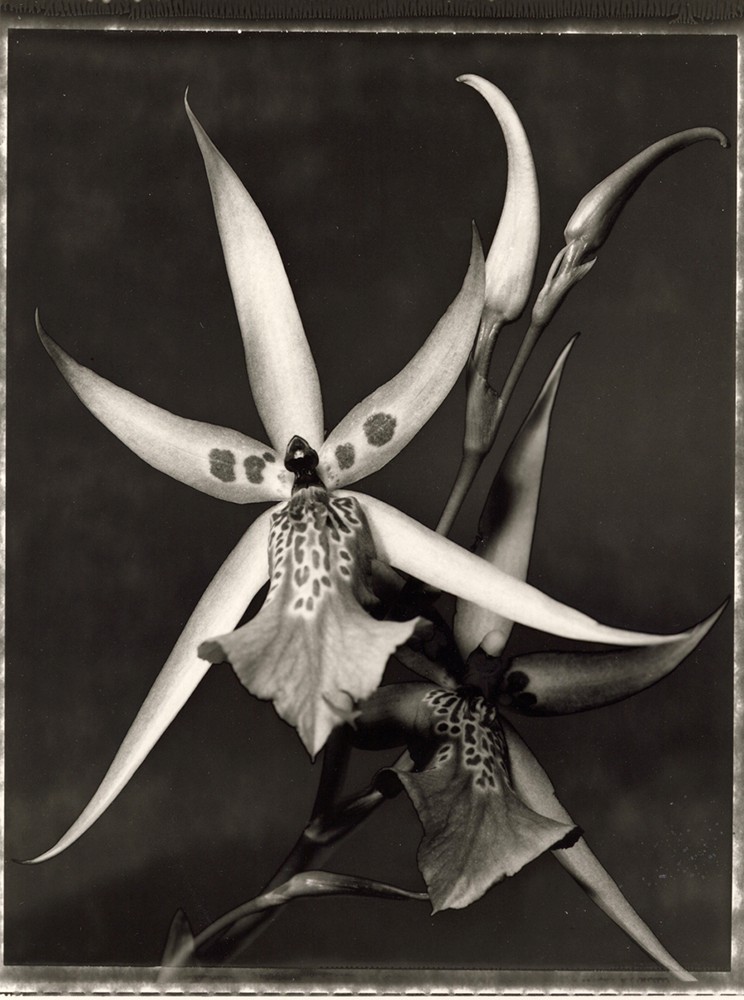
©Frazier King, Orchidaceae 28~Brassia doctacosa x Miltonia , Seminole Blood
STW: Do you have a favorite body of work?
FK: Probably the Orchidacaea Series. Because I like to play, I am more connected to that body of work. The process seemed magical. Plus, I used a Deardorff 4×5 view camera, a beautiful instrument I acquired from a close friend, ironically, just before he passed away suddenly. It felt like I was continuing something we had started. So, using his camera and making discoveries in the darkroom was a special kind of magic. I never actually set out to photograph orchids. I had them growing in my sunroom. I would sit there reading and start to feel like the orchids were asking me to be photographed. Not literally, of course, but they had presence and seemed to say, “okay, I’m ready.” They had character and I saw my photographs as portraits. Some were sexy. Some were angry. Some were divine. The solarization gave them an otherworldly quality, like the were half in shadow half in light. I saw them as representing aspects of humanity and daily life with anthropomorphic characteristics.
Two photographers inspired the process of photographing the orchids. Tom Baril and his Botanica book. I was impressed with his minimalistic and elegant approach and intrigued with the way he solarized his Polaroid 55 negatives and toned them with tea. I also remembered how Lee Miller had solarized Man Ray’s 4 x 5 negative in an extreme way and how it had created the very distinctive Mackie lines around the edge of his very elegant composition of calla lilies.
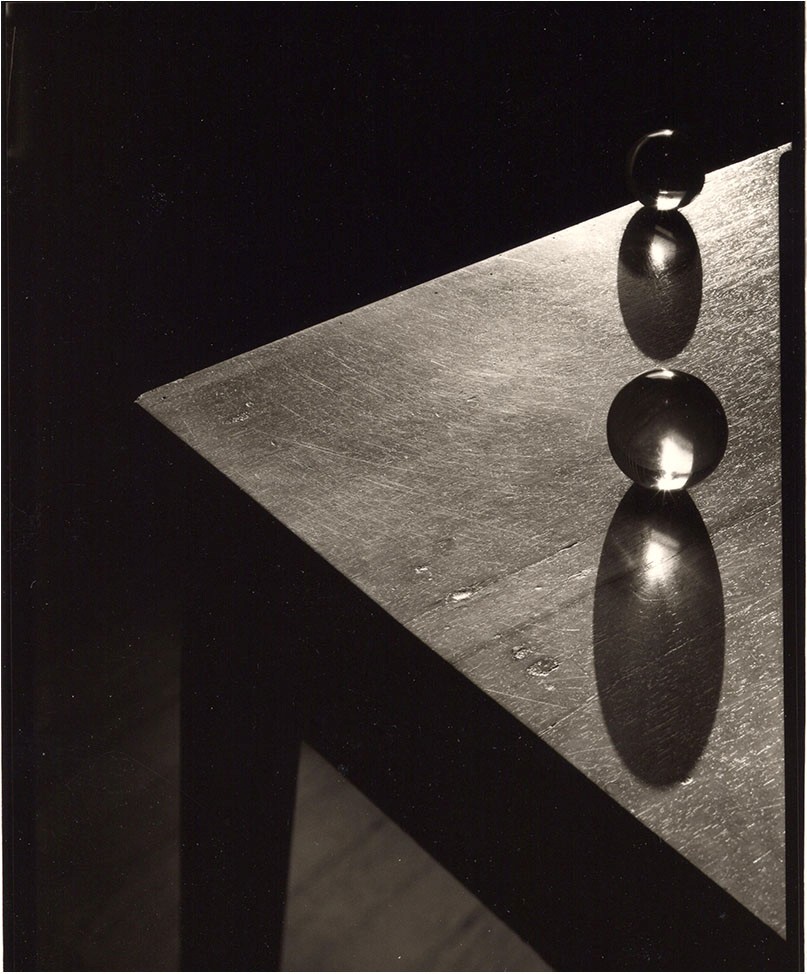
©Frazier King, Tableau Untitled No. 4
STW: What do you see as the value of constructed imagery in your practice?
FK: Constructed photography allows you to go inward. When I build a scene I’m not just illustrating and ideas, I’m trying to let something unconscious come through. I plan the set, light it, shoot it, but the final image always reveals something I didn’t anticipate. That’s when I know it is working. It is like dreaming on paper.
STW: That is something I deeply relate to, using photography to access the unconscious. Do you see a connection to Jungian ideas?
FK: Yes. Jung, Rilke, Man Ray, Lee Miller, these artists are all anchors for me. There is a tradition of artists listening inward, not just looking outward. The orchids were intuitive, so was The Seven Deadly Sins. Constructed, symbolic, and often funny. I wanted to reflect on the moral tension of the times, greed, gluttony, envy, etc., but in ways that drew people in with beauty and absurdity.
STW: Let’s talk more about the Seven Deadly Sins. What prompted you?
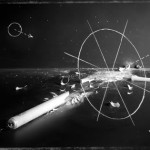
FK: This is a great question. The series was conceived during Covid and focused on the prior four-year period of political stress and conflict. The world felt fragmented, morally, politically, environmentally. I wanted to process that and confront sociopolitical discord and environmental crises. It occurred to me that a return to simple rules for living could have a positive influence. It let me play with symbolism again, but with immediacy. I could shoot in my small garage without needing a big studio or film. It was also therapeutic. For me, the question became: can the small blocks of a child from an earlier generation be used to create constructions which, when photographed, render images to illustrate basic precepts for a better world community? It also addresses Christian dogma and how the dynamic name of each of the sins differs from the static names of the ten commandments.
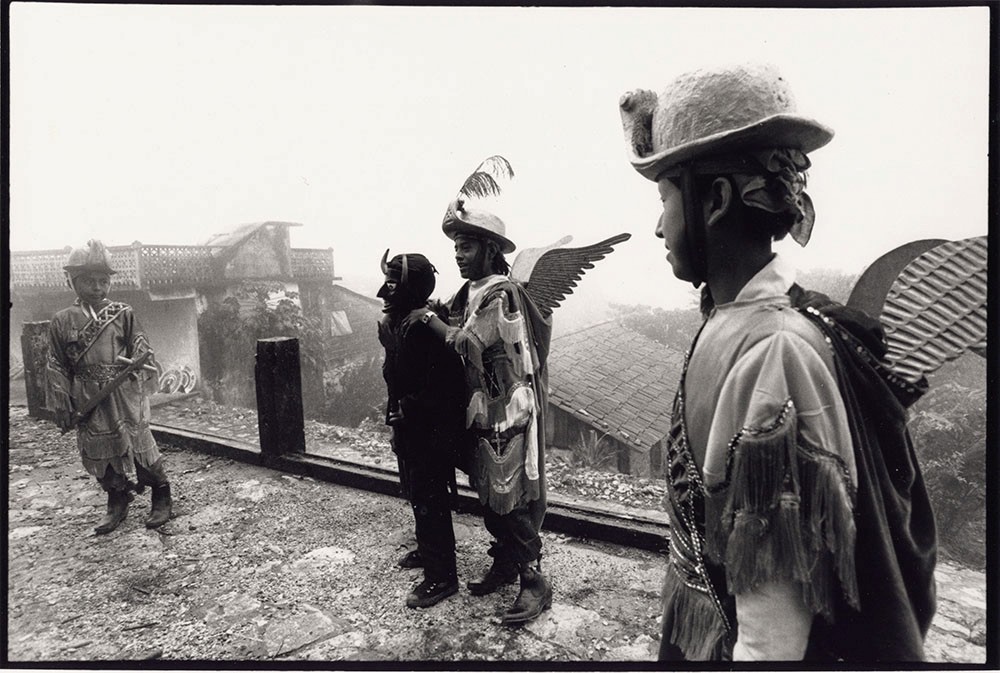
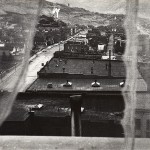
©Frazier King, Mexico No. 2
STW: What role do you think beauty has in your work?
FK: Beauty is important in my work for two reasons. To understand the first reason, it is necessary to understand the meaning of beauty. Beauty is defined by two principles, i.e. the philosophy of aesthetics. Aesthetics describes what draws the human eye and interest in a particular view or image. So, since it is important to encourage the gaze of the viewer to my images, beauty is important. Second, when composing and producing an image I am directed by my own internal projections and sensibility. In a world of chaos and lack of control it is most gratifying to the eye as well as to internal wellbeing to create a kind of order or logic in which to view the subject matter of an image. Hence, a type of beauty emerges to order and carry the message. Beauty has power. It gives us pause and draws us in and asks us to slow down, to be open to a deeper message.
STW: Was the Tableau portfolio inspired by your collection or was your collector’s eye guided by this work?
FK: This is a great chicken and egg question. I would have to say that they both emanated from the same source – the desire to create/acquire images which are explicitly created to reflect/project a state of the psyche. The chronology shows that close inter-relationship. The exhibitions at FotoFest Biannual led to my collection. In 2000, I saw the work of Susan Dunderley Maguire and I was attracted to her work because I saw she created a stage by covering a window with waxed paper and then composing a scene in front of it. I had acquired a print from Jerry Uelsmann in 1991 which falls clearly in the constructed category (being a composition of images from at least 3 negative) and can be described as surreal and something that one would see only in a dream state. So, the collection had already started in the direction of the constructed image. The Tableau work was created in the early months of 1998. I constructed the still life scenes by just following my intuition and inclinations in selecting and arranging the objects – what gratified my interior feelings. In my early statements I described the work as being an examination of the duality of life, i.e. the physical state and the mental state. I stated that I wanted to create my own interior environment. Immediately after that my collection exploded, I think both as a result of my constructed body of work and the desire for further inspiration.
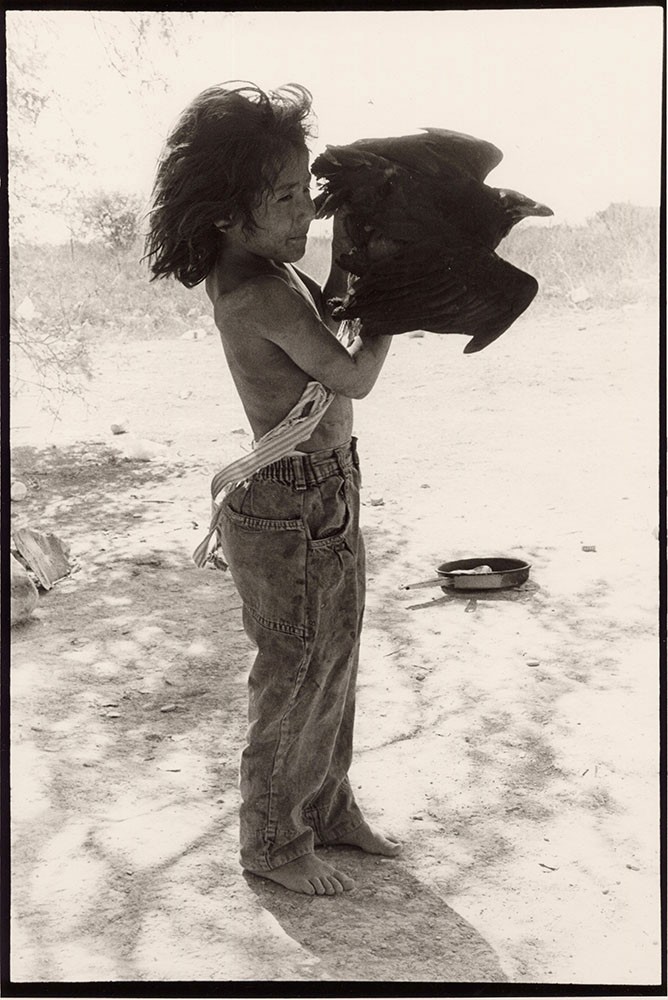
©Frazier King, Mexico #11
STW: What four living photographers would you want to invite to dinner and what four historical photographers?
FK: 1. Chema Madoz for his very inventive and humorous images which play with perception. 2. Wolfgang Tillmans for his unstructured and innovative approaches. 3. Ruth Thorne-Thompson for her philosophical and historical references and 4. Lilliana Porter for the personification of objects to bring ideas to life. For historical photographers 1. Man Ray as he was both inventive in aesthetic concept and process. 2. Henri Carier-Bresson who was both intuitive and philosophical in his capture of daily life. 3. André Kertész for his beautiful and minimal design. 4. Manuel Alverez Bravo for his soulful representation of society and use of a surreal approach. 5. William Henry Fox Talbot for his expression of the beauty of nature and 6. Julia Margaret Cameron for her beautiful representation of people.
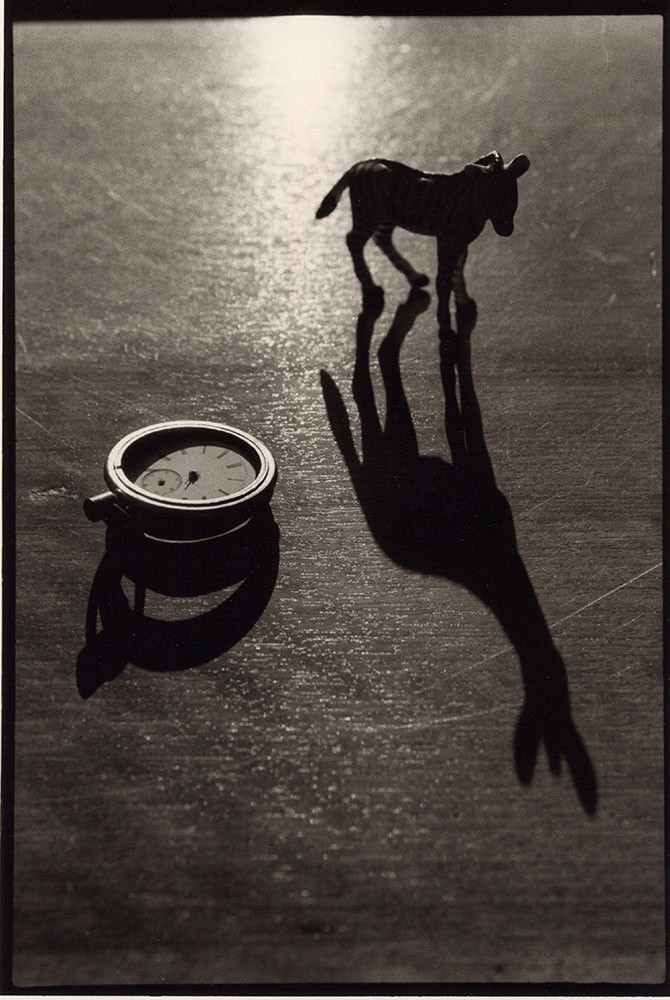
©Frazier King, Tableau – Untitled #3
STW: What advice would you give to emerging photographers?
FK: I would say there are 3 rules: First, never quit. If you give up, you forfeit all of your opportunities. I attended a workshop with Keith Carter who provided the quote below, attributed to Calvin Coolidge, to his students. I have it pasted to my darkroom door.
Press On
Nothing in the world can take the place of persistence.
Talent will not;
Nothing is more common that unsuccessful [people] with talent.
Genius will not;
Unrewarded genius is almost a proverb.
Education alone will not;
The world Is full of educated derelicts.
Persistence and determination alone are omnipotent.
Second, never be discouraged by negative comments. Photography is such a broad and subjective area that many people will not appreciate your work. Also, everyone has their own agenda.
Third, if you have not failed at least five times during your working day you are not doing enough. Be patient and don’t force it. Sometimes the silence is part of the process. Read poetry. Look at art. Go inward. When the time is right, the work will call you back.
STW: Thank you, Frazier, for taking the time for this interview, during what I know as transitional time for you as you move houses and are rebuilding your darkroom. It is a pleasure to hear how deeply you listen, to artists, photographs, your subjects, and yourself.
Posts on Lenscratch may not be reproduced without the permission of the Lenscratch staff and the photographer.
Recommended
-

BEYOND THE PHOTOGRAPH: Q&A WITH COMMERCIAL PHOTOGRAPHER ANDY MAHRMarch 22nd, 2026
-
Remembering The Future by Mark Klett and William L. FoxMarch 19th, 2026
-

McCall Hollister in Conversation With Douglas BreaultMarch 6th, 2026
-
Olga Fried: Intangible EncountersFebruary 18th, 2026
-
Anne McDonald: Self-PortraitsFebruary 17th, 2026