Cozette Russell in Conversation With Douglas Breault
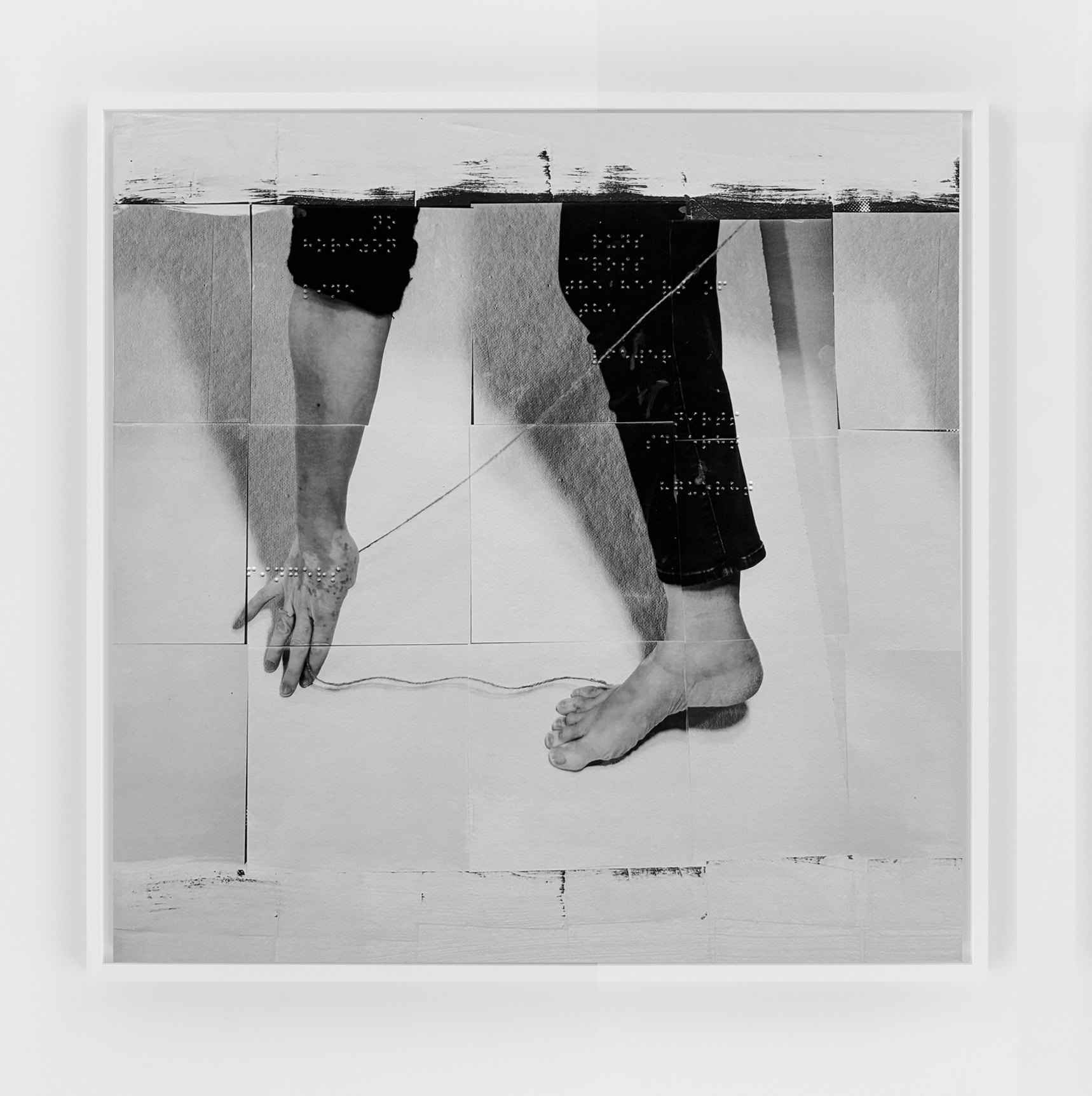
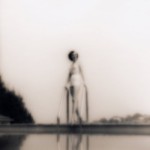
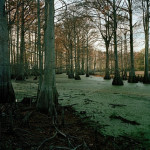
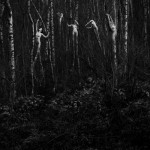
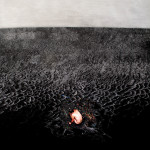
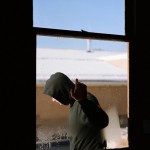
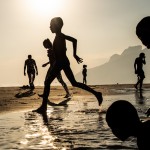
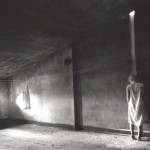
©Cozette Russell Untitled (no horizon line), 2026
Cozette Russell builds densely shadowed worlds that reverberate through imagery and surface, considering time as a tactile material in itself. Intimate moments of her life are split, repeated, and coerced into forms that echo a rhythmic heartbeat on their own. Russell’s work is autobiographical and closely questions overlapping elements of care, feminism, and the many facets of selfhood and motherhood. Her experience with disability, both her son’s and her own, nurtures a process-driven creative practice that is deeply expressive and beautifully creates imagery that conjures up complex feelings and experiences that are difficult to articulate in words alone.
Disability is characterized by its deviations from the perceived norm and, in many cases, remains unwelcome and misunderstood to those fortunate enough to begin life without one. What many people fail to consider is that, if you live long enough, you will likely develop a disability at some point in your lifetime. In a country where the president shamefully mocks individuals with visible disabilities, work created by artists like Russell allows people to encounter disability through images and writing rendered with nuance and humanity. I greatly admire the vulnerability and poetic approach in Russell’s work, and her ability to center her artwork on her lived experiences as a caretaker.
Her constructed world suspends and mirrors tactile experiences in ways that physically occupy space. Her work is unbelievable in its ability to construct a presence of its own. Often working on a large scale, her work is directly connected to your own body in the space – it cannot be overlooked. Her archive opens the eye to those who might otherwise be excluded or oversimplified. Through repetition and structure, she grapples with connectedness and disconnection, gently rendering a space bound together by loving hands and knotted strings.
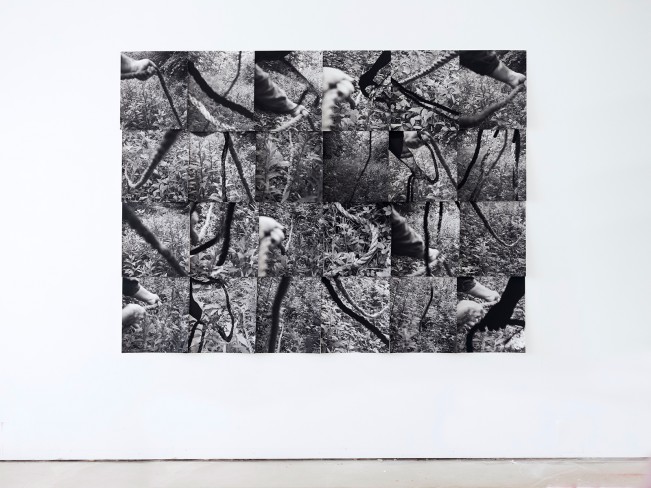
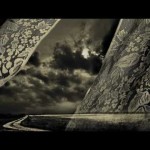
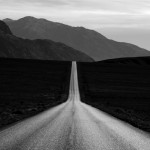
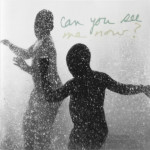
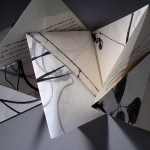
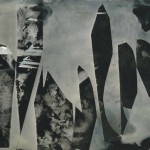
©Cozette Russell Untitled (sequence 01), 2025
What are both challenging and rewarding elements of making deeply personal artwork?
Artmaking for me is a space to work through difficult questions. So the challenge and rewards are in the process. My process begins with autobiographical material, but I use this material to engage with larger dialogues like systems of care, feminism, and embodiment. I’m also asking questions through experimentation with materials–incorporating performance, sculpture, and using interventions with photography like cutting, layering, painting onto the prints, and rephotographing. One example of how I use materials to think about systemic investigations is how I use braille text–I sometimes hand-punch braille into my photographs. My son has a neurological blindness, but he doesn’t read braille. But braille became a way to visually talk about disability while also transforming this visual medium into accessible art. That’s something that interests me. I recently listened to an interview with media artist Alexandra Juhasz, and I really appreciated how she pointed out that in the art world, we fetishize the object, but in a feminist praxis, what we fetishize is the process–the process of making, the process of receiving–such as activating a space through the art.
I’m currently working on a series of photographs of my son’s ankle-foot orthosis (AFO) braces. He’s been wearing AFOs for the past 8 years, and I’ve kept each brace he’s grown out of. I’ve used the AFOs to make sculptures in my studio and then photograph the sculptures. When I’m making these photographs with the AFOs, I’m creating a new relationship with these objects, objects that are hand-built and molded to fit my son’s body. In daily life, the AFO is necessary for my son to walk, and while I’m grateful for the technology, it’s also cumbersome and frustrating. In my studio, I get to
play with these objects, allowing them to take on new meanings. It’s a vulnerable space working something out through an art practice. Of course, this process of inquiry doesn’t mean I’m interested in answers.
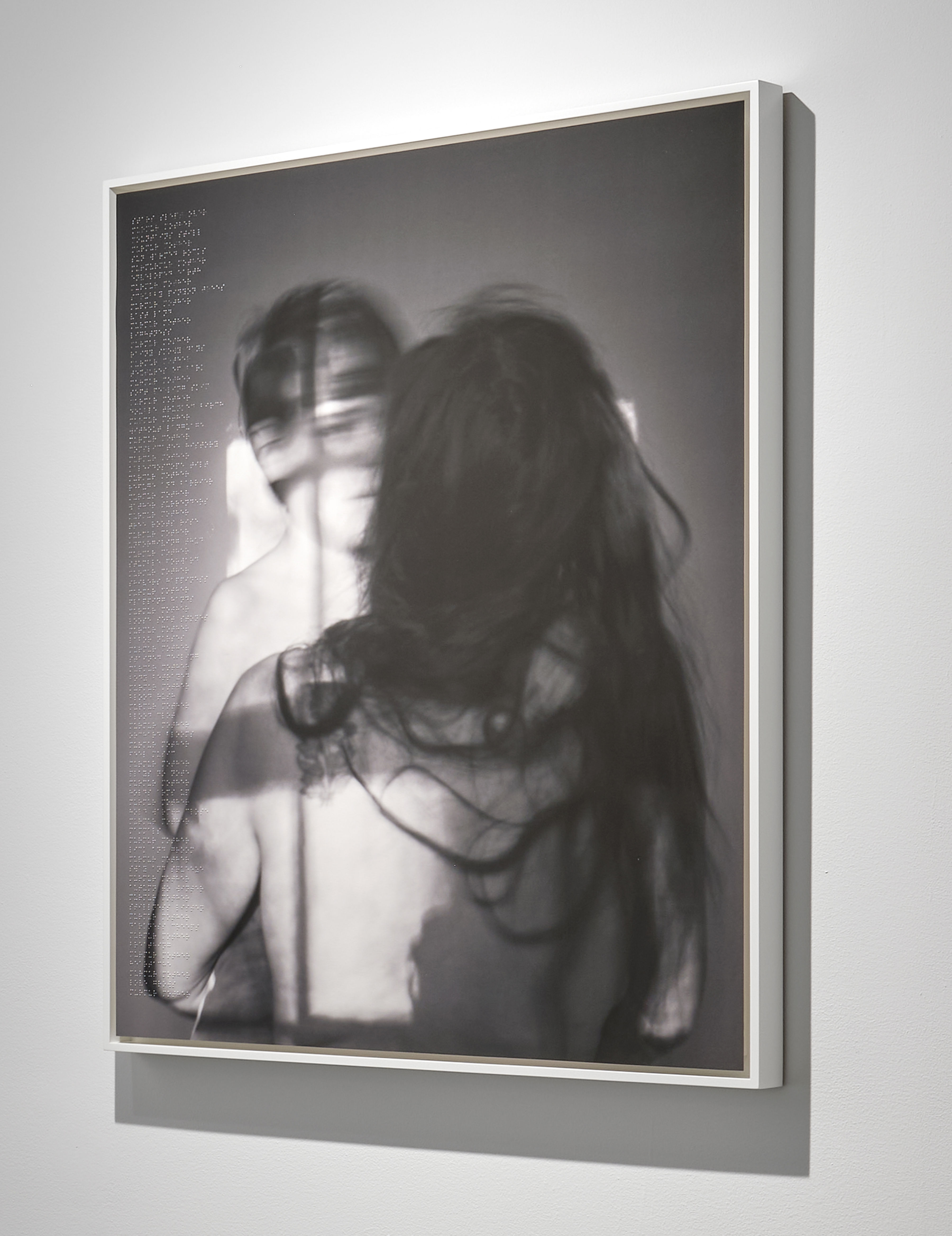
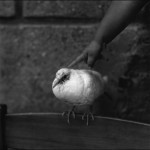
©Cozette Russell, Murmur Mother v. 3, 2024
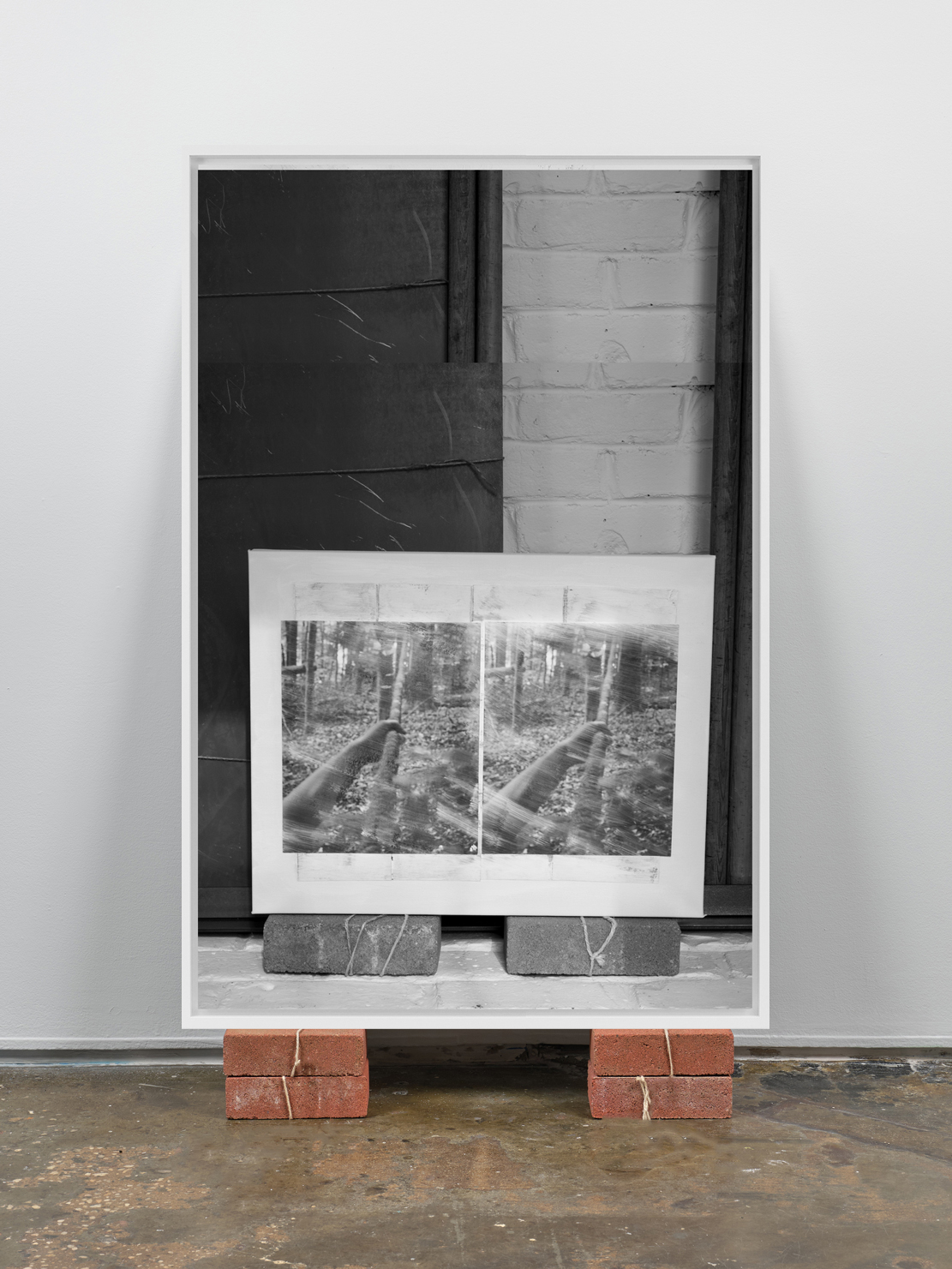
Cozette Russell, Untitled (summer studio-winter studio 3), 2026
What attracts you to black and white images and objects instead of color?
My immediate thought is it just makes sense to my brain! There is a magic to black and white that is both soothing and seductive. On a formal level, when we talk about black and white, it sounds rigid, but really, its gradations, and there’s a vastness to these gradations. I’m very interested in the mid-tones, all that beautiful “in between” of the grays. I also layer images, use projections, and blur movement in my photographs. All these approaches work well in black and white.
Through your own lived experiences, what are the ways that creative spaces can be more inclusive of people with disabilities and differences?
I think the answer is a holistic approach. Accessibility really succeeds when accommodation is built into the experience. Accepting and being comfortable engaging with people with disabilities is what we badly need in our larger society. There was an interesting (and discouraging) study at Harvard a few years back that examined implicit bias. While our society has seen significant drops in biases related to race or sexuality, the way people with disabilities are viewed has made little positive movement. This study made me think about all the ways our environment gives us messages about disability. So, for example, looking at our built environment, people who run art spaces should ask themselves: can someone with a physical disability access the gallery or creative space? If you pay attention to what the built environment is mostly saying to people with disabilities, you’ll quickly see that the answer usually is, ” You don’t belong here. And then what does our built environment say to people who don’t have disabilities? People with disabilities don’t belong here.
My son frequently uses a wheelchair, and the world quickly becomes smaller when you are restricted by where you can go in a wheelchair. People with disabilities and different mobility needs often are isolated at home because just physically getting around is difficult. This isolation also limits interactions in the community. When people with disabilities aren’t out and about in their communities, then these encounters and relationships are lost. So, for any art space, the most basic starting place is, is your space accessible? And then I would say from my experience of raising my son, who has an intellectual disability, I really appreciate when arts and cultural spaces have a day, or times set aside to welcome people with intellectual disabilities. My son loves going to the movies, but we never would have even tried going without our local cinema having a sensory screening series. At these screenings, he gets to watch a film and be himself. We recently
attended a sensory-friendly concert at the Boston Symphony Orchestra. It was an incredibly joyful experience for our whole family, and my son loved it. My son is curious about the world, new experiences, and his community, and these opportunities include him. I realize one could say why do we have to compartmentalize and segregate by disability. There’s certainly a larger conversation to engage with on these themes. Still, on a very practical and personal side, these sorts of accommodations make it possible to be out exploring the world together. Lastly, I would add, if your art space has accommodations like guided audio description, touch tours, braille text, etc., make that known to everyone who comes in the door, don’t just leave it up to people to ask if there are these accommodations available, because this also signals to the broader public that this is a space for everyone.
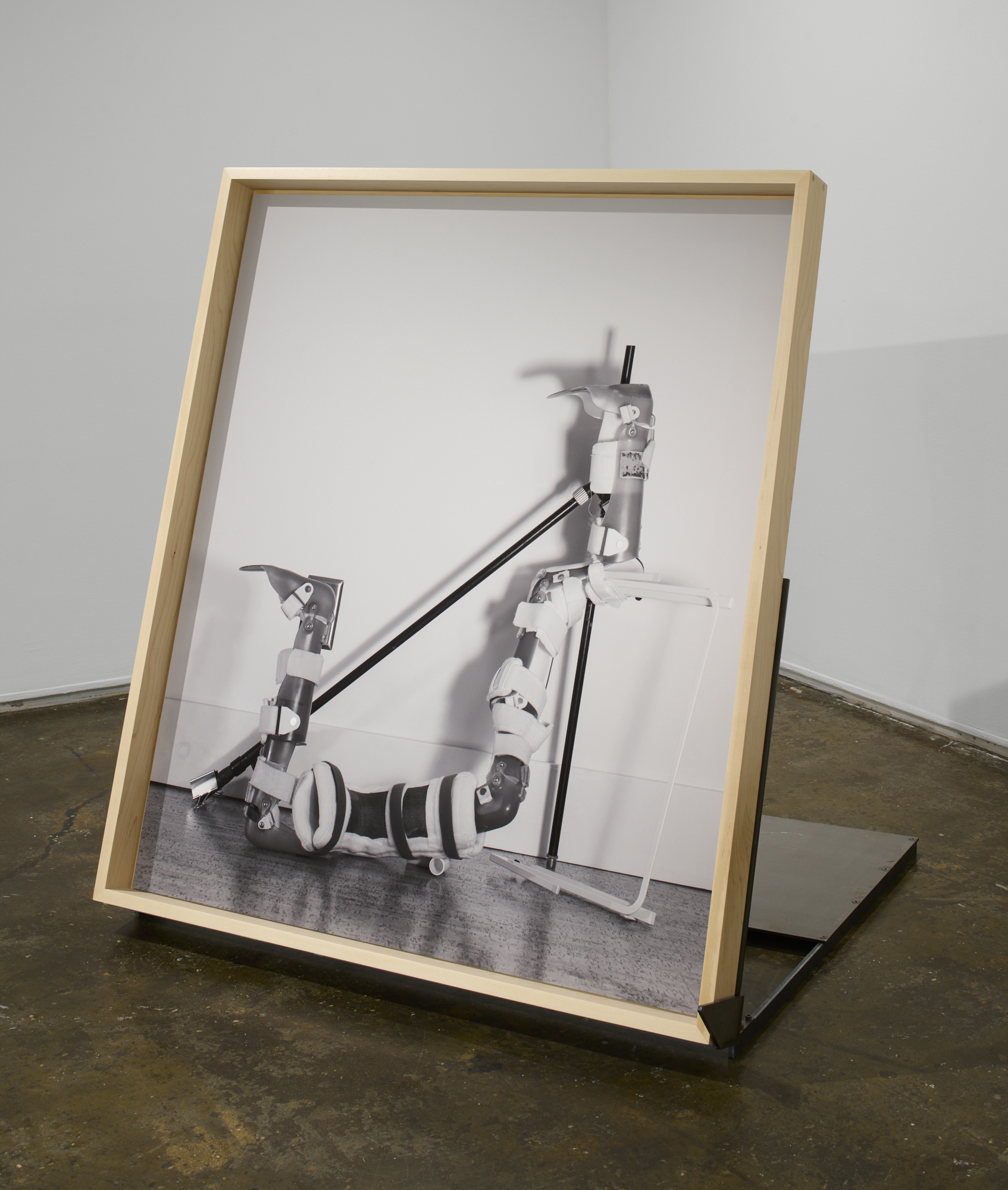
©Cozette Russell Still Life with J’s AFO Braces, 2025
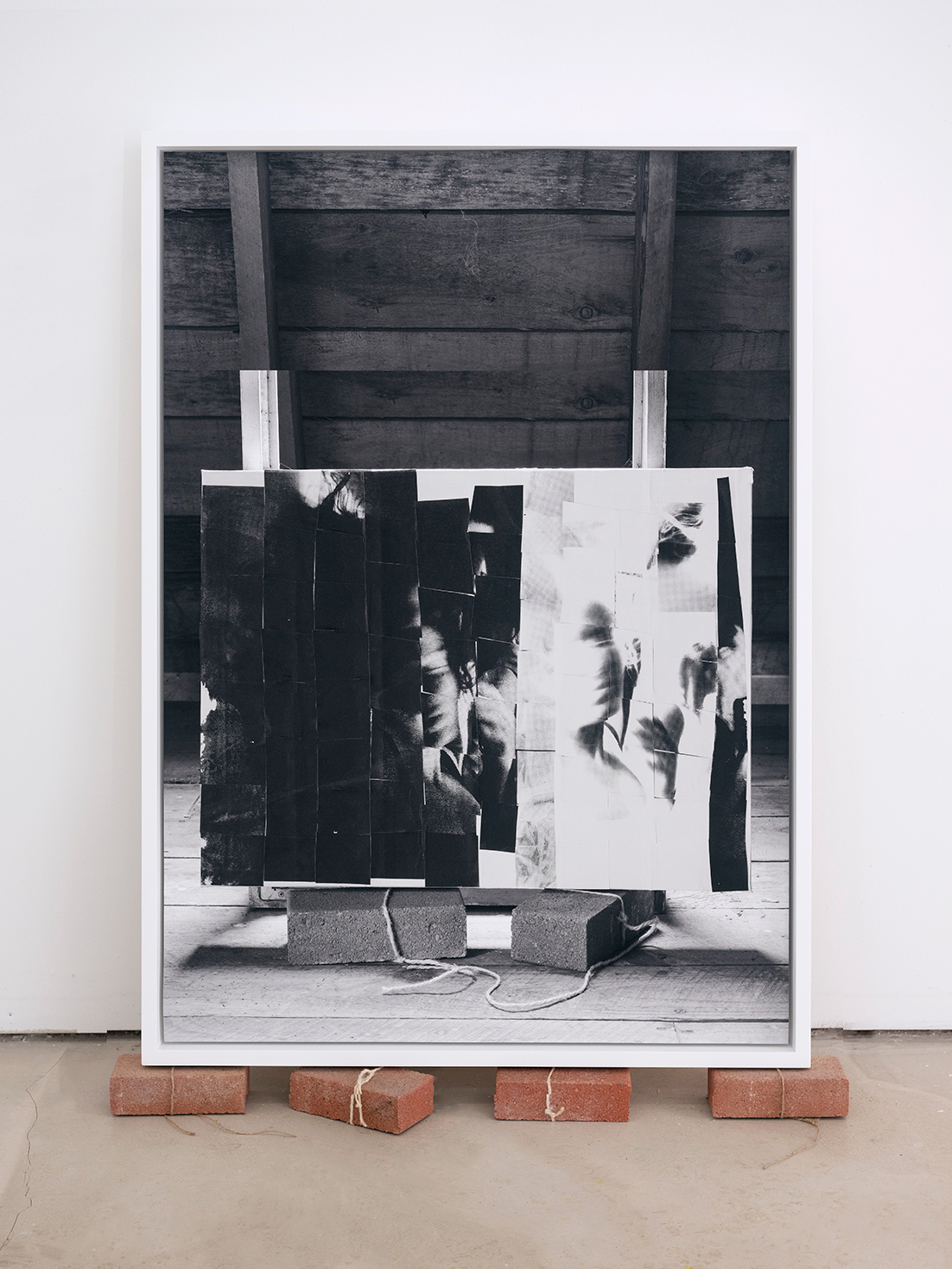
©Cozette Russell Untitled (winter studio-summer studio v.2), 2025
How has writing informed your visual art practice?
Writing is another way I use to work through a process of making something. Especially if I’m trying to unravel or understand what I’m making––I will write for myself and get my ideas on paper. I always have a notebook next to my bed, in my studio, in my bag. Writing is also a much more comfortable space for communication and clarity for me, and so I’m often writing so that I can speak about the work later. I also love reading artist-writers and artist diaries. I’ve been thinking a lot about Joseph Cornell lately, and in particular his relationship to his brother Robert, who had multiple disabilities. Joseph Cornell and his mother were both lifelong caregivers to Robert, and they all lived together in the same home for most of their lives. Joseph Cornell kept a diary I’ve found to be so moving. It reminds me that observations from a day, in a few sentences, can be fascinating to look back on. So, I really enjoy engaging with other artists through their writing–I love Moyra Davey’s books, and in my studio now I’m reading texts by Yvonne Rainer, Etel Adnan, and Agnes Denes, to name a few!
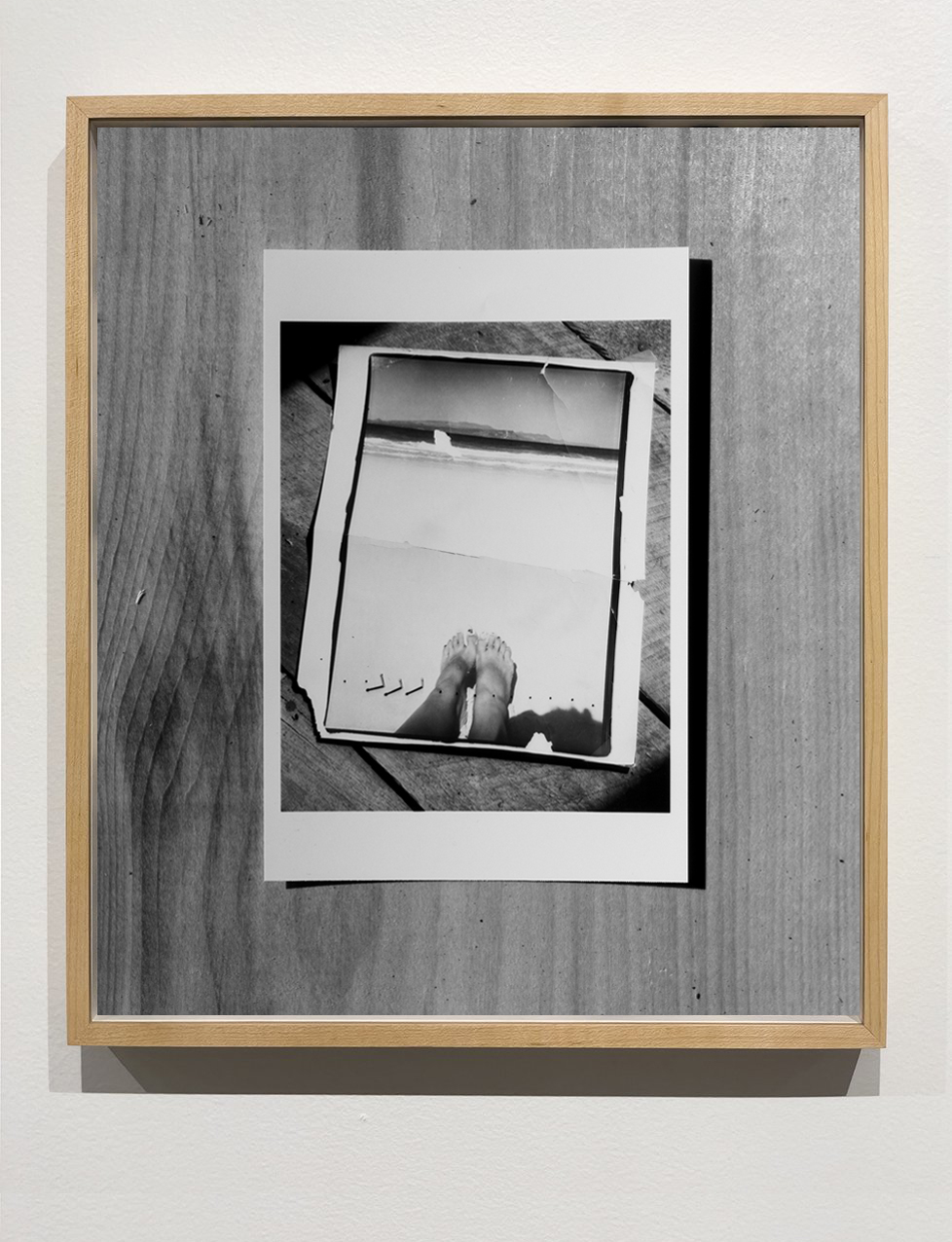
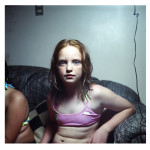
©Cozette Russell, Auto Archive-cec, 1999
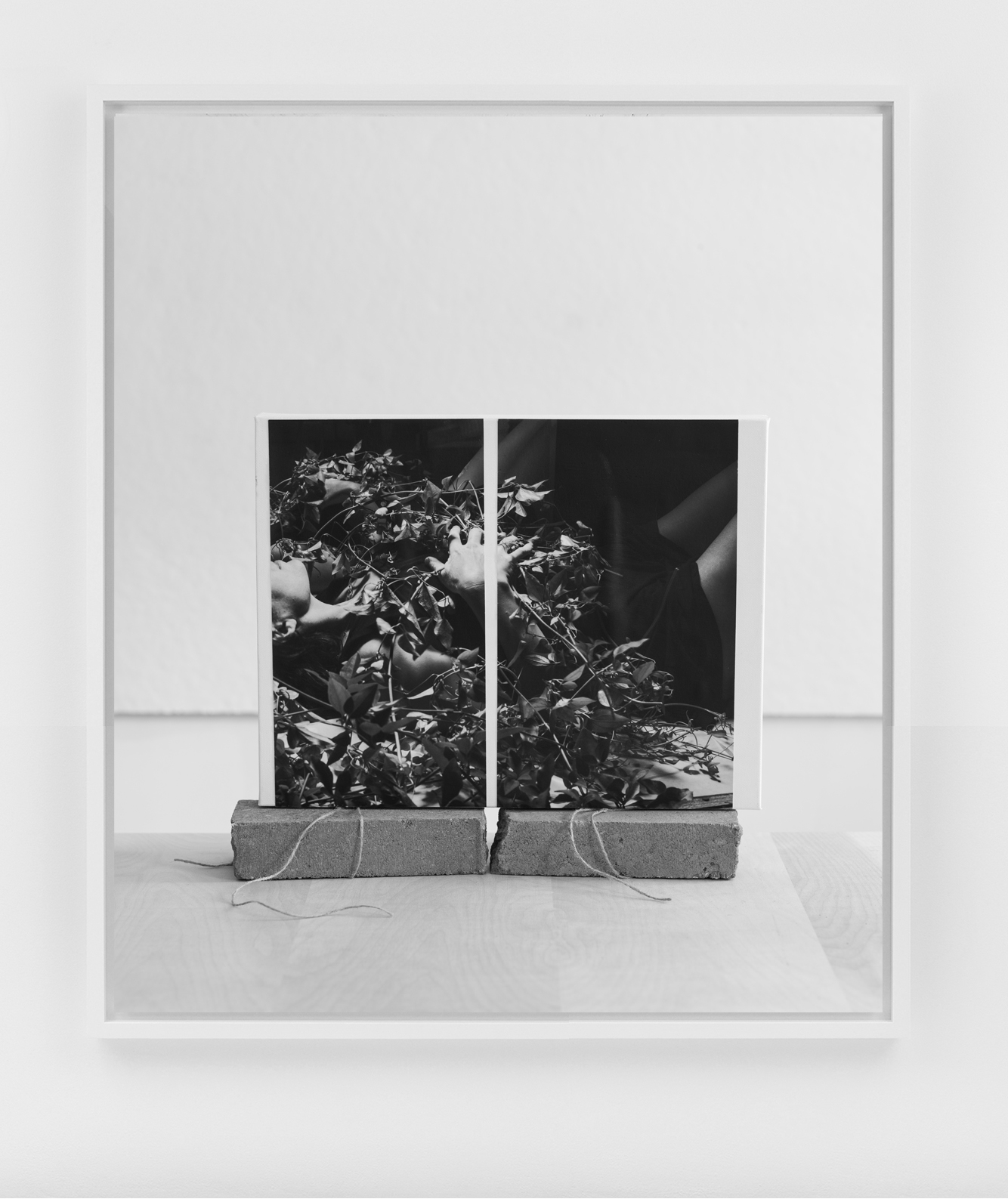
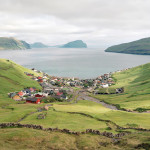
©Cozette Russell, Earthly Places, 2026
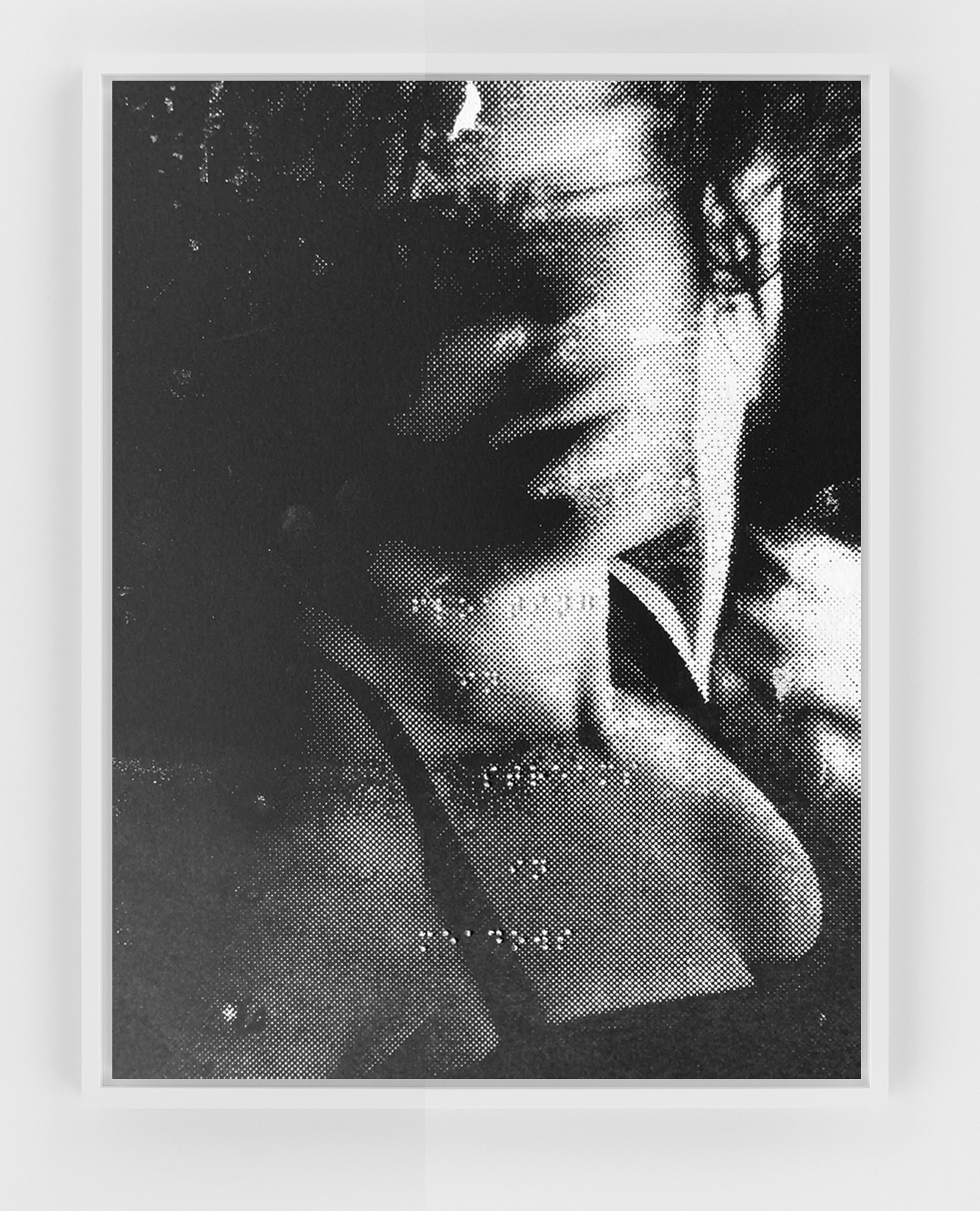
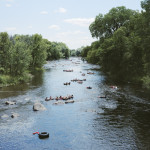
©Cozette Russell, floating in streams, in meadows, 2024
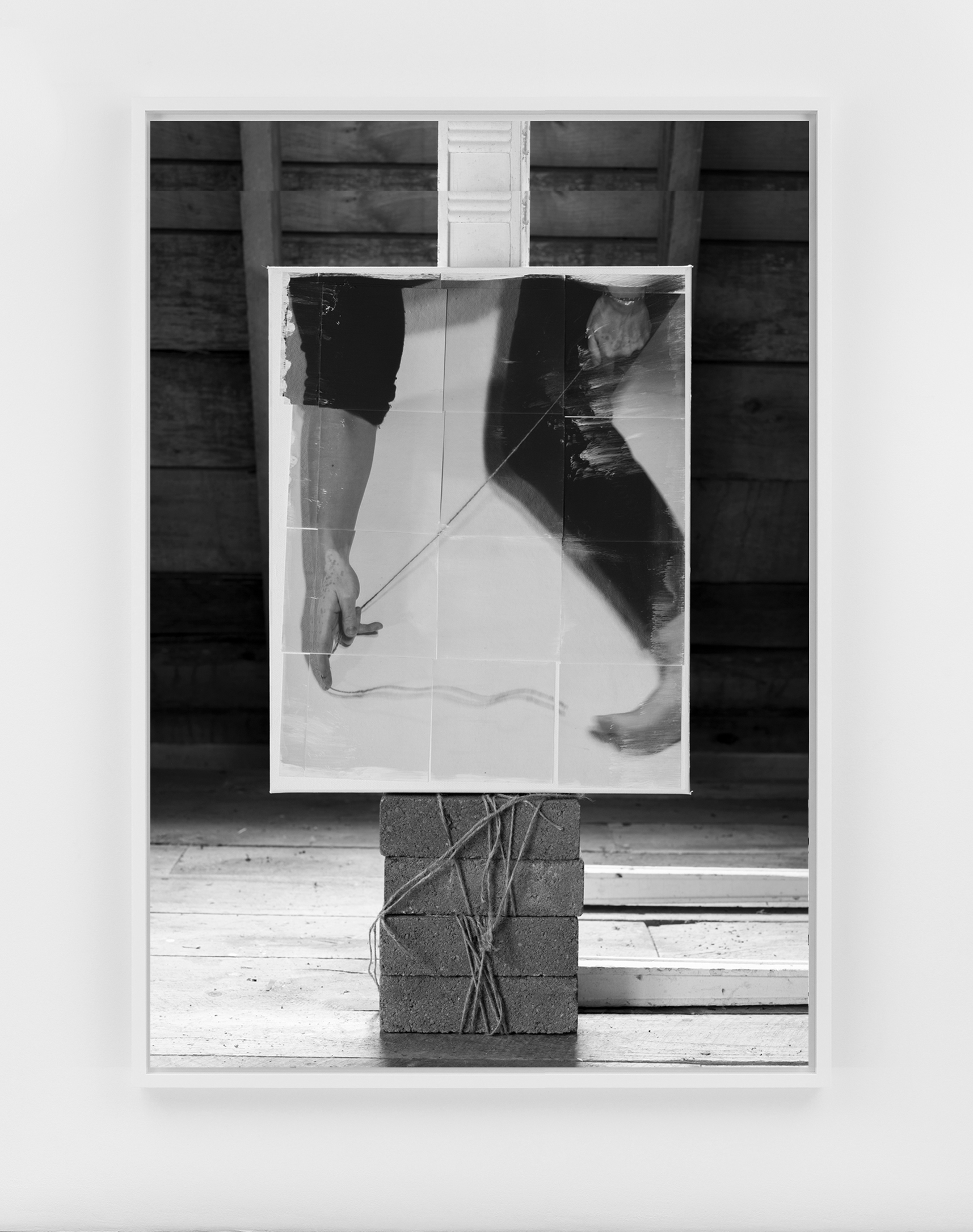
©Cozette Russell, Errant Ground v.5, 2026
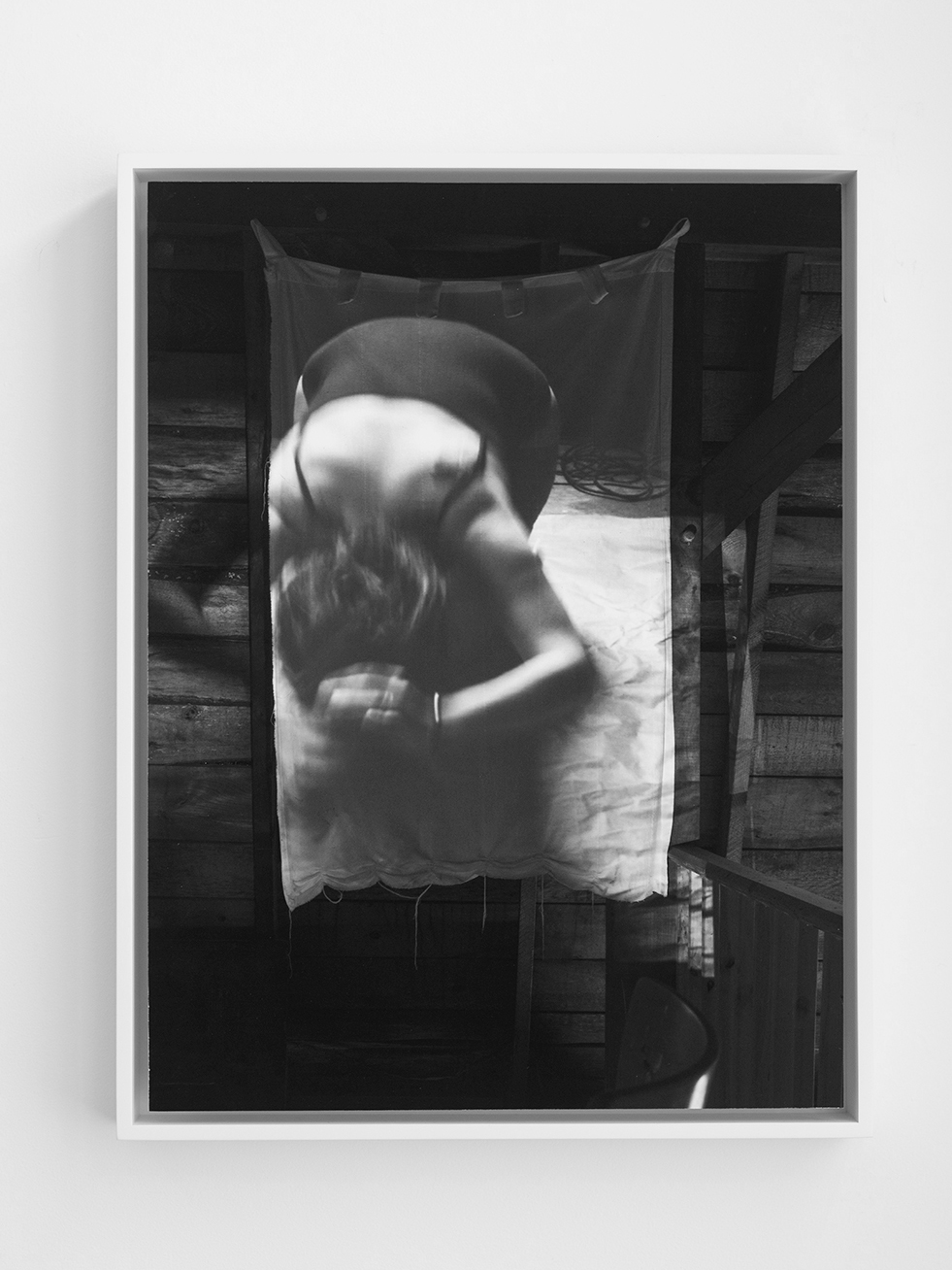
©Cozette Russell, Transient Cinema series #7 (winter studio), 2024
Cozette Russell, Born 1978, Exeter, NH, lives in New Hampshire. Her films and photographs have shown at various galleries and museums, including SMOMA, the Wexner Center for the Arts, NADA Curated, Harvard University, the University of New England, the University of New Hampshire, Antioch College, and A.I.R. Gallery in Brooklyn, New York, where she is a member.
Follow Cozette Russell on Instagram: @cozette.russell
Douglas Breault is an interdisciplinary artist who overlaps elements of photography, painting, sculpture, and video. His work has been collected, published, and exhibited nationally and internationally, including at the MFA Boston, the Addison Gallery of American Art, the Czong Institute for Contemporary Art (South Korea), Space Place Gallery (Russia), the Bristol Art Museum, and the Rochester Museum of Fine Arts. In addition to being an artist, Breault writes about art, curates exhibitions, and teaches photography at different colleges.
Follow Douglas Breault on Instagram: @dug_bro
Posts on Lenscratch may not be reproduced without the permission of the Lenscratch staff and the photographer.
Recommended
-

Sandra Cattaneo Adorno: Light, Memory and the Everyday SublimeJune 25th, 2026
-
HANDMADE ARTIST BOOKS WEEK: Ryoko AdachiMay 28th, 2026
-

Cozette Russell in Conversation With Douglas BreaultMay 14th, 2026
-
McCall Hollister in Conversation With Douglas BreaultMarch 6th, 2026
-
Jonathan Silbert: InsightsFebruary 19th, 2026